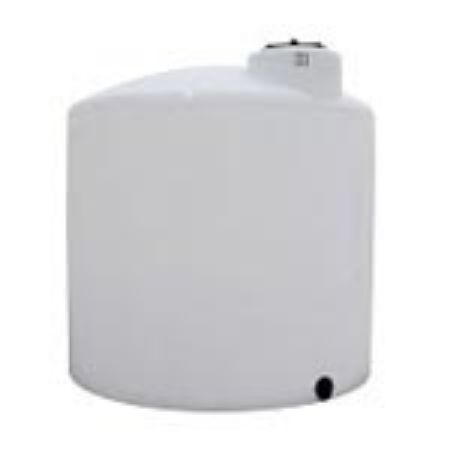
 Vertical Closed Top Storage Tanks
 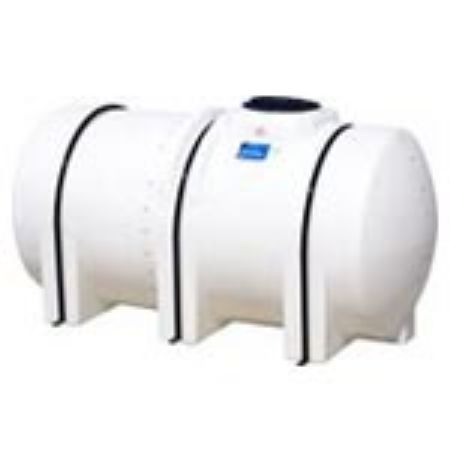 Free Standing Horizontal Tanks
 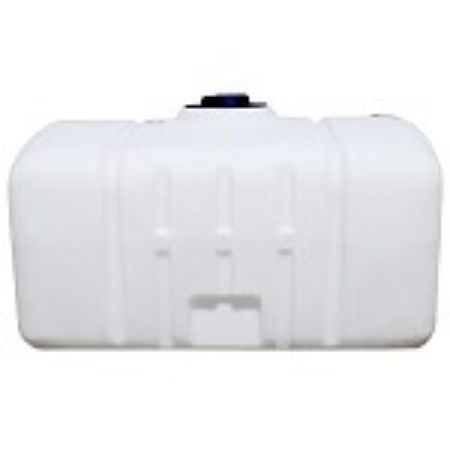 Rectangular Utility Tanks
 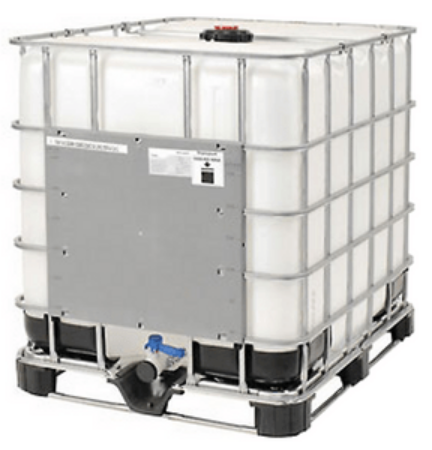 1000 Litre IBC Tanks (Cage Tote)
  Pick up Tanks
 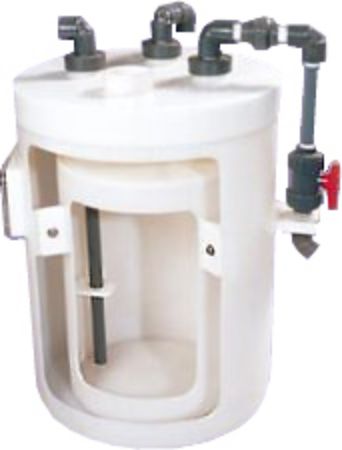 Double Wall Tanks
 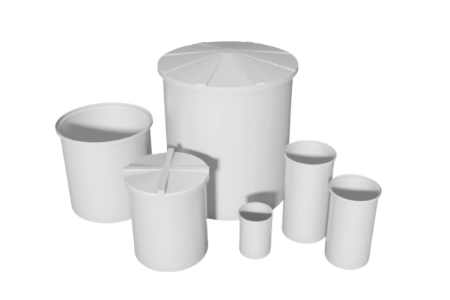 Vertical Open Top Storage Tanks
 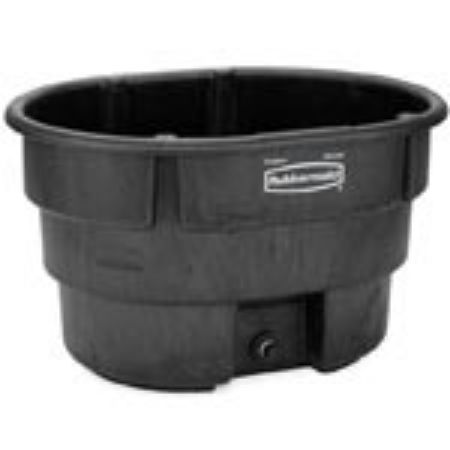 Plastic Water Stock Tank
 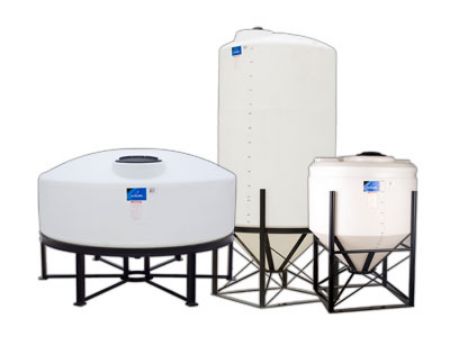 Cone Bottom Tanks - Closed Top Plastic Tanks
 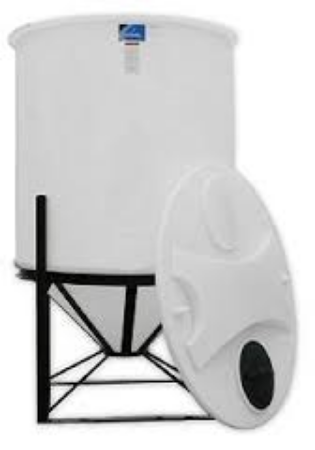 Cone Bottom Tanks - Open Top Plastic Tanks
 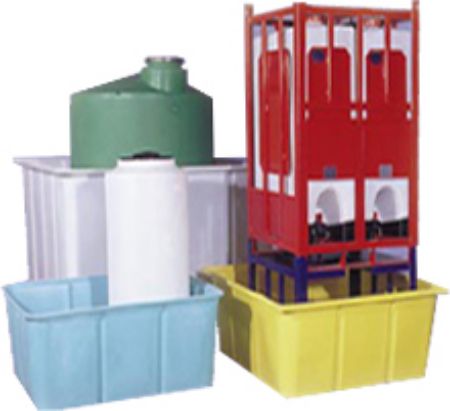 Secondary containment basins
 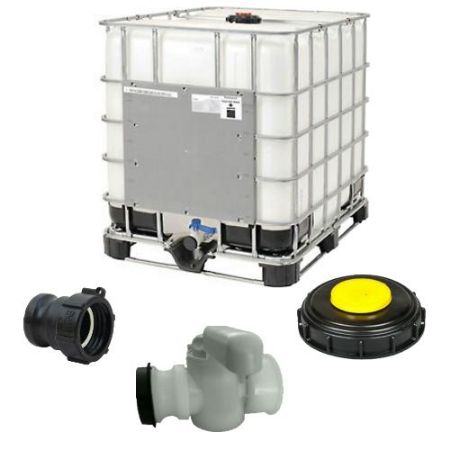 Cage Tank Parts (IBC Tote)
 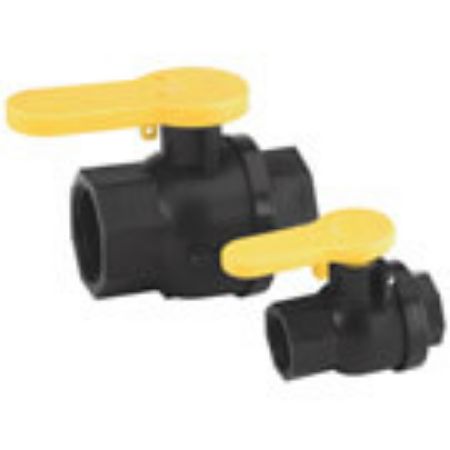 Polypropylene and PVC Ball Valves
 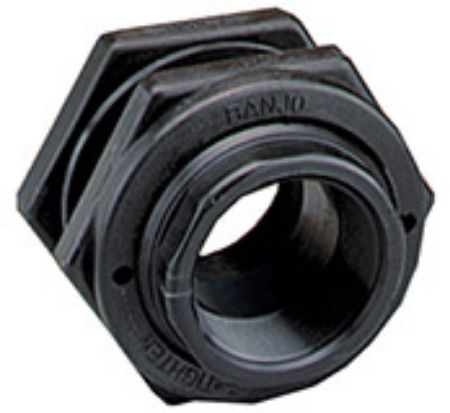 Polypropylene and PVC Tank Fittings
 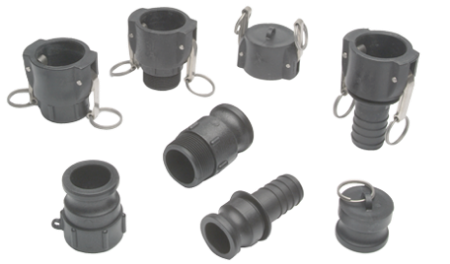 Camlock Fittings
 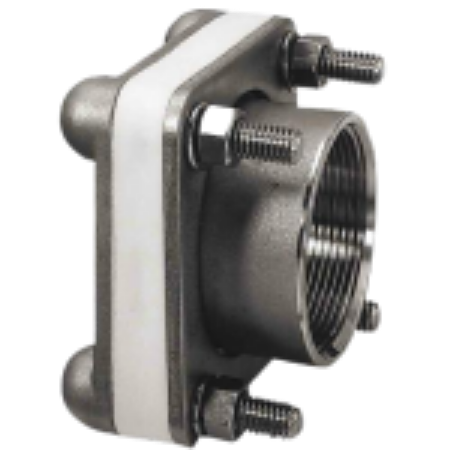 Stainless Steel Bolted Fitting
 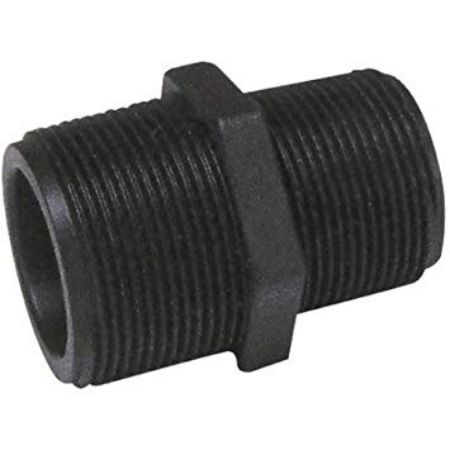 Polypropylene Threaded Reducer Nipples
 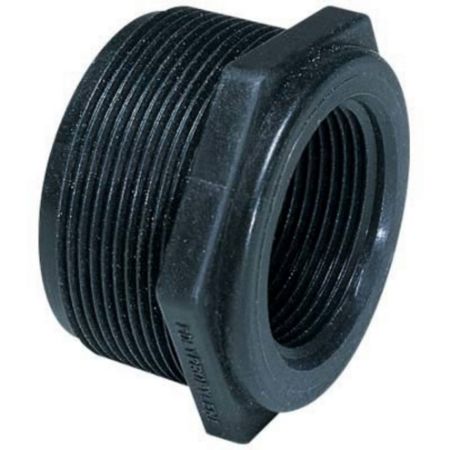 Polypropylene Threaded Reducer Bushings
 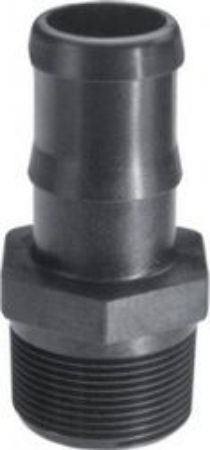 Hose Barb Fitting Adapter
 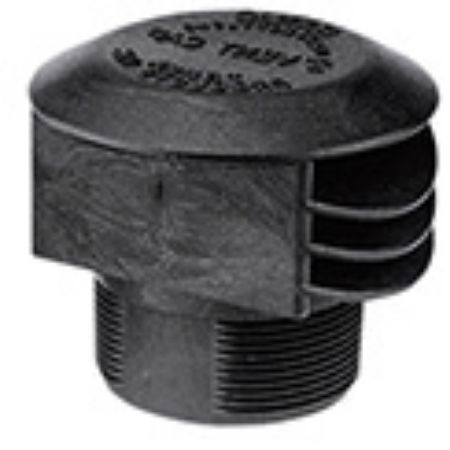 Vent Caps
 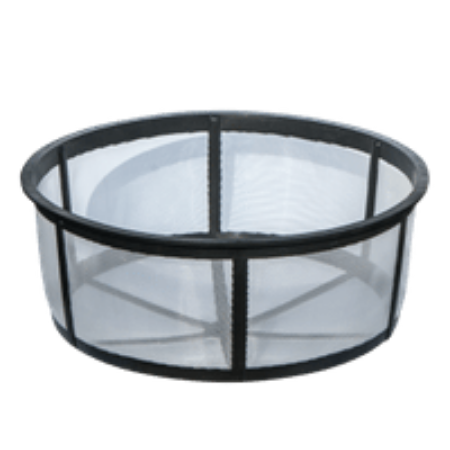 Filter Strainer Baskets
 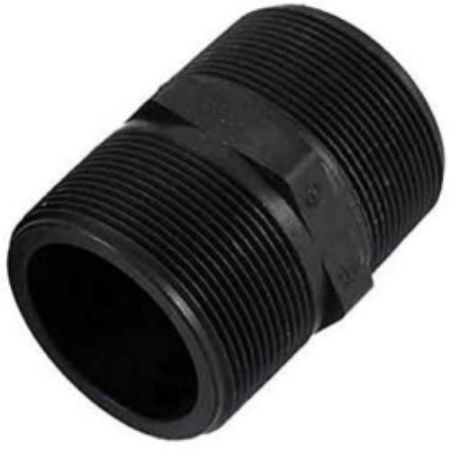 Threaded Pipe Nipples
 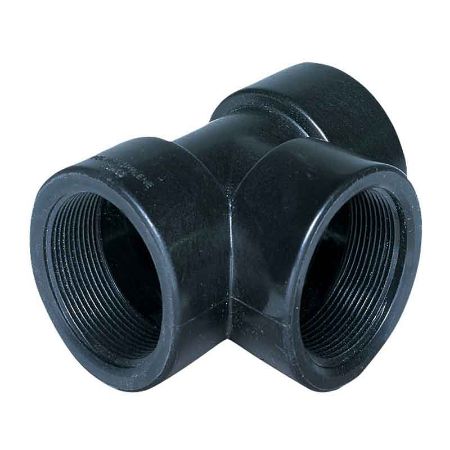 Polypropylene Tee Fitting, NPT Female Thread
 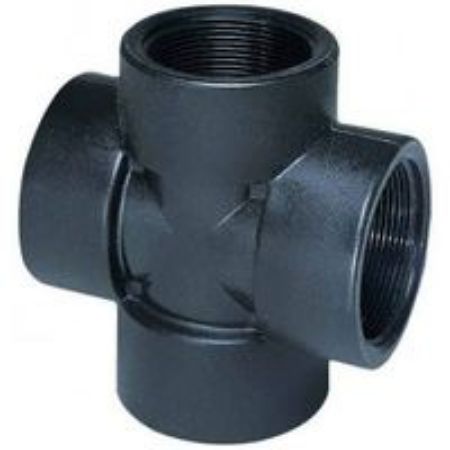 Polypropylene Cross Fitting, NPT Female Thread
 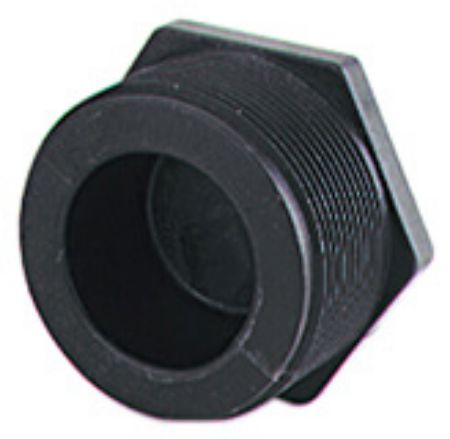 Drain Plugs
 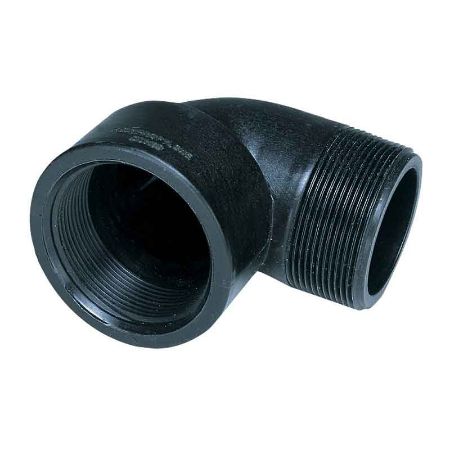 Elbow fittings
 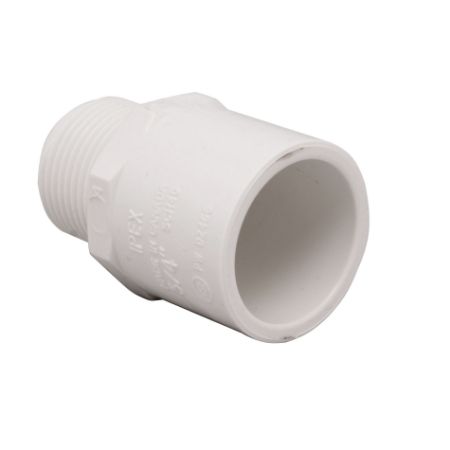 PVC Adapter, NPT Male Thread to Socket End
 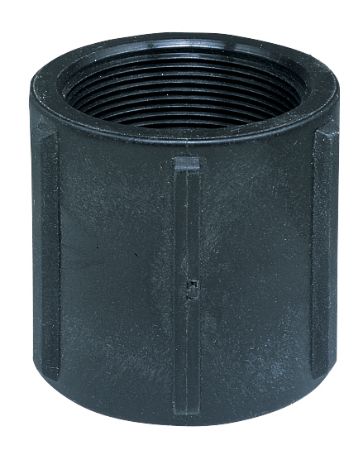 Polypropylene Threaded Pipe Couplings
 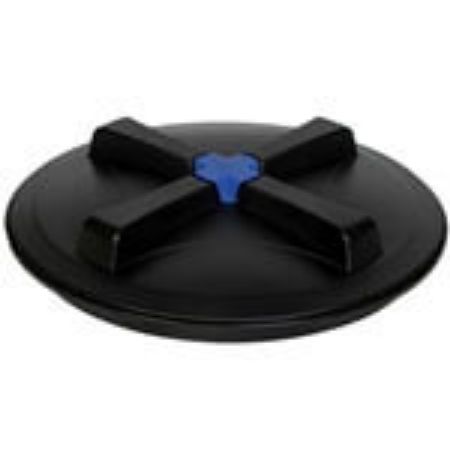 Closed Top Tank Lids
 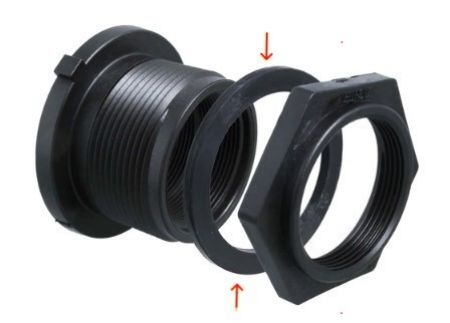 Replacement Gasket for Bulkhead Fitting
 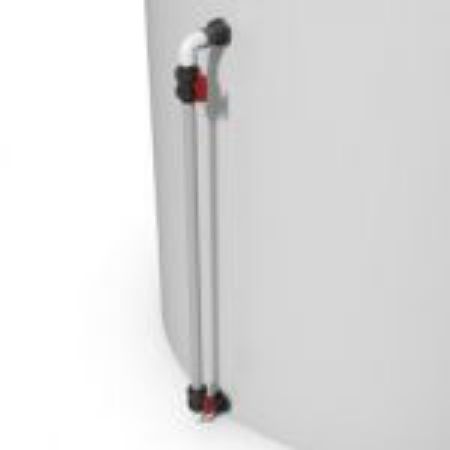 Level Indicator
  Miscellaneous accessories
 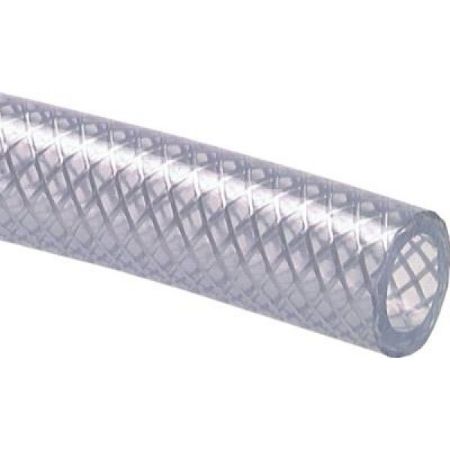 Potable Water Hoses
 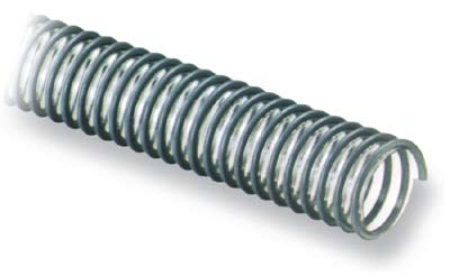 Liquid Suction and Discharge Hoses
 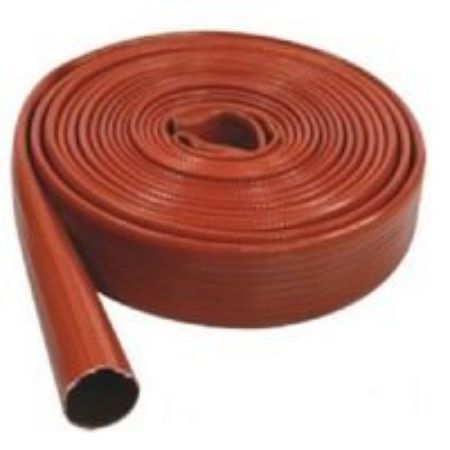 Liquid Discharge Hoses
  Assembled Liquid Discharge Hoses
  Fire Hose
 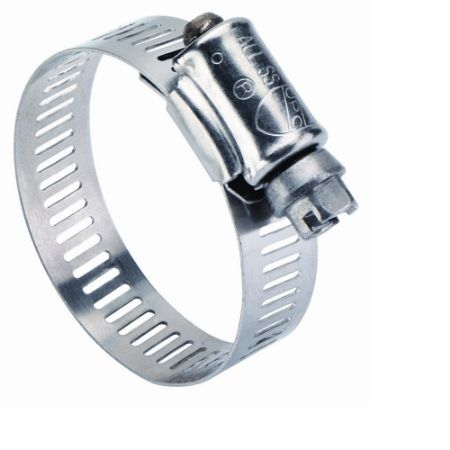 Hose Clamps
  Fire Hydrant Adapters for Quebec
 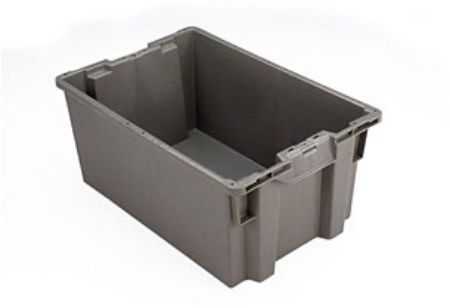 Food Grade Containers, Solid Walls and Bottom
 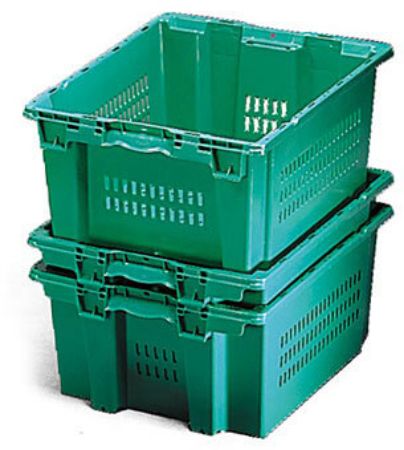 Food Grade Containers. Vented Walls and Bottom
 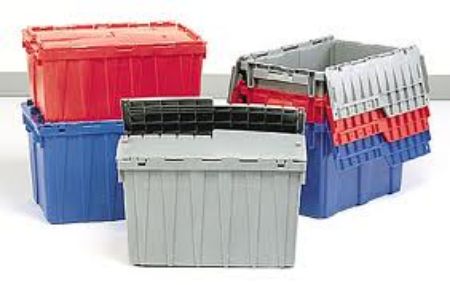 Attached Lids Plastic Containers
 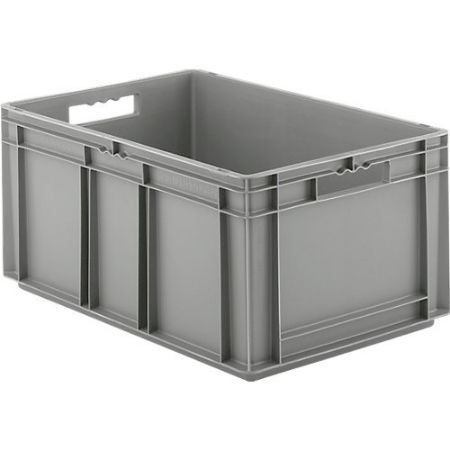 Industrial Plastic Containers, Solid Walls and Botton
 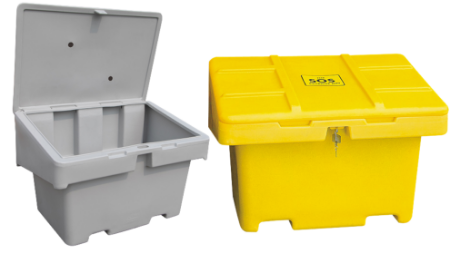 Sand and Salt Plastic Storage Bins
 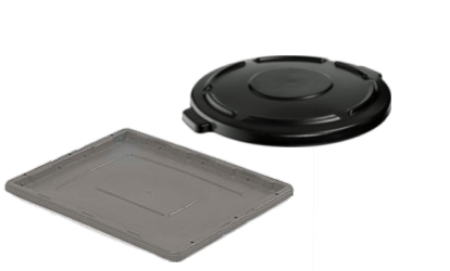 Containers - Lids and Covers
 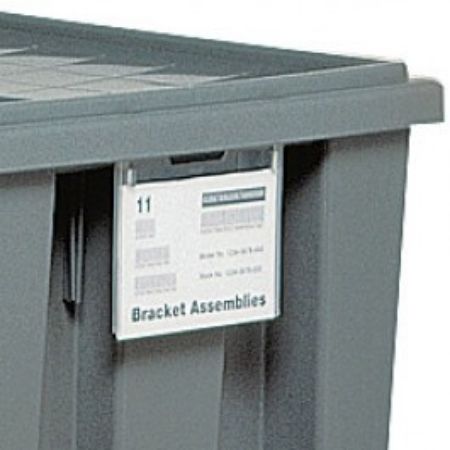 Containers - ID and Hot Stamp
 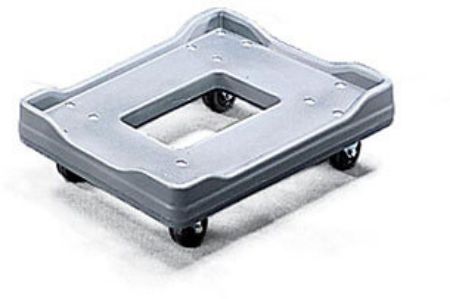 Containers - Dollies
 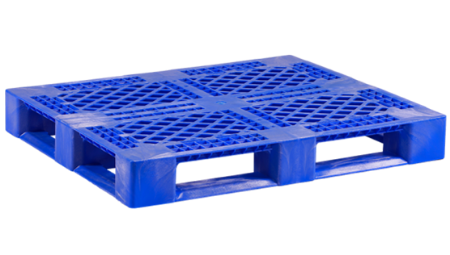 FDA Food Grade Plastic Pallets
 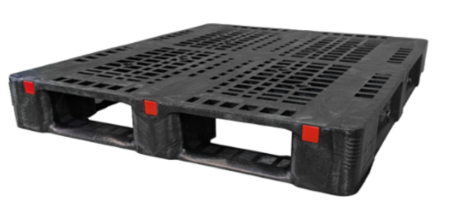 Industrial Plastic Pallets for Warehouse and Racking
 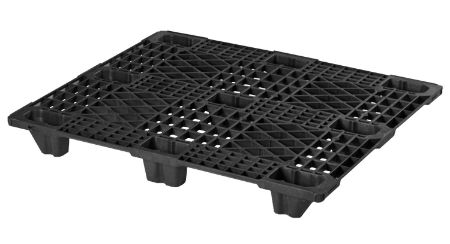 Export Plastic Pallet
 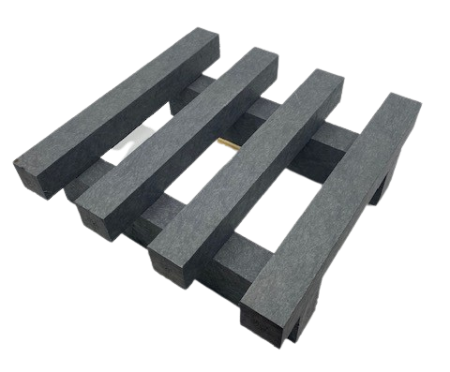 Display Plastic Pallets
 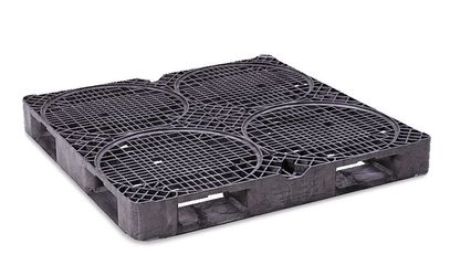 Drum Plastic Pallets
 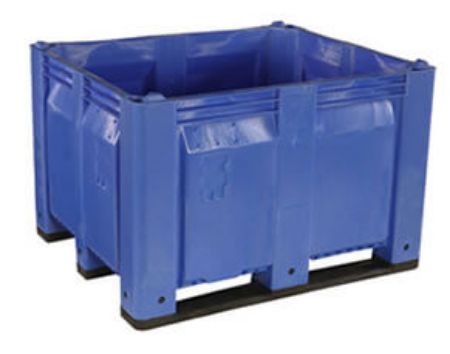 Plastic Pallet Boxes, Solid walls and Bottom
 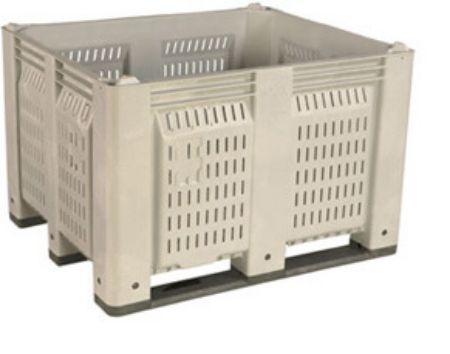 Plastic Pallet Boxes, Vented walls and Bottom
 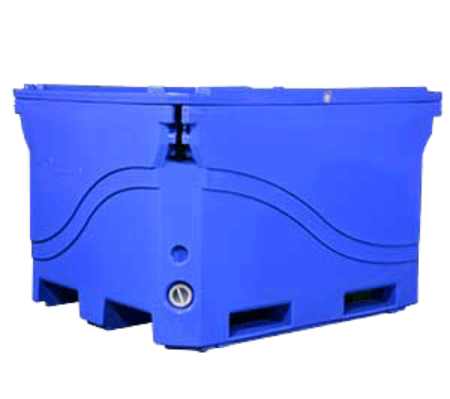 Insulated Plastic Pallet Boxes
 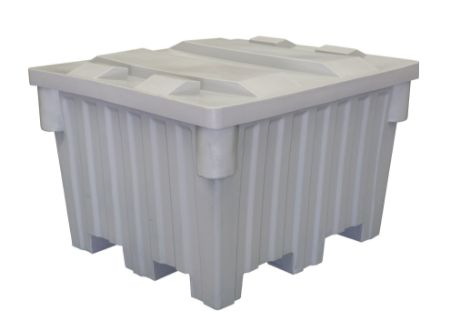 Tapered-wall Pallet Boxes
 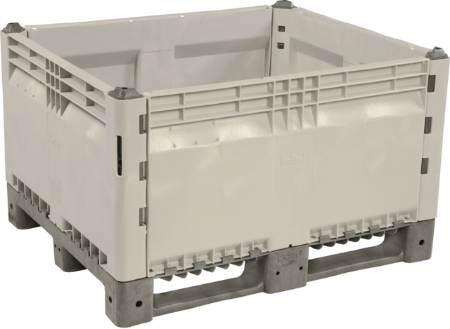 Removable walls Pallet Boxes
 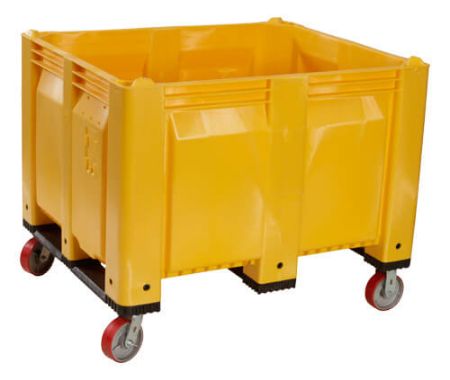 Pallet Boxes on Casters
 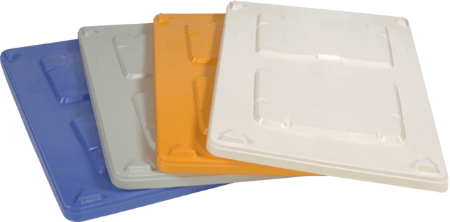 Lids - Pallet Boxes
 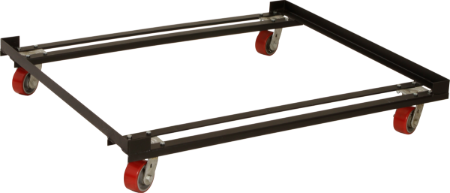 Pallet Boxes Bin Cart
 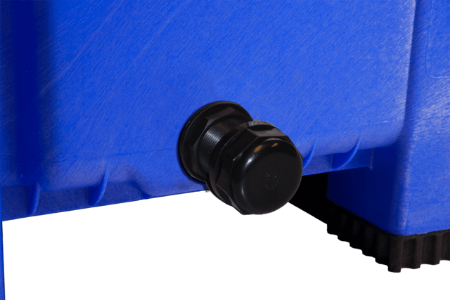 Drain Option for Pallet Boxes
 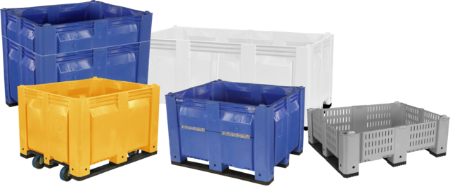 Custom Plastic Pallet Boxes
 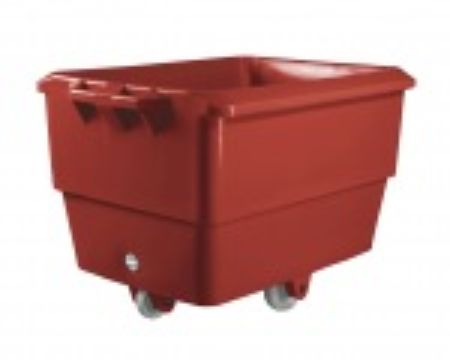 Food Grade Buggies - FDA Carts
 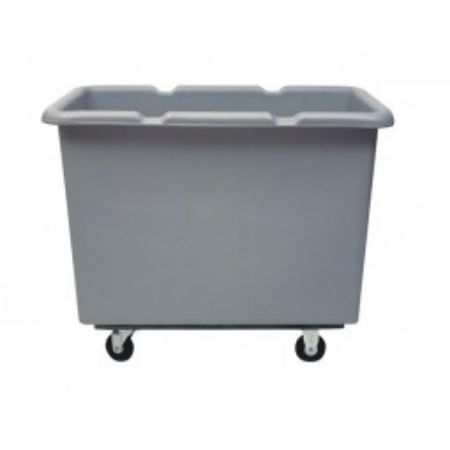 Industrial Poly-Box Trucks
 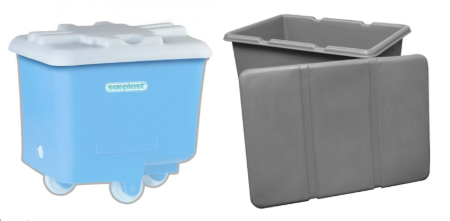 Carts Options and Accessories
Bulk containers in food plants: the hidden costs of a poorly adapted container fleet
It's 7:30 in the morning. The air smells of disinfectant and humidity. Forklifts are beeping, ventilation is hissing. In front of the washing area, the team starts their day struggling with yesterday's bulk containers: poorly drained corners, residue still stuck on, containers that went through a full cycle and still need scrubbing.
Strangely, everyone finds it normal to have to scrub so much. "It happens often," they say. It's almost become a habit.
And that's where the real problem begins. Because the moment an irritant becomes routine, it's no longer questioned. It's just endured. Teams compensate, extend the wash cycle, take more time, without ever questioning the tool itself.
A poorly chosen bulk container can turn what should have been a smooth day into a real headache: wasted cleaning hours, heavier HACCP audits, friction between production and quality. And yet, on paper, everything seemed fine.
A bulk container should never be a problem to manage. It's a tool that's supposed to help. When it's well chosen, it disappears from daily operations. When it's poorly adapted, it becomes a silent irritant that keeps coming back, day after day.
TABLE OF CONTENTS
- What is a plastic bulk container and what is it used for?
- Real life on the floor: why irritants fly under the radar?
- The hidden costs of poorly adapted bulk containers
- Why so many plants make the wrong choice?
- The 3 questions to ask before buying an industrial bulk container
- Real case: what a well-chosen bulk container concretely changes?
- The 6 essential criteria for choosing the right bulk container (and pitfalls to avoid)
- Hygiene and HACCP compliance: a real issue
- The most frequent objections and how to overcome them
- Why trust Agrico Plastiques for choosing your bulk containers?
- Bonus: Quick checklist : to review before any purchase
What is a plastic bulk container and what is it used for?
A plastic bulk container isn't just a "big bin." On the production line, it's the container that carries the flow. It's a large, robust industrial bin made of high-density polyethylene (HDPE), consisting of a base like a pallet surrounded by four walls.
The most common base formats are 40" x 48" and 48" x 48". Heights generally vary from 25" to 52". The bulk container is designed to handle, transport, and store bulk products in a single movement, with a forklift or pallet jack. There are versions with solid or perforated walls.
Concretely, it allows you to:
- Move large volumes without multiplying handling operations.
- Group production in a stable and safe container.
- Drain, cool, or freeze products in bulk.
- Standardize internal and external transportation.
- Contain products that are difficult to palletize.
- Reduce disposable or single-use packaging.
In food processing (meats, poultry, fruits, vegetables, seafood, fish), the bulk container quickly becomes a central tool: it moves from production to washing, from the cooler to the freezer, from the dock to the truck, then to the customer. In agriculture, it spends entire days in the fields for harvesting. In industry, waste management, or logistics, it replaces dozens of small containers that are difficult to manage and stabilize.
When it's well chosen, the bulk container simplifies work. When it's poorly adapted, it complicates everything, without always knowing why.
Real life on the floor: why irritants fly under the radar?
On the floor, a bulk container is never static. It's the container that follows the product everywhere: production, storage, transport, freezing, washing, delivery.
Depending on the sector, it must withstand humidity, impacts, stacking, washing, and sometimes more intense handling such as dumping with rotary forks. Operators load it with forklifts, move it with pallet jacks, stack it on racks, place it on conveyors. It circulates non-stop. And for some, the circuit doesn't stop there, they leave the plant to be shipped to the customer, where they still need to be efficient, stable, and optimize space under conditions you don't directly control.
But when something gets stuck : endless cleaning, trapped condensation, a container that's difficult to move, costly empty returns, teams often adapt. They work around the problem, improvise, slow down a bit, then continue. Nothing completely stops. It just slows down enough to fly under the radar.
Nobody officially records it, but everyone feels it. And over a day, then a week, then a year, it's these small workarounds that eat away at time, energy, and performance.
The hidden costs of poorly adapted bulk containers
Every poorly chosen bulk container hides impacts that cost the company dearly and exhaust teams, often without anyone realizing it. At the moment, nothing seems critical. Production is running. Washing gets done. The containers are there. But in the background, irritants accumulate. And it's always the same ones that come back.
Each friction adds up, day after day:
- Endless cleaning: 2 to 3 hours per day for a team of 4 people. Over a year, that's complete weeks of production that disappear.
- Condensation or drying out: degraded products, quality rejections, production rework, sometimes even unplanned line stoppages.
- Empty returns: paying a truck to transport air. Between 20 and 30% of transportation costs going to complete waste with each return.
- Operational incompatibilities: blockages on conveyors, risky maneuvers, product breakage, equipment damage, and sometimes even operator injury.
- Poor specifications: unsuitable base, wrong dimensions, walls that bulge when filled, unstable stacks, lower stacking capacity than expected.
Individually, these problems seem minor. Together, they drive up costs insidiously. This is exactly how recurring costs take hold, not through one big mistake, but through an accumulation of small compromises that became "normal."
Why so many plants make the wrong choice?
This problem isn't one person's mistake. In reality, this wrong choice is almost always the direct result of daily pressure: cost pressure, lack of time to plan, an urgent need that requires an immediate solution.
When there's urgency, you choose the container that seems "correct," the one fastest to get, or the cheapest, because it looks like it will do the job. Without time to ask the right questions, do a trial run on the floor, or establish a clear standardization plan, it becomes almost inevitable to end up with a multitude of different models.
The problem isn't having several models. The problem is that none of them is truly optimal. In practice, the complete flow is rarely mapped: handling, washing, stacking, rack storage, freezer, transport, customer. The result: bulk containers that looked good on paper but get stuck somewhere in the operations chain from their very first complete cycle.
At that point, it's too late to think. You have to react. And that's when it starts to cost dearly.
The 3 questions to ask before buying an industrial bulk container
1. What concrete problem needs to be solved on the floor?
Before even choosing a bulk container, you need to ask yourself what your irritants are, where employee complaints come from, and what points audits bounce back on. Very often, bulk containers are sought to solve problems like:
- Too many small bins to handle one by one.
- Products difficult to palletize correctly.
- Unstable pallets of bins wrapped in plastic film that comes undone.
- Constant container transfers between stages that waste time.
- Teams working harder than necessary for lack of a suitable container.
On the floor, this translates into repetitive gestures, unnecessary back-and-forth, time loss, and fatigue. Before purchasing, identify where things are really getting stuck in your flow:
- At washing, because too many small bins take time to clean.
- In production, because handling is fragmented and not fluid.
- In storage, because products store poorly or take up too much space.
- In lot identification, when product is spread across too many separate bins.
- In transport, because pallets are unstable or poorly optimized.
- At the customer's, because the delivery method complicates recovery or pickup.
As long as the real problem isn't clearly named, there's a high risk of buying bulk containers that compensate for or shift the problem rather than solving it.
2. What is the real objective or desired gain?
This question seems simple, but on the floor, it's rarely clarified. Often, people say they want to "improve operations," without specifying what or where. Result: you choose a container that does a bit of everything, but excels nowhere.
On the ground, the objectives are very concrete:
- Reduce time spent washing.
- Decrease manual handling and repetitive gestures.
- Save space in the warehouse, cooler, or trucks.
- Stabilize stacks to avoid breakage.
- Simplify compliance and audits.
- Secure movements and reduce risks for employees.
A good choice always starts with a simple question: What do I want to concretely improve on the floor, starting tomorrow morning?
3. How will you measure the return on investment (ROI)?
The ROI of a bulk container is almost never seen on the purchase invoice. It's seen in daily operations, where no one really takes the time to measure. On the floor, the return on investment manifests through:
- Less time spent washing.
- Less breakage and containers set aside.
- Less packaging and disassembly time.
- Fewer quality complaints.
- Successful audits.
- Fewer unplanned stoppages.
- Faster bulk handling.
Without a clear method to measure real impact, teams get used to the irritants, compensate, and adjust without questioning the tool. It's precisely at that moment that bad surprises appear, not at purchase, but several months later, when you realize the bulk container never delivered the expected gains.
Real case: what a well-chosen bulk container concretely changes?
+25% production, -30% cleaning time
Before detailing how to properly choose your bulk container, here's a real case that Agrico Plastiques supported. With the right questions, the right understanding of the flow, and input from production, logistics, and quality teams, we succeeded in eliminating the irritants caused by poorly chosen equipment.
Before
A Quebec meat processing plant was using a mixed fleet of bulk containers purchased over the years, according to the specials of the moment. Result: three different models on the floor, different heights, all different bases, unknown load capacities, and incompatibility with the main washer and meat dumper.
At the end of each shift, the washing team spent nearly two hours catching up on the most finicky containers: hard-to-clean corners, stagnant water that doesn't drain, endless drying. During production, the team transferred the less suitable containers to another room and searched the floor for compatible models. Internal and external audits often ended with remarks about hygiene and drainage.
After
By mapping the complete flow, from receiving, cutting, dumping, cooling, freezing, warehouse to shipping, we standardized their fleet with a single family of bulk containers: dimensions adapted to racks, smooth walls, integrated drain, base compatible with pallet jacks and washer.
Results after three months:
- Washing time reduced by 30%.
- Less time wasted on the floor.
- Fewer quality rejections related to cross-contamination.
- More stable stacks in coolers and freezers.
- Production increased by 25% in 3 months.
The production manager summarized it simply: "Employees no longer talk about bulk containers on the floor. Everything runs smoothly, we're much more fluid, and production has increased by 25%. It completely changed our daily operations."
Your operations could look like this. Let's map your complete flow together.
- 450-471-2772
- Fill out the form
Get a free analysis of your bulk container fleet and a concrete recommendation.
The 6 essential criteria for choosing the right bulk container (and pitfalls to avoid)
Choosing a food-grade or industrial bulk container is never a simple equipment purchase. It's a decision that directly influences operational fluidity, product safety, team workload, and real long-term costs. A poorly adapted container doesn't always appear problematic at first, until the day teams start adapting around it.
Before comparing models or prices, it's essential to properly define the real application of the bulk container and the context in which it will operate, day after day.
1. Analyze the product and its environment
Everything starts with the product you put in the container and the environment in which it will operate. The plastic must be compatible with your application: food certification (if necessary), resistance to cleaning products, disinfectants, and real usage conditions.
It's essential to validate the temperatures to which the container will be exposed. High-density polyethylene (HDPE), with its continuous use range from -28°C to 49°C, is particularly suited to demanding environments and rapid temperature changes.
In a plant, a bulk container rarely remains in a single environment at all times: it goes from production to the cold room, from the dock to the truck, then returns to be washed with hot water, and can be stored in a freezer. The frequent mistake is to choose a rigid plastic that performs well at room temperature, without considering what happens in the cold. Some materials, like polypropylene, can perform very well in dry, temperate environments but become brittle when exposed to freezing or thermal shocks.
On the floor, the consequences are immediate:
- Product losses.
- Contamination risks.
- Employee safety concerns.
- Premature replacement of containers.
In the majority of food and industrial environments, HDPE remains the safest choice, as it maintains its mechanical strength even at low temperatures. However, the manufacturing process also plays an important role in impact resistance and equipment durability over the long term.
2. The manufacturing process: what you don't see, but makes all the difference
The manufacturing process of a bulk container directly influences its impact resistance, real load capacity, behavior in cold conditions, durability, and repairability. Two bulk containers that look visually similar can react completely differently after a few weeks of use.
Rotomolding: uniform robustness and tolerance to difficult environments
Rotomolding rotates a heated mold on three axes to distribute the plastic uniformly. The result is a bulk container without internal tension, which gives a more malleable, more flexible plastic. On the ground, rotomolded containers stand out for:
- Excellent impact resistance, even at low temperature.
- Good plastic flexibility, which absorbs impacts.
- High durability in cold, humid, or outdoor environments.
- Superior hygiene, ideal for food environments.
Limitations to consider: less structurally rigid for very high stacking or concentrated loads, not compatible with heavy racking or rotary forks, and limited to solid walls and bottom only.
Injection with structured foam: the reference for intensive industrial use
A gas is injected during molding, creating micro air pockets inside the wall. The result is a very rigid internal structure that is much lighter than traditional injection. On the ground, this process offers:
- Excellent impact resistance.
- High load capacity, even when stacked.
- Significant weight reduction.
- Increased stability on forks.
- Compatibility with racking and rotary forks.
- Possibility of containers with perforated walls and bottom.
The costly trap: two bulk containers can seem identical on a technical sheet but behave completely differently on the floor. A common mistake is to rely solely on nominal data without understanding how the container is manufactured. In industrial settings, injection with structured foam is often preferred, but rotomolded containers may be the better choice in contexts where sanitation, cold, and impact tolerance take priority over high stacking.
3. Consider longevity, impacts, and repairability: single, double, or triple wall
- Single wall: light, manageable, and economical. Works well for solid products. Limitations: repeated impacts, intensive freezing, liquids.
- Double wall: with polyurethane insulating foam injected between the two walls. Ideal for cold, frozen, or liquid products (fish, seafood). Caution: a perforation condemns the container, as water can infiltrate between the walls through the blown foam.
- Triple wall: for the most demanding environments. Withstands impacts, resists intensive washing, can be repaired by plastic welding. Higher investment, but the return is largely repaid by longevity and reduction of breakage.
The costly trap: the frequent mistake is believing that solid walls automatically solve hygiene issues. When the bulk container hasn't been designed to drain or dry well, water remains trapped at the bottom or in certain angles and corners of the reinforcement grooves. On the floor, this translates into containers that look visually clean but require re-washing or additional drying time.
4. Properly determine dimensions and load capacities
The dimensions of the bulk container aren't just a question of theoretical volume. They directly determine how the container will behave throughout your plant.
Start by calculating the real useful volume you need. Make sure interior dimensions match well with the exterior dimensions of your goods : the objective is to maximize bulk storage and contain a complete lot without unnecessarily wasted space.
Then, look at exterior dimensions with a critical eye. The container must fit everywhere: doors, conveyors, racks, washers, freezers, trucks, and at your customers'. A container that's too wide or too tall can become an invisible obstacle forcing detours, additional handling, reduced stacking, and higher transportation costs.
Available height in each zone is often underestimated. A simple stacking calculation lets you know if you can stack two, five, or ten containers in the warehouse or two to five in a truck while respecting safety standards. It's equally crucial to respect maximum loads, the bottom container of a stack must support the weight of all containers stacked above, plus its own weight and content. Exceeding this limit exposes the container to deformation, cracks, or catastrophic rupture, and puts employees at risk.
Standard dimensions don't fit your space or your flow? Custom-made bulk containers are possible.
- 450-471-2772
- Fill out the form
One of our advisors will guide you toward the configuration best suited to your operations.
5. Think about handling so it flows smoothly
On the floor, a bulk container must move without unnecessary effort. Its base is therefore a critical element. It must be compatible with all your equipment: pallet jacks, forklifts, rotary forks, dumpers, conveyors, and washers.
A poorly chosen base forces operators to compensate: adjust the forks, slow down maneuvers, avoid certain areas. These repeated small adjustments end up slowing down the entire chain. Choosing a well-designed leg or runner base allows stability on the forks and smooth compatibility with your equipment.
The costly trap: the base is often the least discussed element during purchase, even though it's in direct contact with all your handling equipment. A poorly adapted base leads to constant adjustments, conveyor blockages, time losses, and accident risks. Conversely, a well-chosen base allows effective standardization: no fork modifications, no special adaptation in the workflow, no time loss.
6. Integrate accessories and options that matter: think HACCP
Certain accessories, often added after the fact, can really transform daily efficiency:
- A cart or casters to facilitate mobility in restricted spaces.
- A lid to protect the contents.
- A drain to improve emptying and drying (crucial for HACCP).
- Color codes to simplify traceability (allergens, raw/cooked).
- Custom dimensions to maximize space.
- Identification by hot stamping to secure and facilitate locating your bulk containers.
The costly trap: the frequent mistake is seeing accessories as "options to add later" rather than as elements integrated into the initial choice. Waiting after purchase to add a drain, lid, or color codes means additional costs, field modifications, and a period where the container doesn't function at its full potential.
Hygiene and HACCP compliance: a real issue
In a HACCP plan, a bulk container is never neutral: it can either simplify an audit or become the black mark that comes back in every report. A poorly chosen bulk container means impossible-to-wash corners, stagnant water difficult to drain, residue that sticks in grooves, and cross-contamination risks.
By choosing a bulk container adapted to your sector : food certification, smooth walls, effective drainage, compatibility with your cleaning products and water temperatures, you transform an irritant into an asset. The MAPAQ inspector immediately sees clean surfaces, complete drainage, color codes by zone, and clear lot identification. Result: shorter audits, fewer non-conformities, and a team that no longer spends its evenings catching up on washing.
Not sure if your bulk containers are compliant for your next audit? Let's check it together.
- 450-471-2772
- Fill out the form
We'll review your current equipment and identify any compliance gaps before your next inspection.
The most frequent objections and how to overcome them
1. "It's too expensive"
On the floor, the purchase price is what we see first. But the real cost of a bulk container is never calculated per unit. It's calculated per year, in real terms. A more fragile container means more unexpected breakage, more emergency replacements, more time lost washing, and more production stoppages. Very often, a "cheap" container means less material, therefore a lighter structure and less durable.
A quality bulk container may cost 25% to 40% more at purchase. But if it lasts 15 years instead of 8, washes faster, and reduces time spent in the washing area by 30%, the calculation is quickly done. The return on investment is measured in months, not years.
How to overcome this objection: test 2 or 3 units in real conditions for a few weeks. Time washing, stack stability, ease of handling, and operator reactions. The floor always gives the real answer.
2. "I'm afraid of making a mistake"
This fear is legitimate. Nobody wants to be the one who "chose the wrong container." The problem isn't being afraid, the problem is choosing without validating the entire work cycle of the bulk container and without testing it in real conditions. In a plant, a bulk container never experiences a single operation. If a single step hasn't been validated, that's often where it breaks.
How to overcome this objection: involve all stakeholders from the start : operations, quality, logistics, purchasing, and validate a complete cycle at each stage of the process. When everyone has been consulted, the choice becomes reassuring and collectively assumed.
3. "We're used to our current containers"
This is probably the most frequent objection and the most costly. Habit gives a false sense of control. Operators already know which containers to avoid. They stack less high "to be sure." They take more time washing "as a precaution." Everyone works harder to get the same result.
How to overcome this objection: a well-standardized and well-chosen container fleet simplifies handling, stabilizes stacking, speeds up movements, and reduces unnecessary discussions. When equipment helps instead of slowing down, the difference is felt from the first week.
4. "It's too complex to change"
Changing always requires effort, that's true. But the real question is rarely asked: what is the cost of changing nothing? When performance stagnates, breakage repeats, washing takes too long, and team morale drops, inaction becomes a silent brake on profitability.
How to overcome this objection: nobody asks you to replace everything at once. Start small : one line, one zone, one product type. Test, measure, adjust. Very often, a single well-targeted improvement creates enough gains to finance the rest.
Why trust Agrico Plastiques for choosing your bulk containers?
We hear these objections every day. And we understand them. That's why we exist. At Agrico Plastiques, we don't just sell you a bulk container and wish you good luck. For decades, our team has been on the ground with clients in meat plants, poultry, fish, fruits and vegetables, confectioneries, industrial bakeries, distribution centers, recycling and waste management.
We see the same irritants come back: endless washing, containers that crack in the cold, incompatibilities with washers or conveyors, handling problems, HACCP audits that drag on, space losses, time losses, and production lines that get stuck. Our role is to translate these irritants into concrete solutions.
We know each sector of activity very well and the equipment that works well in each of them. However, each plant is unique. That's why you explain your reality to us : pace, operating temperature, product type, space constraints, washing, transport and we propose a solution based on a model tested in environments similar to yours.
We don't push "the special of the month." We work with what will really hold up in your plant and protect your productivity for several years. Our greatest reward is when our customers tell us that our advice and products have made a big difference in their plant.
You have a project and don't want to make a mistake? Let's evaluate it together.
- 450-471-2772
- Fill out the form
You'll get a free analysis of your project and a recommendation adapted to your real operations.
Bonus: Quick checklist to review before any purchase
- Is the plastic food-grade and compatible with all products that will come into contact with the bulk container?
- Are the dimensions and interior volume optimal for your operations?
- Are the load capacities on the ground, on forks, and stacked suitable for your operations?
- Is the bulk container base compatible with your equipment and trucks?
- Is the model compatible with your cleaning method and your HACCP standards?
- Could accessories (casters, lid, drain, color codes) save you time?
- Have you tested the container in your complete flow: production, washing, storage, transport, customer?
- Have you validated stack stability in real conditions (cooler, freezer, truck)?
- Have operations, quality, logistics, and purchasing validated this choice?
- Can you concretely measure the ROI (washing time, breakage, handling, audits)?
- Does the supplier offer technical support and an honest warranty?
- Do you have a transition plan to standardize your fleet progressively?
Ready to optimize your operations? Print this checklist, tour your plant, and talk to your teams.
- 450-471-2772
- Fill out the form
If your bulk containers are stealing up to 30% of your efficiency, well-chosen ones will give it back, without expanding the plant or hiring additional staff.