

Selling only
in Canada
Plastic Storage Tanks
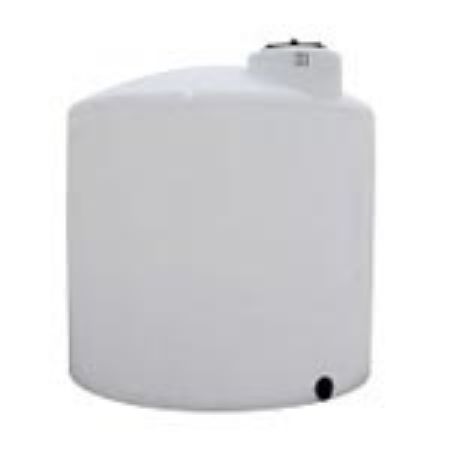 Vertical Closed Top Storage Tanks
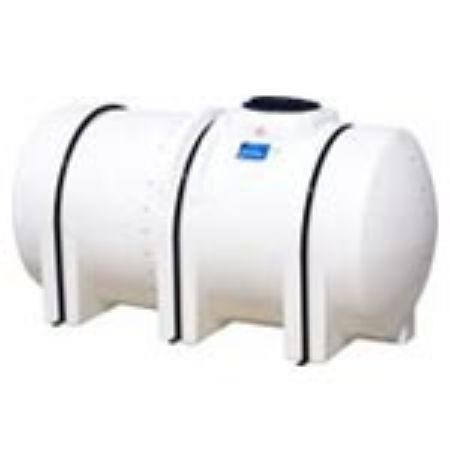 Free Standing Horizontal Tanks
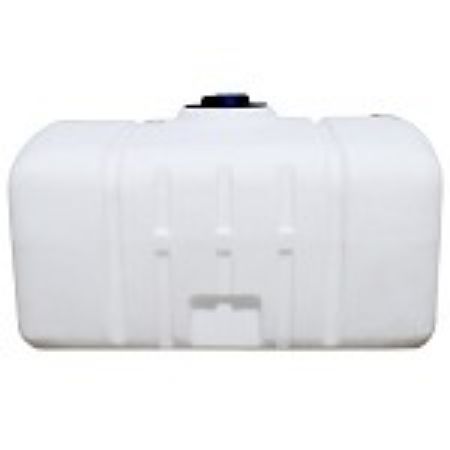 Rectangular Utility Tanks
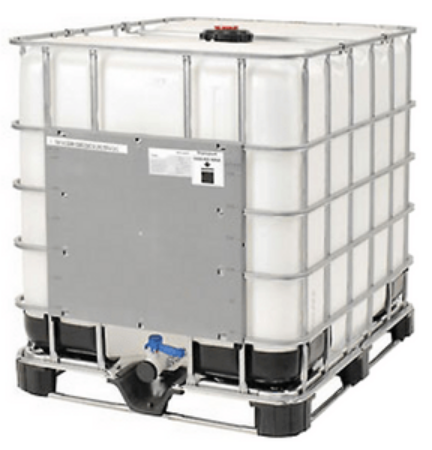 1000 Litre IBC Tanks (Cage Tote)
 Pick up Tanks
 Double Wall Tanks
 Vertical Open Top Storage Tanks
 Plastic Water Stock Tank
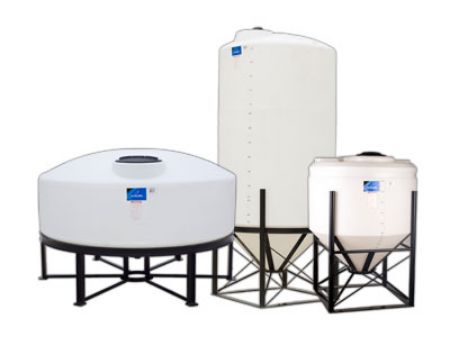 Cone Bottom Tanks - Closed Top Plastic Tanks
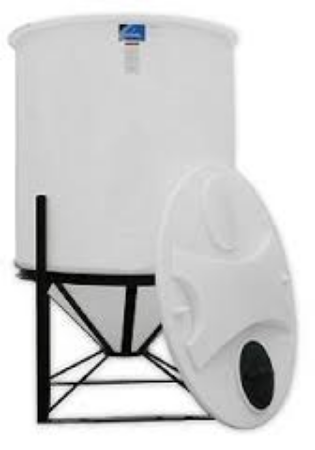 Cone Bottom Tanks - Open Top Plastic Tanks
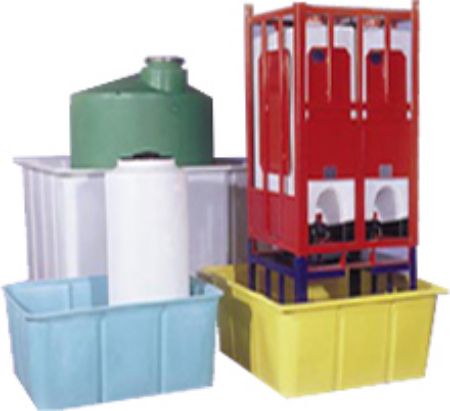 Secondary containment basins
Tank Fittings and Accessories
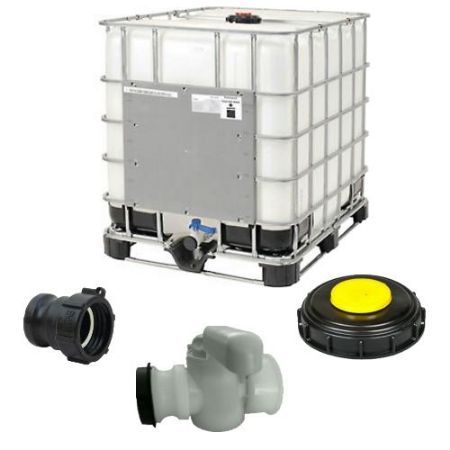 Cage Tank Parts (IBC Tote)
 Polypropylene and PVC Ball Valves
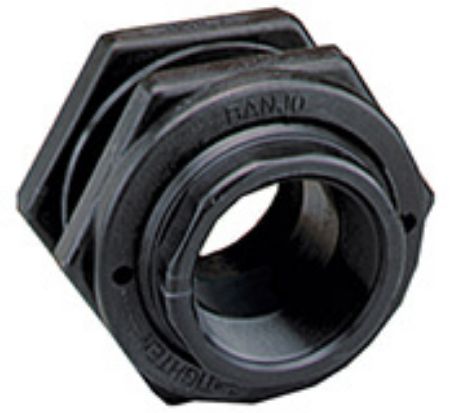 Polypropylene and PVC Tank Fittings
 Camlock Fittings
 Stainless Steel Bolted Fitting
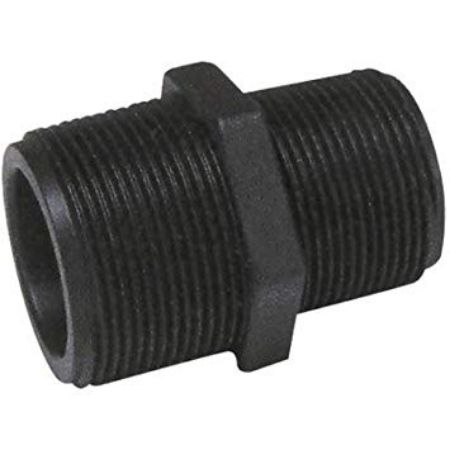 Polypropylene Threaded Reducer Nipples
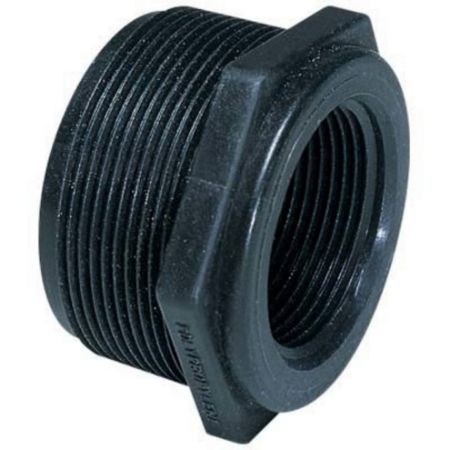 Polypropylene Threaded Reducer Bushings
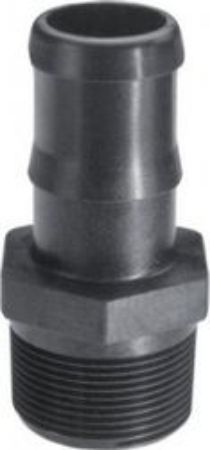 Hose Barb Fitting Adapter
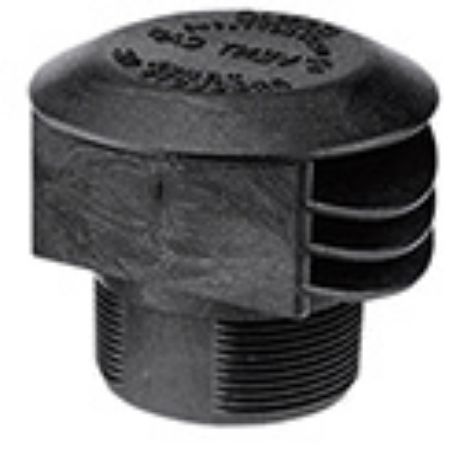 Vent Caps
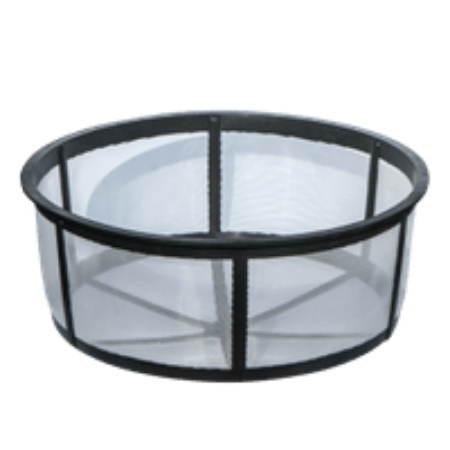 Filter Strainer Baskets
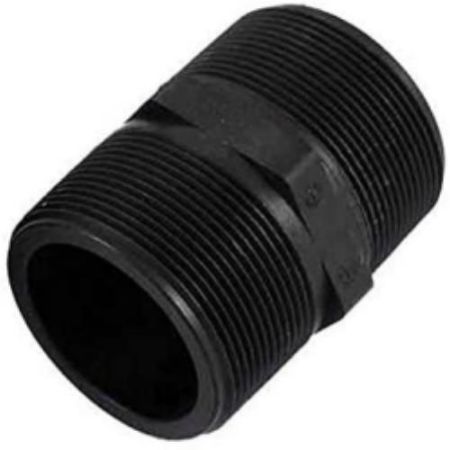 Threaded Pipe Nipples
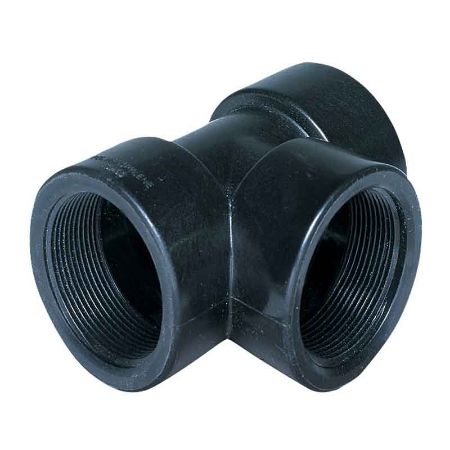 Polypropylene Tee Fitting, NPT Female Thread
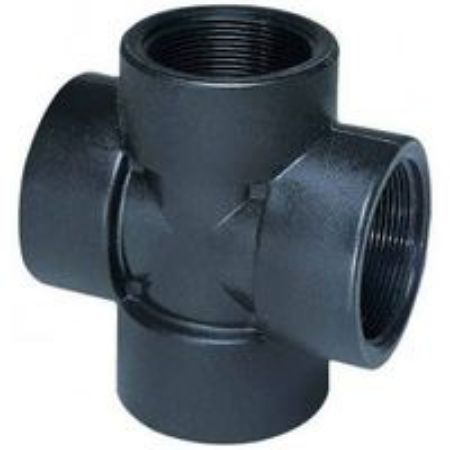 Polypropylene Cross Fitting, NPT Female Thread
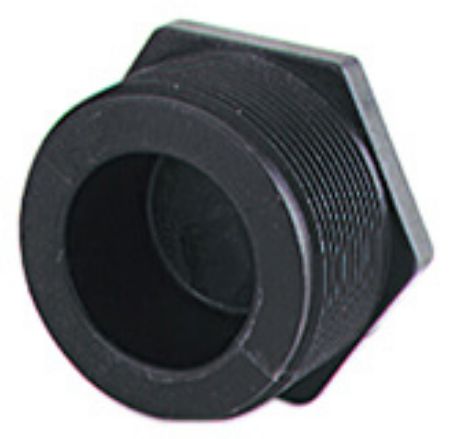 Drain Plugs
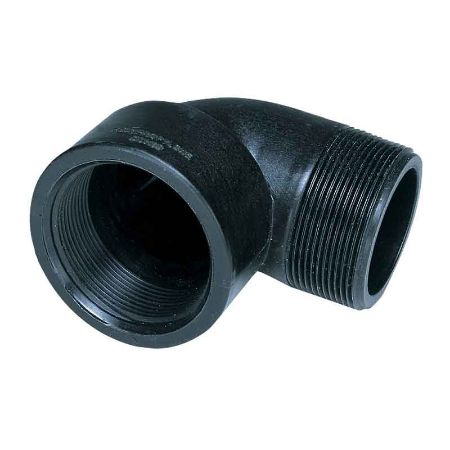 Elbow fittings
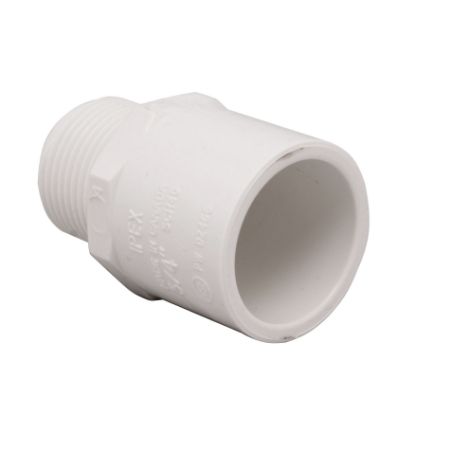 PVC Adapter, NPT Male Thread to Socket End
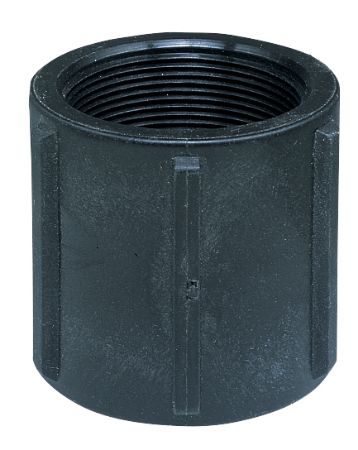 Polypropylene Threaded Pipe Couplings
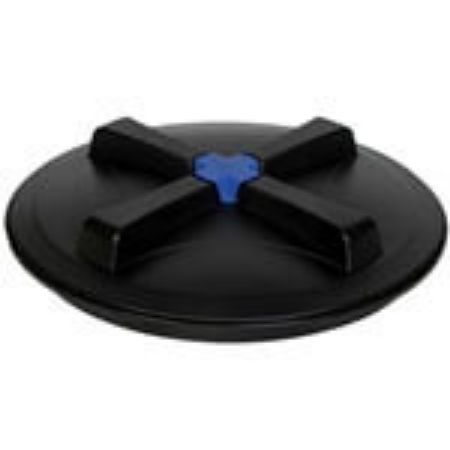 Closed Top Tank Lids
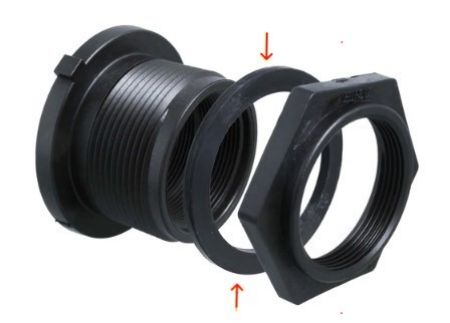 Replacement Gasket for Bulkhead Fitting
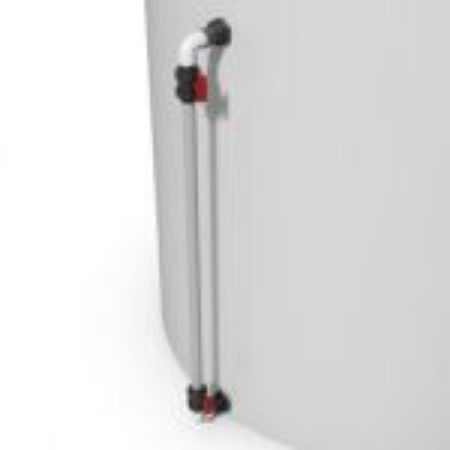 Level Indicator
 Miscellaneous accessories
 Potable Water Hoses
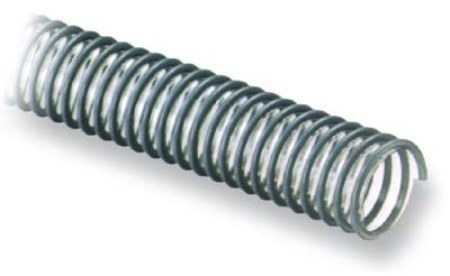 Liquid Suction and Discharge Hoses
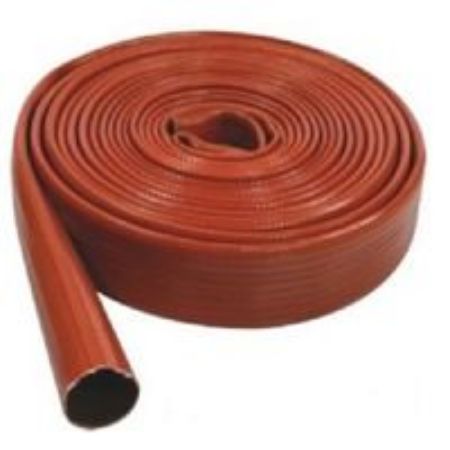 Liquid Discharge Hoses
 Assembled Liquid Discharge Hoses
 Fire Hose
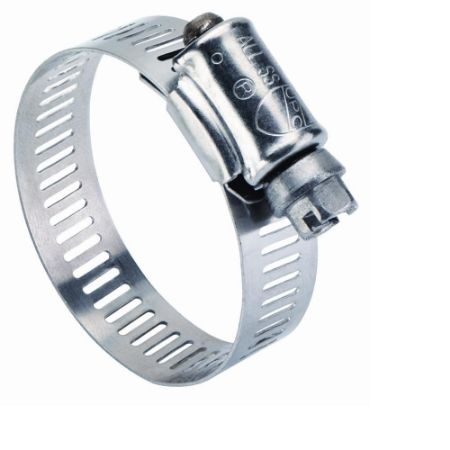 Hose Clamps
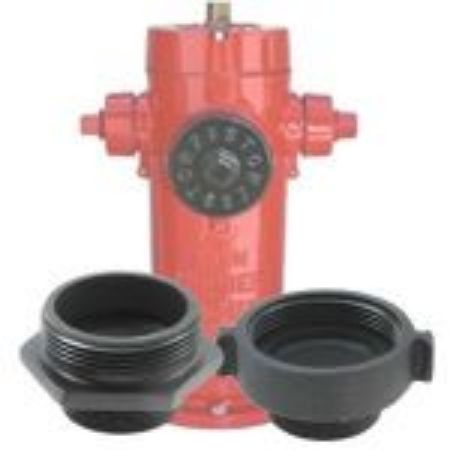 Fire Hydrant Adapters for Quebec
Solid-walled and solid-bottom plastic food containers
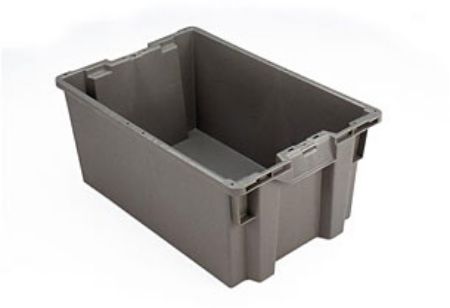 Food Grade Containers, Solid Walls and Bottom
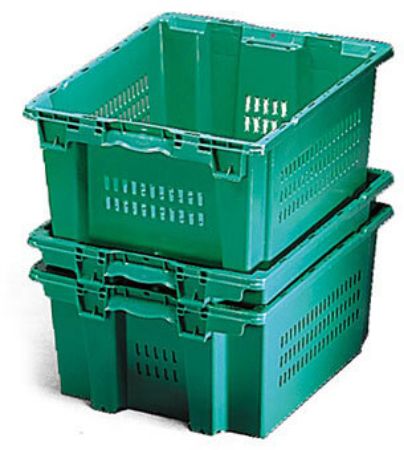 Food Grade Containers. Vented Walls and Bottom
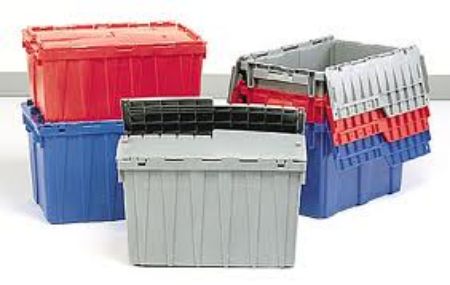 Attached Lids Plastic Containers
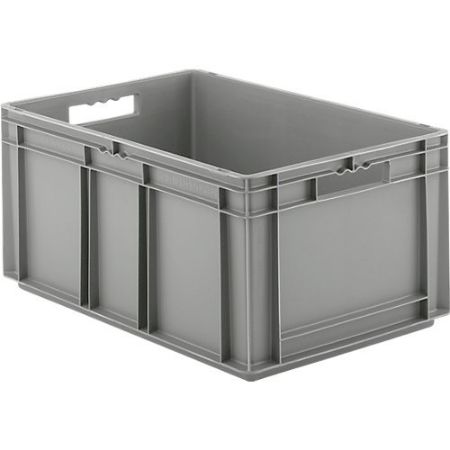 Industrial Plastic Containers, Solid Walls and Botton
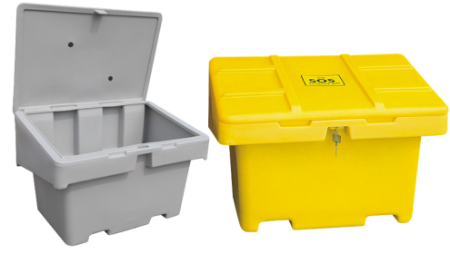 Sand and Salt Plastic Storage Bins
 Containers - Lids and Covers
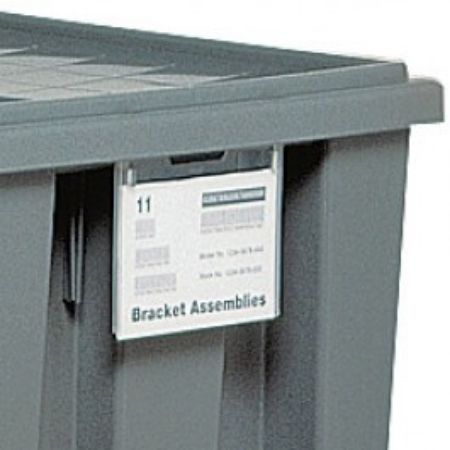 Containers - ID and Hot Stamp
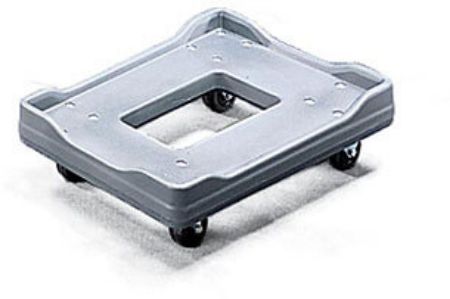 Containers - Dollies
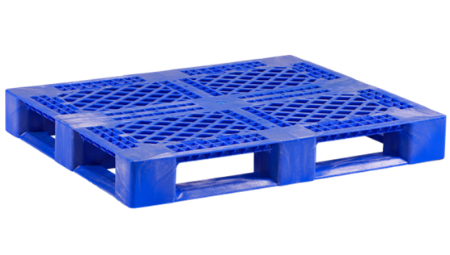 FDA Food Grade Plastic Pallets
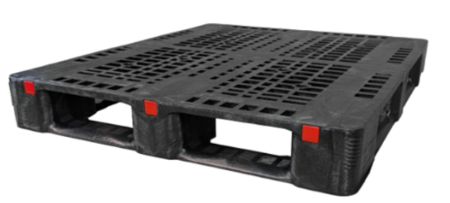 Industrial Plastic Pallets for Warehouse and Racking
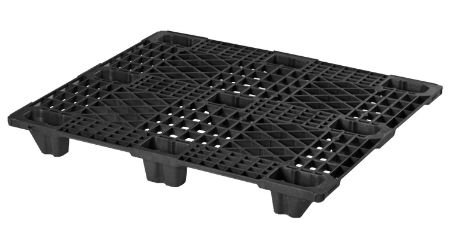 Export Plastic Pallet
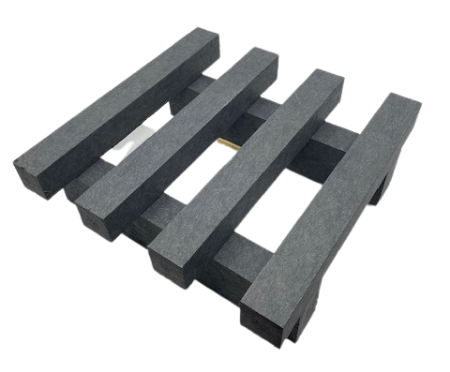 Display Plastic Pallets
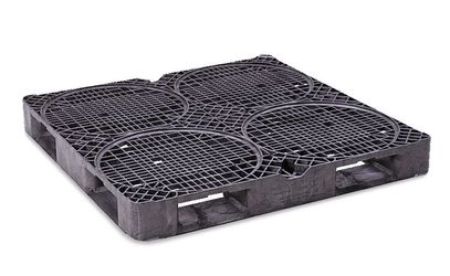 Drum Plastic Pallets
Plastic pallet boxes
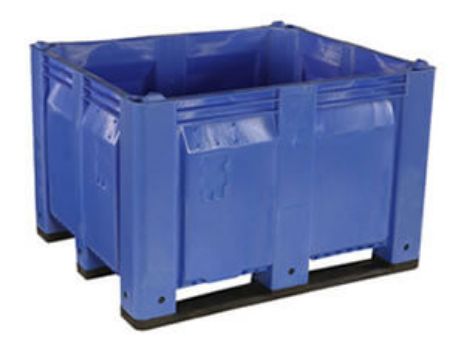 Plastic Pallet Boxes, Solid walls and Bottom
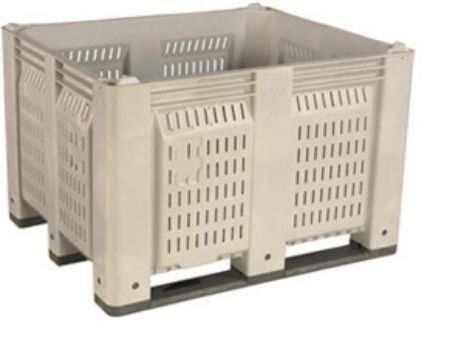 Plastic Pallet Boxes, Vented walls and Bottom
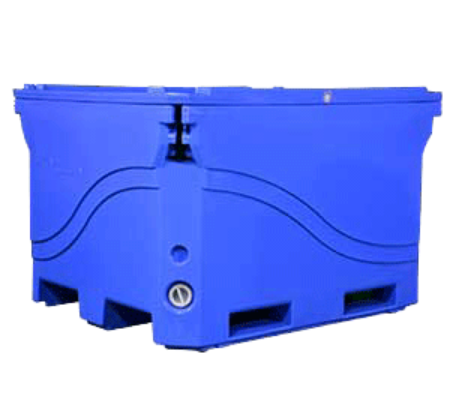 Insulated Plastic Pallet Boxes
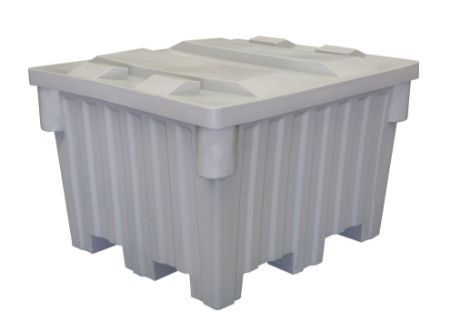 Tapered-wall Pallet Boxes
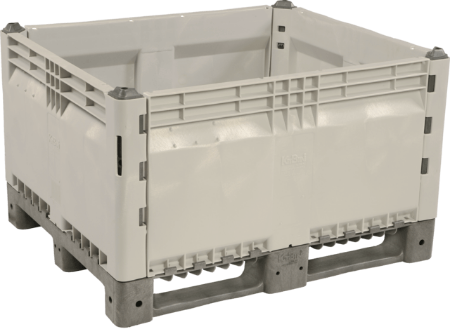 Removable walls Pallet Boxes
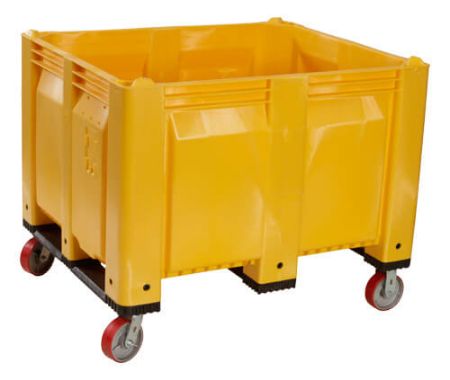 Pallet Boxes on Casters
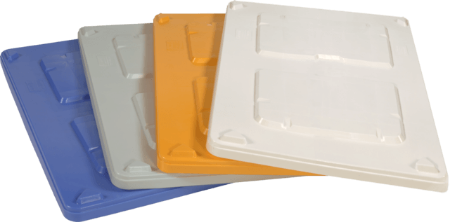 Lids - Pallet Boxes
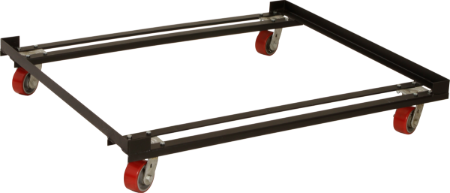 Pallet Boxes Bin Cart
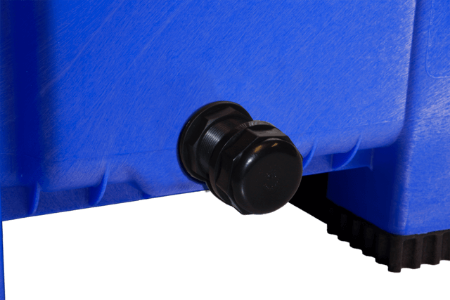 Drain Option for Pallet Boxes
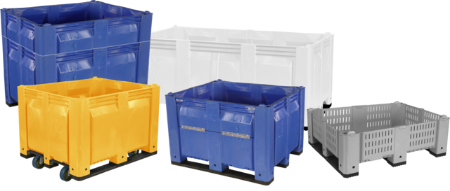 Custom Plastic Pallet Boxes
Utility and service carts
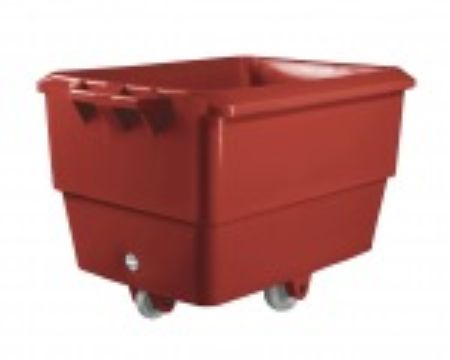 Food Grade Buggies - FDA Carts
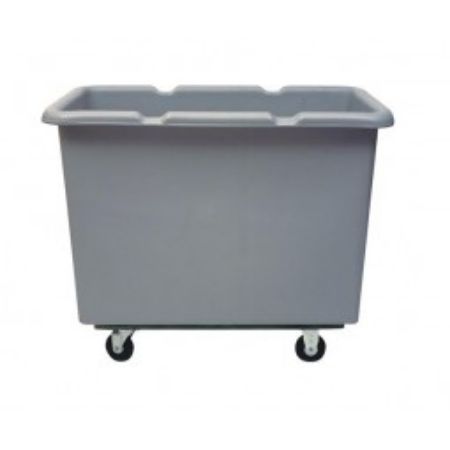 Industrial Poly-Box Trucks
 Carts Options and Accessories
Vent Caps
STOCK / LEAD TIMES
DISPLAYED IN REAL TIME
GET AN ONLINE QUOTE
ONLINE PURCHASE ONLY
SHIPPING COSTS
CALCULATED ONLINE
SAME-DAY PICKUP/ SHIPPING
ORDER BEFORE 11 A.M.


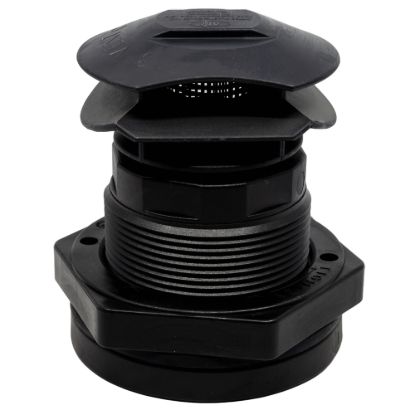
Tank vents: allowing air in and out during filling and draining
A closed plastic tank needs to breathe. When liquid enters the tank, air must be able to escape. When liquid is drained, air must be able to enter to replace the volume of liquid leaving the tank.
A vent provides this air exchange and helps prevent positive or negative pressure from developing inside the tank. Plastic tanks are designed to operate at atmospheric pressure, not as pressure vessels.
Many of our tanks are already equipped with a vented lid. When no vent is provided, or when the application requires different venting, a separate tank vent can be added.
Agrico offers 2" and 3" vents in polypropylene, as well as a carbon steel filter vent depending on the model and application. A bulkhead fitting can also be used by itself when a different vent diameter is required.
A vent becomes particularly important when draining a tank
A common mistake is to think about venting only when filling the tank.
When a valve is opened or a pump removes liquid, the volume leaving the tank must be replaced by air. The greater the rate of discharge, the more important the vent's ability to admit sufficient air becomes.
This is why a vent should not necessarily be selected according to tank capacity alone. How the tank will be filled and emptied also needs to be considered.
A small tank draining slowly by gravity does not operate under the same conditions as a tank connected to a pump or piping system that allows faster liquid transfer.
Vented lid or separate tank vent?
Many closed vertical tanks and closed rectangular tanks are available with a lid that already incorporates a vent. For a simple application, including gravity filling or draining, the existing vent may be suitable.
If the tank does not have a vented lid or the existing ventilation is not suitable for the application, a separate vent can be added.
Installation also requires attention: a separate tank vent should be installed through an appropriate area of the tank wall rather than directly through the lid.
Agrico Plastics offers vent installation on a tank before delivery.
Which tank vent should you consider?
| Situation | Vent to consider | What to check |
|---|---|---|
| Tank ventilation with a 2" connection | 2" polypropylene anti-vortex vent | Available space for installing the bulkhead fitting |
| Reduce contaminants entering through the vent | 2" carbon steel filter vent | Environment and required level of filtration |
| Need a 3" vent connection | 3" polypropylene anti-vortex vent | Installation, available space and actual venting requirements |
| Tank already equipped with a vented lid | Existing lid vent | Filling and draining method and rate |
| Tank without adequate ventilation | Separate tank vent | Installation location and operating conditions |
This table is intended as a guide. Vent diameter should not be selected automatically based only on tank capacity.
Polypropylene anti-vortex vents
Polypropylene anti-vortex vents are available in 2" and 3" sizes. They include their bulkhead fitting for installation directly through the tank wall.
The 2" model has a molded vent mesh that helps keep insects and debris outside while allowing air to circulate. The vent has a male NPT thread and screws into the included female NPT bulkhead fitting.
This type of vent is particularly useful when adding separate ventilation to a tank that does not already have it or when adapting tank ventilation to filling and draining conditions.
Filter vent: when incoming air also needs to be filtered
The 2" filter vent provides a different function. In addition to allowing the air exchange required by the tank, it filters incoming air.
This distinction can be important when the contents of the tank need additional protection from contaminants in the surrounding environment, such as in certain urea applications.
A filter vent should therefore not automatically be selected simply because it appears to be a “higher-grade” option. The correct choice depends on the stored product, the environment and the level of protection required.
Installation is part of the selection
Before adding a vent, look at where it will be installed.
There must be sufficient space on the tank wall to properly install the bulkhead fitting. Tank curvature, existing fittings and accessibility can limit the possible installation locations.
For example, the 2" anti-vortex vent requires drilling for its bulkhead fitting and sufficient flat space for installation. These details should be checked before drilling the tank, not afterward.
When ordering a new tank, Agrico can install the vent before delivery. This allows its location to be determined at the same time as the other tank fittings, valves and accessories.
Frequently asked questions
Do all closed plastic tanks need a vent?
A closed tank must allow air to enter and leave during use. Some models already have a vent incorporated into the lid, so adding a second vent is not automatically necessary.
Can I install a separate vent directly in the tank lid?
For a separate vent added to the tank, installation through an appropriate area of the tank wall is preferred rather than drilling through the lid. Some lids, however, are designed from the outset with an integrated vent.
Is a 2" vent suitable for every tank?
Not necessarily. The choice depends in part on how the tank will be filled and emptied. An installation using a pump or fast transfer may require a different approach than simple gravity drainage. Depending on the application, a smaller or larger vent may be required.
What is the difference between a vent and a filter vent?
Both provide the air exchange required for the tank to operate. A filter vent also filters incoming air when additional protection against contaminants is required.
Not sure which tank vent to use?
Tell us which tank you have, what liquid is being stored and, most importantly, how the tank will be filled and emptied. This information is more useful than tank capacity alone when evaluating ventilation requirements. Our consultation service can help validate the vent, installation location and other accessories required before installation.
Contact us Inventory in REAL TIME !
 Pickup and Shipping the SAME DAY ! (Order placed before 11 a.m.)

Monday - Thursday
Friday
Saturday
Sunday
8 am to 12 pm / 1 pm to 4:30 pm
8 am to 12 pm / 1 pm to 3:45 pm
Closed
Closed




Monday - Thursday
8:00 a.m. to 12:00 p.m.
1:00 p.m. to 4:30 p.m
Friday
8:00 a.m. to 12:00 p.m.
1:00 p.m. to 3:45 p.m.
Saturday
Closed
Sunday
Closed