

Selling only
in Canada
Plastic Storage Tanks
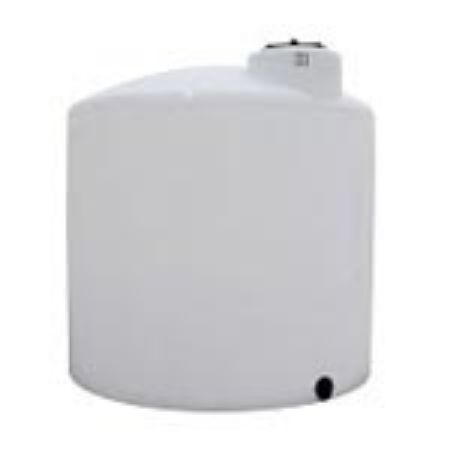 Vertical Closed Top Storage Tanks
 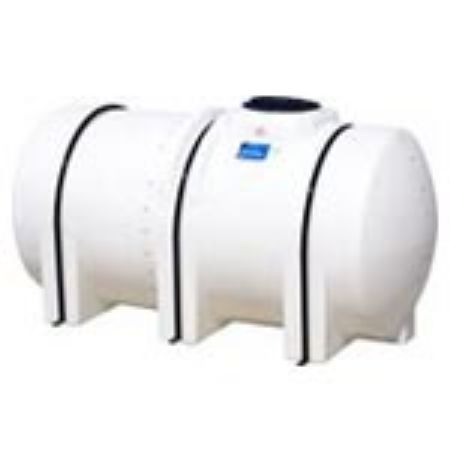 Free Standing Horizontal Tanks
 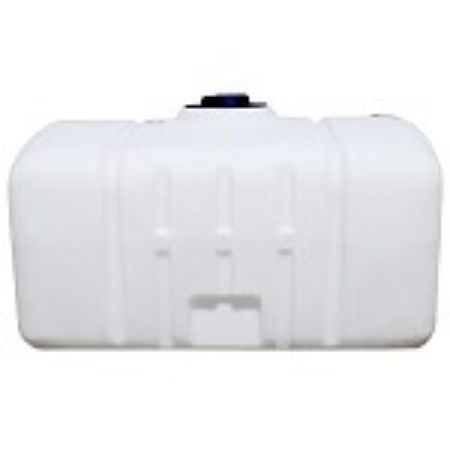 Rectangular Utility Tanks
  1000 Litre IBC Tanks (Cage Tote)
 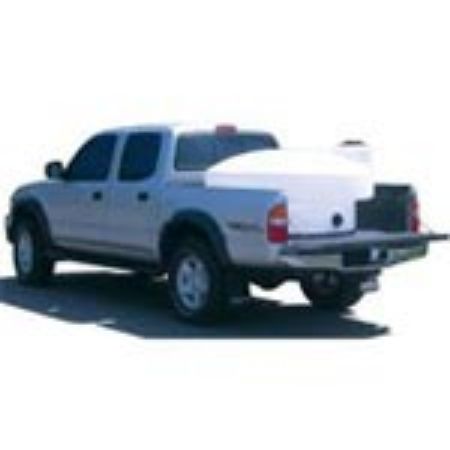 Pick up Tanks
 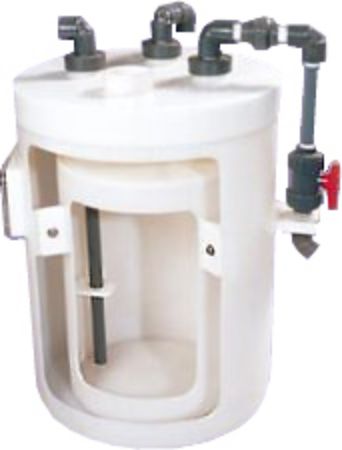 Double Wall Tanks
 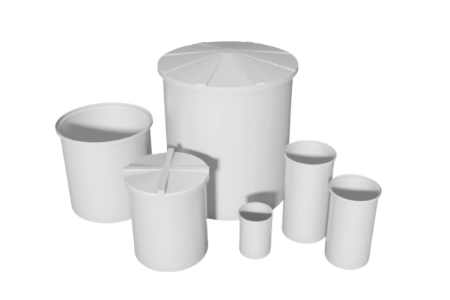 Vertical Open Top Storage Tanks
 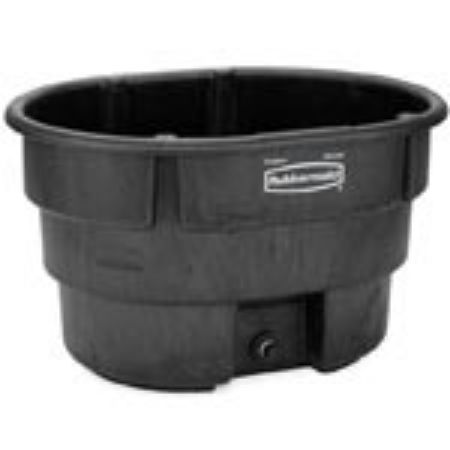 Plastic Water Stock Tank
 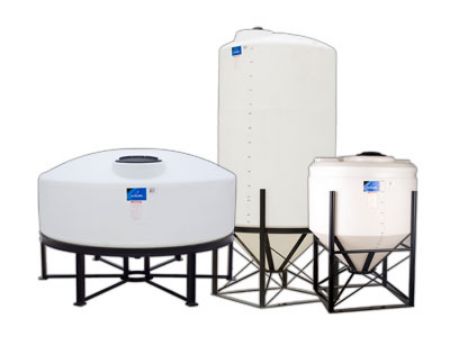 Cone Bottom Tanks - Closed Top Plastic Tanks
 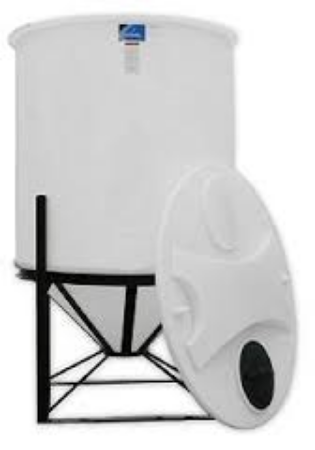 Cone Bottom Tanks - Open Top Plastic Tanks
 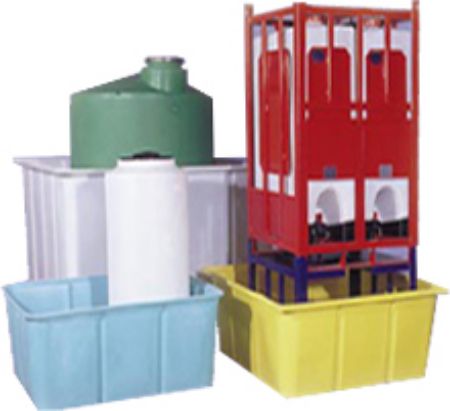 Secondary containment basins
 Tank Fittings and Accessories
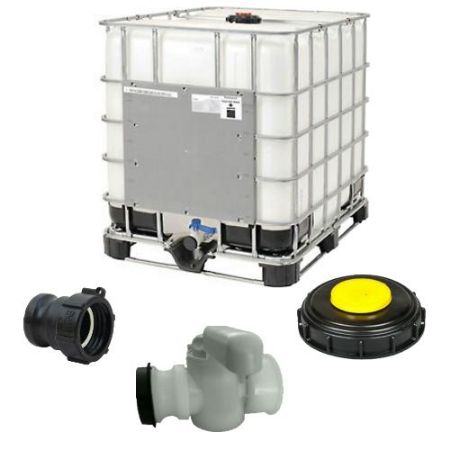 Cage Tank Parts (IBC Tote)
 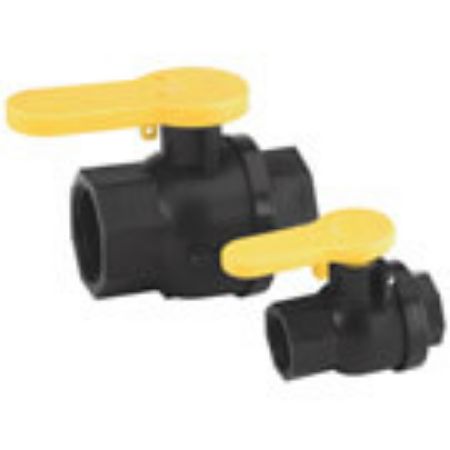 Polypropylene and PVC Ball Valves
 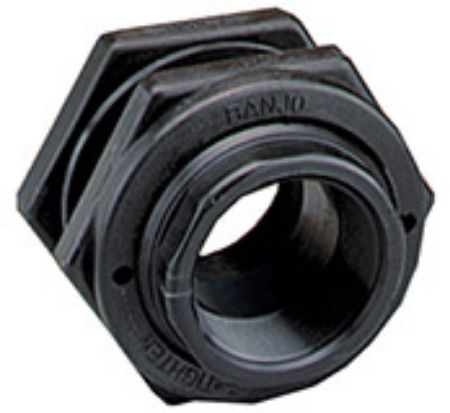 Polypropylene and PVC Tank Fittings
 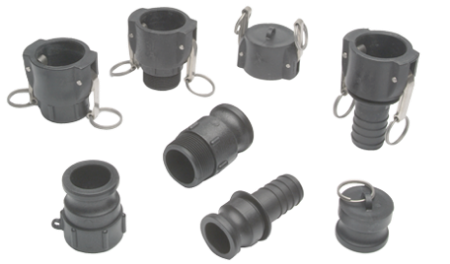 Camlock Fittings
 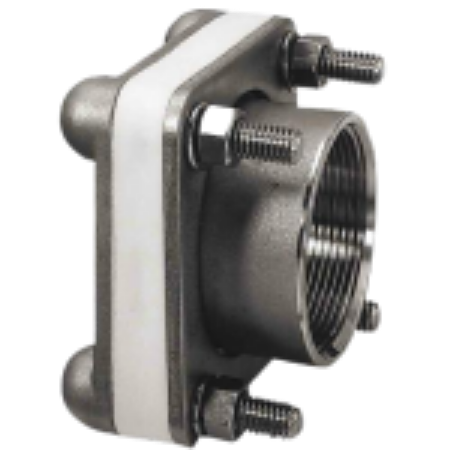 Stainless Steel Bolted Fitting
 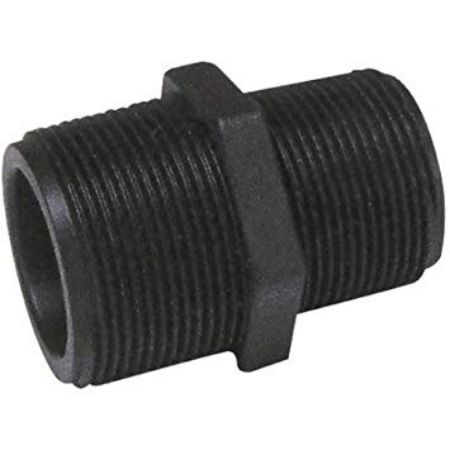 Polypropylene Threaded Reducer Nipples
 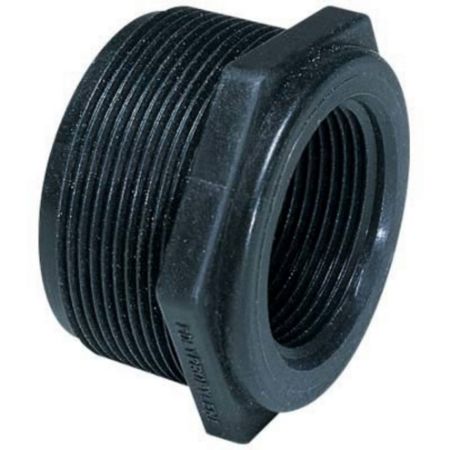 Polypropylene Threaded Reducer Bushings
 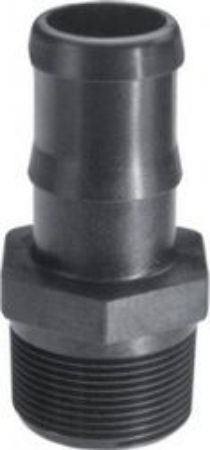 Hose Barb Fitting Adapter
 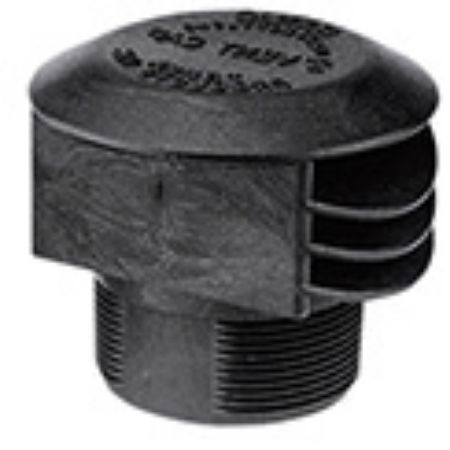 Vent Caps
 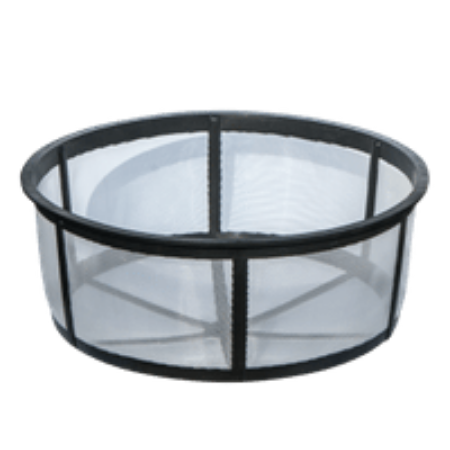 Filter Strainer Baskets
 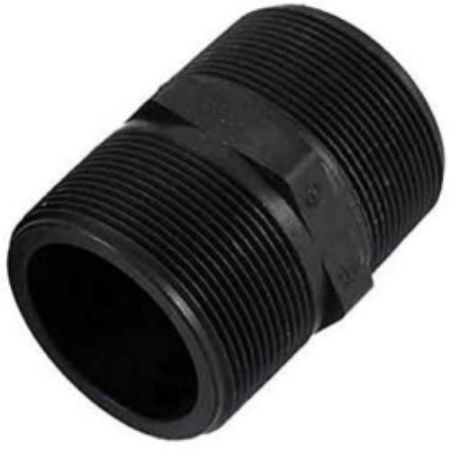 Threaded Pipe Nipples
 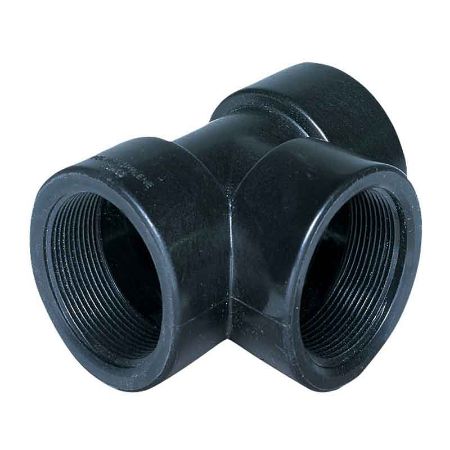 Polypropylene Tee Fitting, NPT Female Thread
 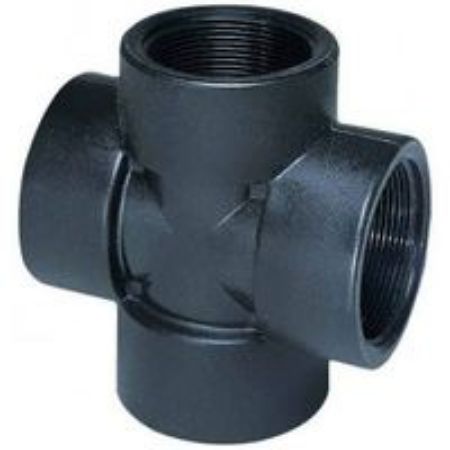 Polypropylene Cross Fitting, NPT Female Thread
 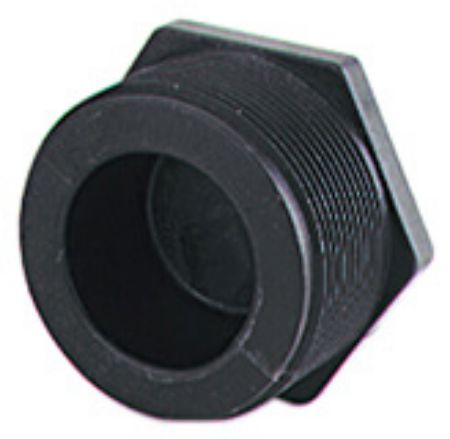 Drain Plugs
 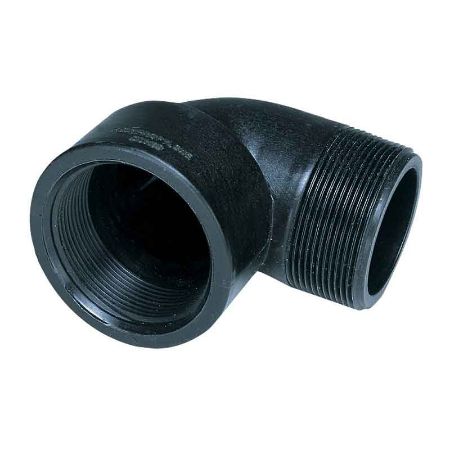 Elbow fittings
 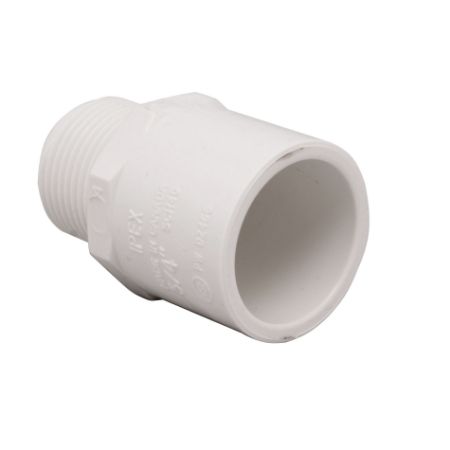 PVC Adapter, NPT Male Thread to Socket End
 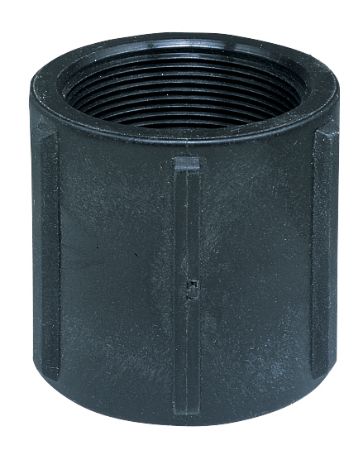 Polypropylene Threaded Pipe Couplings
  Closed Top Tank Lids
 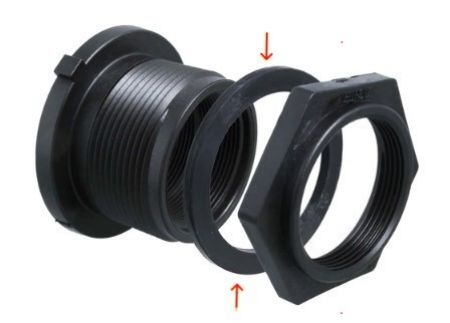 Replacement Gasket for Bulkhead Fitting
 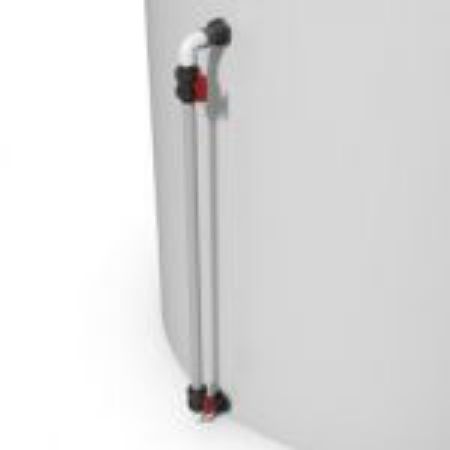 Level Indicator
  Miscellaneous accessories
 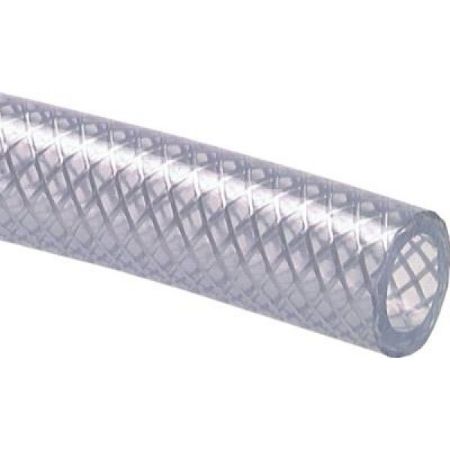 Potable Water Hoses
  Liquid Suction and Discharge Hoses
 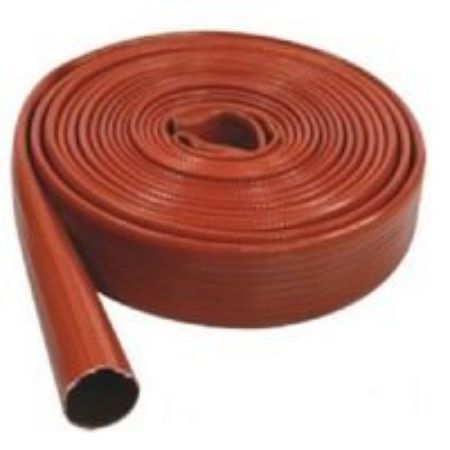 Liquid Discharge Hoses
  Assembled Liquid Discharge Hoses
 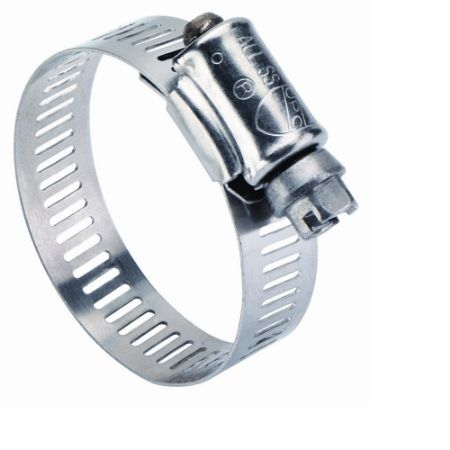 Hose Clamps
  Fire Hose
  Fire Hydrant Adapters for Quebec
 Solid-walled and solid-bottom plastic food containers
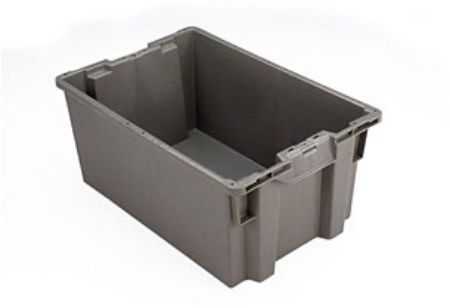 Food Grade Containers, Solid Walls and Bottom
 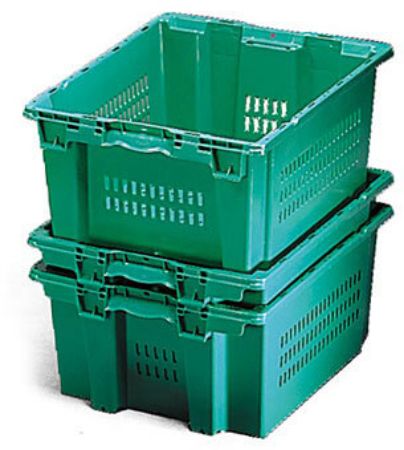 Food Grade Containers. Vented Walls and Bottom
 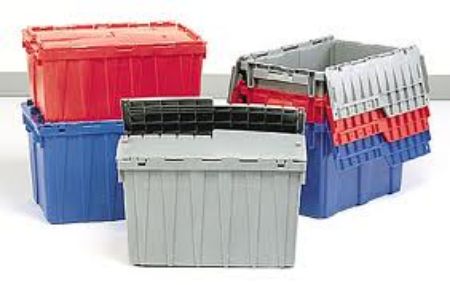 Attached Lids Plastic Containers
 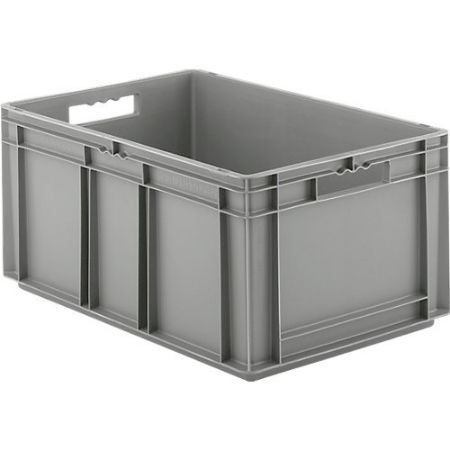 Industrial Plastic Containers, Solid Walls and Botton
 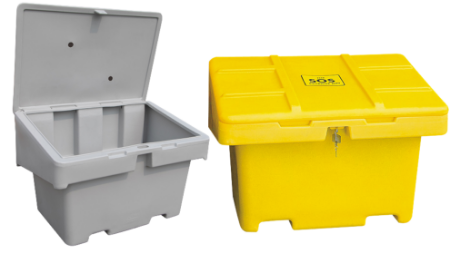 Sand and Salt Plastic Storage Bins
 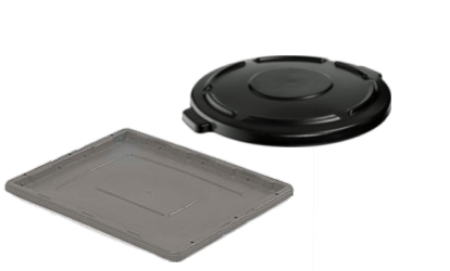 Containers - Lids and Covers
 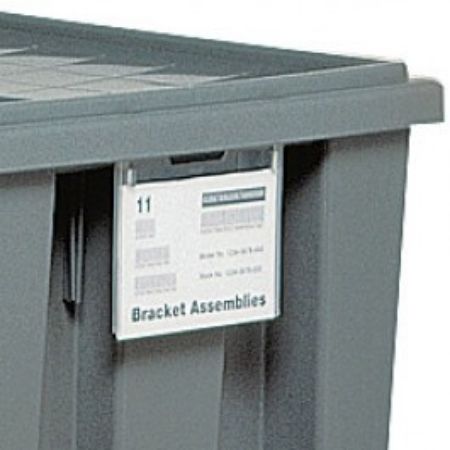 Containers - ID and Hot Stamp
 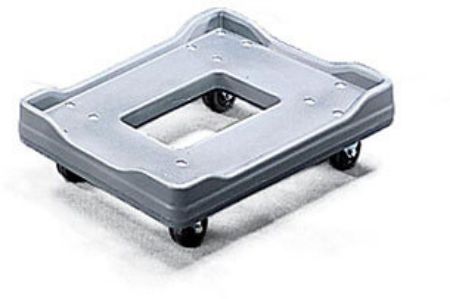 Containers - Dollies
 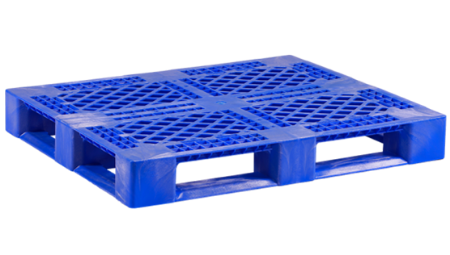 FDA Food Grade Plastic Pallets
 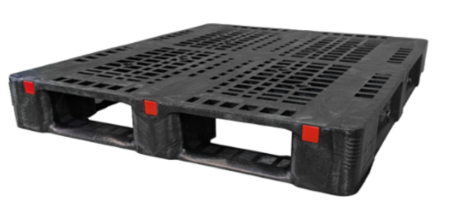 Industrial Plastic Pallets for Warehouse and Racking
 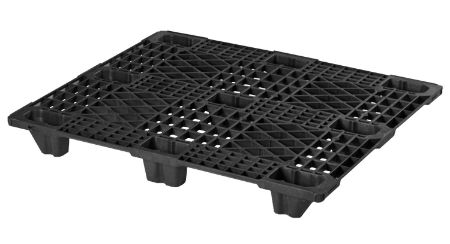 Export Plastic Pallet
 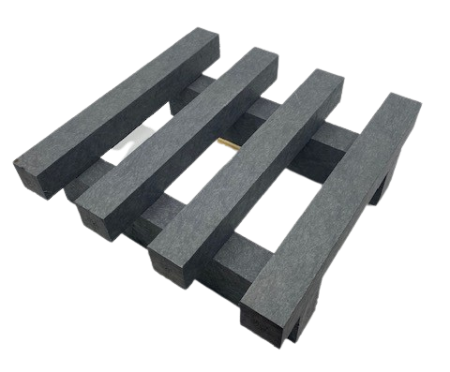 Display Plastic Pallets
 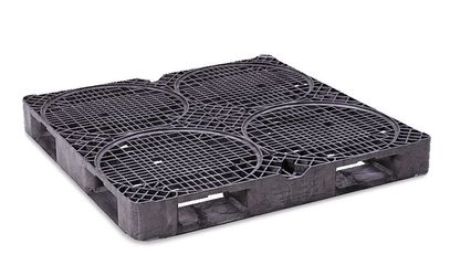 Drum Plastic Pallets
 Plastic pallet boxes
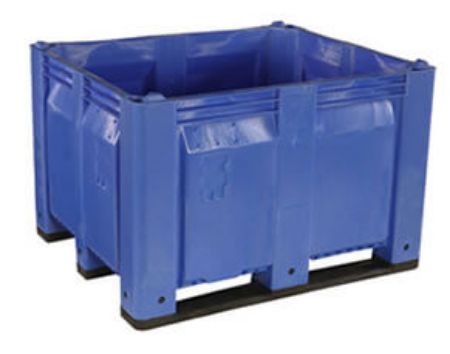 Plastic Pallet Boxes, Solid walls and Bottom
 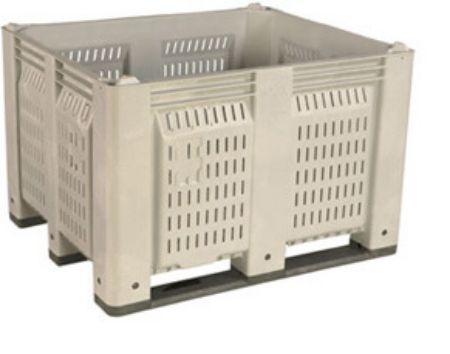 Plastic Pallet Boxes, Vented walls and Bottom
 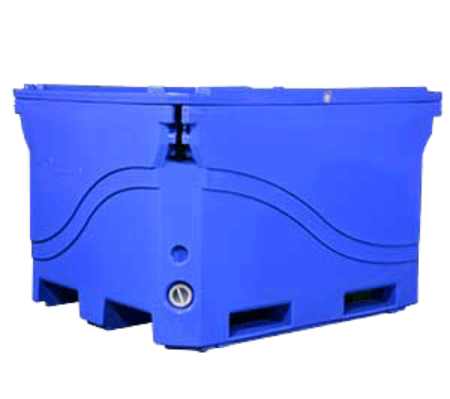 Insulated Plastic Pallet Boxes
 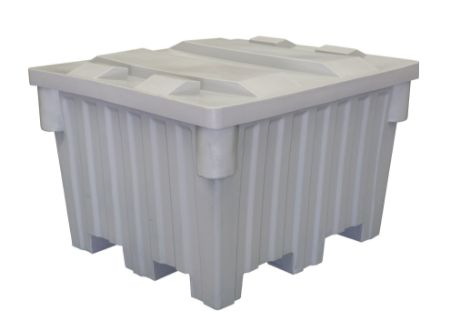 Tapered-wall Pallet Boxes
 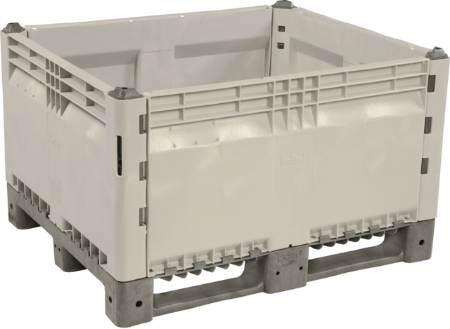 Removable walls Pallet Boxes
 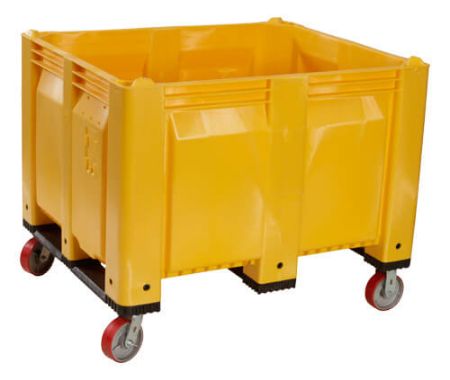 Pallet Boxes on Casters
 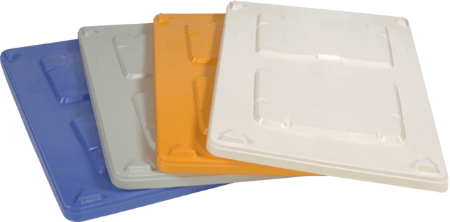 Lids - Pallet Boxes
 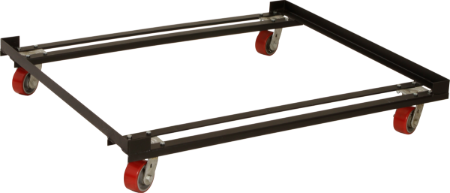 Pallet Boxes Bin Cart
 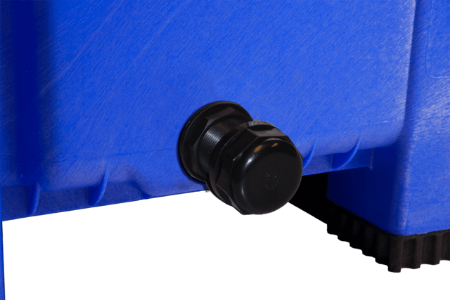 Drain Option for Pallet Boxes
 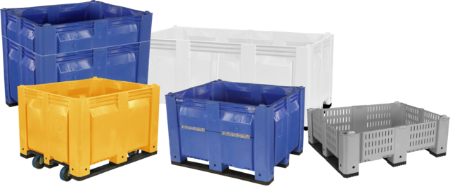 Custom Plastic Pallet Boxes
 Utility and service carts
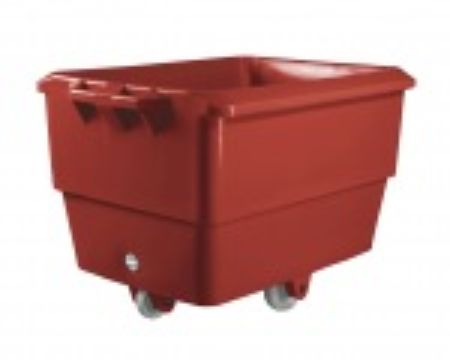 Food Grade Buggies - FDA Carts
 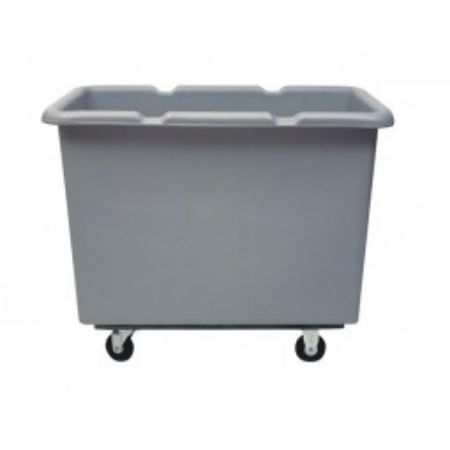 Industrial Poly-Box Trucks
 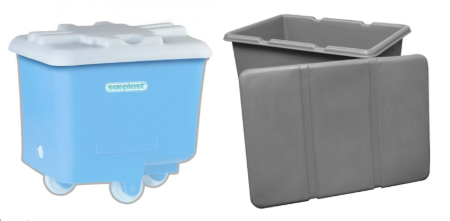 Carts Options and Accessories
 Plastic Pallets
STOCK / LEAD TIMES
DISPLAYED IN REAL TIME
GET AN ONLINE QUOTE
ONLINE PURCHASE ONLY
SHIPPING COSTS
CALCULATED ONLINE
SAME-DAY PICKUP/ SHIPPING
ORDER BEFORE 11 A.M.
Plastic pallets: choose according to the application, not just the dimensions
A plastic pallet should be selected according to what it actually needs to do: support a load on the floor, be lifted on forklift forks, be used in pallet racking, circulate in a food-processing plant, optimize empty returns or be used for one-way shipping.
Two pallets with the same dimensions can therefore be designed for very different applications. Base construction, material, deck surface, load capacity and the material handling equipment being used are often just as important as the dimensions.
Agrico Plastics offers plastic pallets for food processing, warehouses, industrial material handling, racking, export, displays and drum handling.
Which plastic pallet should you choose?
The first criterion is the application. The following table can help you quickly identify the type of pallet that best matches your needs.
| Your application | Type of pallet to consider |
|---|---|
| Food processing, frequent washing or environments where hygiene is important | Food-grade plastic pallets |
| Warehouses, repeated handling, industrial loads or pallet-rack applications | Industrial plastic pallets |
| One-way shipments where the pallet will not be returned | Plastic pallets for export |
| Displays, deliveries or applications requiring a smaller pallet format | Plastic display pallets |
| Handling four 55 US gallon drums | Plastic drum pallets |
A food-grade pallet is not automatically a rackable pallet. A heavy-duty industrial pallet is not necessarily designed to be supported only by pallet-rack beams. Likewise, a lightweight export pallet serves a different purpose from a pallet designed for repeated daily use in a warehouse.
A good starting point: first define how the pallet will actually be used, then compare the dimensions, construction and load capacities of the models designed for that application.
What to check before buying a plastic pallet
Floor, fork and rack load capacities
Load capacities are not interchangeable. Floor capacity applies when the pallet base is supported by a flat surface. Fork capacity applies when the pallet is lifted by a forklift. Rack capacity applies under a different condition where the pallet may be supported only at specific points.
You should therefore compare the capacity that corresponds to your actual application and follow the conditions specified for each model, including load distribution and pallet-rack configuration when applicable.
Forklift, pallet jack and conveyor compatibility
A pallet that can be handled by a forklift is not automatically compatible with every pallet jack or conveyor. Entry height, base configuration, runners and access points should be checked against the equipment used in your facility.
Solid or vented deck
A vented deck facilitates drainage and air circulation. A solid deck may be preferable when smaller items need full support or when you want to prevent products from passing through the pallet. In some food-processing applications, a smooth solid deck can also simplify certain cleaning operations.
Nestable, stackable or rackable: what's the difference?
A nestable pallet is designed so that empty pallets can fit inside one another. This configuration reduces the space required for empty pallet storage and return transportation.
A stackable pallet has a base that allows pallets to be stacked on top of one another without nesting. This construction is commonly used for material handling and storage.
A rackable pallet is designed and evaluated for specific pallet-rack configurations. The presence of runners alone does not mean that a pallet can safely be used in racking. The model's published rack capacity and the actual rack configuration must be verified.
For more information about pallet terminology, base configurations and load capacities, see our plastic pallet FAQ.
Plastic pallets for different industries
The criteria used to select a pallet change according to the environment in which it will be used.
In a food-processing plant, considerations may include washing, moisture, cold temperatures, movement between different production areas, the products being handled and the facility's sanitation requirements. See our solutions for the food-processing industry to learn how plastic pallets can be integrated with other material handling equipment used in these environments.
In a warehouse or distribution centre, priorities are different: load capacity, compatibility with material handling equipment, stability, empty storage space, handling frequency and possible use in pallet racking become important selection criteria. See our material handling and storage solutions for warehouses.
Frequently asked questions about choosing a plastic pallet
What size plastic pallet should I choose?
40" x 48" and 48" x 48" formats are available in several of our product lines, but dimensions alone are not enough to determine the right model. Load requirements, base configuration, material handling equipment and storage method must also be considered.
Can a plastic pallet be used in pallet racking?
Only when a rack capacity is specified for the model and the conditions of use correspond to your installation. Floor or fork capacity should never be used as a rack capacity.
Which plastic pallet should I choose for a food-processing plant?
The choice depends on factors such as the area of use, type of product, cleaning requirements, temperature, load and storage method. Select a model whose characteristics correspond to the actual application.
Is a recycled plastic pallet automatically food-grade?
No. Some industrial models are made from recycled plastic, while pallets intended for food applications use materials and configurations specific to those applications. The appropriate version should be confirmed according to the intended use.
Not sure which plastic pallet to choose?
Do not choose based only on dimensions or the highest listed load capacity. First verify the actual load, how it will be distributed, your material handling equipment, floor or rack storage, temperature conditions and, when applicable, cleaning requirements.
Agrico Plastics can help you compare pallet models according to your application before purchasing.
 Inventory in REAL TIME !
  Pickup and Shipping the SAME DAY ! (Order placed before 11 a.m.)

Monday - Thursday
Friday
Saturday
Sunday
8 am to 12 pm / 1 pm to 4:30 pm
8 am to 12 pm / 1 pm to 3:45 pm
Closed
Closed




Monday - Thursday
8:00 a.m. to 12:00 p.m.
1:00 p.m. to 4:30 p.m
Friday
8:00 a.m. to 12:00 p.m.
1:00 p.m. to 3:45 p.m.
Saturday
Closed
Sunday
Closed