

Selling only
in Canada
Plastic Storage Tanks
Tank Fittings and Accessories
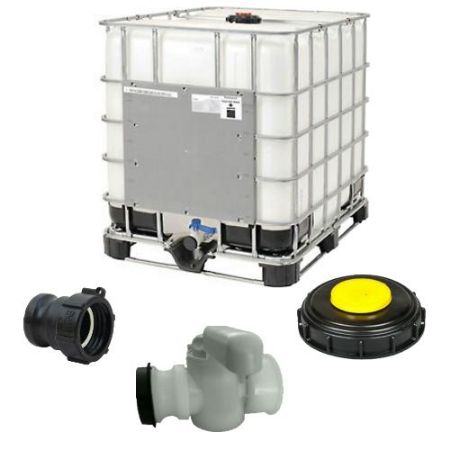 Cage Tank Parts (IBC Tote)
 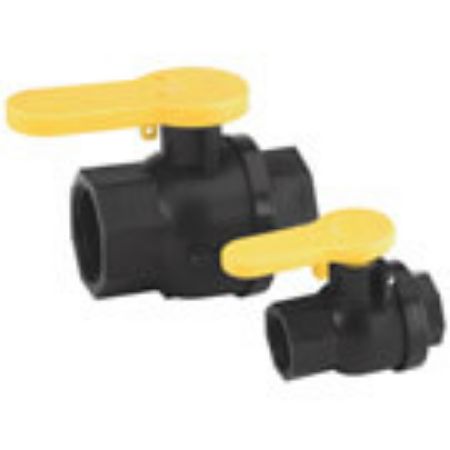 Polypropylene and PVC Ball Valves
 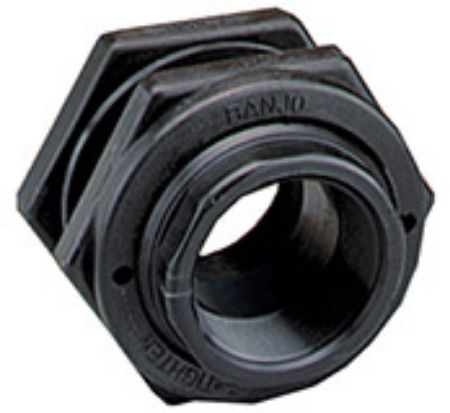 Polypropylene and PVC Tank Fittings
 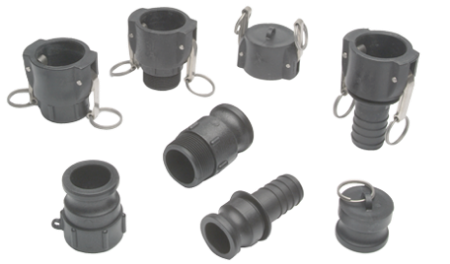 Camlock Fittings
 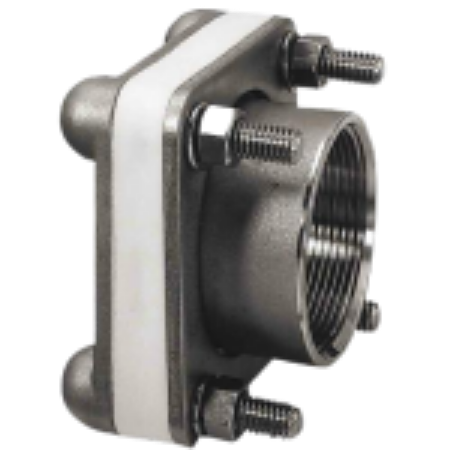 Stainless Steel Bolted Fitting
 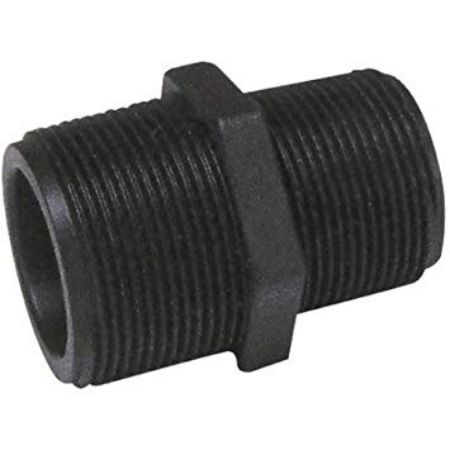 Polypropylene Threaded Reducer Nipples
 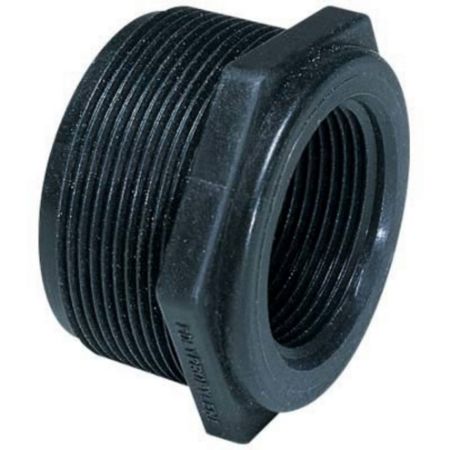 Polypropylene Threaded Reducer Bushings
 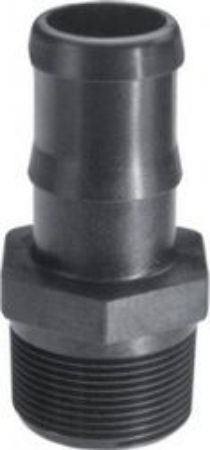 Hose Barb Fitting Adapter
 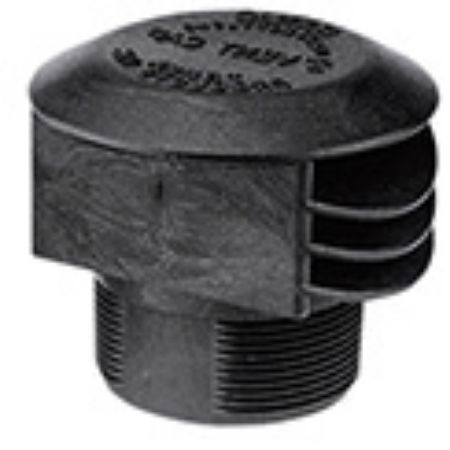 Vent Caps
 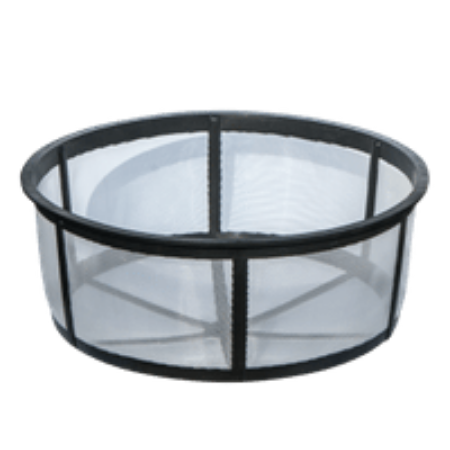 Filter Strainer Baskets
 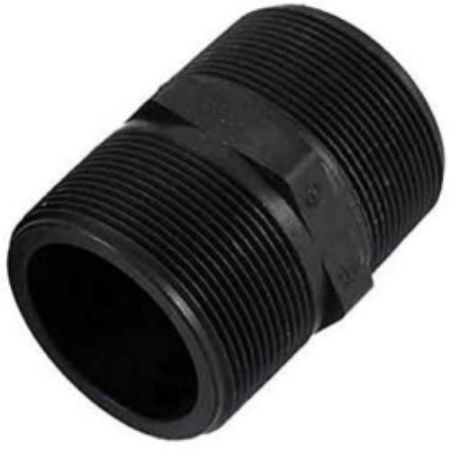 Threaded Pipe Nipples
 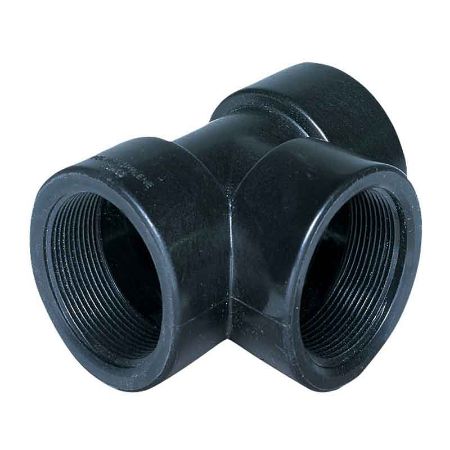 Polypropylene Tee Fitting, NPT Female Thread
 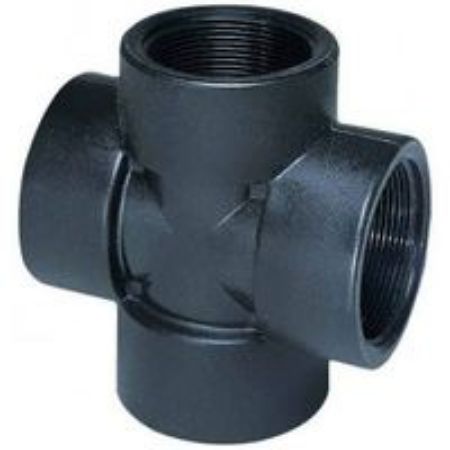 Polypropylene Cross Fitting, NPT Female Thread
 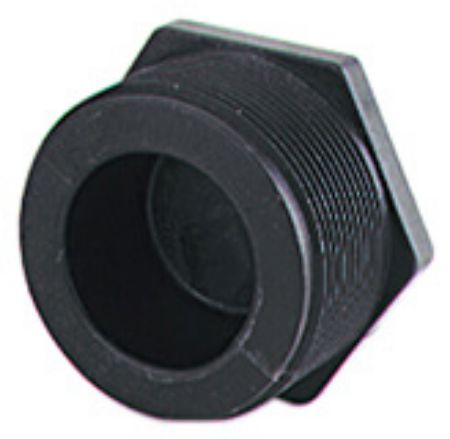 Drain Plugs
 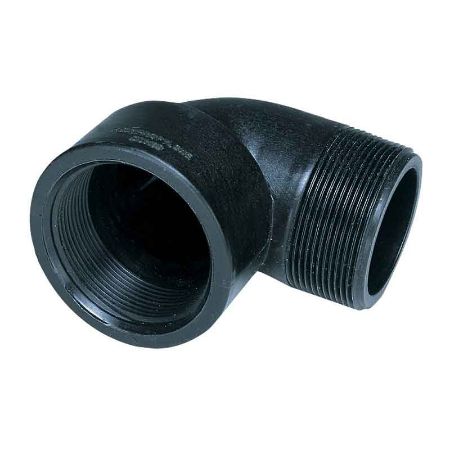 Elbow fittings
 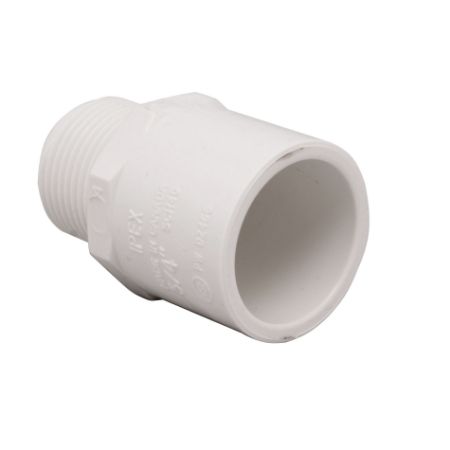 PVC Adapter, NPT Male Thread to Socket End
 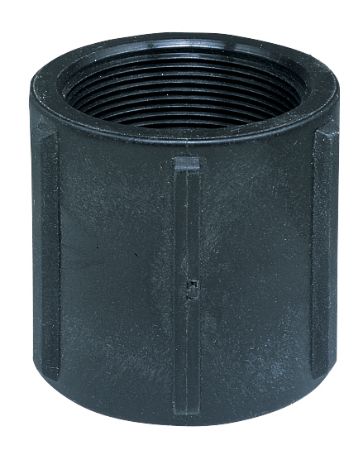 Polypropylene Threaded Pipe Couplings
 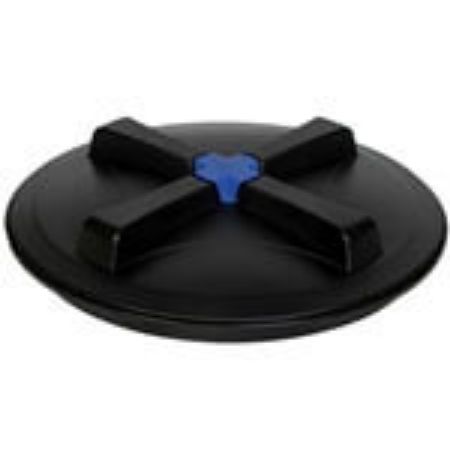 Closed Top Tank Lids
 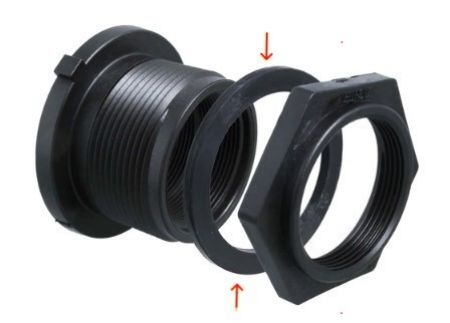 Replacement Gasket for Bulkhead Fitting
 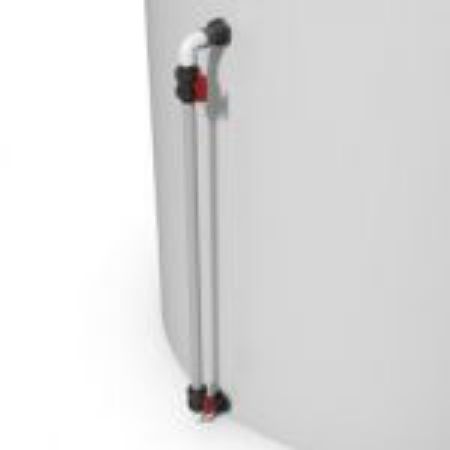 Level Indicator
  Miscellaneous accessories
 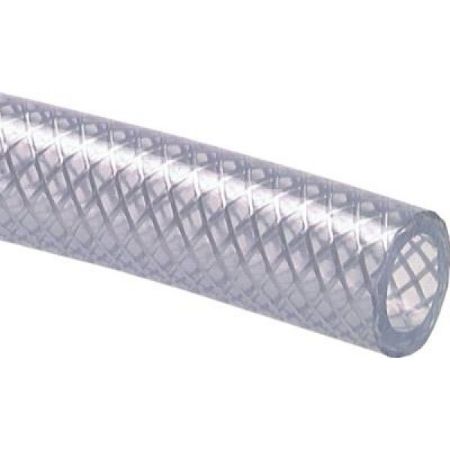 Potable Water Hoses
 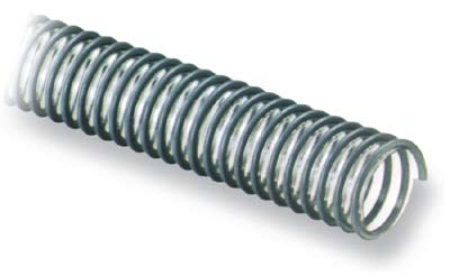 Liquid Suction and Discharge Hoses
 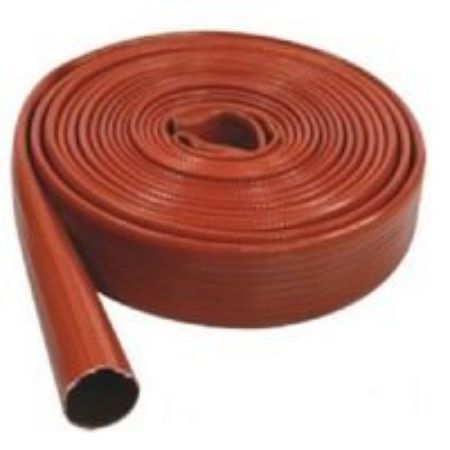 Liquid Discharge Hoses
  Assembled Liquid Discharge Hoses
  Fire Hose
 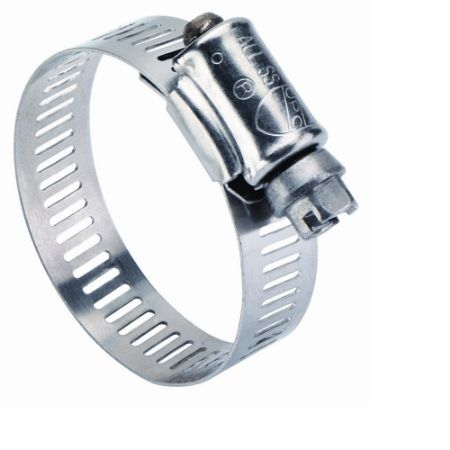 Hose Clamps
 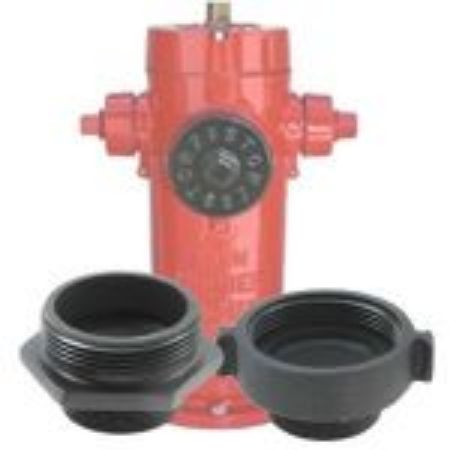 Fire Hydrant Adapters for Quebec
 Solid-walled and solid-bottom plastic food containers
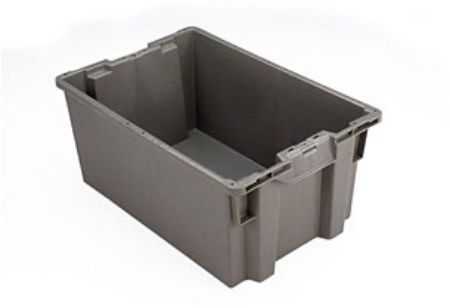 Food Grade Containers, Solid Walls and Bottom
 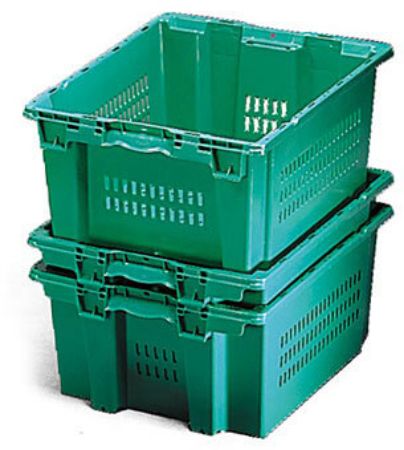 Food Grade Containers. Vented Walls and Bottom
 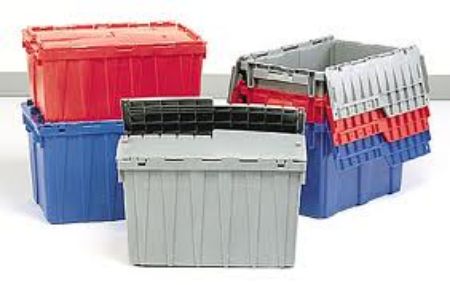 Attached Lids Plastic Containers
 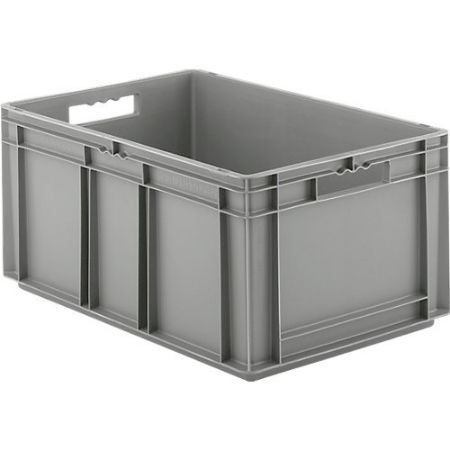 Industrial Plastic Containers, Solid Walls and Botton
 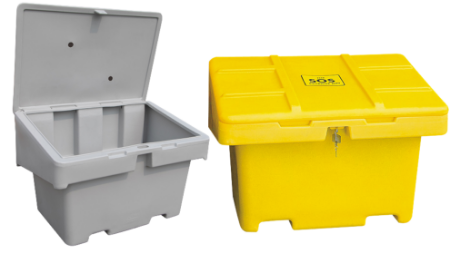 Sand and Salt Plastic Storage Bins
 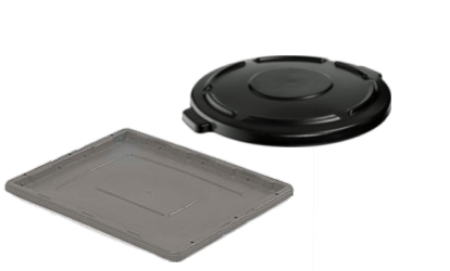 Containers - Lids and Covers
 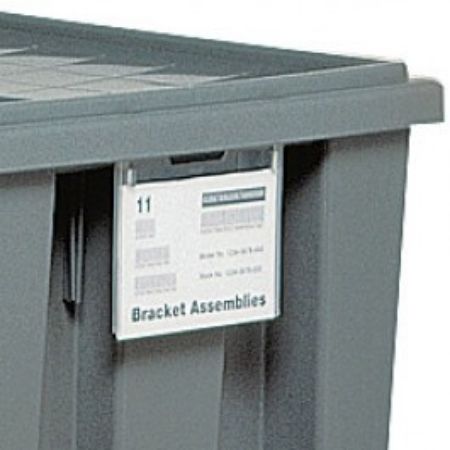 Containers - ID and Hot Stamp
 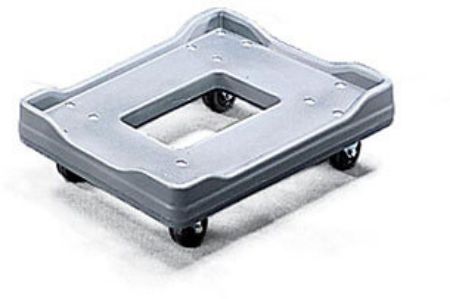 Containers - Dollies
 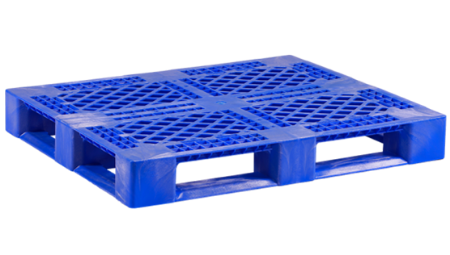 FDA Food Grade Plastic Pallets
 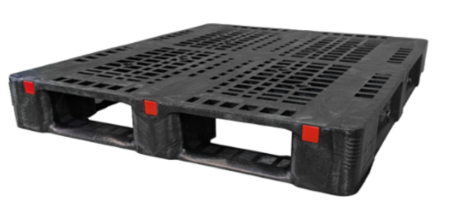 Industrial Plastic Pallets for Warehouse and Racking
 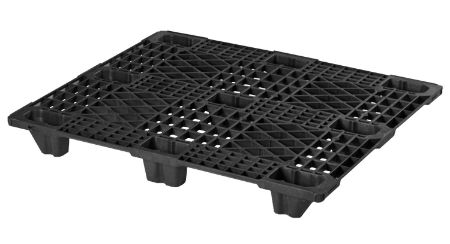 Export Plastic Pallet
 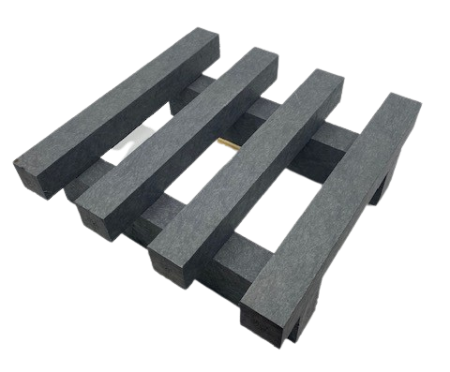 Display Plastic Pallets
 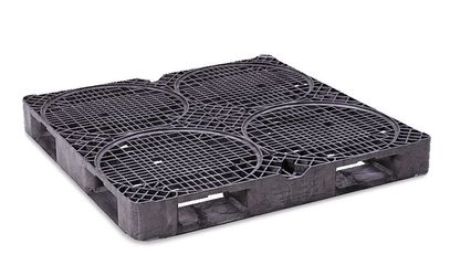 Drum Plastic Pallets
 Plastic pallet boxes
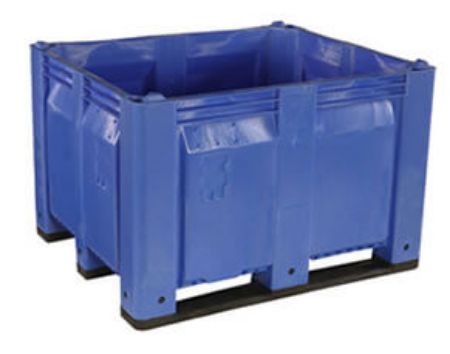 Plastic Pallet Boxes, Solid walls and Bottom
 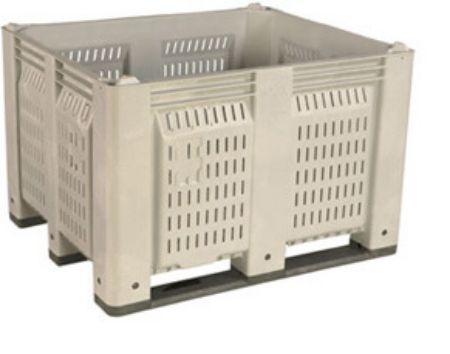 Plastic Pallet Boxes, Vented walls and Bottom
 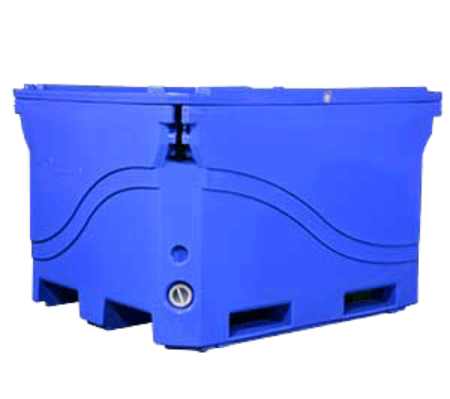 Insulated Plastic Pallet Boxes
 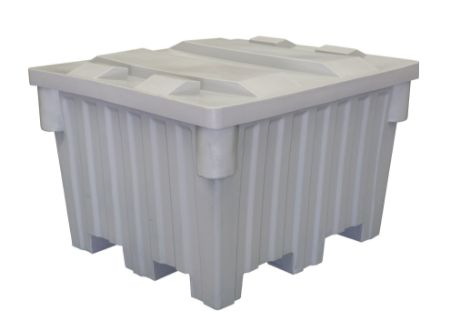 Tapered-wall Pallet Boxes
 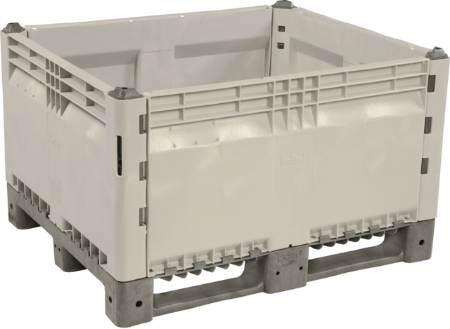 Removable walls Pallet Boxes
 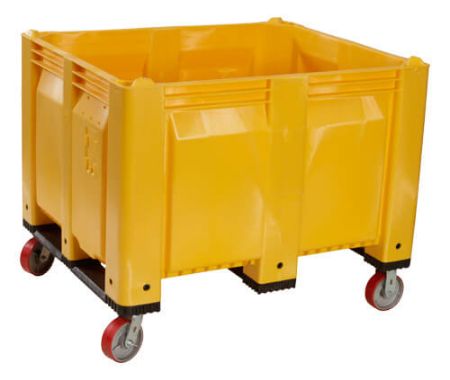 Pallet Boxes on Casters
 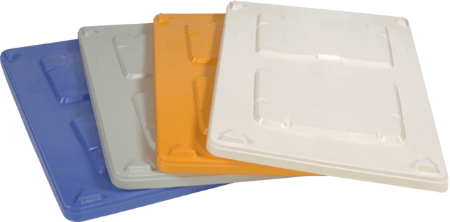 Lids - Pallet Boxes
 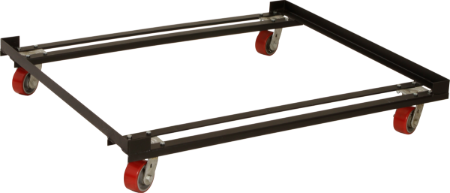 Pallet Boxes Bin Cart
 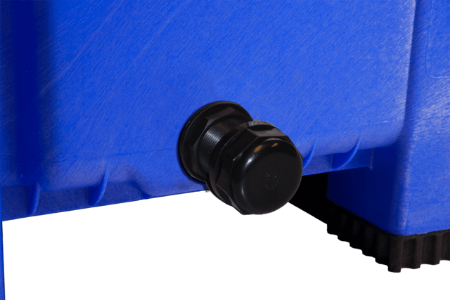 Drain Option for Pallet Boxes
 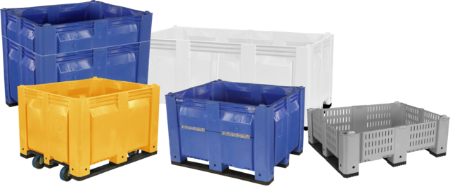 Custom Plastic Pallet Boxes
 Utility and service carts
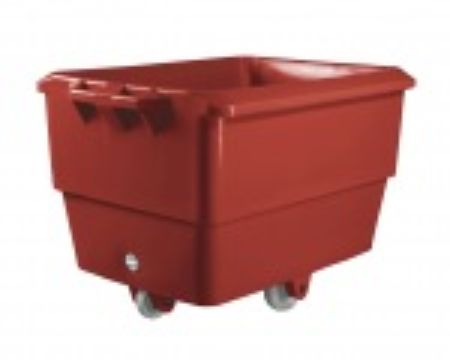 Food Grade Buggies - FDA Carts
 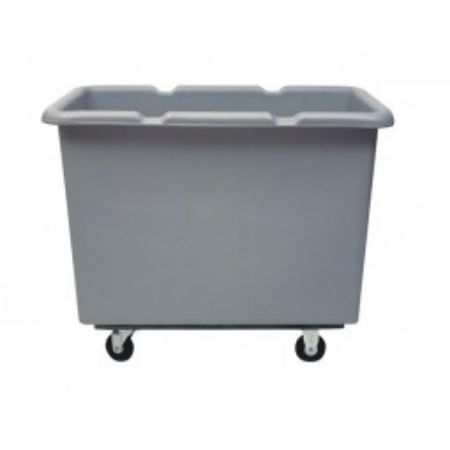 Industrial Poly-Box Trucks
 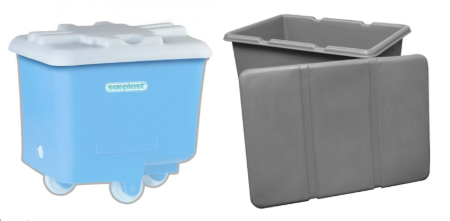 Carts Options and Accessories
 Plastic Storage Tanks
STOCK / LEAD TIMES
DISPLAYED IN REAL TIME
GET AN ONLINE QUOTE
ONLINE PURCHASE ONLY
SHIPPING COSTS
CALCULATED ONLINE
SAME-DAY PICKUP/ SHIPPING
ORDER BEFORE 11 A.M.
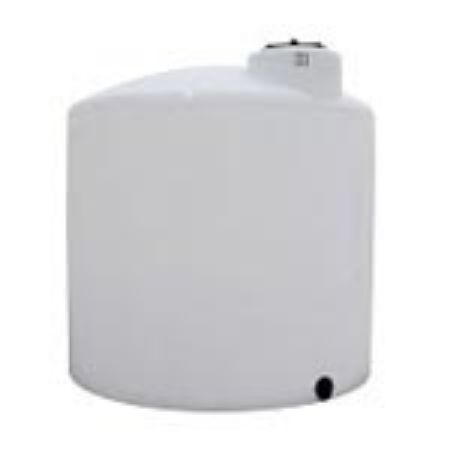
Vertical Closed Top Storage Tanks
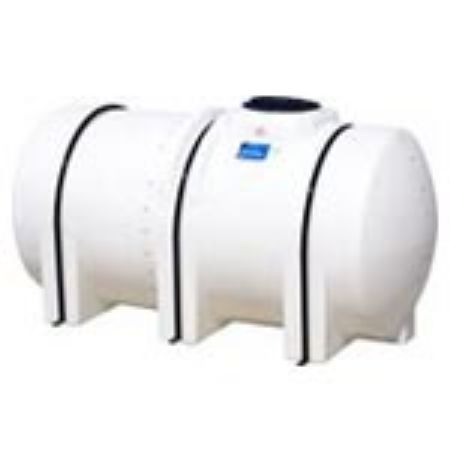
Free Standing Horizontal Tanks
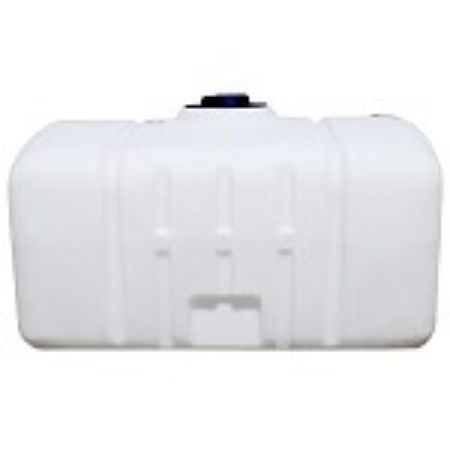
Rectangular Utility Tanks
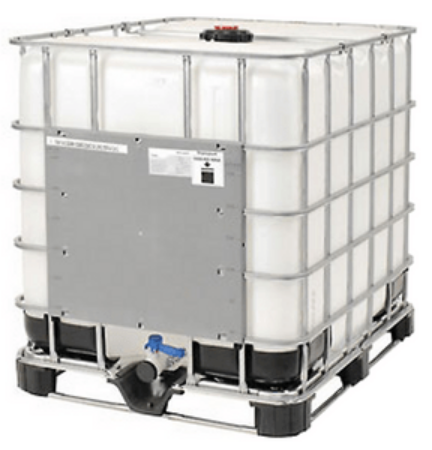
1000 Litre IBC Tanks (Cage Tote)
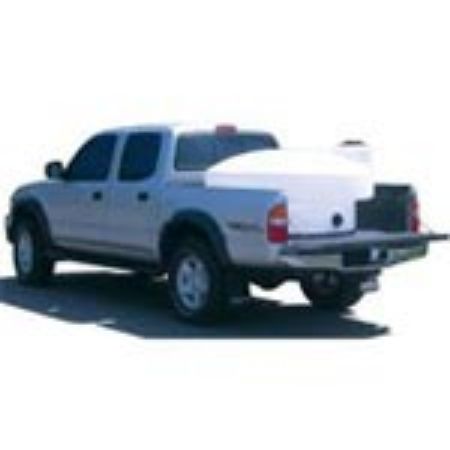
Pick up Tanks
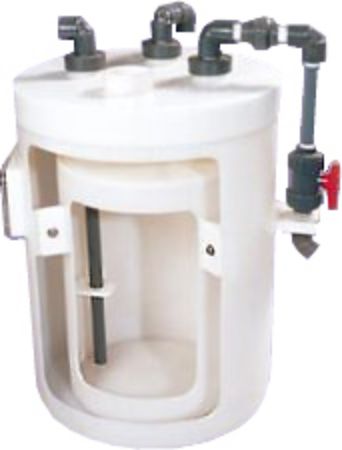
Double Wall Tanks
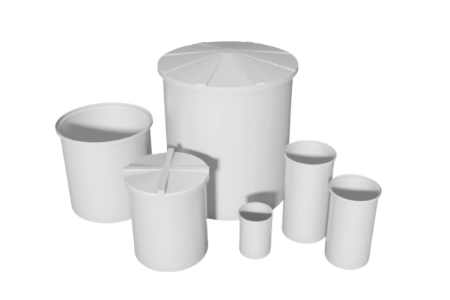
Vertical Open Top Storage Tanks
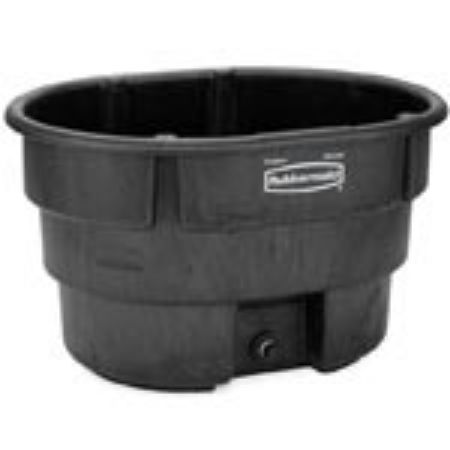
Plastic Water Stock Tank
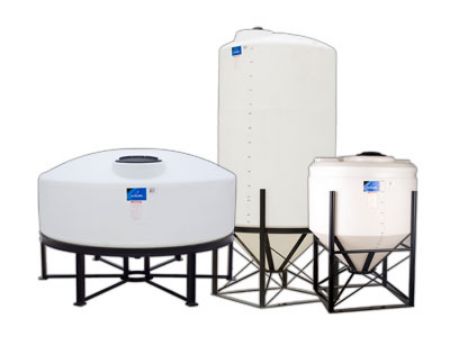
Cone Bottom Tanks - Closed Top Plastic Tanks
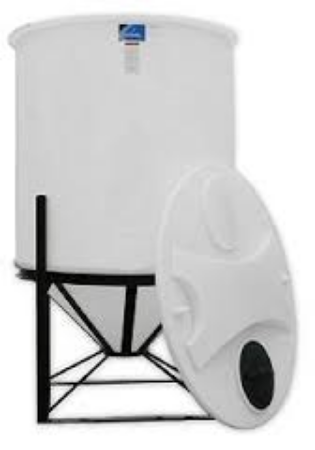
Cone Bottom Tanks - Open Top Plastic Tanks
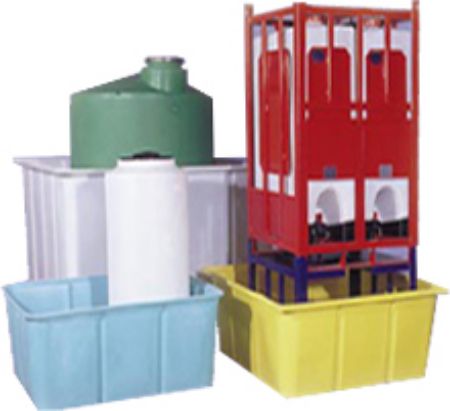
Secondary containment basins
Plastic tanks: start with the application, not just the capacity
“We need a 3,000-gallon tank.” That is often the starting point. Yet capacity alone does not tell us whether the tank will remain in place, transport a liquid, or how it will be filled and emptied. The shape, access to the installation site and connections can change the choice entirely.
Agrico Plastics offers several families of tanks for businesses and organizations across Canada. We help you identify the models to consider, then confirm the selected product’s characteristics for your application.
Which type of tank should you consider?
| Your need | Type to consider | What to check |
|---|---|---|
| Stationary storage | Closed-top vertical or closed-top rectangular | Access to the installation site and connections |
| Liquid transport | Free-standing horizontal or pickup truck tank | Whether transport is permitted, support and tie-down requirements |
| Handling the container | Caged IBC tote on a pallet | Liquid stored and handling conditions |
| Access from above | Open-top vertical | Filling, mixing or sampling |
| Draining from the bottom | Closed-top cone-bottom or open-top cone-bottom | Drainage method and required access |
| Secondary containment | Double-wall tank or containment basin | Requirements applicable to the project |
This table helps narrow the search. It does not confirm that a particular model is compatible with a given liquid.
Before choosing a tank shape
Stationary storage or transport
A closed-top vertical tank may suit stationary storage. A horizontal model may be considered when available height is limited or the application involves transport. A tank that fits inside a truck is not necessarily designed to travel while full.
In the field, we sometimes see capacity chosen before anyone checks the route to the installation site. A narrow doorway, low ceiling or insufficient access to the piping can force changes to the project. It is also important to consider how the tank will be inspected and maintained after installation.
Filling, sampling and draining
If an operation requires access from above, an open-top model is worth considering when the lid opening of a closed-top model is too small. If bottom drainage is essential, or the product is heavy, viscous or likely to form deposits, cone-bottom models can be compared.
For a corrosive liquid or a project requiring secondary containment, a double-wall tank will be preferred, and the location of its connections must be confirmed before ordering. Some configurations require special tank preparation to preserve its containment function.
Planning how the liquid will enter and leave the tank helps confirm that its shape accommodates the desired connections and the actual process.
The liquid changes the selection criteria
Potable water and food products
A “food-grade” designation for the plastic alone does not confirm that the entire assembly is suitable for potable water or the intended food product. We check the selected model and the components in contact with the liquid, including fittings and potable water hoses when the application involves transfer.
Needs differ in food processing and agriculture and maple syrup production. Our tank applications page presents other uses.
Chemicals and process liquids
For a fertilizer, water treatment solution or other chemical, we confirm the exact product and operating conditions before determining compatibility. Tank compatibility does not automatically establish the compatibility of gaskets, bulkhead fittings or valves.
The mistake we want to avoid before installation
For a project requiring a buffer tank, receiving only a request for “a tank of about 3,000 gallons” is not enough to prepare the installation properly. If limited height calls for a horizontal shape or connections must be placed in specific locations, those constraints need to be known before ordering. Otherwise, the installation team may have to modify the setup on site. That is why Agrico Plastics can assist you in selecting the tank and its accessories.
We also examine the liquid’s actual specific gravity and temperature. A product that is too dense or water that is too hot could damage a tank that is not suited to those conditions. The applicable limits must be confirmed for the selected model and its intended use.
Vent caps and transfer hoses are also part of the assembly to consider. A connection on the wrong side can create extra work during installation even when the tank itself is suitable.
Frequently asked questions
Can a tank be transported while full?
It depends on the model and application. A tank’s storage capacity does not confirm that it can travel while full. Its intended use, support and tie-down requirements must be checked.
Are all tanks suitable for potable water?
No. The required compliance must be confirmed for the selected model and the project’s requirements. Components in contact with the water must also be suitable for that use.
What is the maximum temperature for a plastic tank?
Most tank models are made of high-density polyethylene (HDPE) and have a maximum continuous operating temperature of 120°F / 49°C. We also offer special-order tanks made of cross-linked polyethylene (XLPE) for use up to 149°F / 65°C.
Tell us about your application
Tell us about the liquid, required capacity, stationary or mobile use, temperature, access constraints, and how you plan to fill and empty the tank. We can help identify the relevant tank types and the points to confirm before purchase.
Consult our tank information guide and our advice on delivery, installation and use. For your project, request a consultation.
Contact us Inventory in REAL TIME !
  Pickup and Shipping the SAME DAY ! (Order placed before 11 a.m.)
Monday - Thursday
Friday
Saturday
Sunday
8 am to 12 pm / 1 pm to 4:30 pm
8 am to 12 pm / 1 pm to 3:45 pm
Closed
Closed



Monday - Thursday
8:00 a.m. to 12:00 p.m.
1:00 p.m. to 4:30 p.m
Friday
8:00 a.m. to 12:00 p.m.
1:00 p.m. to 3:45 p.m.
Saturday
Closed
Sunday
Closed