

Selling only
in Canada
Plastic Storage Tanks
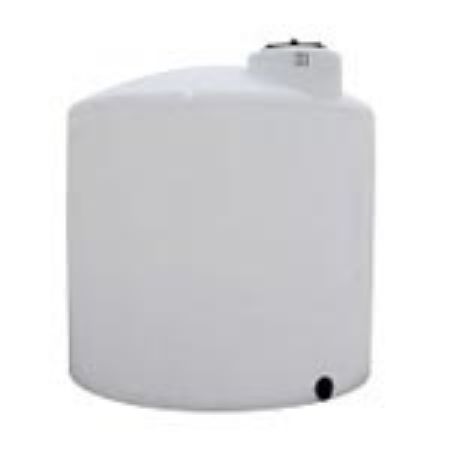 Vertical Closed Top Storage Tanks
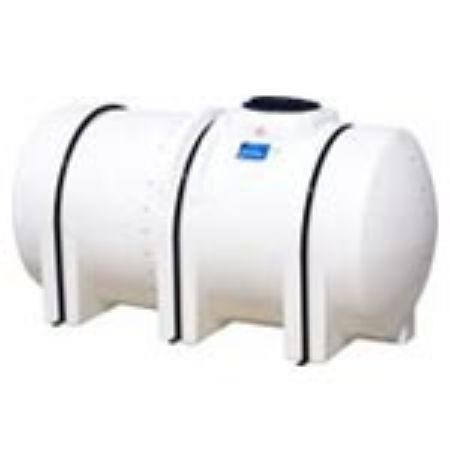 Free Standing Horizontal Tanks
 Rectangular Utility Tanks
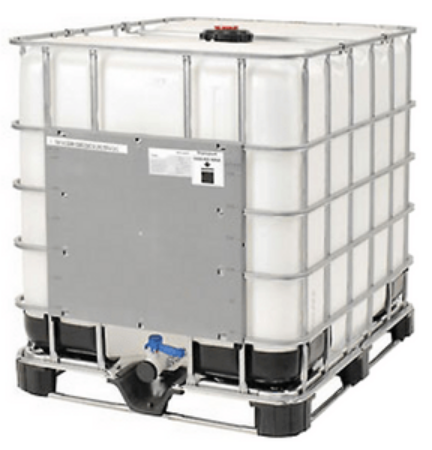 1000 Litre IBC Tanks (Cage Tote)
 Pick up Tanks
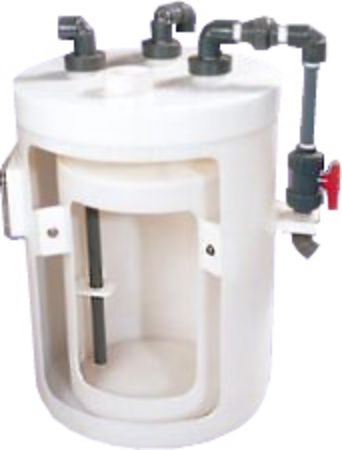 Double Wall Tanks
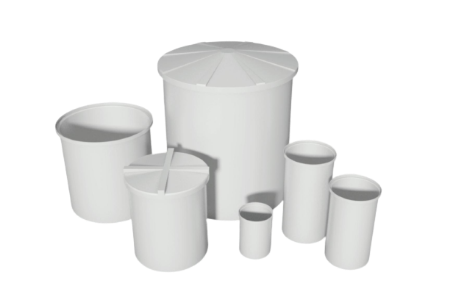 Vertical Open Top Storage Tanks
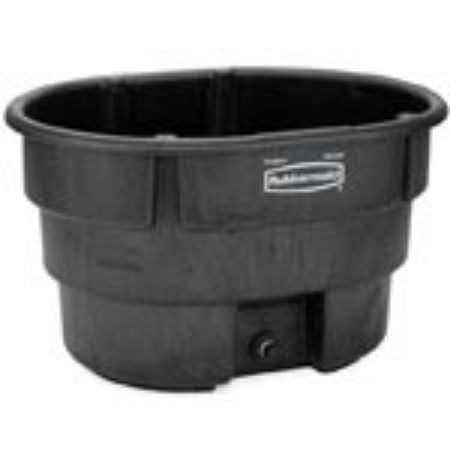 Plastic Water Stock Tank
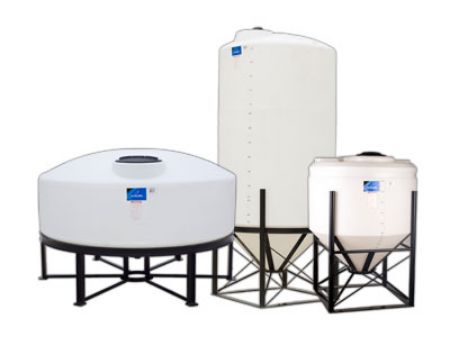 Cone Bottom Tanks - Closed Top Plastic Tanks
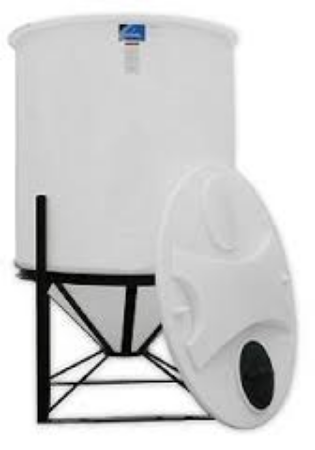 Cone Bottom Tanks - Open Top Plastic Tanks
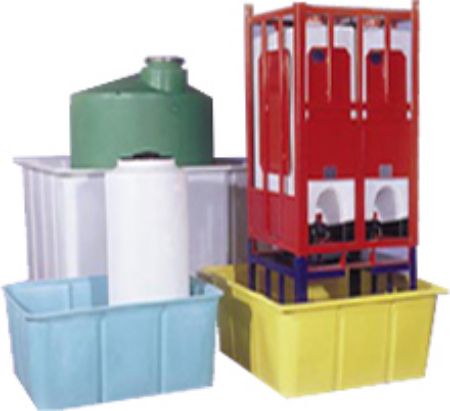 Secondary containment basins
Tank Fittings and Accessories
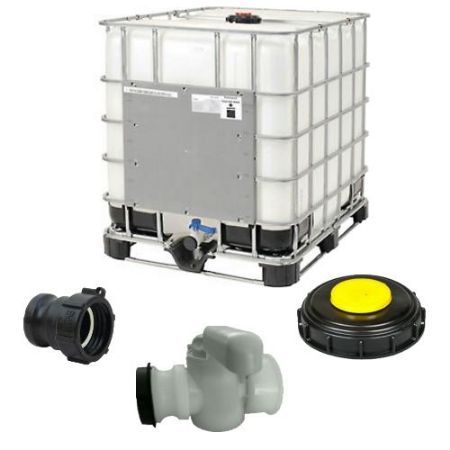 Cage Tank Parts (IBC Tote)
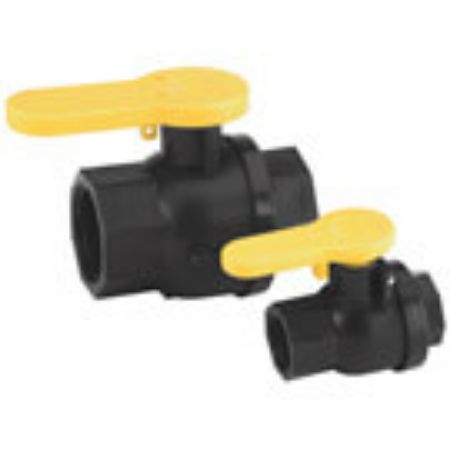 Polypropylene and PVC Ball Valves
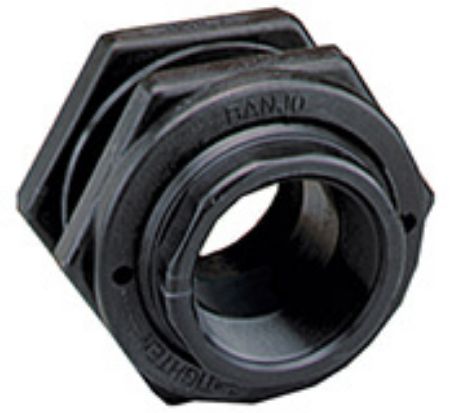 Polypropylene and PVC Tank Fittings
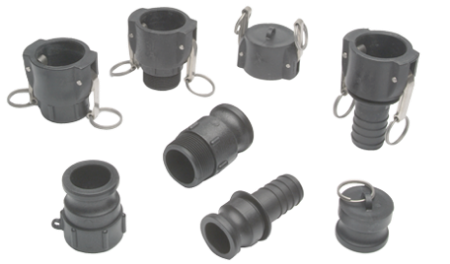 Camlock Fittings
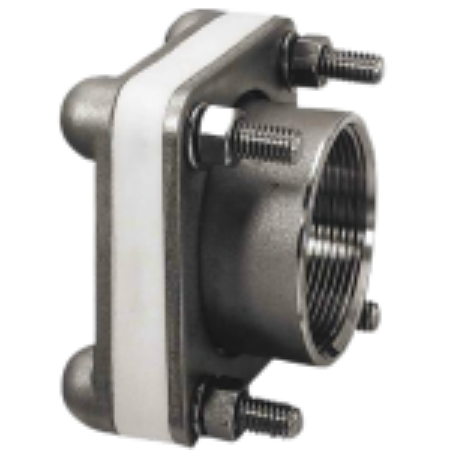 Stainless Steel Bolted Fitting
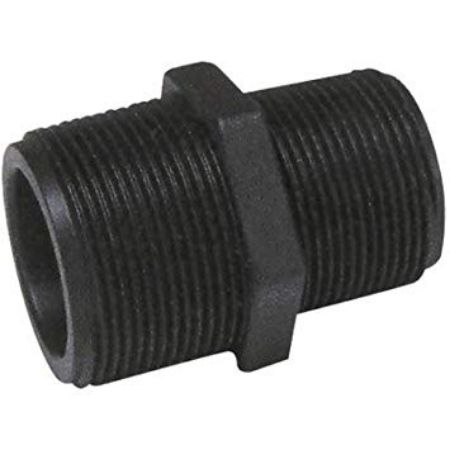 Polypropylene Threaded Reducer Nipples
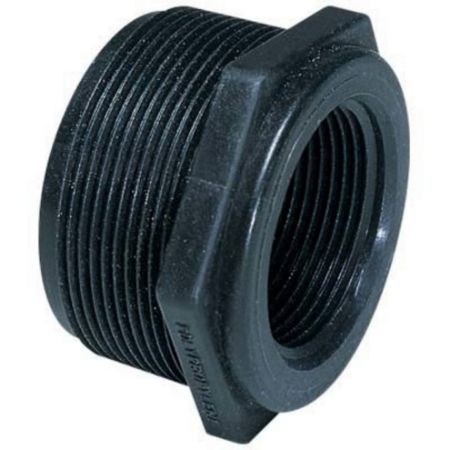 Polypropylene Threaded Reducer Bushings
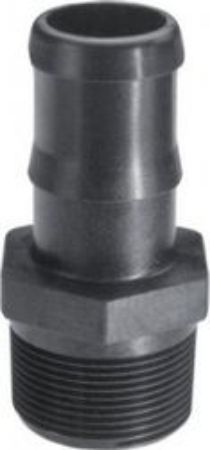 Hose Barb Fitting Adapter
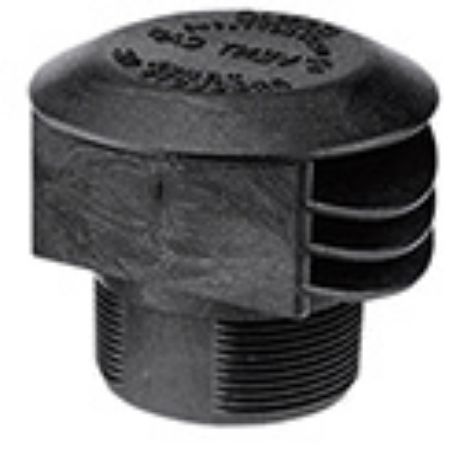 Vent Caps
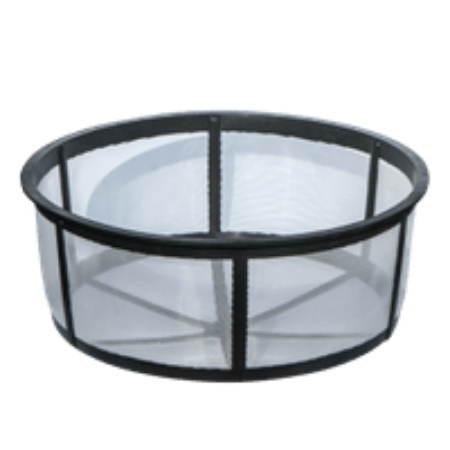 Filter Strainer Baskets
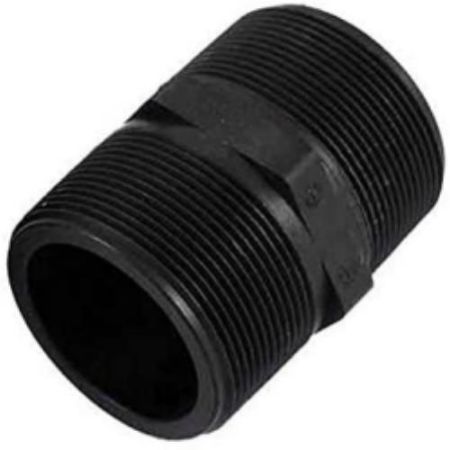 Threaded Pipe Nipples
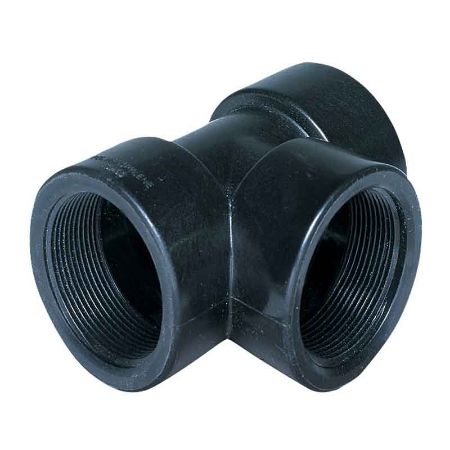 Polypropylene Tee Fitting, NPT Female Thread
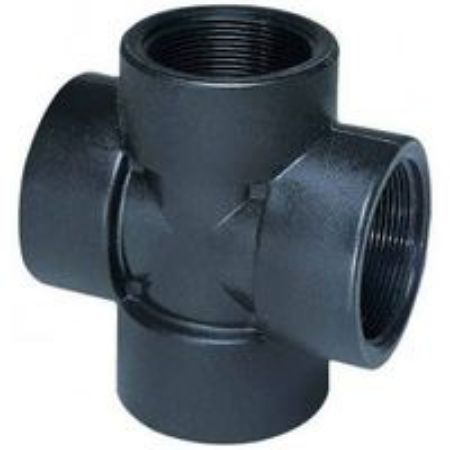 Polypropylene Cross Fitting, NPT Female Thread
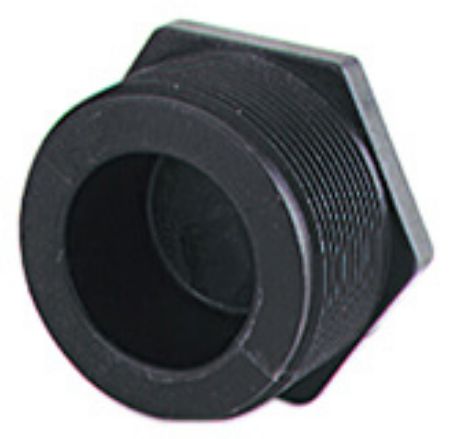 Drain Plugs
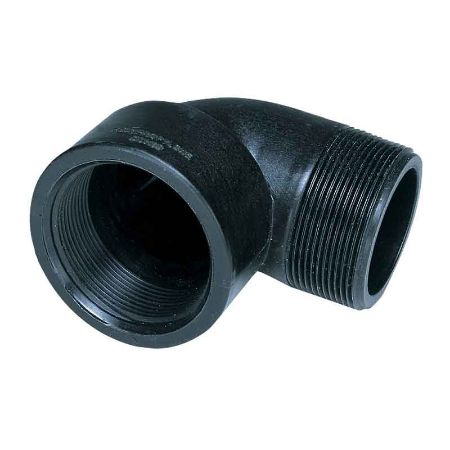 Elbow fittings
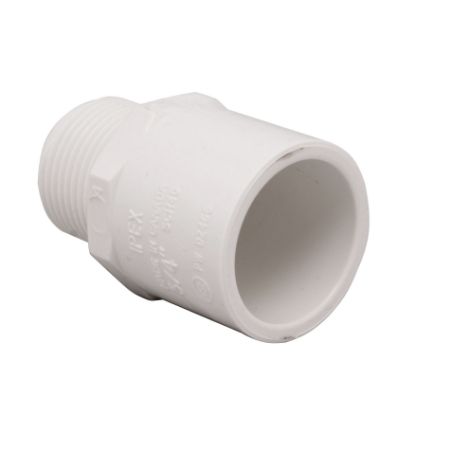 PVC Adapter, NPT Male Thread to Socket End
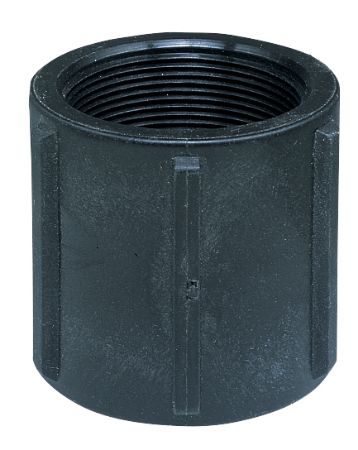 Polypropylene Threaded Pipe Couplings
 Closed Top Tank Lids
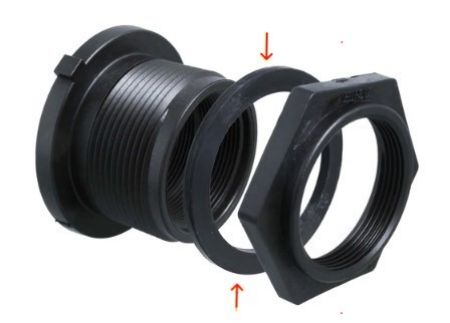 Replacement Gasket for Bulkhead Fitting
 Level Indicator
 Miscellaneous accessories
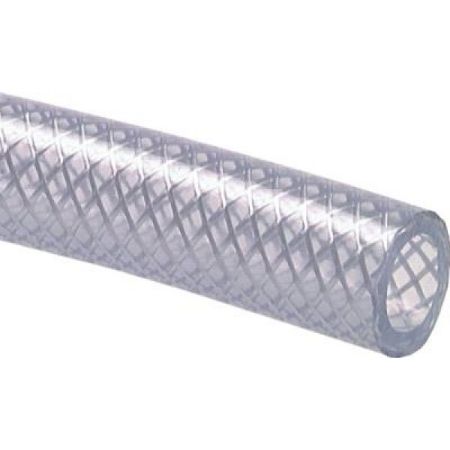 Potable Water Hoses
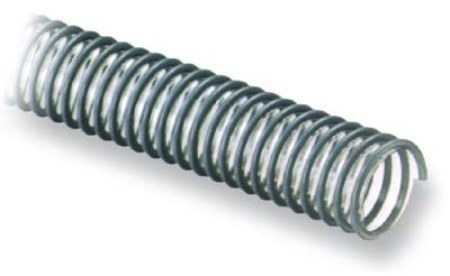 Liquid Suction and Discharge Hoses
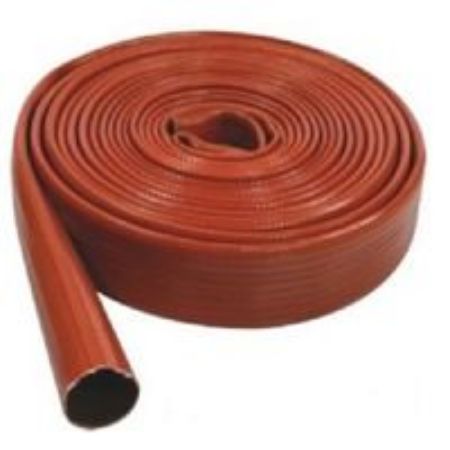 Liquid Discharge Hoses
 Assembled Liquid Discharge Hoses
 Fire Hose
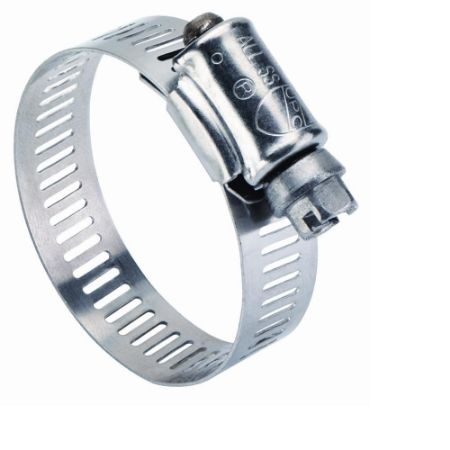 Hose Clamps
 Fire Hydrant Adapters for Quebec
Solid-walled and solid-bottom plastic food containers
 Food Grade Containers, Solid Walls and Bottom
 Food Grade Containers. Vented Walls and Bottom
 Attached Lids Plastic Containers
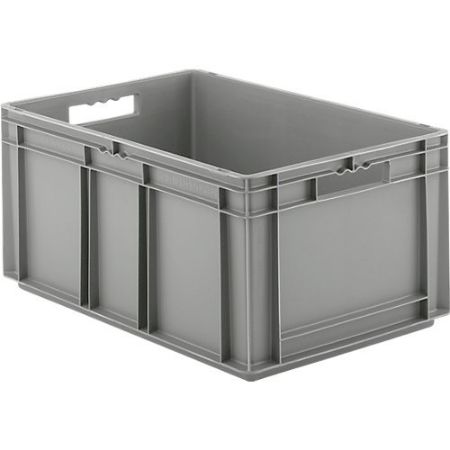 Industrial Plastic Containers, Solid Walls and Botton
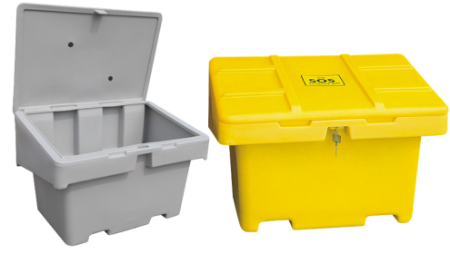 Sand and Salt Plastic Storage Bins
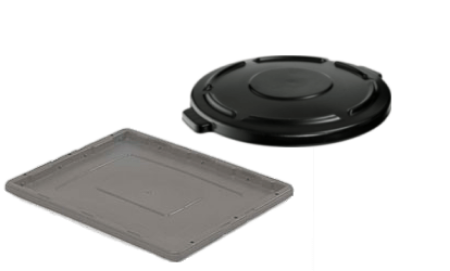 Containers - Lids and Covers
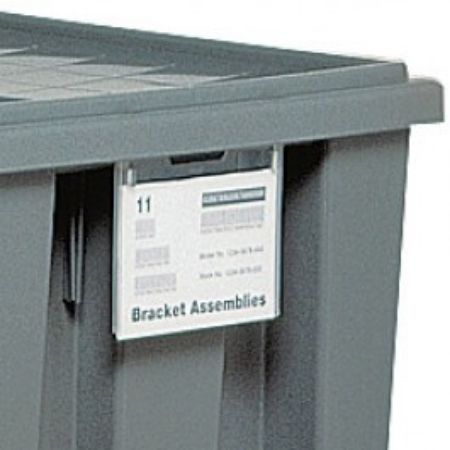 Containers - ID and Hot Stamp
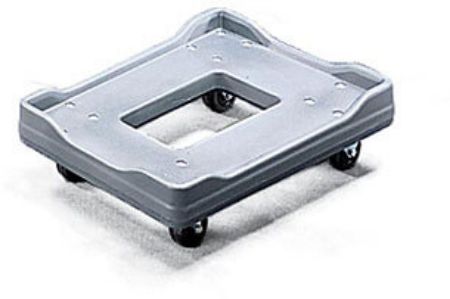 Containers - Dollies
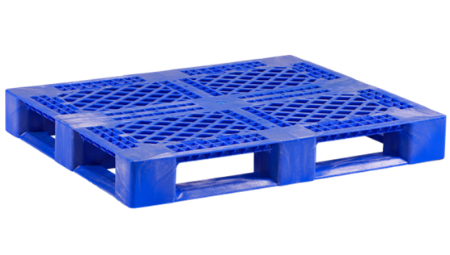 FDA Food Grade Plastic Pallets
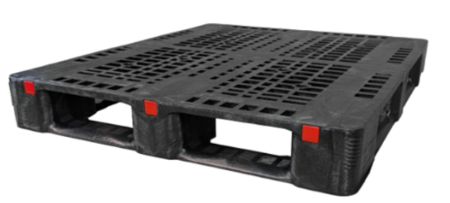 Industrial Plastic Pallets for Warehouse and Racking
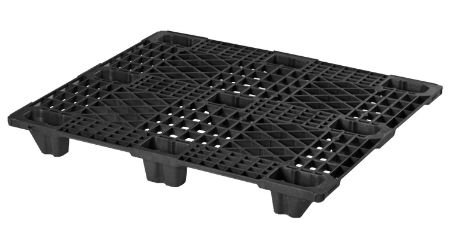 Export Plastic Pallet
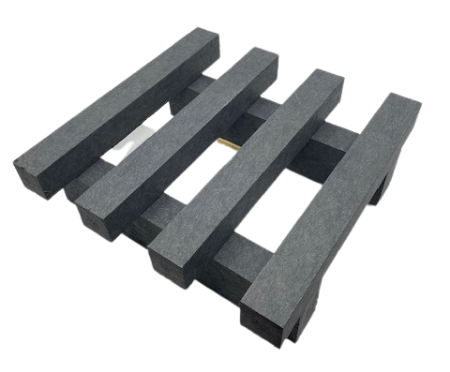 Display Plastic Pallets
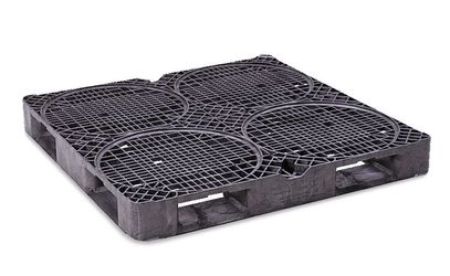 Drum Plastic Pallets
Plastic pallet boxes
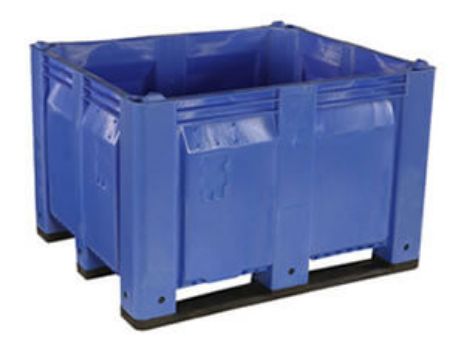 Plastic Pallet Boxes, Solid walls and Bottom
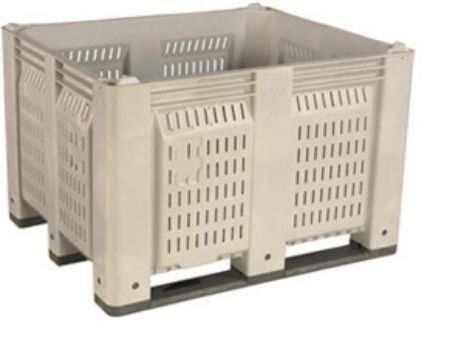 Plastic Pallet Boxes, Vented walls and Bottom
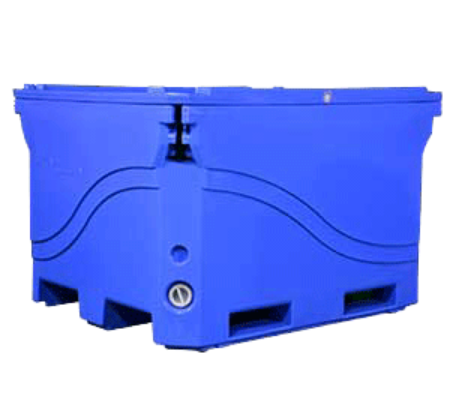 Insulated Plastic Pallet Boxes
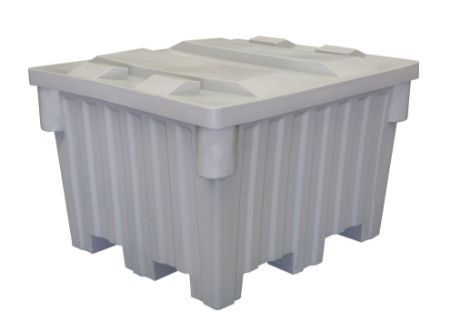 Tapered-wall Pallet Boxes
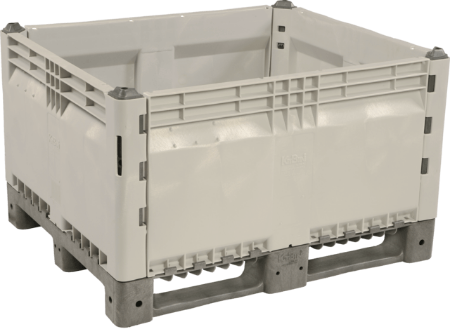 Removable walls Pallet Boxes
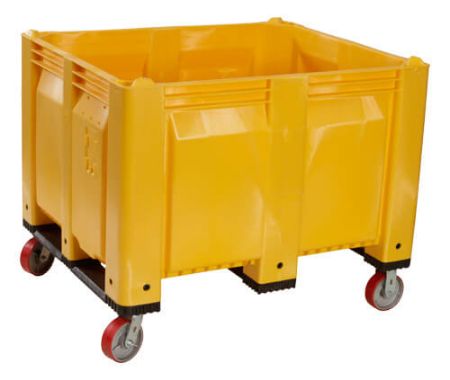 Pallet Boxes on Casters
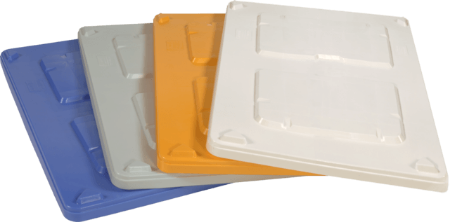 Lids - Pallet Boxes
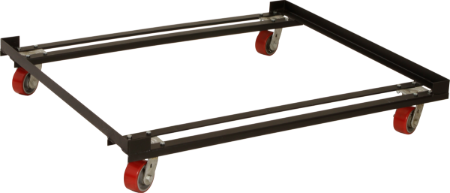 Pallet Boxes Bin Cart
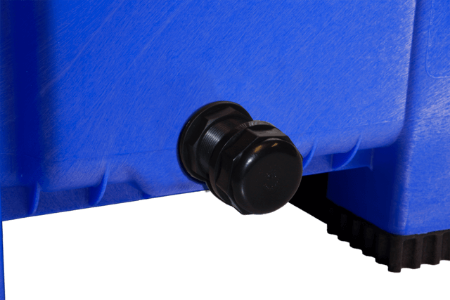 Drain Option for Pallet Boxes
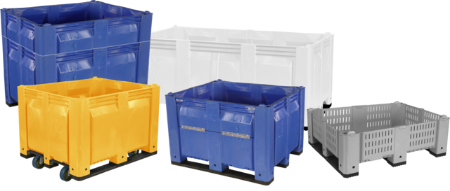 Custom Plastic Pallet Boxes
Utility and service carts
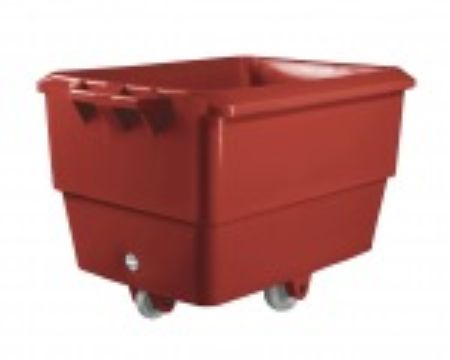 Food Grade Buggies - FDA Carts
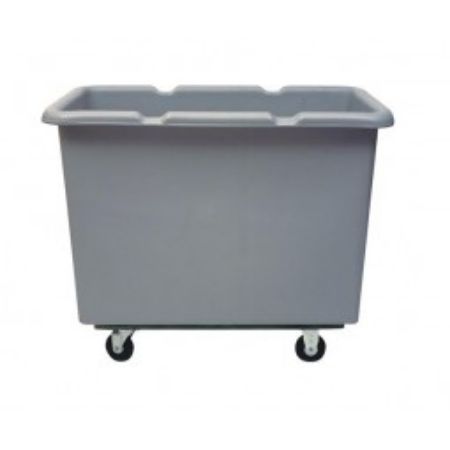 Industrial Poly-Box Trucks
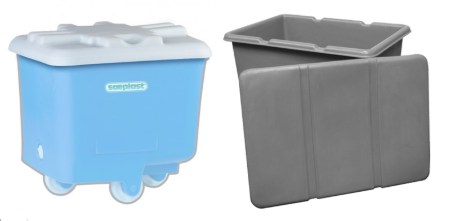 Carts Options and Accessories
Drain Plugs
STOCK / LEAD TIMES
DISPLAYED IN REAL TIME
GET AN ONLINE QUOTE
ONLINE PURCHASE ONLY
SHIPPING COSTS
CALCULATED ONLINE
SAME-DAY PICKUP/ SHIPPING
ORDER BEFORE 11 A.M.

Male NPT Threaded Plugs for Closing a Tank Drain or Connection
A threaded plug closes a female NPT connection when it is not being used. On a plastic tank, it is commonly used to close an existing drain or an unused threaded connection.
NPT threads are tapered: the male and female threads tighten progressively as they are screwed together. This type of connection is therefore not intended to be repeatedly screwed and unscrewed like a straight thread, such as the one found on a plastic bottle cap. When a connection needs to be opened frequently, a component designed for that function, such as a valve, should be used instead.
The plugs offered by Agrico Plastics are made of Schedule 80 glass-reinforced polypropylene and have a male NPT thread.
Seven sizes are available: 1/2", 3/4", 1", 1-1/4", 1-1/2", 2" and 3".
The choice may seem simple, but two points must be checked before ordering: the connection diameter and its thread type.
A Male NPT Plug Must Be Installed in a Female NPT Connection
This is the first point to check.
These plugs have a male NPT thread. They are therefore designed to be threaded into a compatible female NPT connection, such as those found on some NPT bulkhead tank fittings.
For example, a 2" male NPT plug must be used with a 2" female NPT connection.
Nominal diameter alone does not confirm compatibility. A 2" connection is not automatically an NPT connection simply because its nominal diameter is 2".
Before ordering, check both the size and the type of connection you need to close.
Closing a Tank Drain
The primary use of these plugs is to close a tank drain when you do not want to install a ball valve or another adapter. The plug can also be used to close another female NPT connection that will remain unused.
The plug threads into an appropriate female NPT connection to close the drain or connection. Even though NPT threads tighten progressively as they are screwed together, an appropriate thread sealant, such as PTFE (Teflon) tape, should still be used when suitable for the application.
A plug does not replace a valve. If the outlet must be opened and closed regularly to drain the tank, a ball valve should be used.
For more information on how drains, fittings and other components relate to tank selection and use, visit our Plastic Tank Applications page, which covers storage, transport, mixing, dosing, chemical, decanting and containment applications.
Plug or Valve: What Is the Difference?
Both may be installed at a tank outlet, but they serve different purposes.
| Need | Solution to consider |
|---|---|
| Close a connection that will not be used | Male NPT plug to close the opening |
| Close off a tank drain | Male NPT plug to close the opening |
| Regularly open and close an outlet | Ball valve |
| Quickly connect a hose for liquid transfer | Valve and Camlock fitting, depending on the assembly |
| Temporarily close a female NPT connection | A male NPT plug can be used, but repeated removal and retightening should be avoided on plastic threads |
If the drain will be used frequently, repeatedly removing and reinstalling a threaded plug is not appropriate. A valve designed for that function should be installed.
If the liquid will then be transferred to another piece of equipment, a Camlock fitting can also be part of the assembly when quick hose connection and disconnection is required.
The choice therefore depends on what you intend to do with the connection once the tank is in service.
Seven Sizes From 1/2" to 3"
The plugs are available in the following sizes: 1/2", 3/4", 1", 1-1/4", 1-1/2", 2" and 3".
This range covers several common female NPT connection sizes used in tank and piping assemblies.
However, the plug should not be selected according to tank capacity. A larger tank does not necessarily have a larger drain, and two tanks with the same capacity may have different fittings.
Check the actual connection on your tank or installation. Tank selection and the components required for an installation should always be considered together.
Schedule 80 Glass-Reinforced Polypropylene
The plugs in this category are made of Schedule 80 glass-reinforced polypropylene.
The product specifications indicate a pressure rating of 150 PSI at 21 °C.
As with other fittings in an installation, this value does not automatically mean that the complete assembly has the same pressure rating. The bulkhead fitting, valve, other fittings and operating conditions must also be considered.
When a chemical product is used, the compatibility of the liquid with polypropylene and with all other materials in contact with the product must also be verified.
This is particularly important in agricultural applications, where plastic tanks may be used for potable water, fertilizers and other liquids.
Plan for Proper NPT Thread Sealing
An NPT threaded fitting must be assembled correctly to obtain a leak-tight connection.
The plug threads into the female NPT connection with a thread sealant appropriate for the thread and application, such as PTFE (Teflon) tape when compatible with the liquid and operating conditions.
The plug must be properly tightened without unnecessarily forcing the plastic threads. There must also be enough clearance around the plug to use the appropriate tightening tool during installation.
This is particularly important when the drain is located very close to the floor, a support, a wall or another piece of equipment.
Check Why the Connection Was Plugged
When working on an existing tank or installation, a plug may sometimes close a connection that was originally intended for another function.
If you remove the plug, check the diameter and thread type of the new component to be installed, as well as the condition and sealing surface of the existing threaded connection.
Depending on the new assembly, a male x male NPT pipe nipple or another reducing fitting may also be required to connect the components properly.
Frequently Asked Questions
What Size Plug Do I Need for My Tank?
The size depends on the female NPT connection being closed, not on the capacity of the tank. Check the diameter and thread type of the existing connection.
Are the Plugs Male or Female Threaded?
All seven plugs in this category have a male NPT thread. They are designed to thread into a compatible female NPT connection.
Can I Use a Plug Instead of a Valve?
Yes, but only if your objective is to close off the connection. If you need to open and close the drain regularly, a valve is required.
Should I Use PTFE (Teflon) Tape on the Threads?
An NPT connection requires an appropriate thread sealant. PTFE tape can be used when compatible with the liquid and operating temperature.
Can I Select the Plug According to the Size of the Tank?
No. Tank capacity does not determine the drain size. Check the actual connection that needs to be closed.
Need to Close or Modify a Tank Connection?
Before selecting a plug, check the size, thread type and what you plan to do with the connection over the long term.
If it simply needs to remain closed, a plug may be the simplest solution. If it will be used for draining or liquid transfer, consider the complete assembly instead.
Our team can help you determine the appropriate fittings. Browse our tank fittings and accessories to complete your installation.
Contact Us Inventory in REAL TIME !
 Pickup and Shipping the SAME DAY ! (Order placed before 11 a.m.)

Monday - Thursday
Friday
Saturday
Sunday
8 am to 12 pm / 1 pm to 4:30 pm
8 am to 12 pm / 1 pm to 3:45 pm
Closed
Closed




Monday - Thursday
8:00 a.m. to 12:00 p.m.
1:00 p.m. to 4:30 p.m
Friday
8:00 a.m. to 12:00 p.m.
1:00 p.m. to 3:45 p.m.
Saturday
Closed
Sunday
Closed