

Selling only
in Canada
Plastic Storage Tanks
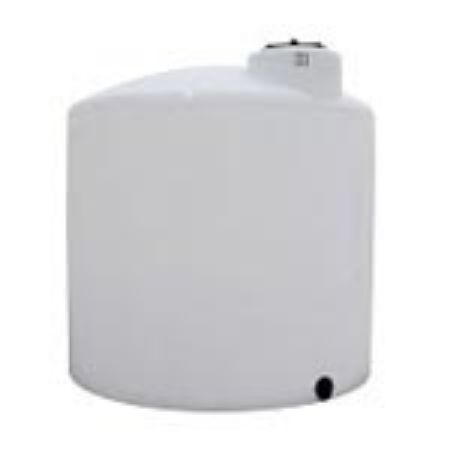 Vertical Closed Top Storage Tanks
 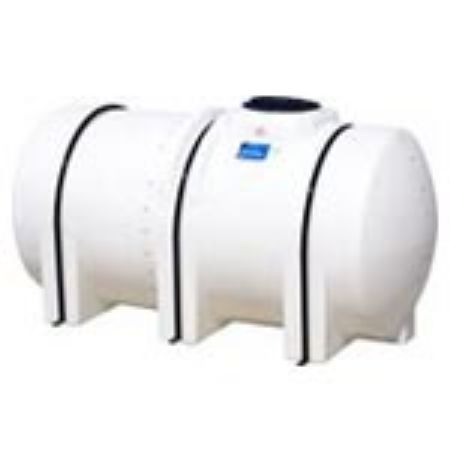 Free Standing Horizontal Tanks
 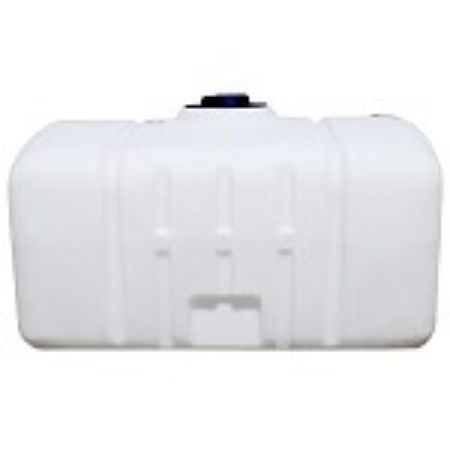 Rectangular Utility Tanks
 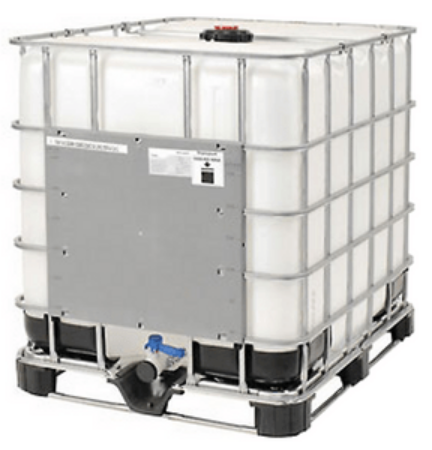 1000 Litre IBC Tanks (Cage Tote)
  Pick up Tanks
  Double Wall Tanks
  Vertical Open Top Storage Tanks
  Plastic Water Stock Tank
 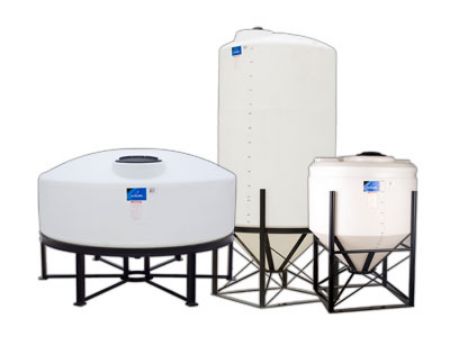 Cone Bottom Tanks - Closed Top Plastic Tanks
 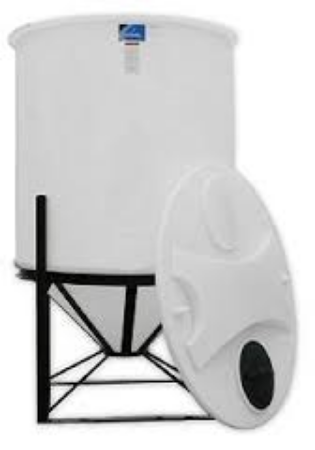 Cone Bottom Tanks - Open Top Plastic Tanks
 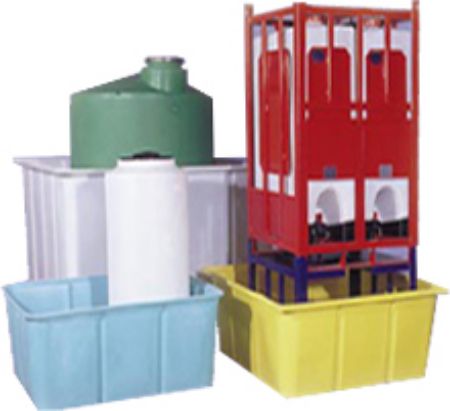 Secondary containment basins
 Tank Fittings and Accessories
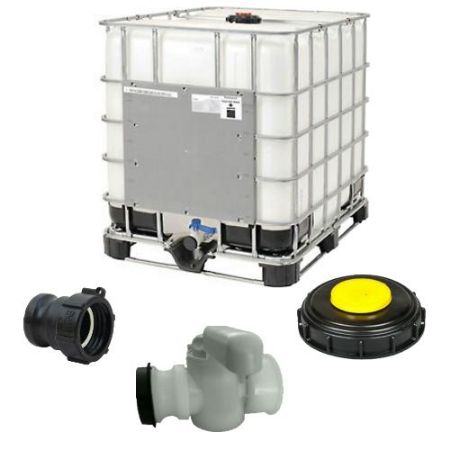 Cage Tank Parts (IBC Tote)
 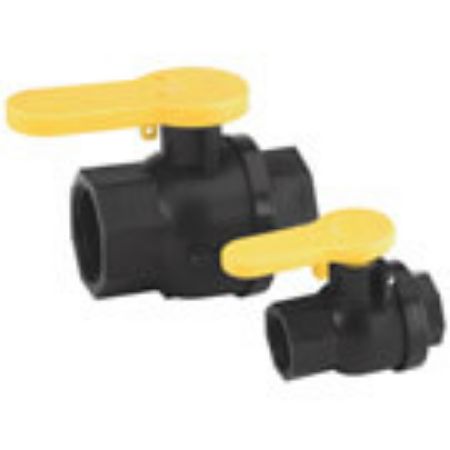 Polypropylene and PVC Ball Valves
 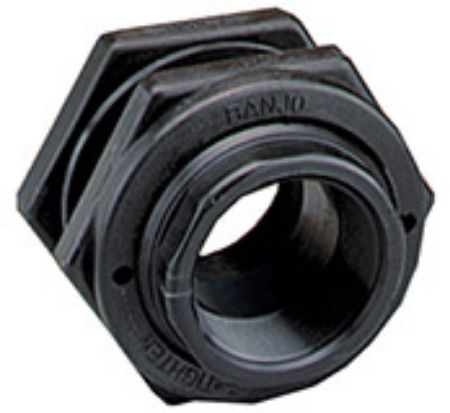 Polypropylene and PVC Tank Fittings
 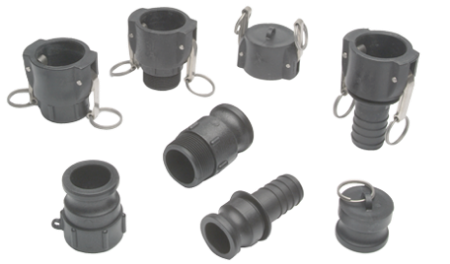 Camlock Fittings
 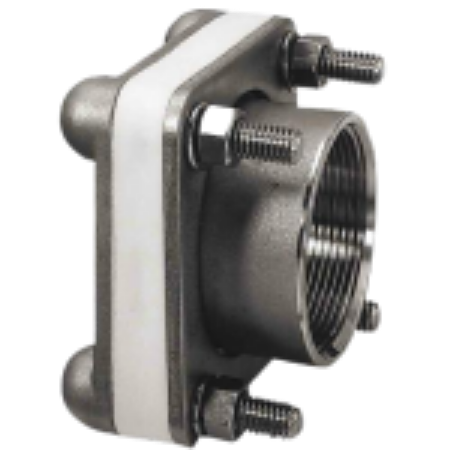 Stainless Steel Bolted Fitting
 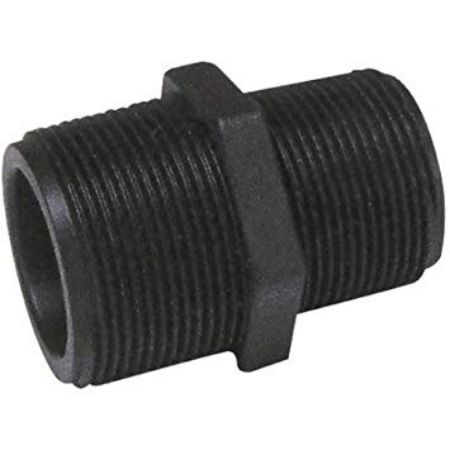 Polypropylene Threaded Reducer Nipples
 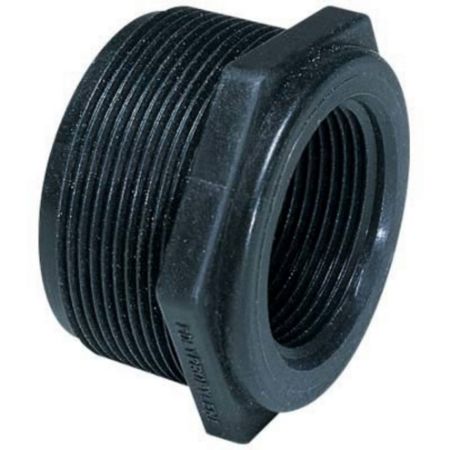 Polypropylene Threaded Reducer Bushings
  Hose Barb Fitting Adapter
  Vent Caps
 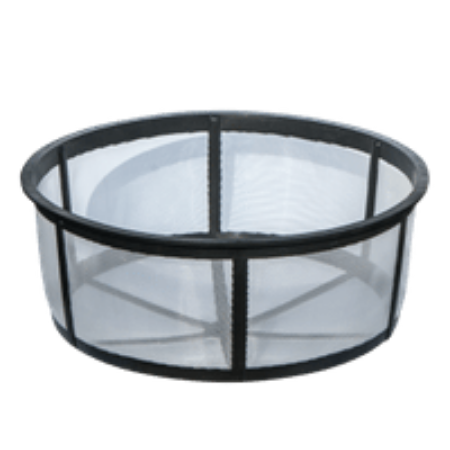 Filter Strainer Baskets
 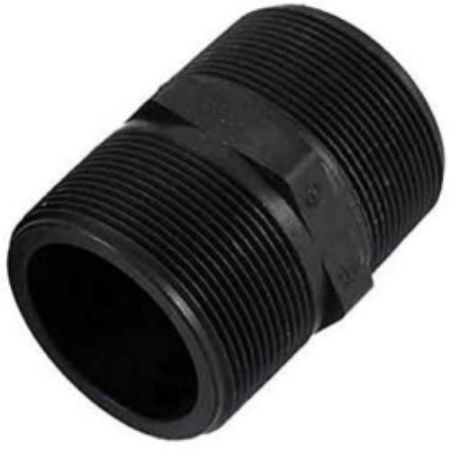 Threaded Pipe Nipples
 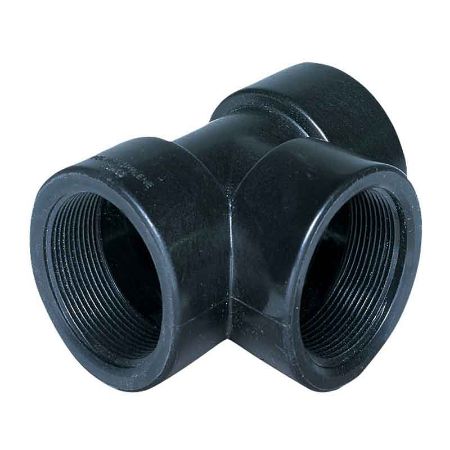 Polypropylene Tee Fitting, NPT Female Thread
 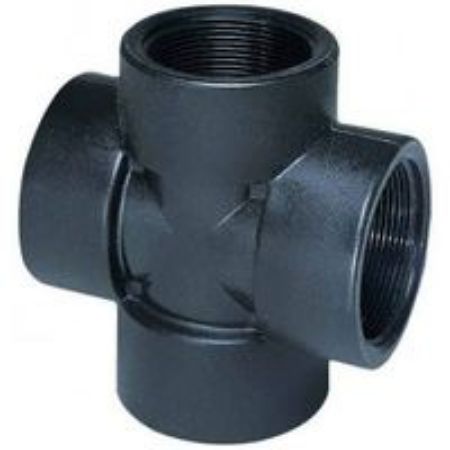 Polypropylene Cross Fitting, NPT Female Thread
 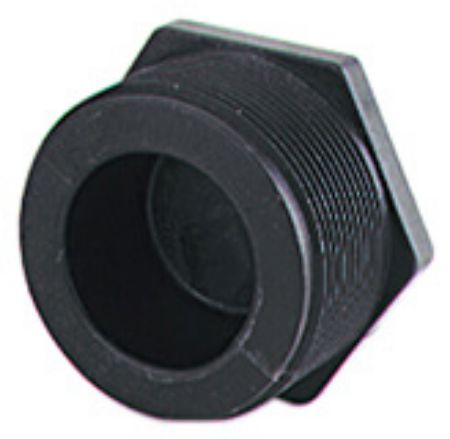 Drain Plugs
 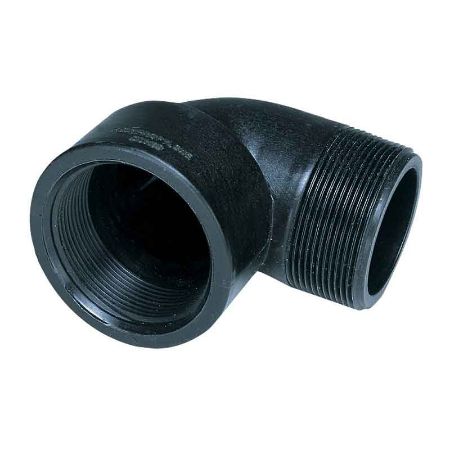 Elbow fittings
 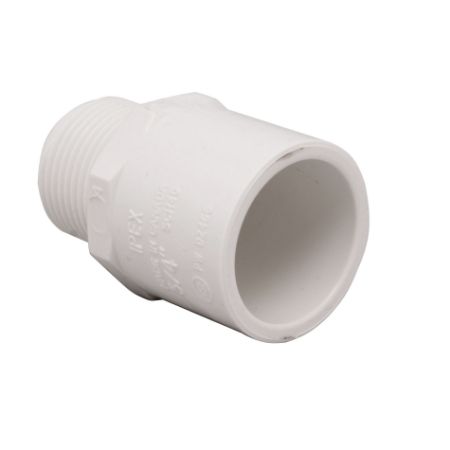 PVC Adapter, NPT Male Thread to Socket End
 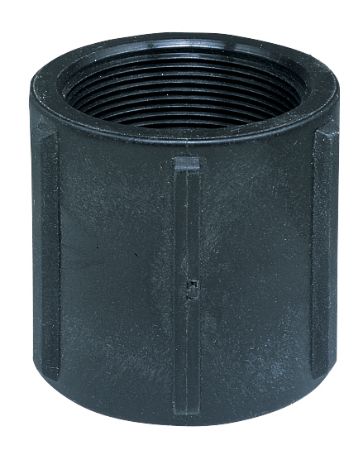 Polypropylene Threaded Pipe Couplings
 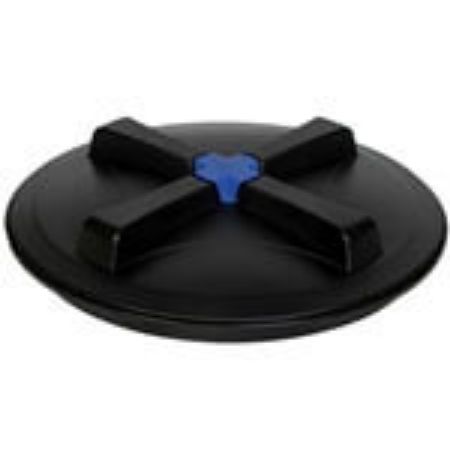 Closed Top Tank Lids
 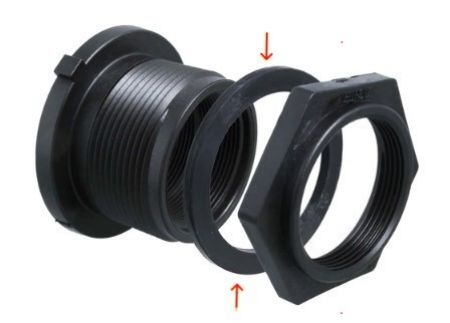 Replacement Gasket for Bulkhead Fitting
 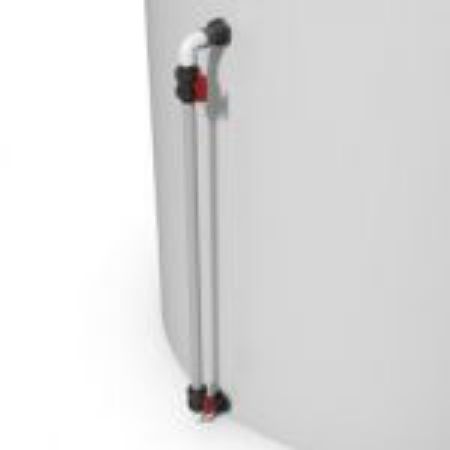 Level Indicator
  Miscellaneous accessories
 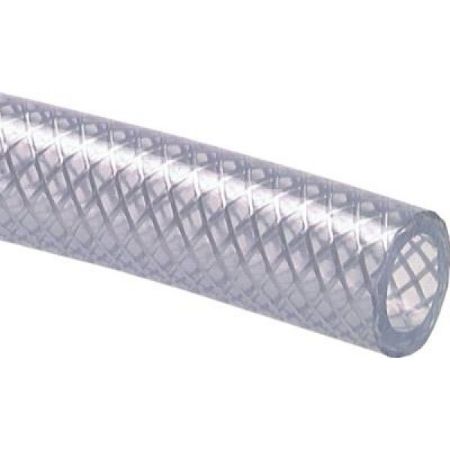 Potable Water Hoses
 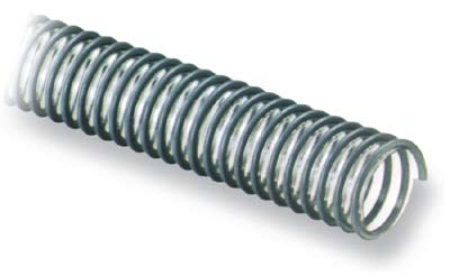 Liquid Suction and Discharge Hoses
 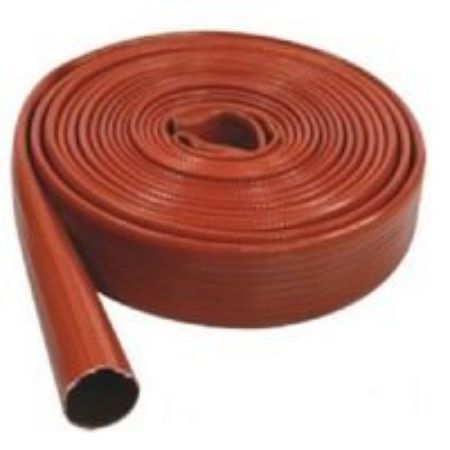 Liquid Discharge Hoses
  Assembled Liquid Discharge Hoses
  Fire Hose
 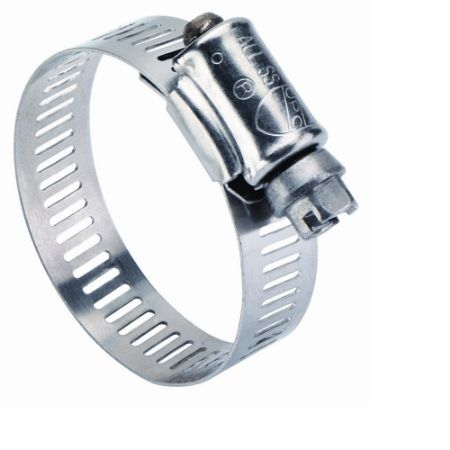 Hose Clamps
 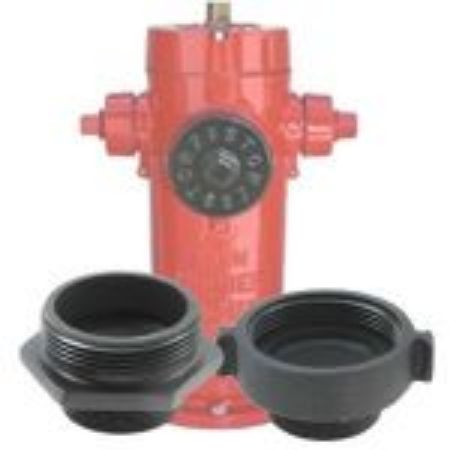 Fire Hydrant Adapters for Quebec
 Solid-walled and solid-bottom plastic food containers
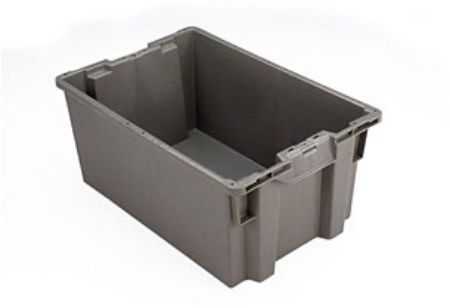 Food Grade Containers, Solid Walls and Bottom
 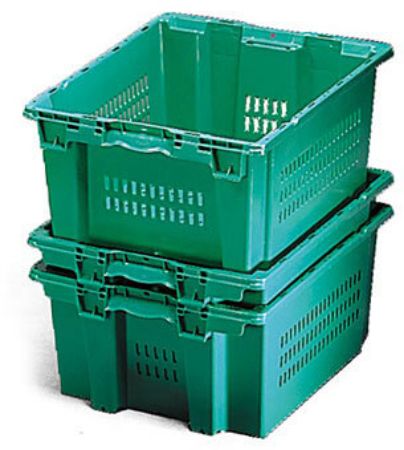 Food Grade Containers. Vented Walls and Bottom
 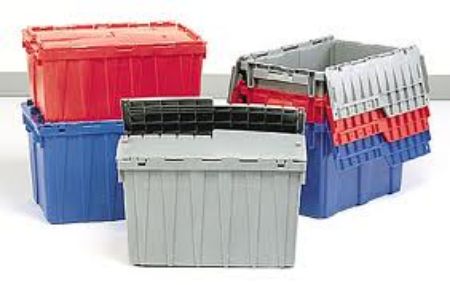 Attached Lids Plastic Containers
 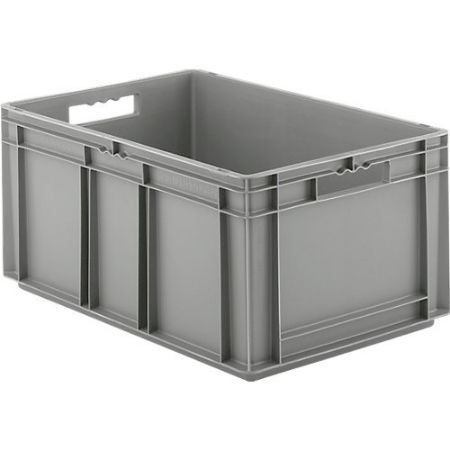 Industrial Plastic Containers, Solid Walls and Botton
 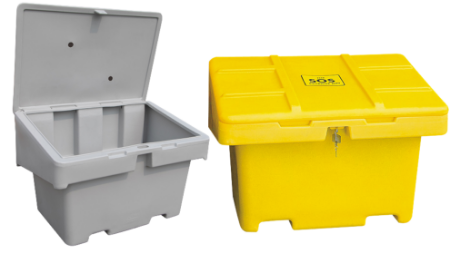 Sand and Salt Plastic Storage Bins
 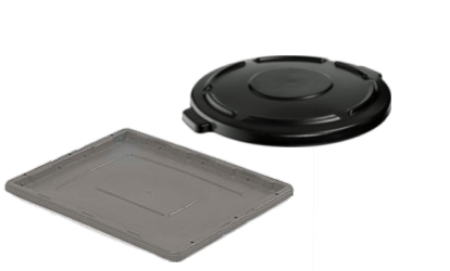 Containers - Lids and Covers
 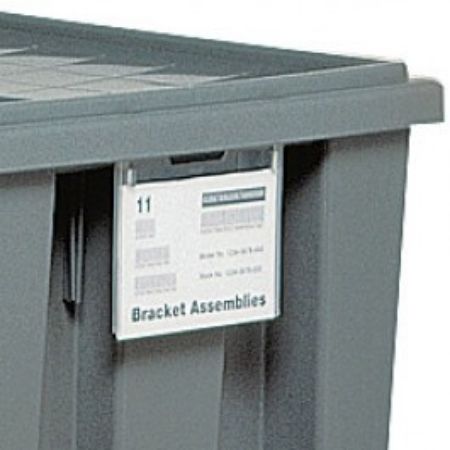 Containers - ID and Hot Stamp
 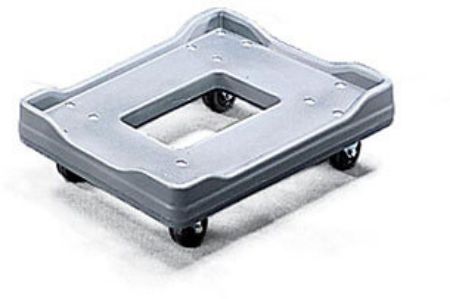 Containers - Dollies
 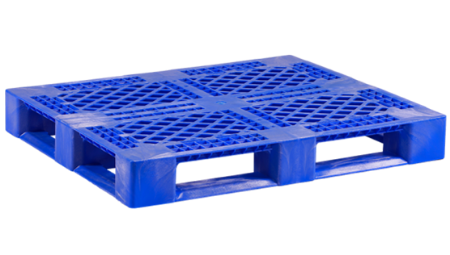 FDA Food Grade Plastic Pallets
 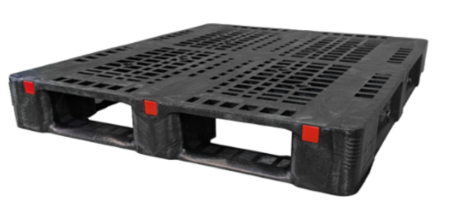 Industrial Plastic Pallets for Warehouse and Racking
 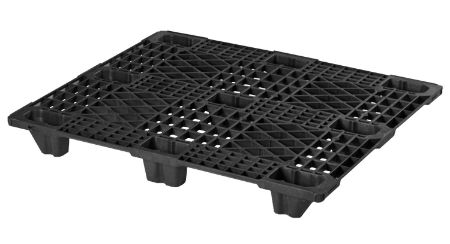 Export Plastic Pallet
 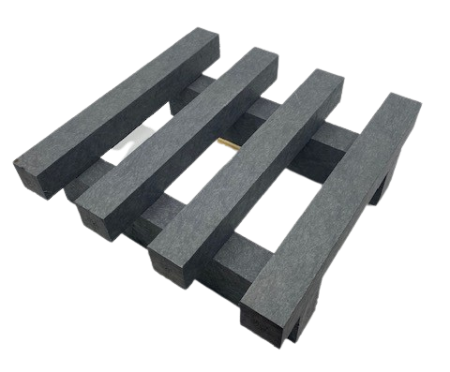 Display Plastic Pallets
 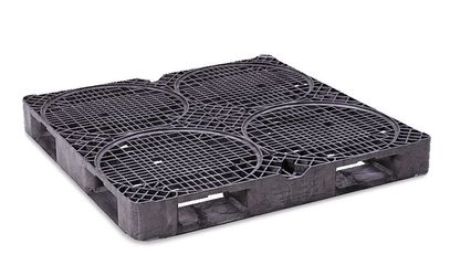 Drum Plastic Pallets
 Plastic pallet boxes
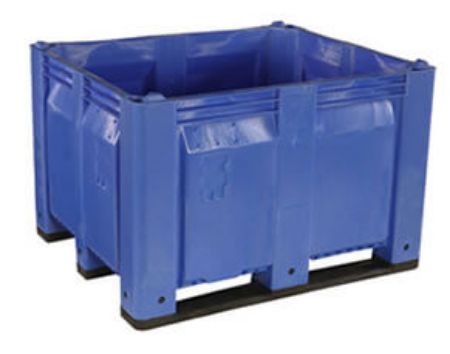 Plastic Pallet Boxes, Solid walls and Bottom
 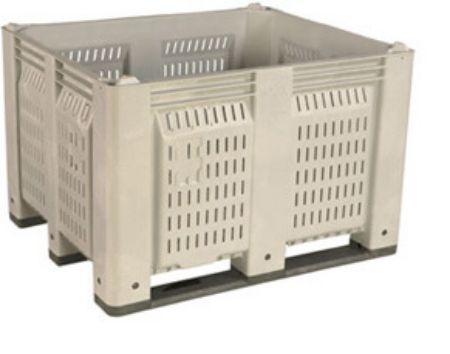 Plastic Pallet Boxes, Vented walls and Bottom
 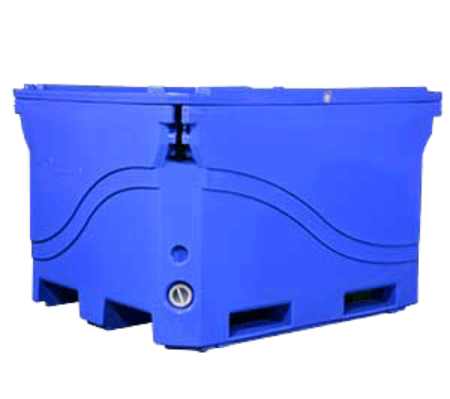 Insulated Plastic Pallet Boxes
 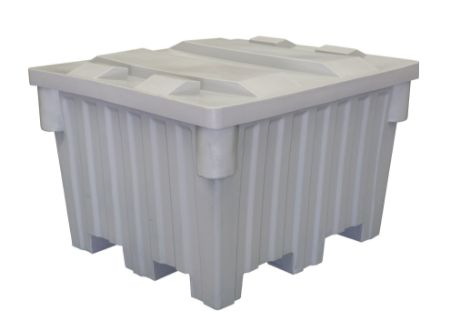 Tapered-wall Pallet Boxes
 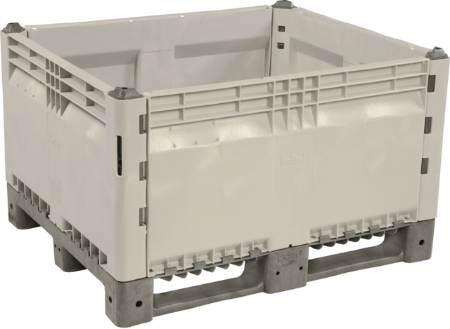 Removable walls Pallet Boxes
 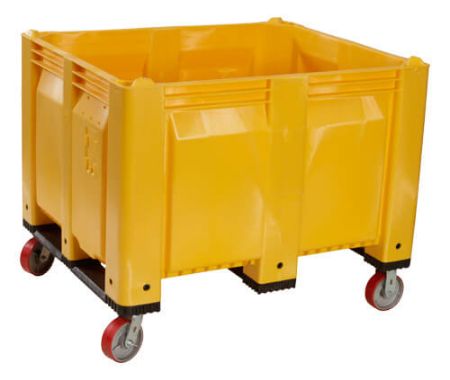 Pallet Boxes on Casters
 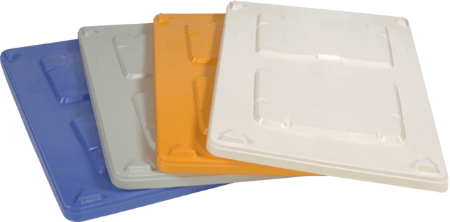 Lids - Pallet Boxes
 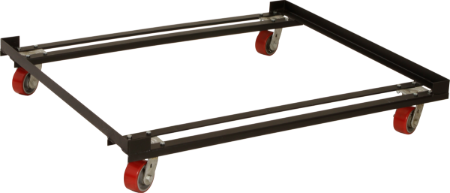 Pallet Boxes Bin Cart
 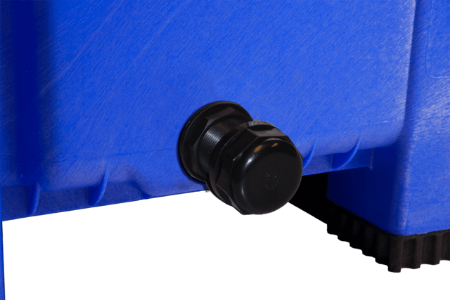 Drain Option for Pallet Boxes
 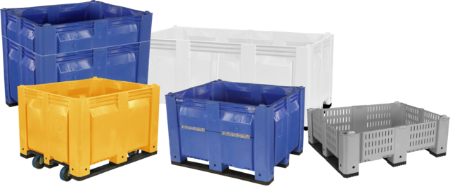 Custom Plastic Pallet Boxes
 Utility and service carts
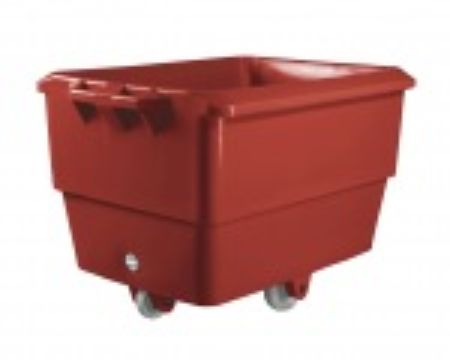 Food Grade Buggies - FDA Carts
 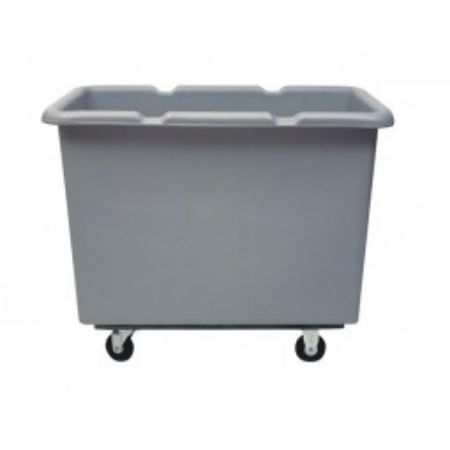 Industrial Poly-Box Trucks
 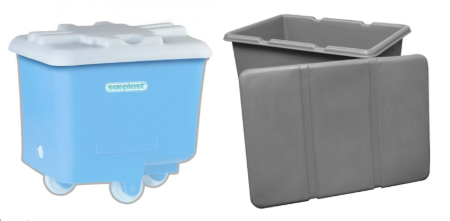 Carts Options and Accessories
 Cone Bottom Tanks - Closed Top Plastic Tanks
STOCK / LEAD TIMES
DISPLAYED IN REAL TIME
GET AN ONLINE QUOTE
ONLINE PURCHASE ONLY
SHIPPING COSTS
CALCULATED ONLINE
SAME-DAY PICKUP/ SHIPPING
ORDER BEFORE 11 A.M.
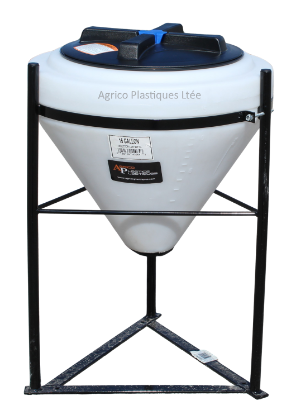
Close Top Cone Bottom Tank, White 1.5 sg. Steel Stand Included - 15 US Gallons / 56 Liters
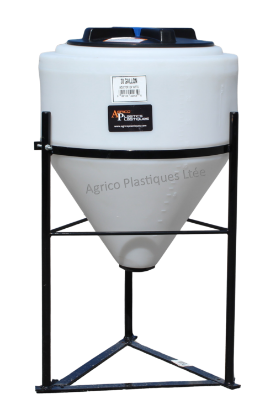
Close Top Cone Bottom Tank, White 1.5 sg. Steel Stand Included - 30 US Gallons / 114 Liters
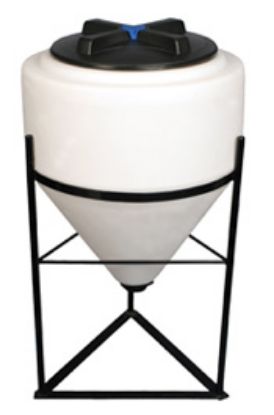
Close Top Cone Bottom Tank, White 1.5 sg. Steel Stand Included - 60 US Gallons / 227 Liters
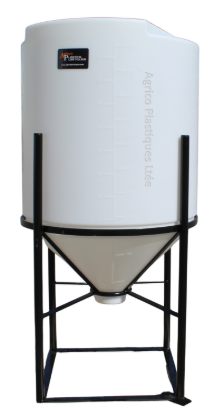
Close Top Cone Bottom Tank, White 1.5 sg. Steel Stand Included - 100 US Gallons / 378 Liters
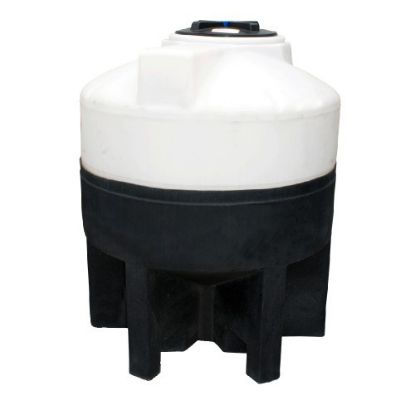
Close Top Cone Bottom Tank, White 1.5 sg. Polyethylene Stand Included - 175 US Gallons / 662 Liters
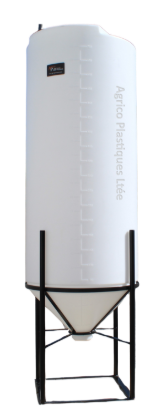
Close Top Cone Bottom Tank, White 1.5 sg. Steel Stand Included - 200 US Gallons / 579 Liters
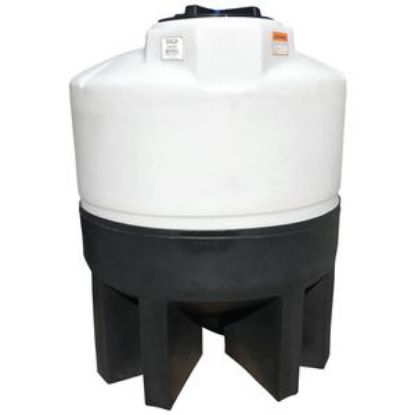
Close Top Cone Bottom Tank, White 1.5 sg. Polyethylene Stand Included - 300 US Gallons / 1135 Liters
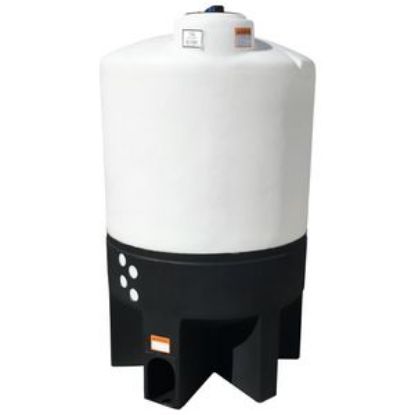
Close Top Cone Bottom Tank, White 1.5 sg. Polyethylene Stand Included - 310 US Gallons / 1173 Liters

Close Top Cone Bottom Tank, White 1.5 sg. Polyethylene Stand Included - 500 US Gallons / 1893 Liters
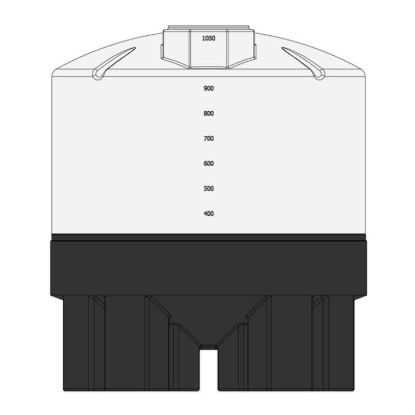
Close Top Cone Bottom Tank, White 1.5 sg. Polyethylene Stand Included - 1050 US Gallons / 3975 Liters
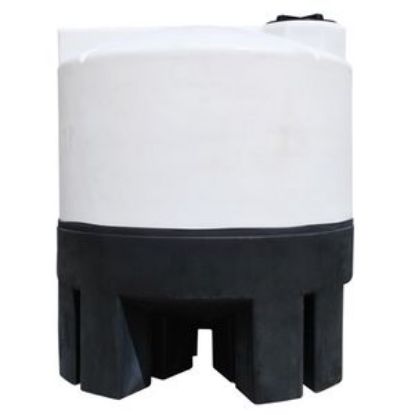
Close Top Cone Bottom Tank, White 1.5 sg. Polyethylene Stand Included - 1600 US Gallons / 6057 Liters
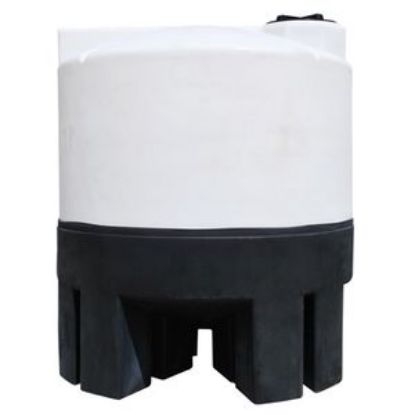
Close Top Cone Bottom Tank, White 1.5 sg. Polyethylene Stand Included - 2500 US Gallons / 9463 Liters
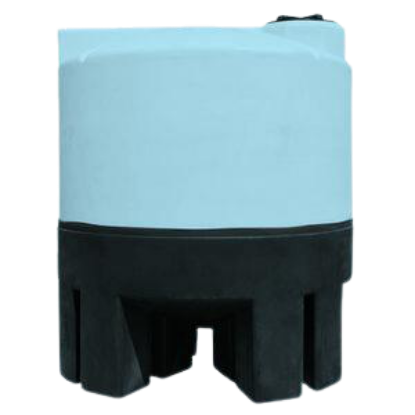
Close Top Cone Bottom Tank, Blue 1.9 sg. Polyethylene Stand Included - 2500 US Gallons / 9463 Liters
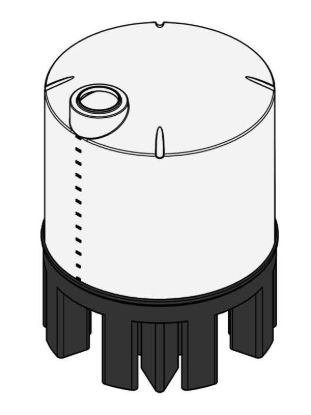
Close Top Cone Bottom Tank, White 1.5 sg. Polyethylene Stand Included - 3000 US Gallons / 11 356 Liters
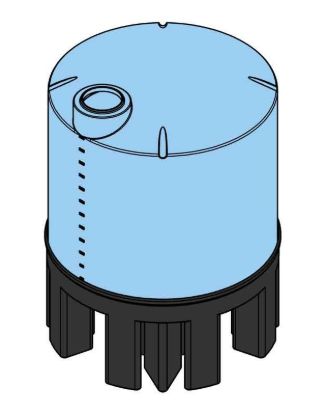
Close Top Cone Bottom Tank, Blue 1.9 sg. Polyethylene Stand Included - 3000 US Gallons / 11 356 Liters
Closed-top cone-bottom tanks: plan for drainage and installation
A closed-top cone-bottom tank directs liquid toward an outlet at the bottom of the cone. Its stand raises the tank to allow connections underneath. The closed top limits exposure to dust, while the lid provides access to the contents.
This tank is primarily used for heavy, viscous or heterogeneous products containing sediment, or when complete drainage or cleaning between uses is important. Tank selection depends on the liquid and the installation: a cone bottom alone does not guarantee that every viscous product will flow.
To compare possible uses, visit our section on tanks for food, agricultural and industrial applications.
Compare configurations
Differences in the stand, roof shape and specific gravity rating matter as much as capacity. We select an assembly suited to the project, without assuming that all cone-bottom tanks have the same characteristics.
| Configuration | Purpose | Point to check |
|---|---|---|
| Steel stand | Raises the tank and provides access to the bottom outlet | Overall assembly dimensions and exposure conditions for the steel stand |
| Polyethylene stand | Raises the tank on a stand that does not rust | Suitability for the environment and clearance beneath the cone |
| Flat or domed top | Provides a different configuration for installing connections | Overall height and space needed to open the lid |
| Tank specific gravity rating | Allows storage of liquids with different weights | Actual operating temperature and chemical compatibility |
The stand designed for the tank is part of the installation. It must not be replaced with an improvised support. That is why it is included in the tank price. Installation on the original stand is required for the manufacturer's tank warranty. To compare another storage configuration, our closed-top vertical tanks offer an alternative to consider.
An outlet beneath the cone: plan for accessories too
At Agrico, we can prepare additional connections to suit the application. The location of inlets, outlets, the overflow, the vent or any other connection must be discussed before ordering, taking piping and access constraints into account.
An important point: the distance between the cone and the floor is not automatically sufficient for your installation. A change in piping direction may be needed, for example with a 90° elbow, if space and the configuration allow it. The valve and adapters are then planned, with appropriate support for the assembly. To validate the project, we check the tank with its accessories installed and the surrounding equipment, not just the tank height.
A polypropylene or PVC ball valve can control the liquid outlet, but the chemical compatibility of the materials must always be checked. Elbow fittings allow a different piping direction to be considered. Their selection depends on the thread, diameter and available space.
For an additional connection, stainless steel bolted bulkhead fittings can be evaluated if standard threaded fittings do not meet the requirements. If transfer requires a flexible connection, we select liquid suction and discharge hoses according to the liquid and service conditions.
Check the liquid and operating conditions
Before recommending a tank, we need to know the product, its concentration, its specific gravity and its actual temperature. Compatibility must also be checked for the fittings, gaskets and valve.
A higher specific gravity rating does not automatically make the tank suitable for a chemical or a hot liquid. These criteria must be validated together.
For food processing applications, resin compliance with FDA requirements is not enough to validate the entire installation. The product, accessories and planned cleaning must also be considered.
These tanks are intended for above-ground use and cannot be pressurized. A closed top does not turn the tank into a pressure vessel.
Frequently asked questions
Does a cone bottom guarantee drainage without residue?
It directs the contents toward the bottom outlet. The result also depends on the liquid's viscosity, its behaviour and the drainage assembly. For a thick product, we validate the application before promising complete drainage. However, a cone bottom promotes drainage toward the outlet, unlike a flat bottom.
Can a cone-bottom tank be used without its stand?
No. The tank must be installed on the stand designed for its configuration. This stand supports the tank, avoids inappropriate pressure points and provides access to the outlet beneath the cone. Installation on the original stand is also a condition of the manufacturer's warranty.
When should you choose a closed-top cone-bottom tank?
When your operation requires complete drainage or the product is thick, viscous or contains sediment, and access through the lid is sufficient for your operations. For full access from above, consider open-top cone-bottom tanks instead. The choice must account for the access required and the protection needed for the contents.
Validate your project before ordering
Specify the liquid, required capacity, operating temperature, available space and necessary connections. Our technical support service helps you select the tank and accessories suited to these constraints.
Contact us to discuss your installation Inventory in REAL TIME !
  Pickup and Shipping the SAME DAY ! (Order placed before 11 a.m.)
Monday - Thursday
Friday
Saturday
Sunday
8 am to 12 pm / 1 pm to 4:30 pm
8 am to 12 pm / 1 pm to 3:45 pm
Closed
Closed



Monday - Thursday
8:00 a.m. to 12:00 p.m.
1:00 p.m. to 4:30 p.m
Friday
8:00 a.m. to 12:00 p.m.
1:00 p.m. to 3:45 p.m.
Saturday
Closed
Sunday
Closed