

Selling only
in Canada
Plastic Storage Tanks
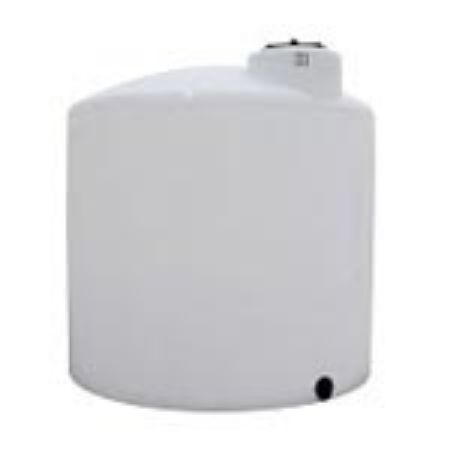 Vertical Closed Top Storage Tanks
 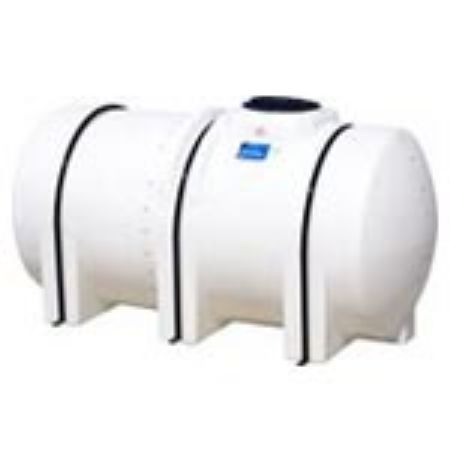 Free Standing Horizontal Tanks
 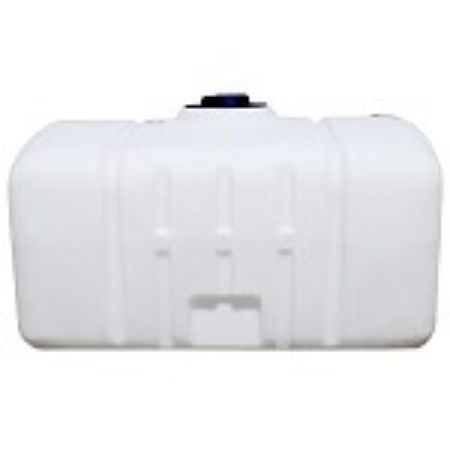 Rectangular Utility Tanks
  1000 Litre IBC Tanks (Cage Tote)
 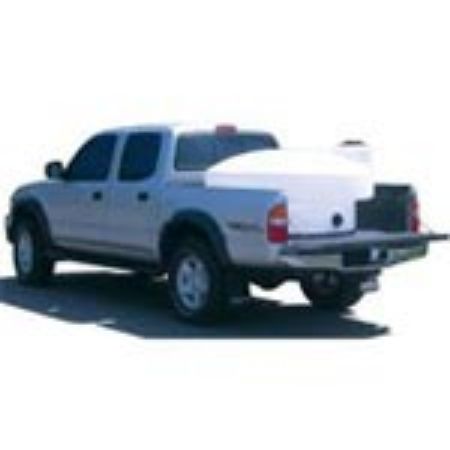 Pick up Tanks
 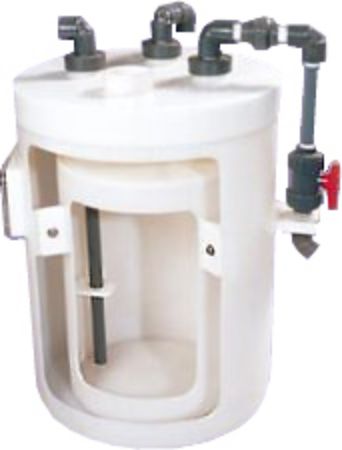 Double Wall Tanks
 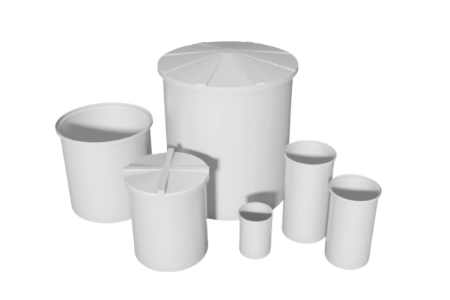 Vertical Open Top Storage Tanks
 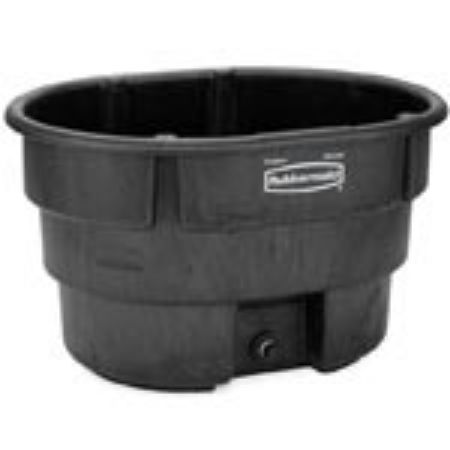 Plastic Water Stock Tank
 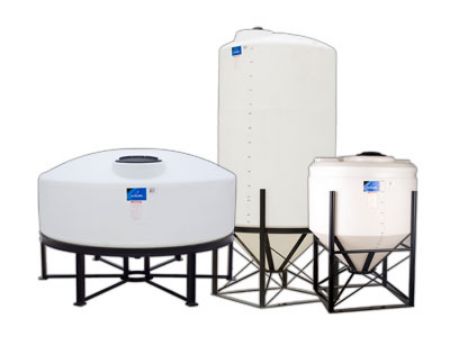 Cone Bottom Tanks - Closed Top Plastic Tanks
 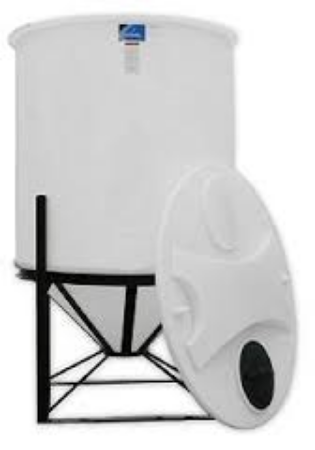 Cone Bottom Tanks - Open Top Plastic Tanks
 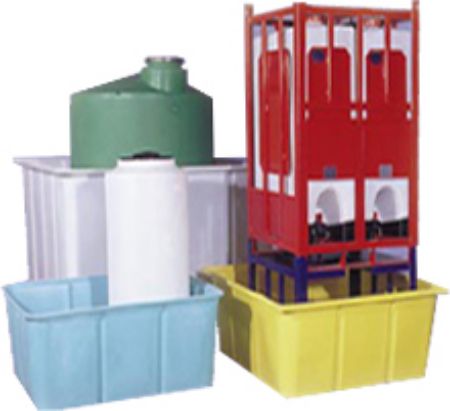 Secondary containment basins
 Tank Fittings and Accessories
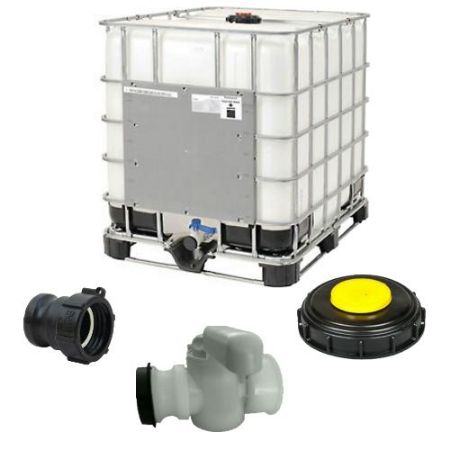 Cage Tank Parts (IBC Tote)
 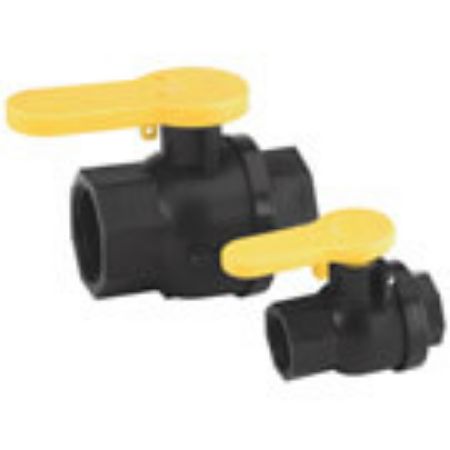 Polypropylene and PVC Ball Valves
 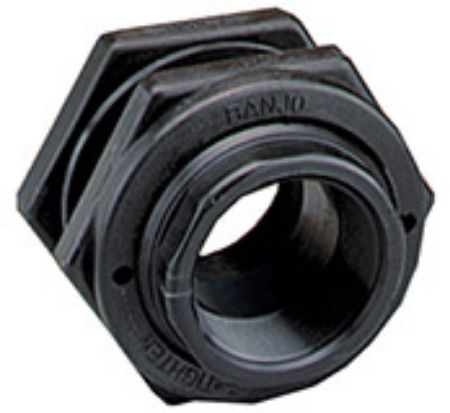 Polypropylene and PVC Tank Fittings
 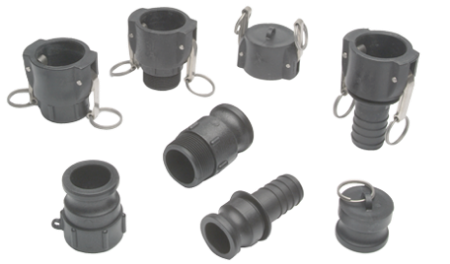 Camlock Fittings
 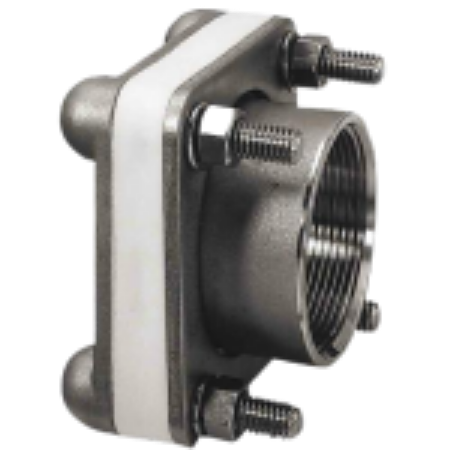 Stainless Steel Bolted Fitting
 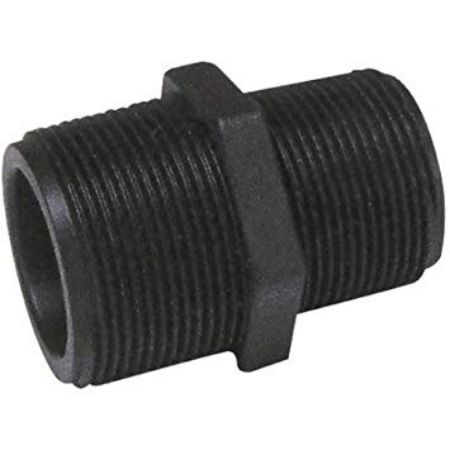 Polypropylene Threaded Reducer Nipples
 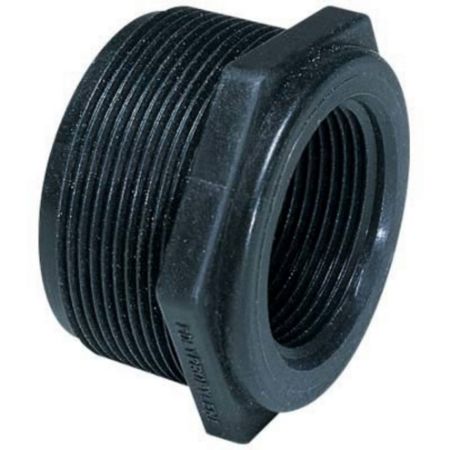 Polypropylene Threaded Reducer Bushings
 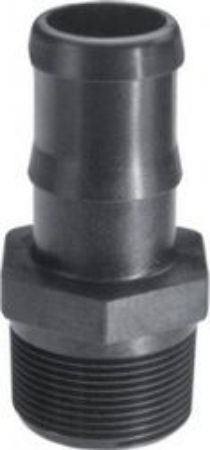 Hose Barb Fitting Adapter
 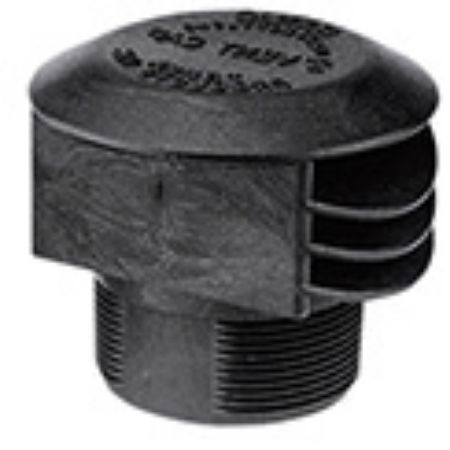 Vent Caps
 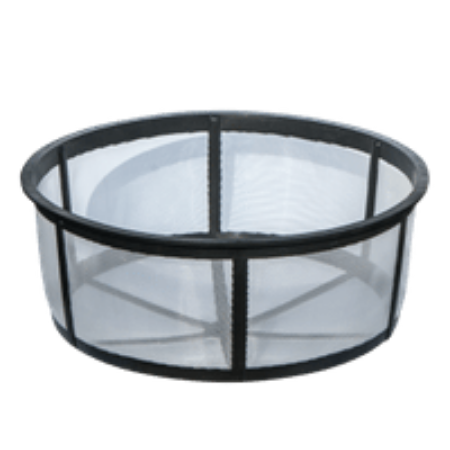 Filter Strainer Baskets
 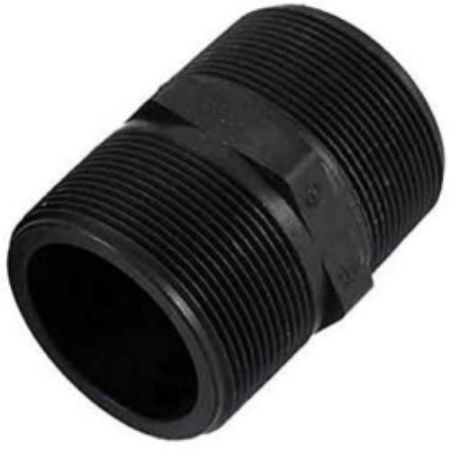 Threaded Pipe Nipples
 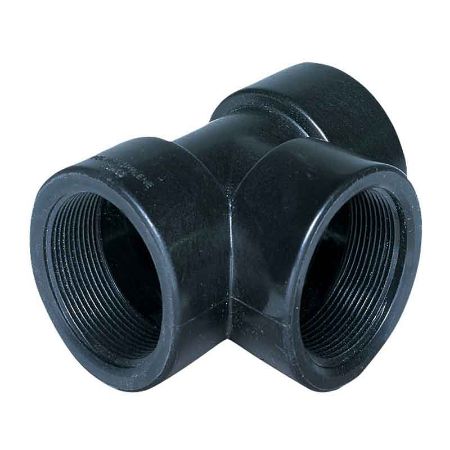 Polypropylene Tee Fitting, NPT Female Thread
 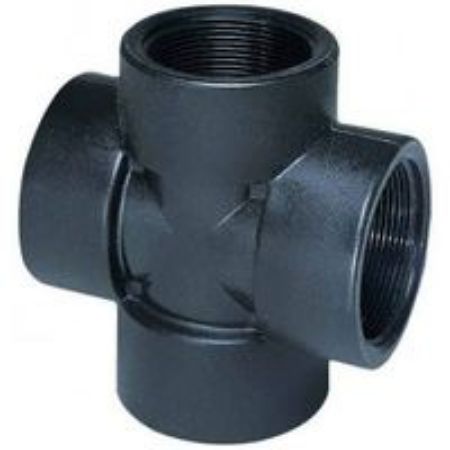 Polypropylene Cross Fitting, NPT Female Thread
 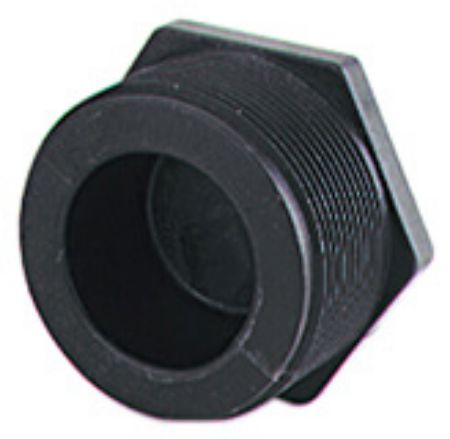 Drain Plugs
 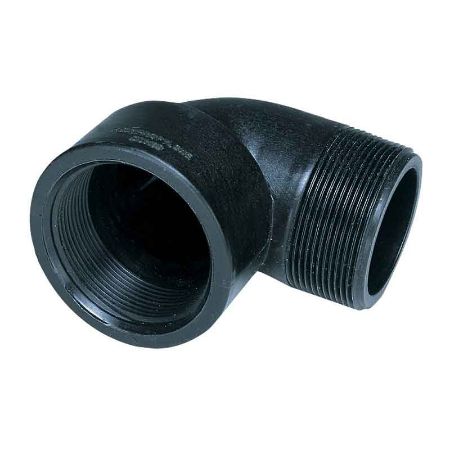 Elbow fittings
 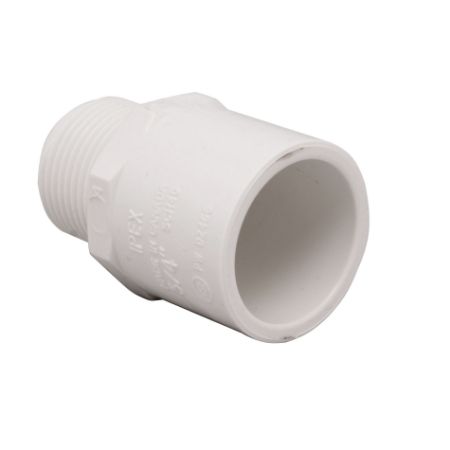 PVC Adapter, NPT Male Thread to Socket End
 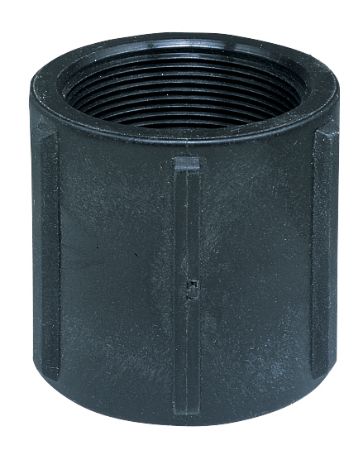 Polypropylene Threaded Pipe Couplings
 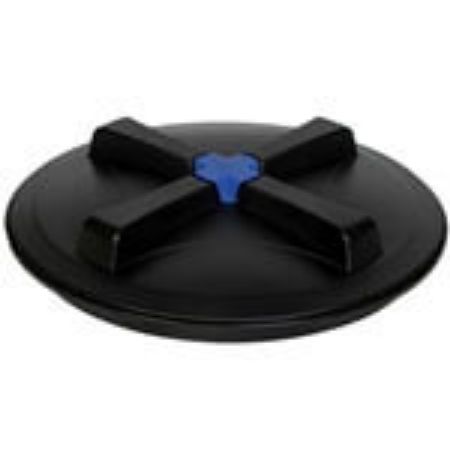 Closed Top Tank Lids
 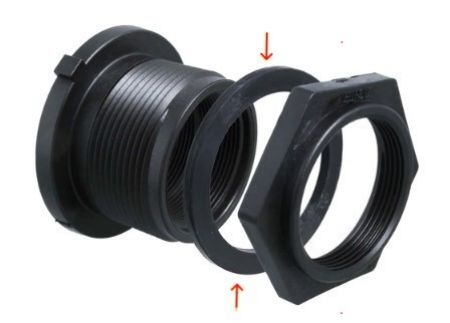 Replacement Gasket for Bulkhead Fitting
 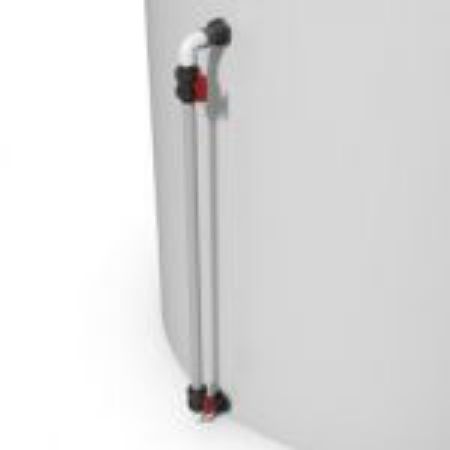 Level Indicator
  Miscellaneous accessories
 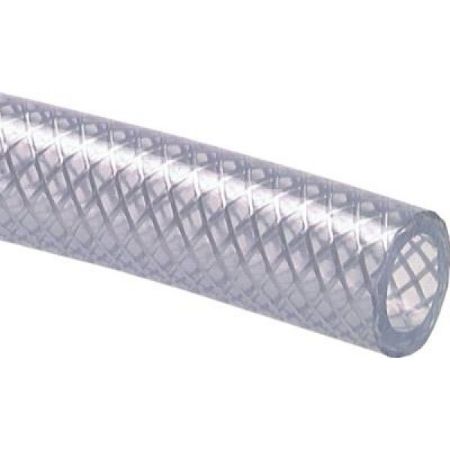 Potable Water Hoses
  Liquid Suction and Discharge Hoses
 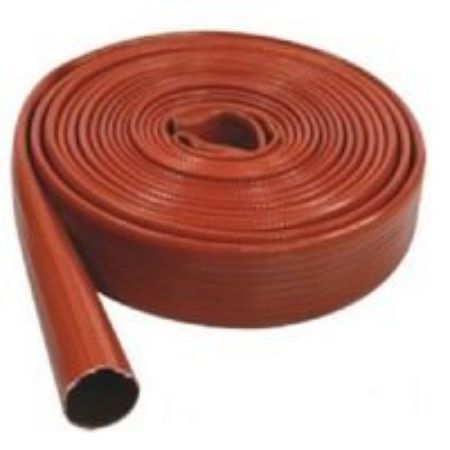 Liquid Discharge Hoses
  Assembled Liquid Discharge Hoses
 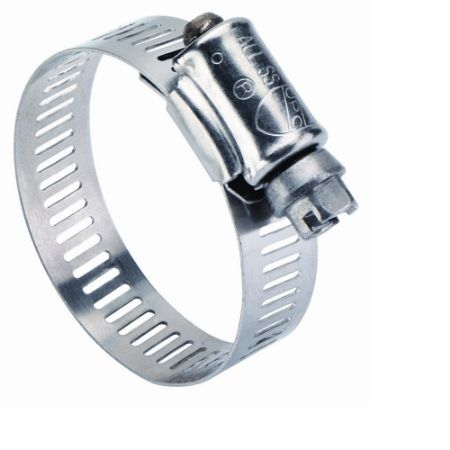 Hose Clamps
  Fire Hose
 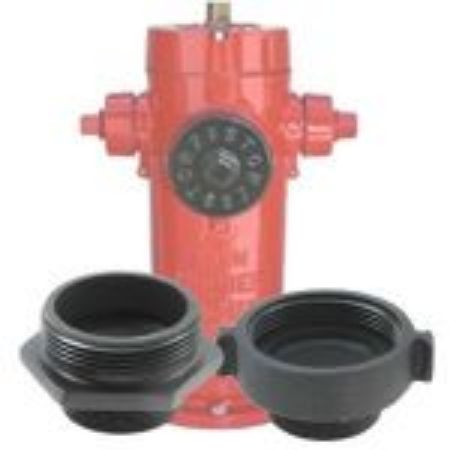 Fire Hydrant Adapters for Quebec
 Solid-walled and solid-bottom plastic food containers
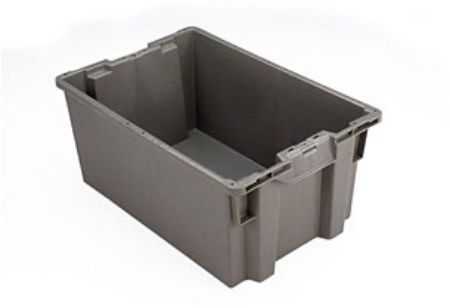 Food Grade Containers, Solid Walls and Bottom
 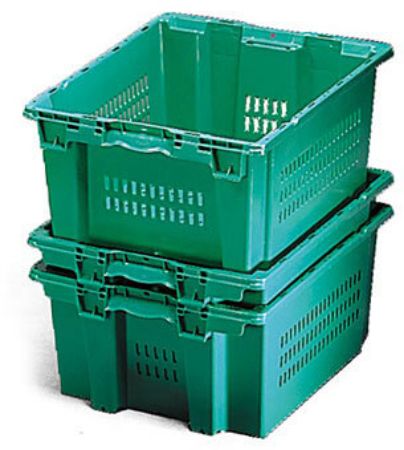 Food Grade Containers. Vented Walls and Bottom
 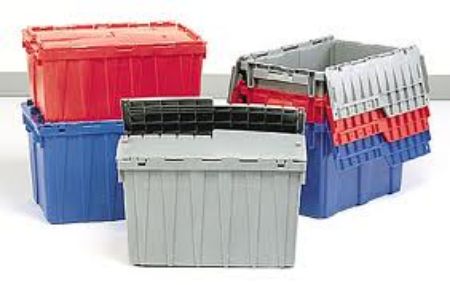 Attached Lids Plastic Containers
 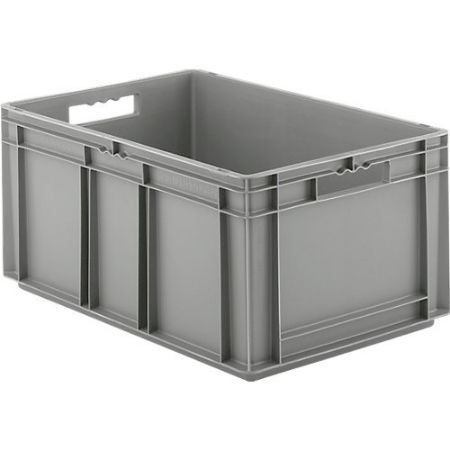 Industrial Plastic Containers, Solid Walls and Botton
 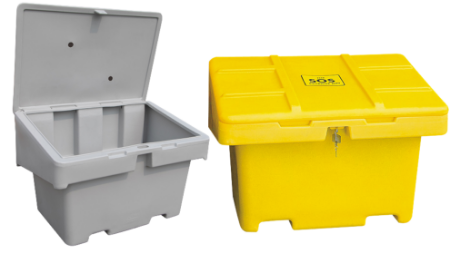 Sand and Salt Plastic Storage Bins
 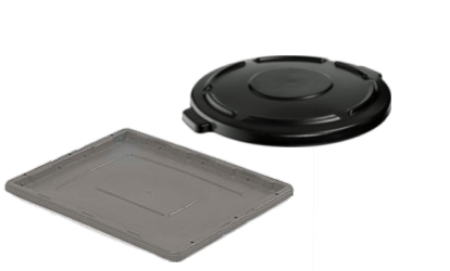 Containers - Lids and Covers
 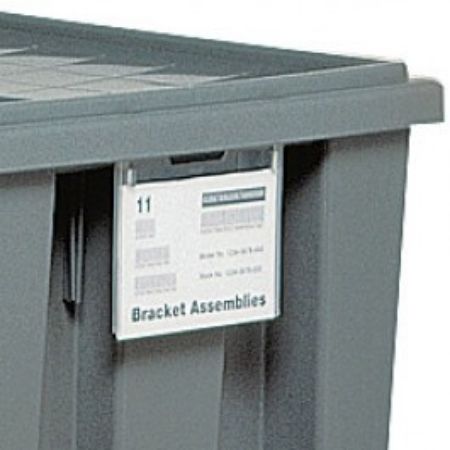 Containers - ID and Hot Stamp
 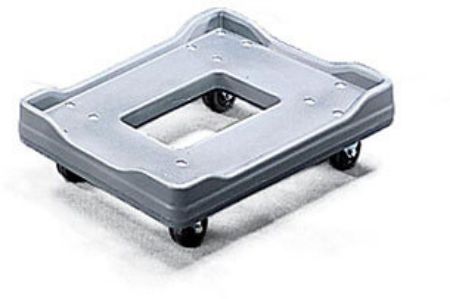 Containers - Dollies
 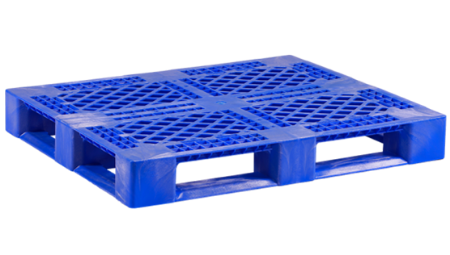 FDA Food Grade Plastic Pallets
 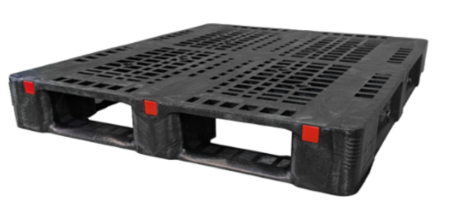 Industrial Plastic Pallets for Warehouse and Racking
 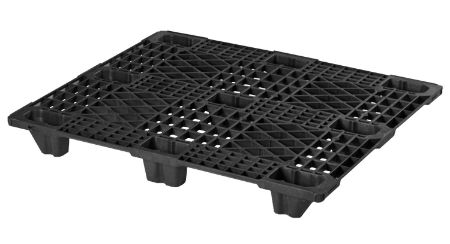 Export Plastic Pallet
 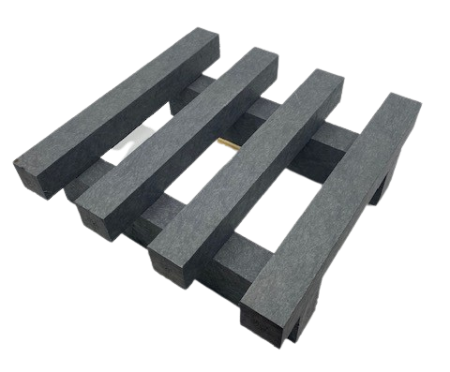 Display Plastic Pallets
 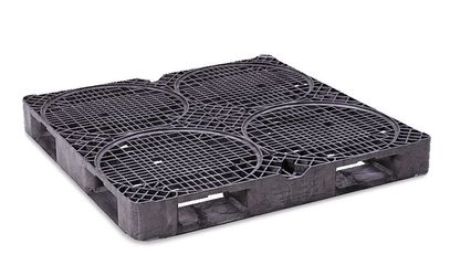 Drum Plastic Pallets
 Plastic pallet boxes
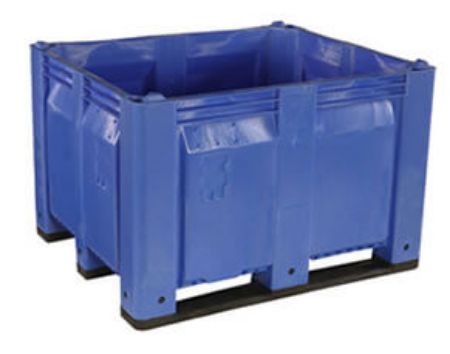 Plastic Pallet Boxes, Solid walls and Bottom
 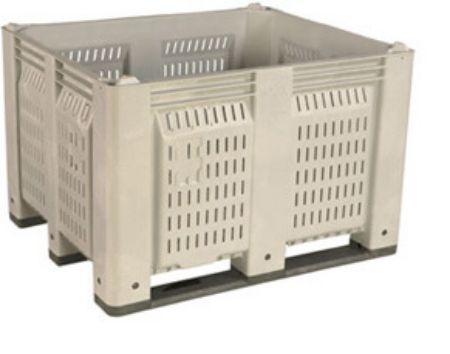 Plastic Pallet Boxes, Vented walls and Bottom
 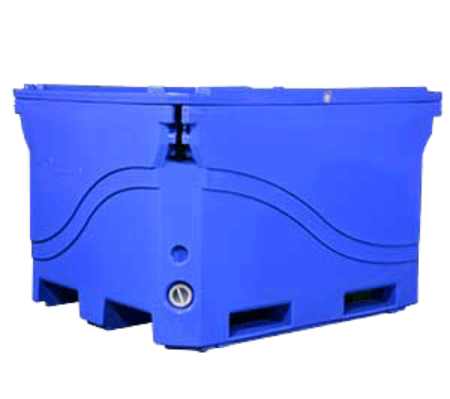 Insulated Plastic Pallet Boxes
 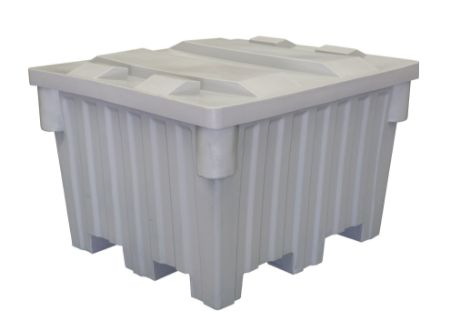 Tapered-wall Pallet Boxes
 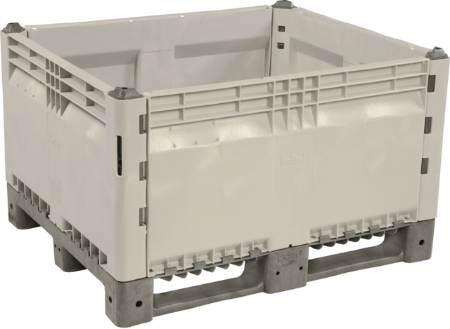 Removable walls Pallet Boxes
 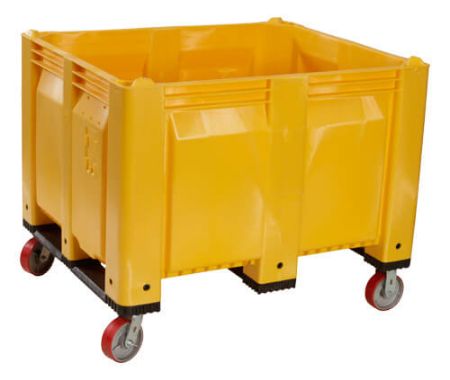 Pallet Boxes on Casters
 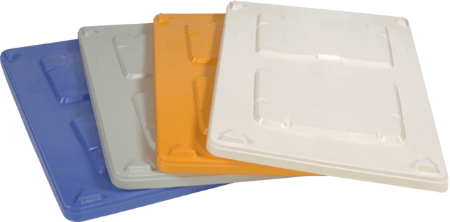 Lids - Pallet Boxes
 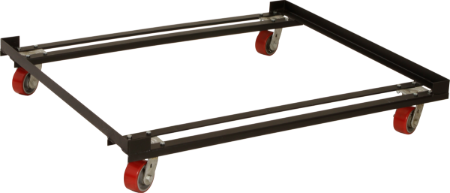 Pallet Boxes Bin Cart
 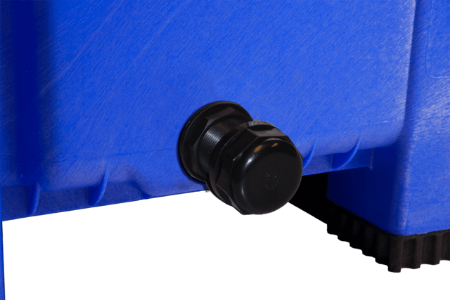 Drain Option for Pallet Boxes
 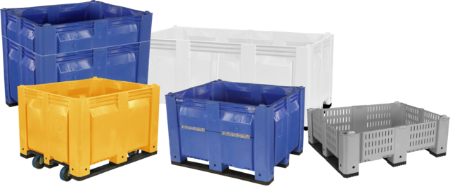 Custom Plastic Pallet Boxes
 Utility and service carts
 Food Grade Buggies - FDA Carts
  Industrial Poly-Box Trucks
  Carts Options and Accessories
 Food Grade Containers. Vented Walls and Bottom
STOCK / LEAD TIMES
DISPLAYED IN REAL TIME
GET AN ONLINE QUOTE
ONLINE PURCHASE ONLY
SHIPPING COSTS
CALCULATED ONLINE
SAME-DAY PICKUP/ SHIPPING
ORDER BEFORE 11 A.M.
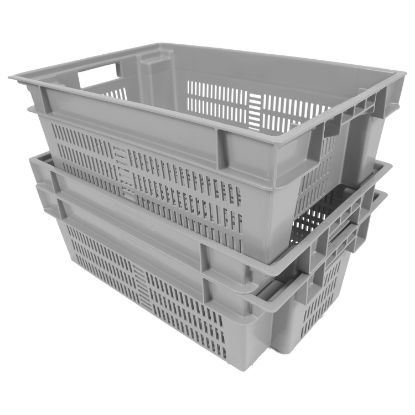
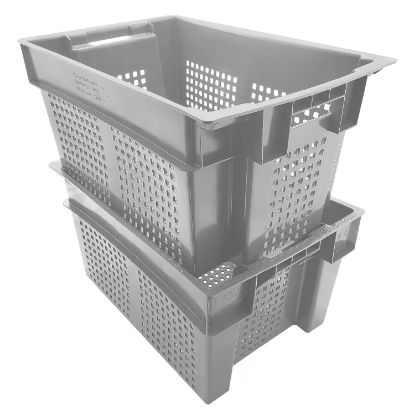
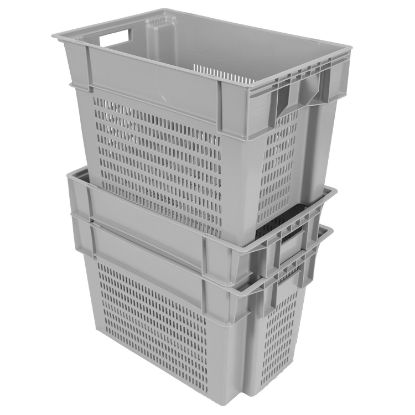
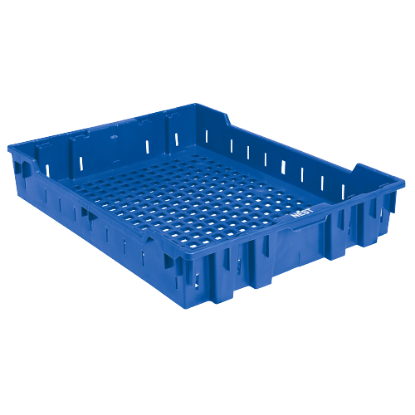
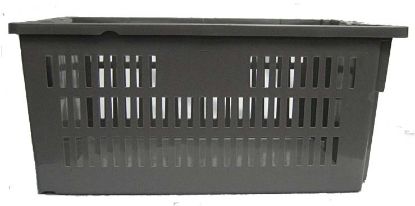
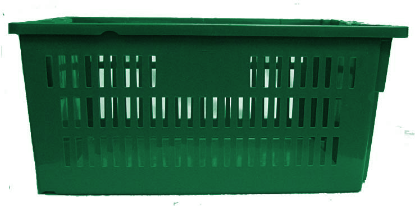
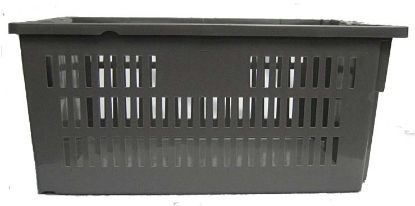
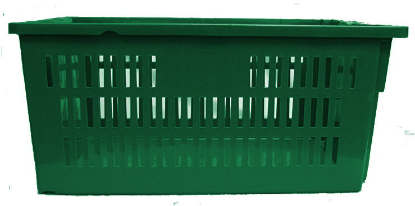
Food grade plastic containers with vented walls and bottom
Plastic containers with vented walls and bottoms allow air and water to circulate around their contents. Also known as vented containers, ventilated containers or perforated plastic containers, they are suitable for operations requiring ventilation, drainage, cooling, freezing or soaking.
These containers are used in food processing, agriculture and many industrial applications. They can be used to harvest and handle fruits and vegetables, cool or freeze food products, drain washed products or soak industrial parts.
All models in this category are food grade. Depending on the model, they are approved by the CFIA or manufactured from material that complies with FDA requirements. They can also be used in industrial environments to transport, wash, drain or store parts and other items.
Compare the Main Series
| Series | Construction | Dimensions L × W × H (in) | Capacity (L) | Load Capacity (lb) | Main Advantage |
|---|---|---|---|---|---|
| AC | Vented walls and bottom | 24 × 16 × 8 | 32 | 44 | Shallow format for ventilation and drainage |
| AC | Vented walls and bottom | 24 × 16 × 12 | 50 | 44 | More capacity with the same footprint |
| AC | Vented walls and bottom | 24 × 16 × 16 | 70 | 44 | High capacity in a 24 × 16 format |
| AC | Vented walls and bottom | 28 × 22 × 5 | 51 | 30 | Large surface area and low height |
| GSV | Two vented long walls and vented bottom, two solid short walls | 24 × 16 × 7.1 | 28.3 | 50 | Drainage and ventilation with solid short walls |
| GSV | Two vented long walls and vented bottom, two solid short walls | 24 × 16 × 8.5 | 36.8 | 50 | More capacity with the same footprint |
GSV models are available in grey or green. Models with the same dimensions but different colours retain the same main characteristics.
Choosing Between the AC and GSV Series
Fully Vented AC Series
AC Series containers have four vented walls and a vented bottom. This construction promotes airflow and water drainage on all sides of the container. No lid or dolly is available for this series. The 24" × 16" formats are available in three heights. This allows the same footprint to be maintained while adapting the capacity to the volume of product.
The 28" × 22" × 5" model provides a larger surface area and a lower height, which can be useful when the contents need to be spread in a shallower layer. No lid is available, but a dolly is offered as an option.
AC containers can be stacked without a lid when positioned in the intended orientation. When empty and rotated 180°, they can be nested. The 24" × 16" formats offer a 3:1 nesting ratio, while the 28" × 22" × 5" model offers a 2:1 nesting ratio.
Partially Vented GSV Series
GSV containers have a vented bottom and two vented long sides. The two short sides are solid. This construction provides drainage and ventilation while maintaining solid surfaces at both ends of the container. A lid and dolly are available as options.
They can be stacked with or without a lid by rotating them 180° and can be nested when empty. Their nesting ratio is 3:1. Identification areas located near the handles also make it easier to identify products or batches.
Important Selection Criteria
Opening Size and Transported Contents
The product must be large enough that it cannot pass through the openings. Before selecting a container, consider the size, shape and fragility of its contents.
For small products, fine ingredients, liquids or items that must be protected from dust, a container with solid walls and bottom may be preferable.
Ventilation and Cooling
The openings facilitate airflow, but they do not guarantee uniform cooling on their own. Results also depend on the fill level, product density, stacking configuration, spacing between containers and airflow within the facility.
An overfilled container or an unsuitable stacking configuration can restrict airflow even when the walls are vented.
Washing, Draining and Soaking
The vented bottom allows water to drain after washing or soaking. However, the drainage path must be planned to prevent water from accumulating on the floor or equipment.
On a washing line or in an automated environment, the bottom must also be checked for compatibility with conveyors, rollers and supporting surfaces.
Stacking, Nesting and Returning Empty Containers
A stackable container supports another container when placed in the correct orientation. A nestable container fits inside another when empty, reducing the space required for storage or return transportation.
The 180° orientation is therefore important. Incorrect positioning can prevent stacking or cause the containers to nest unintentionally.
Common Mistakes to Avoid
- Selecting a container without checking whether the product can pass through the openings.
- Assuming that every model has four vented walls.
- Confusing volume capacity with load capacity.
- Stacking the containers in the wrong orientation.
- Failing to plan for water drainage beneath the containers.
- Using a format that is incompatible with conveyors, pallets or washing areas.
- Combining several series without standardizing lids, dollies and stacking methods.
Frequently Asked Questions
Are These Containers Suitable for Harvesting Fruits and Vegetables?
Yes. Vented models facilitate ventilation, drainage and the handling of many fruits and vegetables. However, you must confirm that the products cannot pass through the openings.
Can They Be Used for Freezing?
Yes. Their vented construction promotes the circulation of cold air around the contents. However, performance depends on the fill level, stacking configuration and operation of the facility.
Can the Containers Be Stacked Without a Lid?
Yes, depending on the series and intended orientation. AC models can be stacked without a lid when correctly positioned. GSV models can be stacked with or without a lid.
Can They Be Used in Industrial Environments?
Yes. They can be used for washing, soaking, draining, transporting or storing industrial parts.
Need Help Choosing Your Vented Containers?
Tell us about the product you need to handle, its dimensions and weight, the required capacity, your washing method and your equipment. We can help you compare series, formats, capacities and stacking methods before ordering.
Our technical support service can help you validate your selection based on your application and equipment.
Contact Us Inventory in REAL TIME !
  Pickup and Shipping the SAME DAY ! (Order placed before 11 a.m.)

Monday - Thursday
Friday
Saturday
Sunday
8 am to 12 pm / 1 pm to 4:30 pm
8 am to 12 pm / 1 pm to 3:45 pm
Closed
Closed




Monday - Thursday
8:00 a.m. to 12:00 p.m.
1:00 p.m. to 4:30 p.m
Friday
8:00 a.m. to 12:00 p.m.
1:00 p.m. to 3:45 p.m.
Saturday
Closed
Sunday
Closed