

Selling only
in Canada
Plastic Storage Tanks
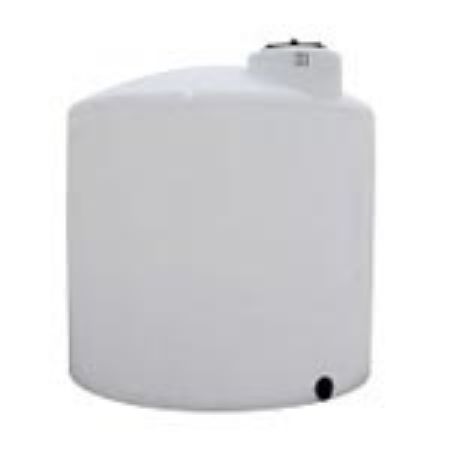 Vertical Closed Top Storage Tanks
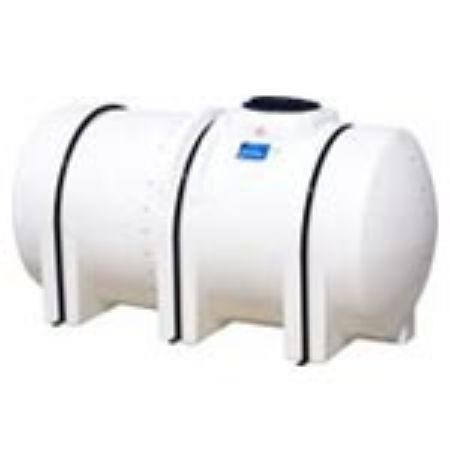 Free Standing Horizontal Tanks
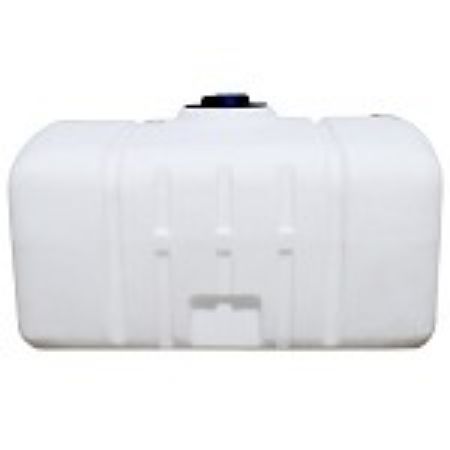 Rectangular Utility Tanks
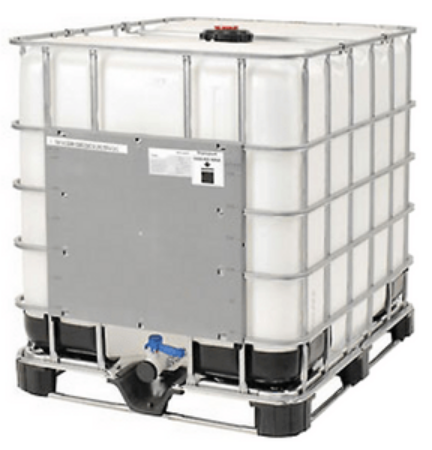 1000 Litre IBC Tanks (Cage Tote)
 Pick up Tanks
 Double Wall Tanks
 Vertical Open Top Storage Tanks
 Plastic Water Stock Tank
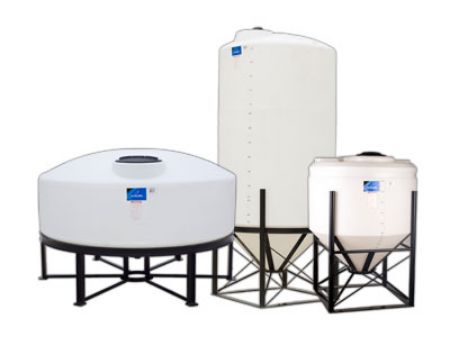 Cone Bottom Tanks - Closed Top Plastic Tanks
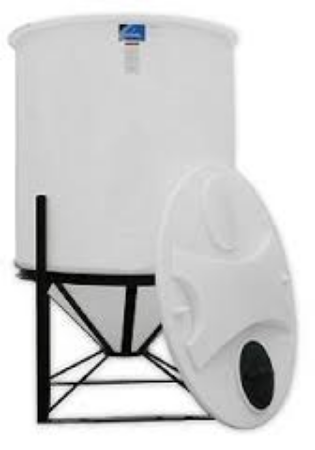 Cone Bottom Tanks - Open Top Plastic Tanks
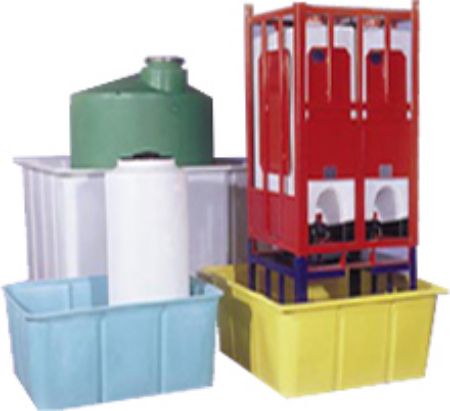 Secondary containment basins
Tank Fittings and Accessories
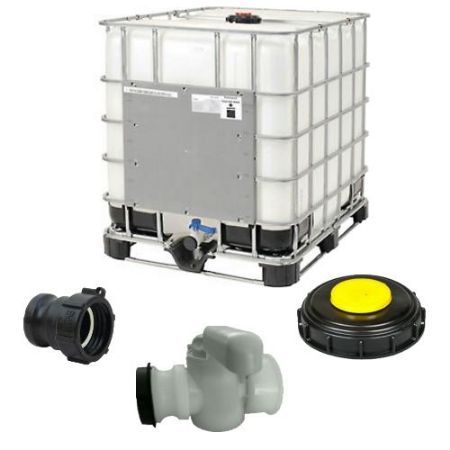 Cage Tank Parts (IBC Tote)
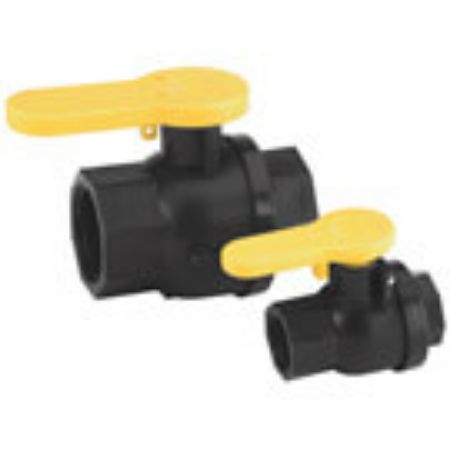 Polypropylene and PVC Ball Valves
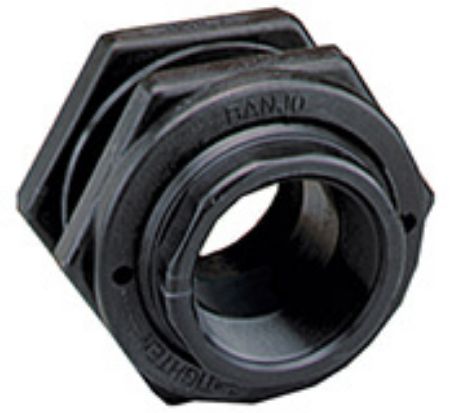 Polypropylene and PVC Tank Fittings
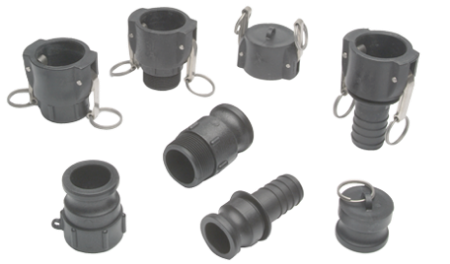 Camlock Fittings
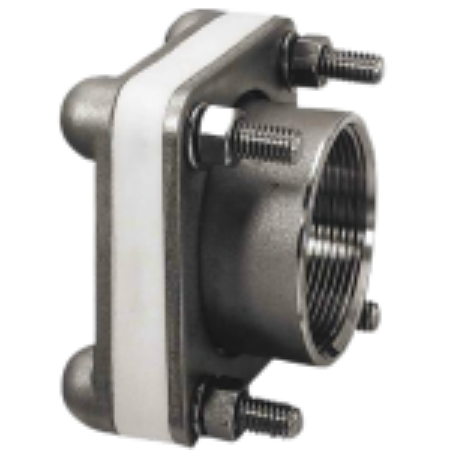 Stainless Steel Bolted Fitting
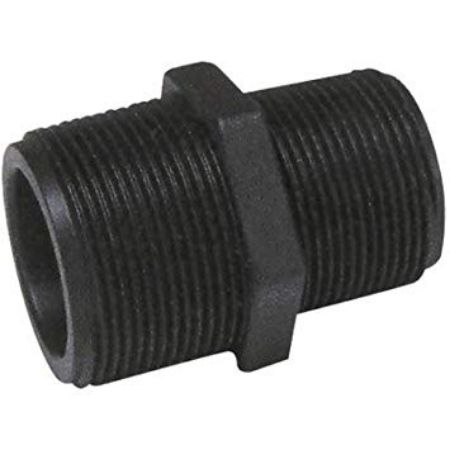 Polypropylene Threaded Reducer Nipples
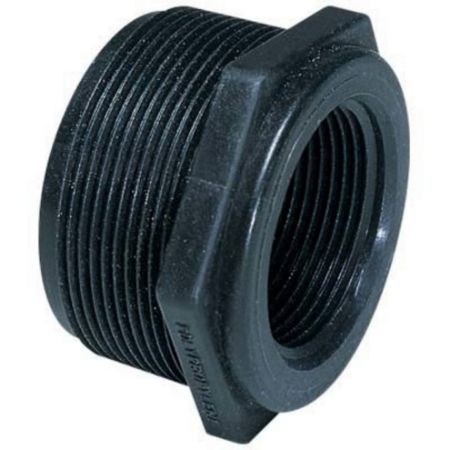 Polypropylene Threaded Reducer Bushings
 Hose Barb Fitting Adapter
 Vent Caps
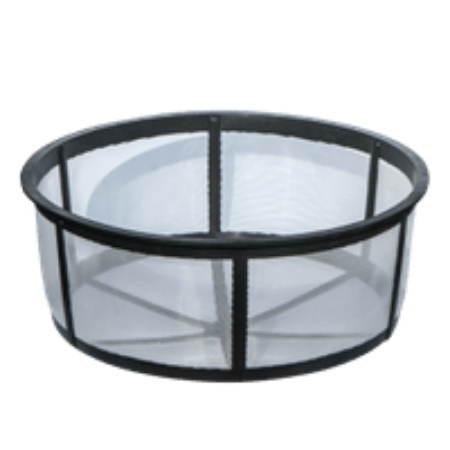 Filter Strainer Baskets
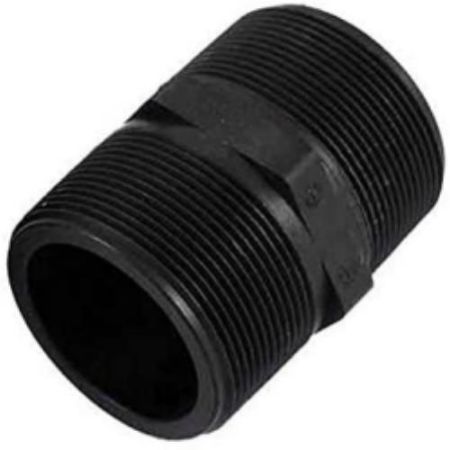 Threaded Pipe Nipples
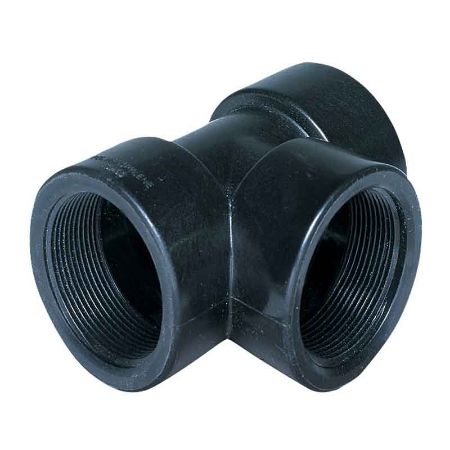 Polypropylene Tee Fitting, NPT Female Thread
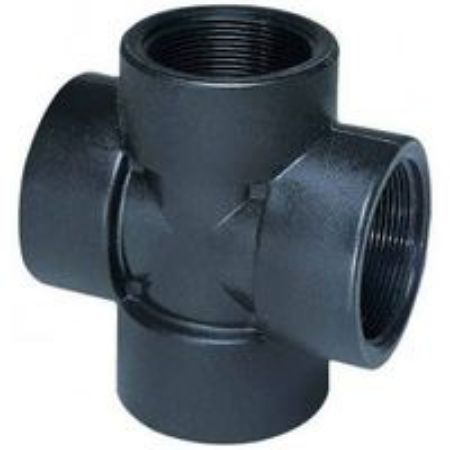 Polypropylene Cross Fitting, NPT Female Thread
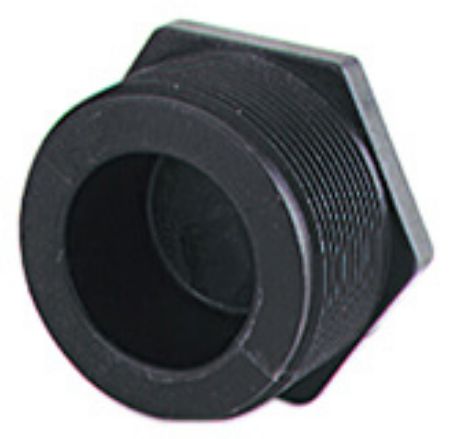 Drain Plugs
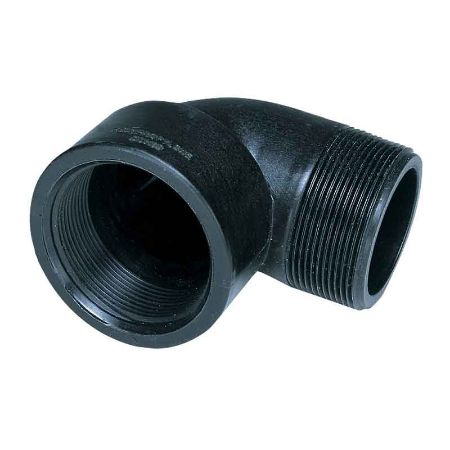 Elbow fittings
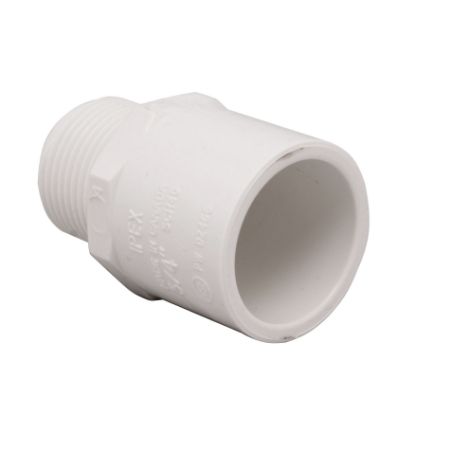 PVC Adapter, NPT Male Thread to Socket End
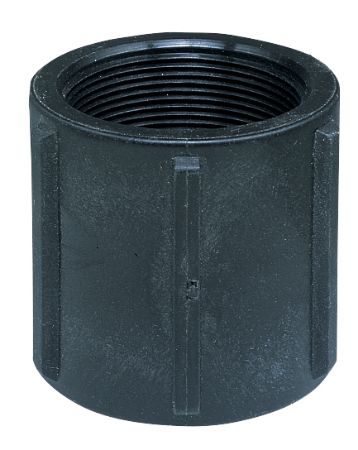 Polypropylene Threaded Pipe Couplings
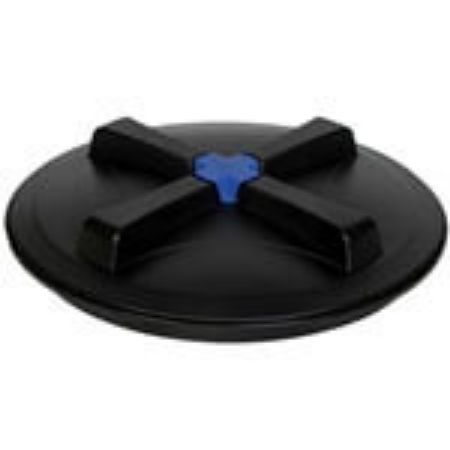 Closed Top Tank Lids
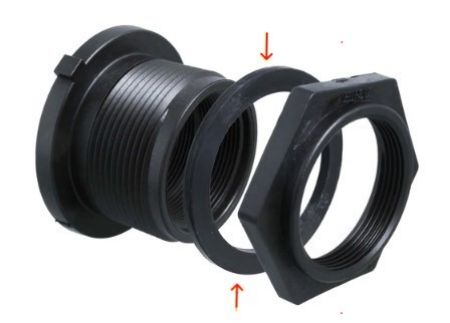 Replacement Gasket for Bulkhead Fitting
 Level Indicator
 Miscellaneous accessories
 Potable Water Hoses
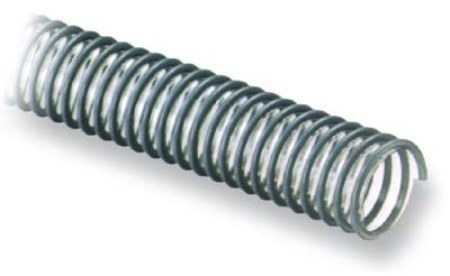 Liquid Suction and Discharge Hoses
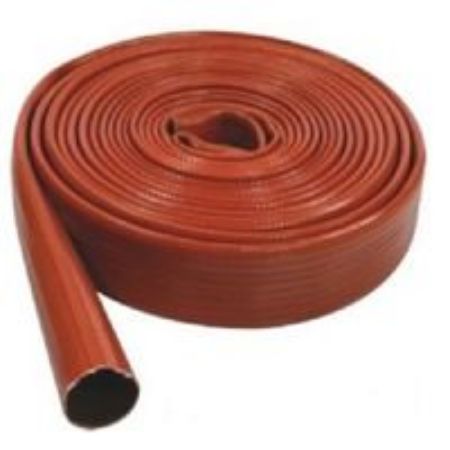 Liquid Discharge Hoses
 Assembled Liquid Discharge Hoses
 Fire Hose
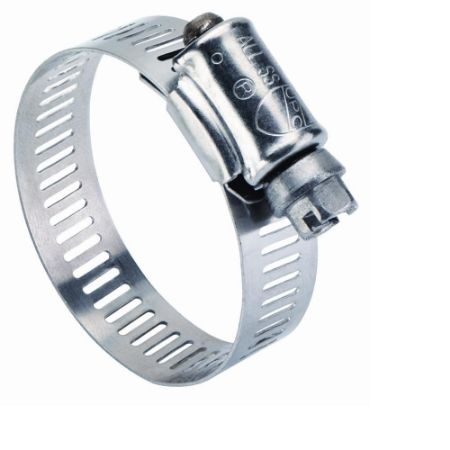 Hose Clamps
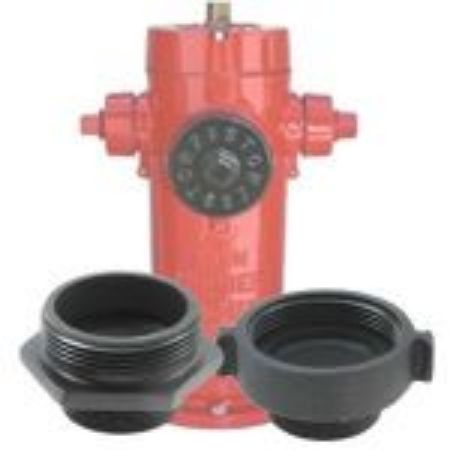 Fire Hydrant Adapters for Quebec
Solid-walled and solid-bottom plastic food containers
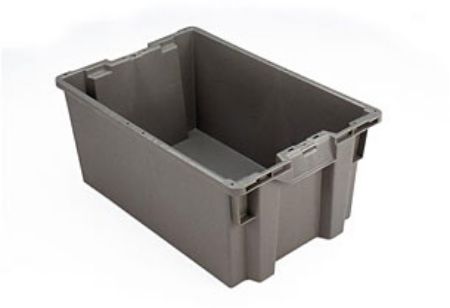 Food Grade Containers, Solid Walls and Bottom
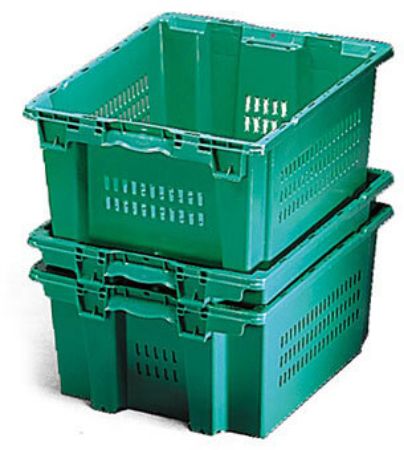 Food Grade Containers. Vented Walls and Bottom
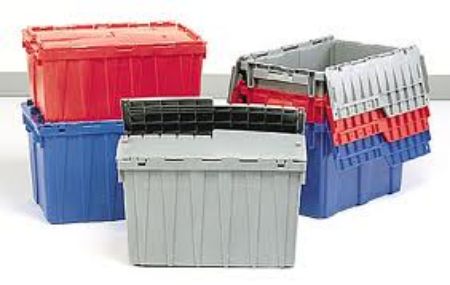 Attached Lids Plastic Containers
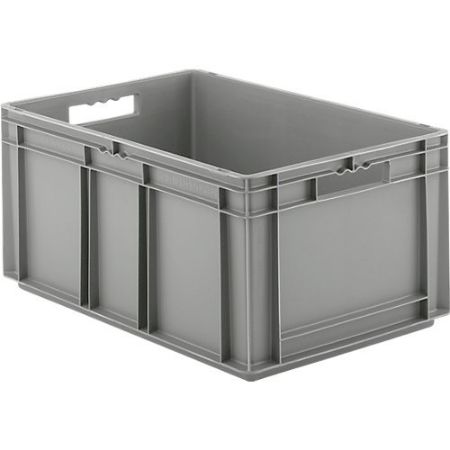 Industrial Plastic Containers, Solid Walls and Botton
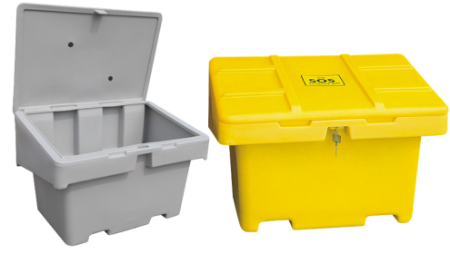 Sand and Salt Plastic Storage Bins
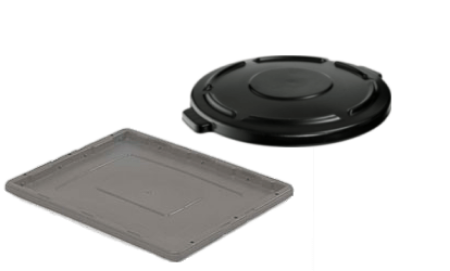 Containers - Lids and Covers
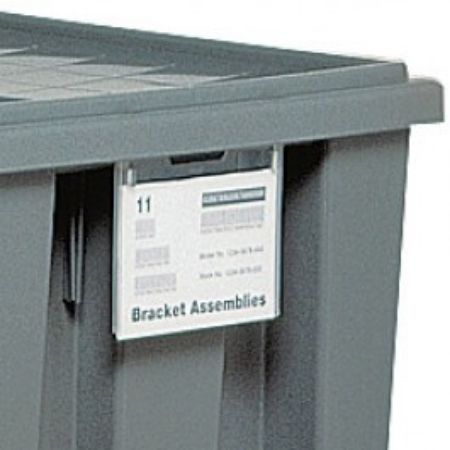 Containers - ID and Hot Stamp
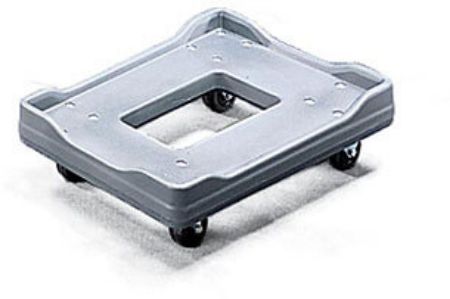 Containers - Dollies
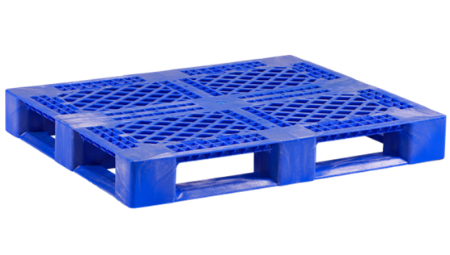 FDA Food Grade Plastic Pallets
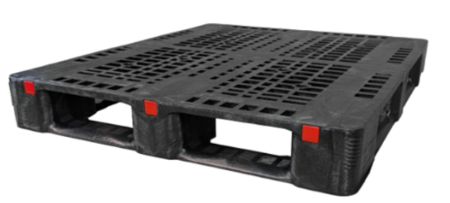 Industrial Plastic Pallets for Warehouse and Racking
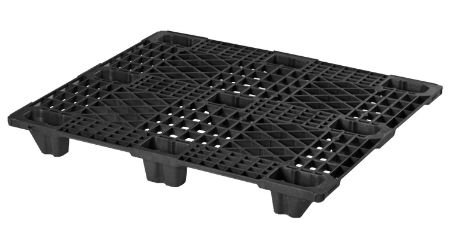 Export Plastic Pallet
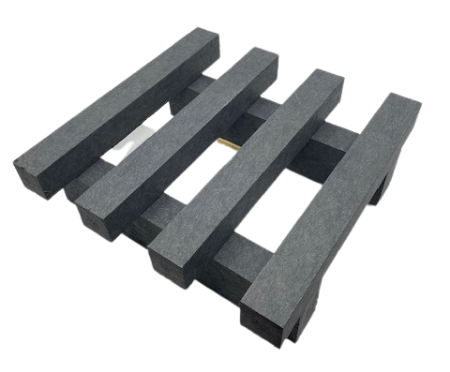 Display Plastic Pallets
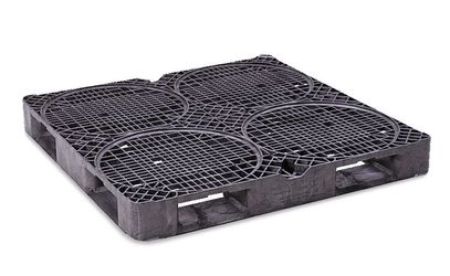 Drum Plastic Pallets
Plastic pallet boxes
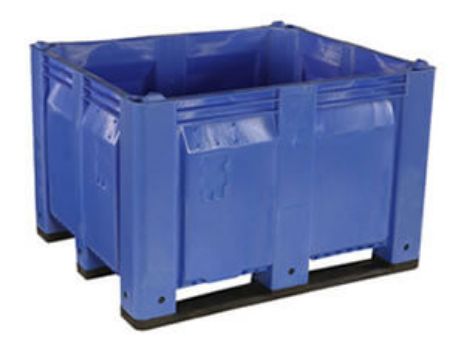 Plastic Pallet Boxes, Solid walls and Bottom
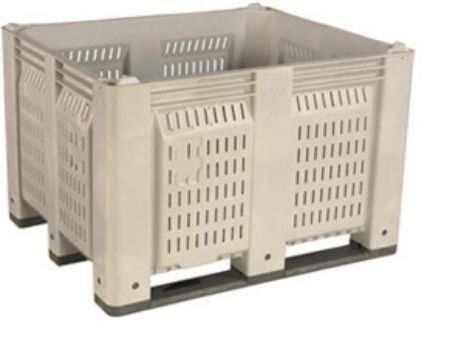 Plastic Pallet Boxes, Vented walls and Bottom
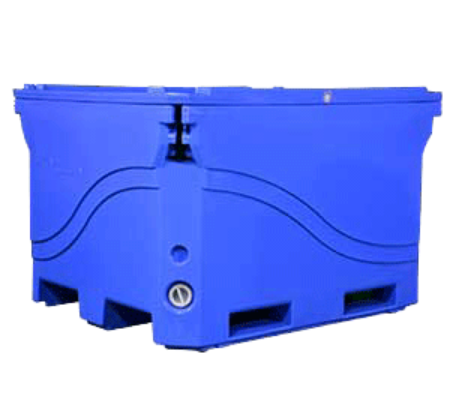 Insulated Plastic Pallet Boxes
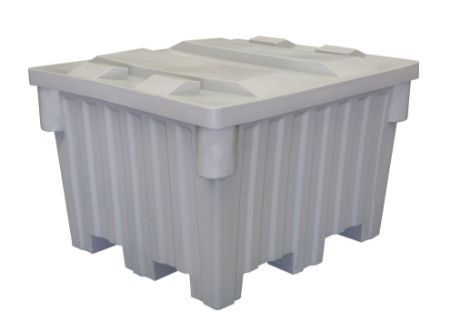 Tapered-wall Pallet Boxes
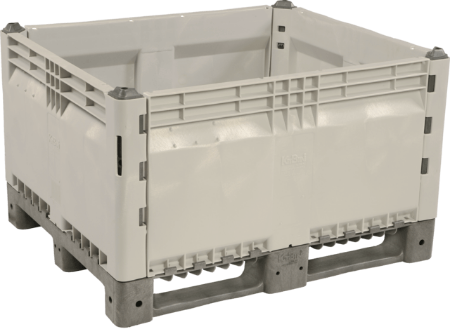 Removable walls Pallet Boxes
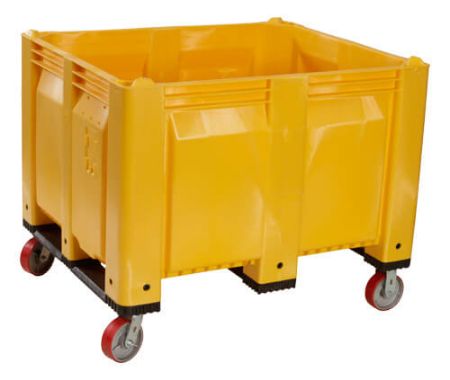 Pallet Boxes on Casters
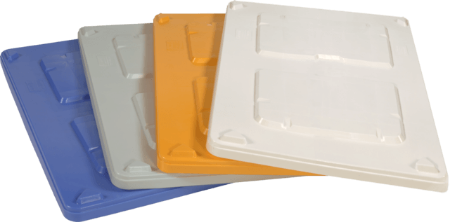 Lids - Pallet Boxes
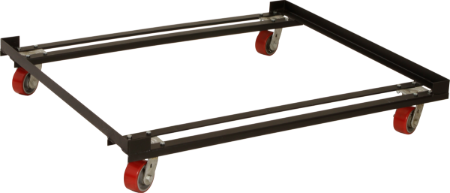 Pallet Boxes Bin Cart
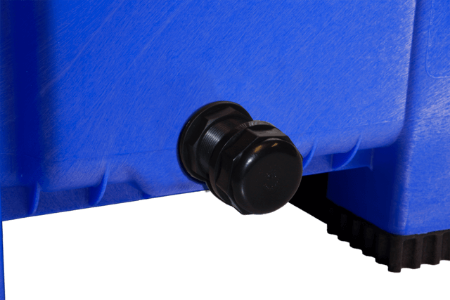 Drain Option for Pallet Boxes
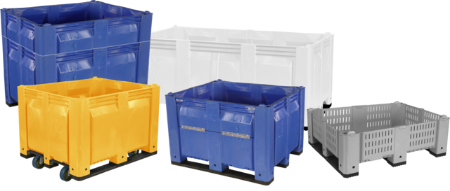 Custom Plastic Pallet Boxes
Utility and service carts
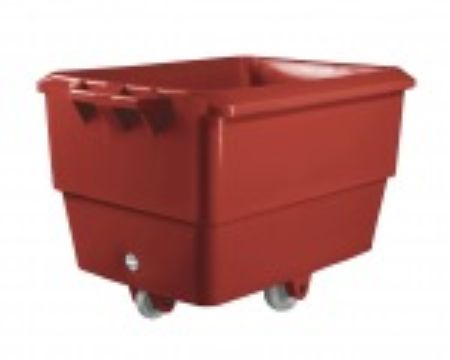 Food Grade Buggies - FDA Carts
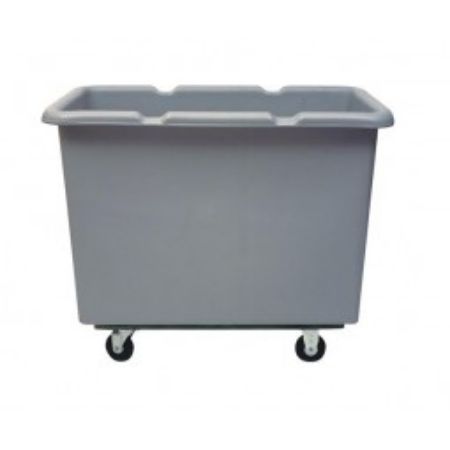 Industrial Poly-Box Trucks
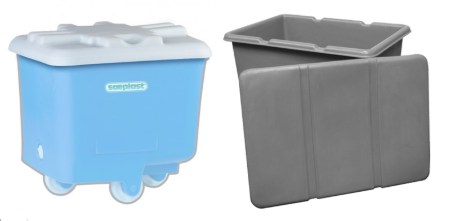 Carts Options and Accessories
Polypropylene Cross Fitting, NPT Female Thread
STOCK / LEAD TIMES
DISPLAYED IN REAL TIME
GET AN ONLINE QUOTE
ONLINE PURCHASE ONLY
SHIPPING COSTS
CALCULATED ONLINE
SAME-DAY PICKUP/ SHIPPING
ORDER BEFORE 11 A.M.


Female NPT Cross Fittings: Create Four Connection Points
A cross fitting brings four connections together around a single fitting. Unlike a tee fitting, which allows a line to continue while adding one branch, a cross adds two opposing branches to the main line.
The cross fittings offered by Agrico Plastics are made of Schedule 80 glass-reinforced polypropylene and have four female NPT threaded connections.
They are available in 1", 1-1/2" and 2". All four openings on the same cross fitting are the same size.
What Is a Cross Fitting Used For?
A cross fitting becomes useful when an assembly requires four connection points at the same location.
It allows a line to continue in two opposite directions while adding two perpendicular connections. Depending on the installation configuration, these connections can then be connected to other lines, valves, accessories or equipment.
The cross fitting itself does not control how liquid flows between the different branches. Operation depends on the entire installation, including valve positions, the pump if one is used, pipe diameters and the piping configuration.
Before using a cross fitting, determine why all four connections are required and how each one will be used.
Four Female NPT Connections: Plan the Required Male Fittings
All four openings on the cross fitting are female NPT threaded.
This is an important detail when planning the assembly. A component that also has a female NPT connection cannot be threaded directly into the cross fitting.
A male NPT connection must therefore be added between the two components.
A male x male threaded pipe nipple, for example, can be used to connect the cross fitting to a female NPT valve or another female fitting of the same diameter. If the sizes are different, a male x male reducing adapter or a male x female reducer may be required, depending on the two connections being joined.
It is therefore better to identify all four required connections before ordering the individual parts rather than selecting the cross fitting by itself.
Cross, Tee or Straight Coupling: Which One Should You Choose?
The choice depends mainly on the number of directions required at the same point in the installation.
| Required configuration | Fitting to consider | Number of directions |
|---|---|---|
| Connect two components in a straight line | Female x female straight coupling | 2 |
| Continue a line and add one branch | Female NPT tee fitting | 3 |
| Continue a line and add two opposing branches | Cross fitting | 4 |
| Connect two female NPT connections | Male x male NPT pipe nipple | 2 |
If you only need one branch, a tee fitting is generally the simpler option. A cross fitting becomes relevant when a fourth connection point is actually required at the same location.
Adding a cross when only three connections are being used leaves an additional opening that must be properly managed. The number of required outlets should therefore be determined before selecting the fitting.
Three Available Sizes: 1", 1-1/2" and 2"
Agrico offers female NPT cross fittings in three diameters: 1", 1-1/2" and 2".
All four openings on the same cross fitting are the same size. A 2" cross fitting, for example, has four 2" female NPT connections.
If one or more branches require a different diameter, the size reduction must be made with an appropriate fitting added to the assembly. The cross fitting itself does not reduce the diameter of a branch.
Depending on the configuration, a male x male reducing adapter or a male x female reducer may be used. The correct choice depends not only on diameter, but also on whether the two connections being joined are male or female.
Schedule 80 Glass-Reinforced Polypropylene
The cross fittings in this category are made of Schedule 80 glass-reinforced polypropylene.
The product specifications indicate recommended operating conditions of 120 PSI at -17 °C, 150 PSI at 21 °C and 90 PSI at 65 °C.
Pressure should therefore not be considered independently from temperature. The operating conditions of the installation should be evaluated together before selecting the components.
When a chemical product flows through the installation, its compatibility with polypropylene and with all other materials in contact with the liquid must also be verified, including valves, bulkhead fittings and the other fittings used in the assembly.
Allow Enough Space Around All Four Connections
Available space requires even more attention with a cross fitting than with a tee fitting.
Four components may need to be installed around the same fitting. A valve, tank wall, pump or another nearby component may prevent a threaded fitting from being properly rotated during assembly.
Consider not only the space occupied by the cross fitting itself, but also the clearance required to install and remove the components connected to it.
The assembly sequence can also become important. A configuration that appears simple on paper may be difficult to assemble if the fittings must be threaded together in a confined space.
Consider Maintenance Before Adding Multiple Connections
A cross fitting allows four connections to be grouped in a relatively compact area, but the configuration should remain accessible.
If a valve, fitting or other component may eventually need to be removed, there should be enough access to do so without unnecessarily dismantling a large portion of the installation.
For a connection that must be disconnected regularly, a Camlock fitting may sometimes be more practical than a series of threaded connections, depending on the required function.
If the cross fitting is part of an assembly connected directly to a plastic tank, also consider how the piping will connect to the tank. The appropriate tank fitting must be selected according to the connection, liquid and installation requirements.
The best configuration is therefore not necessarily the one that uses the fewest fittings, but the one that provides the required connections while keeping the assembly logical and accessible.
Frequently Asked Questions
How Many Connections Does a Cross Fitting Have?
A cross fitting has four openings. The models in this category have four female NPT threaded connections.
Are All Four Openings the Same Size?
Yes. Each cross fitting has four openings of the same diameter. The available sizes are 1", 1-1/2" and 2".
What Is the Difference Between a Tee Fitting and a Cross Fitting?
A tee fitting has three connection points and is generally used to create one branch from a line. A cross fitting has four connection points and allows two opposing branches to be added at the same location.
Can I Connect a Female NPT Valve Directly to the Cross Fitting?
No, if the valve also has a female NPT connection. Because the openings on the cross fitting are female NPT, an appropriate male NPT connection must be added between the two, such as a male x male pipe nipple when the sizes match.
Can I Use a Cross Fitting If I Only Need Three Connections?
A tee fitting is generally more logical when only three directions are required. A cross fitting adds a fourth opening that must either be used or properly closed.
Planning an Assembly With Multiple Fittings?
Before ordering a cross fitting, identify the four connections that will be attached to it: their diameter, thread type, whether they are male or female, and the space required to assemble the different components.
Our team can help you verify the appropriate configuration. You can also browse our tank fittings and accessories to complete your assembly with the required fittings, valves and accessories.
Contact Us Inventory in REAL TIME !
 Pickup and Shipping the SAME DAY ! (Order placed before 11 a.m.)

Monday - Thursday
Friday
Saturday
Sunday
8 am to 12 pm / 1 pm to 4:30 pm
8 am to 12 pm / 1 pm to 3:45 pm
Closed
Closed




Monday - Thursday
8:00 a.m. to 12:00 p.m.
1:00 p.m. to 4:30 p.m
Friday
8:00 a.m. to 12:00 p.m.
1:00 p.m. to 3:45 p.m.
Saturday
Closed
Sunday
Closed