

Selling only
in Canada
Plastic Storage Tanks
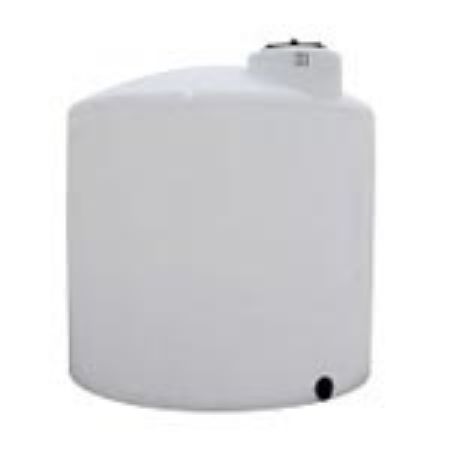 Vertical Closed Top Storage Tanks
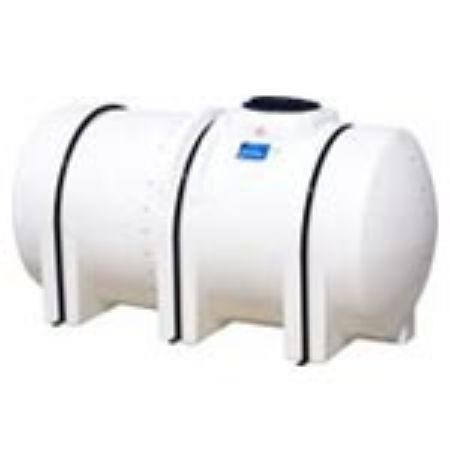 Free Standing Horizontal Tanks
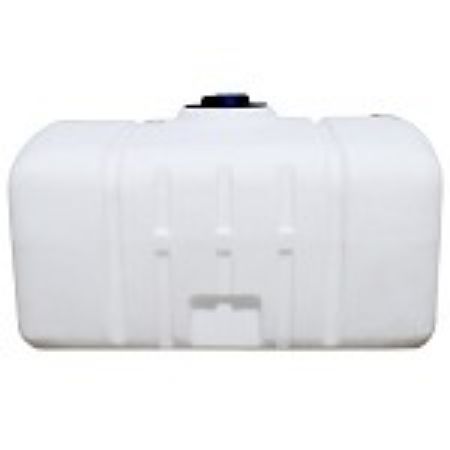 Rectangular Utility Tanks
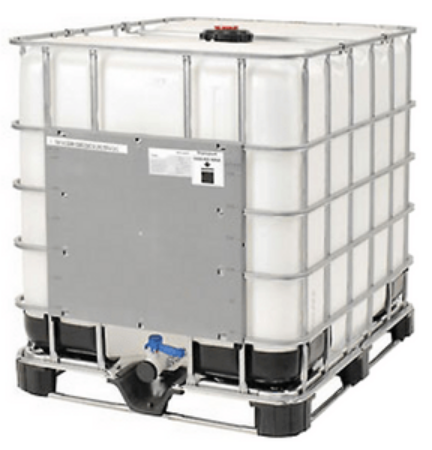 1000 Litre IBC Tanks (Cage Tote)
 Pick up Tanks
 Double Wall Tanks
 Vertical Open Top Storage Tanks
 Plastic Water Stock Tank
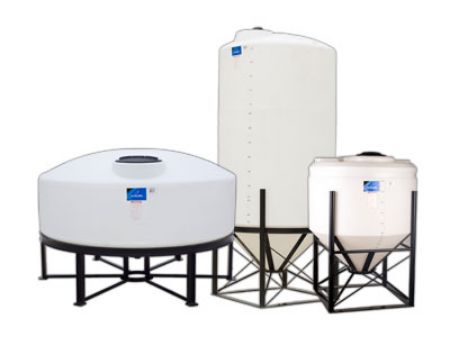 Cone Bottom Tanks - Closed Top Plastic Tanks
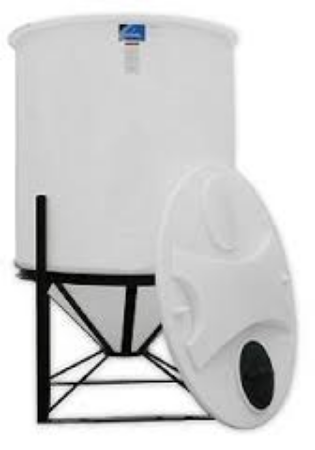 Cone Bottom Tanks - Open Top Plastic Tanks
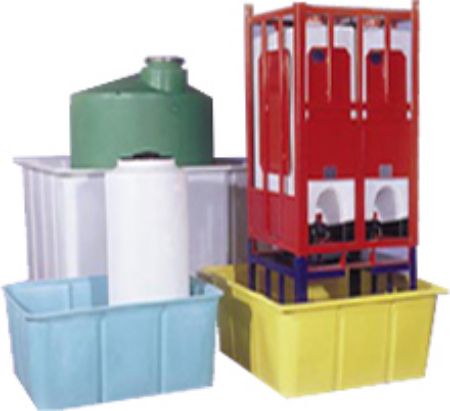 Secondary containment basins
Tank Fittings and Accessories
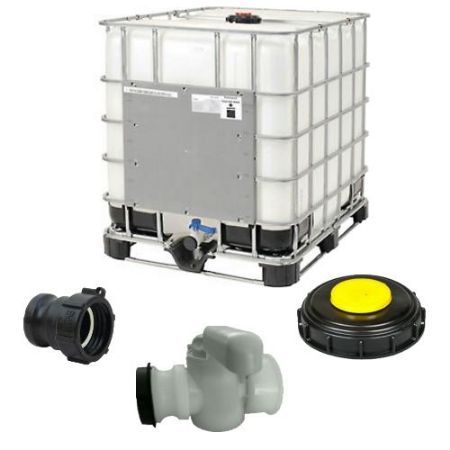 Cage Tank Parts (IBC Tote)
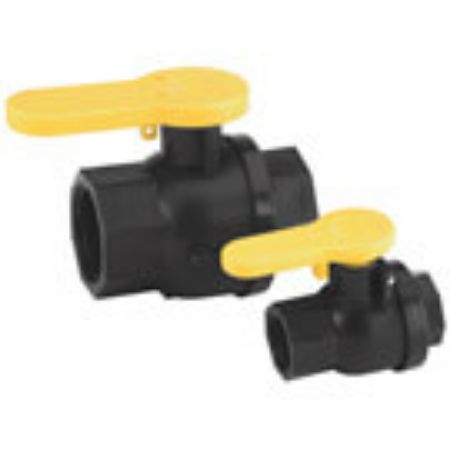 Polypropylene and PVC Ball Valves
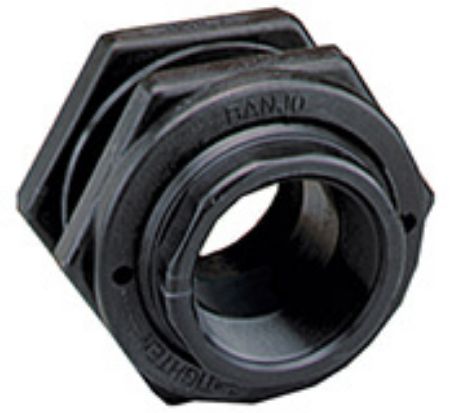 Polypropylene and PVC Tank Fittings
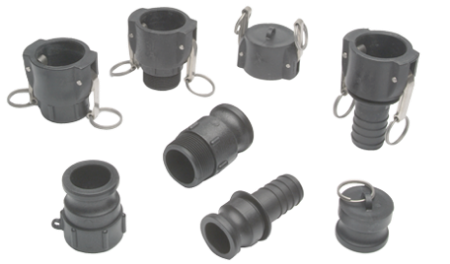 Camlock Fittings
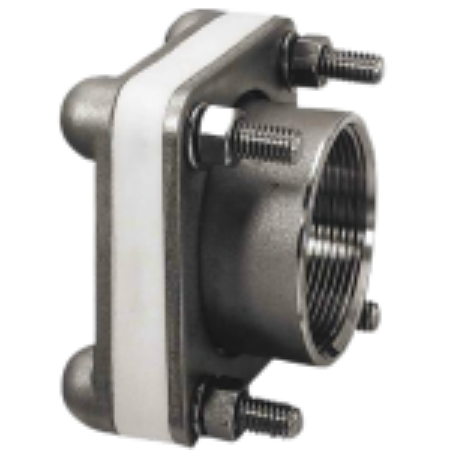 Stainless Steel Bolted Fitting
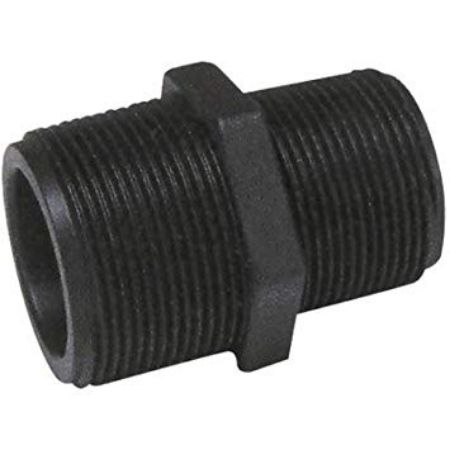 Polypropylene Threaded Reducer Nipples
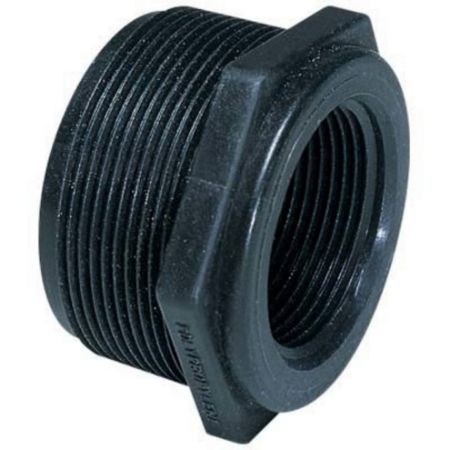 Polypropylene Threaded Reducer Bushings
 Hose Barb Fitting Adapter
 Vent Caps
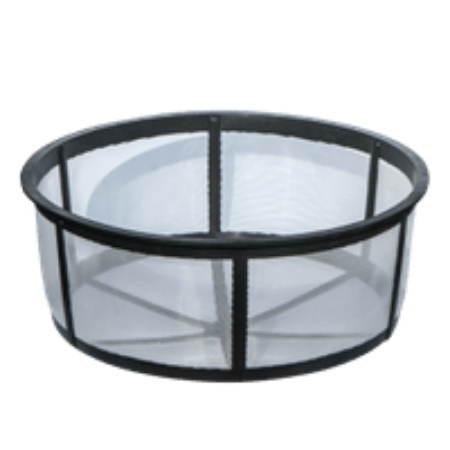 Filter Strainer Baskets
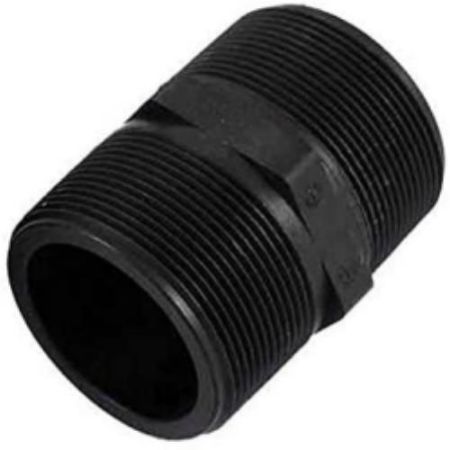 Threaded Pipe Nipples
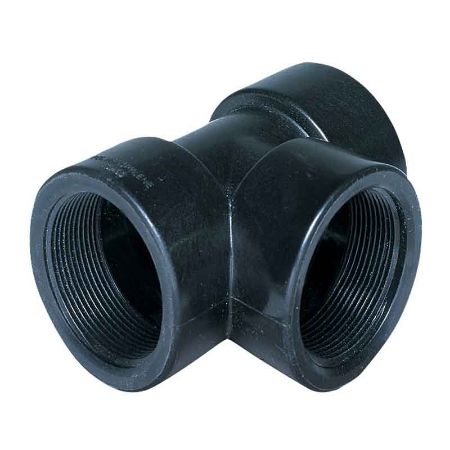 Polypropylene Tee Fitting, NPT Female Thread
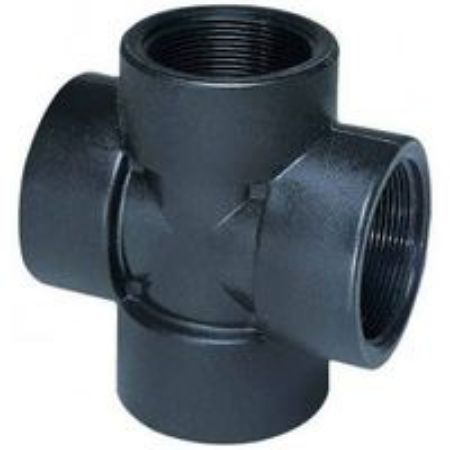 Polypropylene Cross Fitting, NPT Female Thread
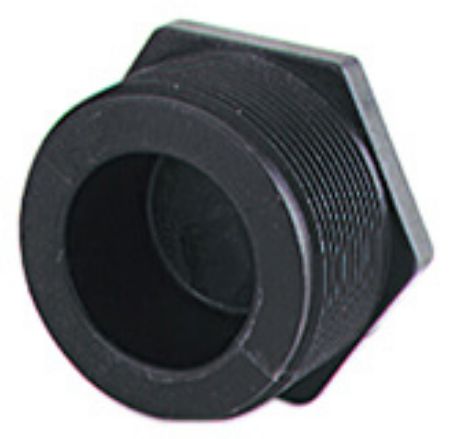 Drain Plugs
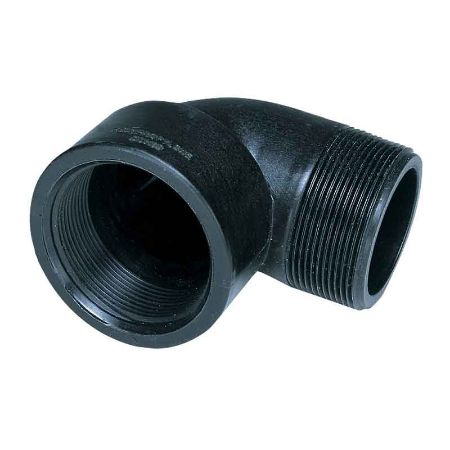 Elbow fittings
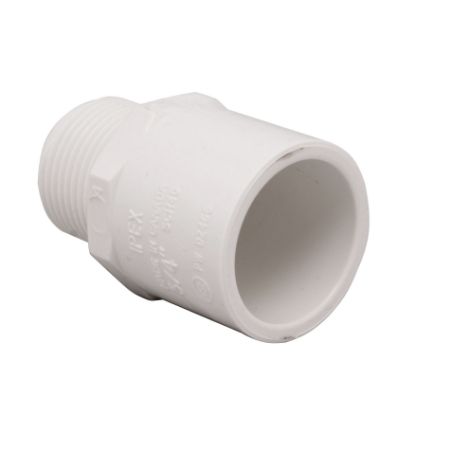 PVC Adapter, NPT Male Thread to Socket End
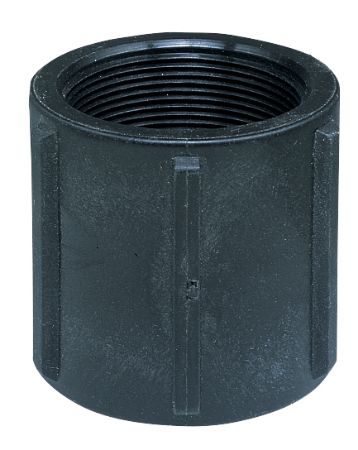 Polypropylene Threaded Pipe Couplings
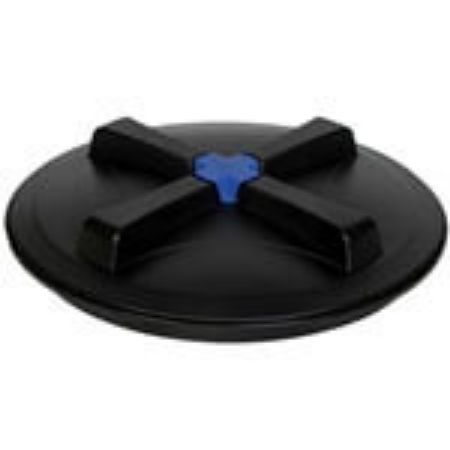 Closed Top Tank Lids
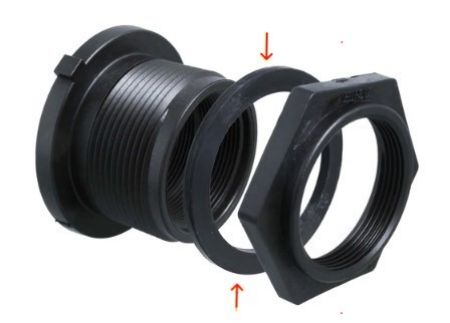 Replacement Gasket for Bulkhead Fitting
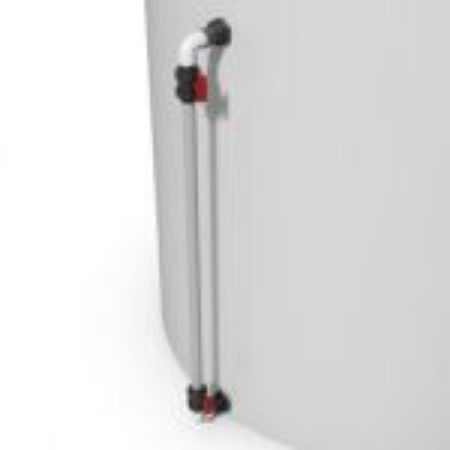 Level Indicator
 Miscellaneous accessories
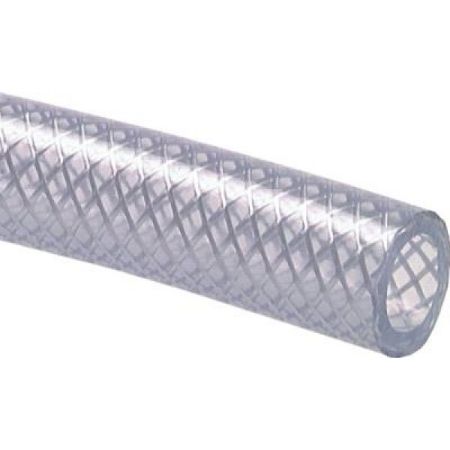 Potable Water Hoses
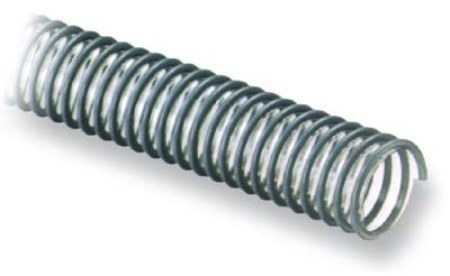 Liquid Suction and Discharge Hoses
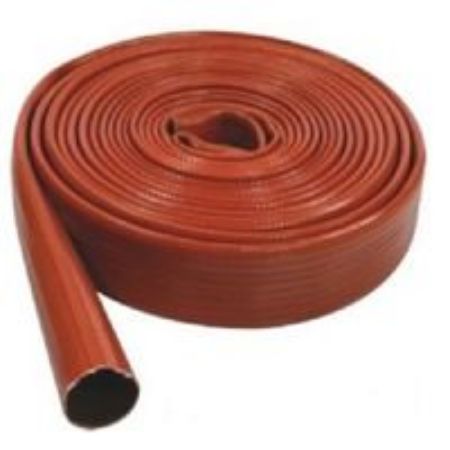 Liquid Discharge Hoses
 Assembled Liquid Discharge Hoses
 Fire Hose
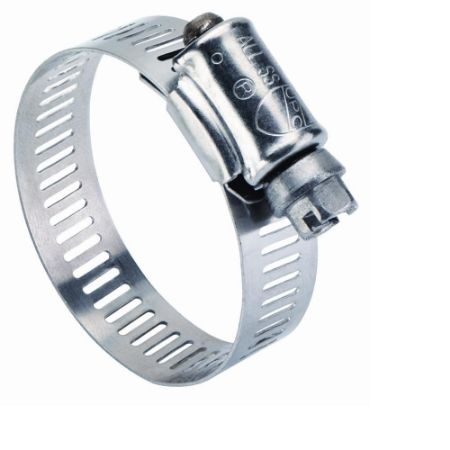 Hose Clamps
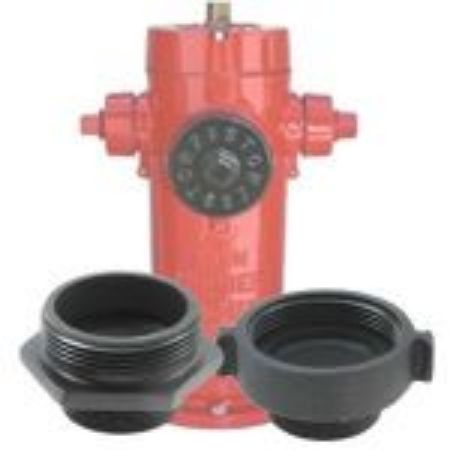 Fire Hydrant Adapters for Quebec
Solid-walled and solid-bottom plastic food containers
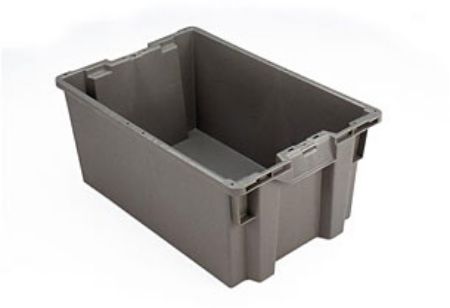 Food Grade Containers, Solid Walls and Bottom
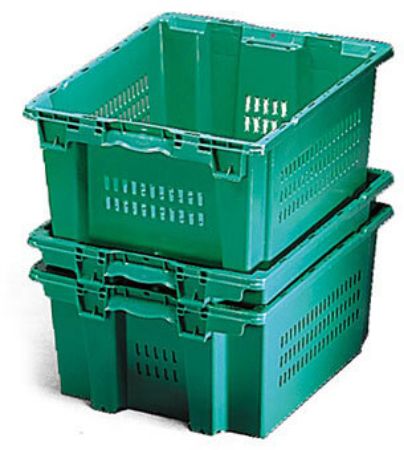 Food Grade Containers. Vented Walls and Bottom
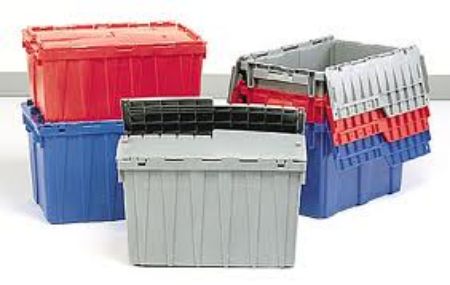 Attached Lids Plastic Containers
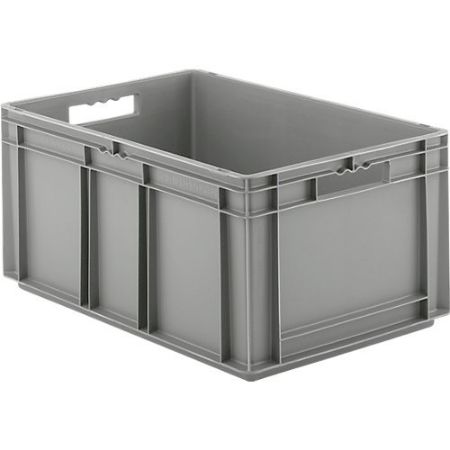 Industrial Plastic Containers, Solid Walls and Botton
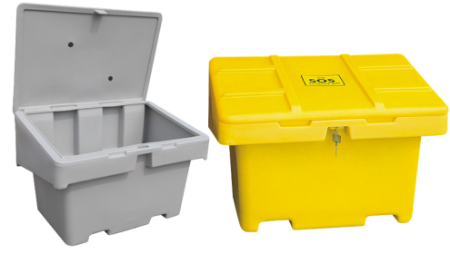 Sand and Salt Plastic Storage Bins
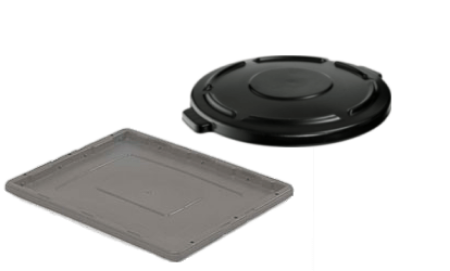 Containers - Lids and Covers
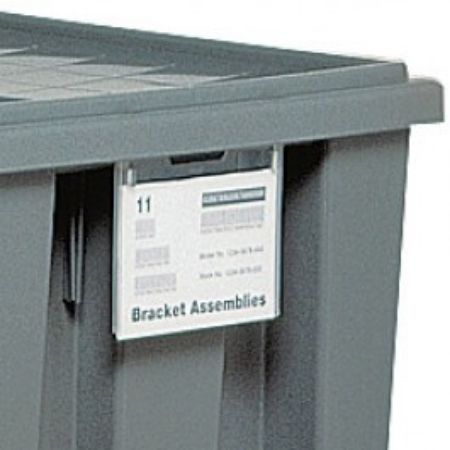 Containers - ID and Hot Stamp
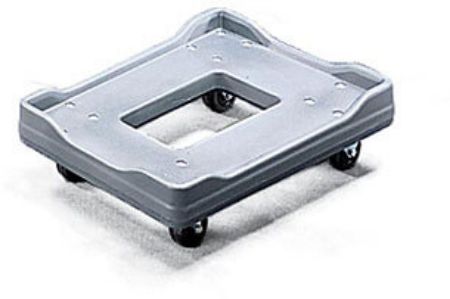 Containers - Dollies
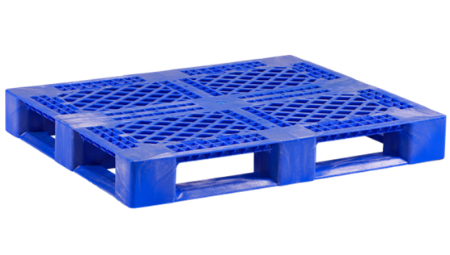 FDA Food Grade Plastic Pallets
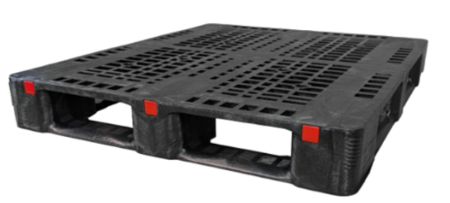 Industrial Plastic Pallets for Warehouse and Racking
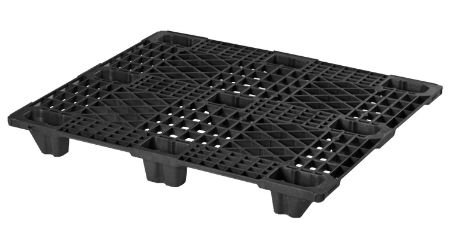 Export Plastic Pallet
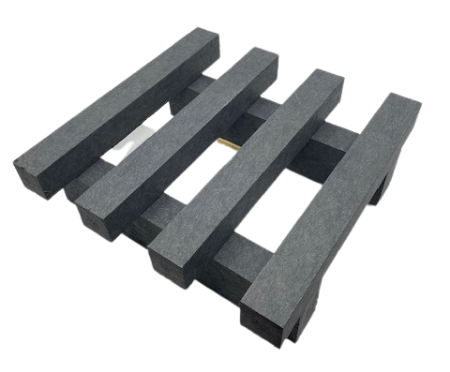 Display Plastic Pallets
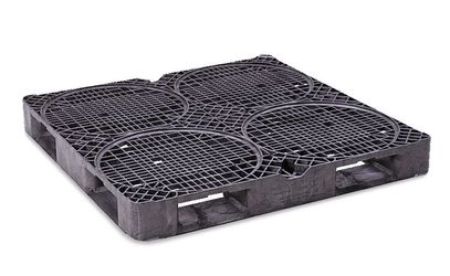 Drum Plastic Pallets
Plastic pallet boxes
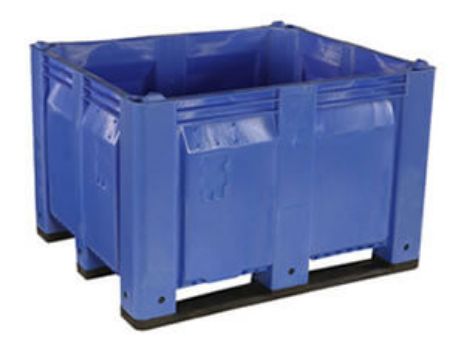 Plastic Pallet Boxes, Solid walls and Bottom
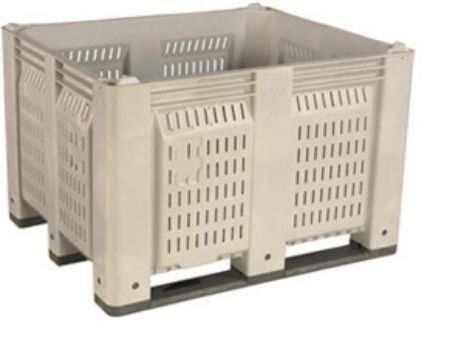 Plastic Pallet Boxes, Vented walls and Bottom
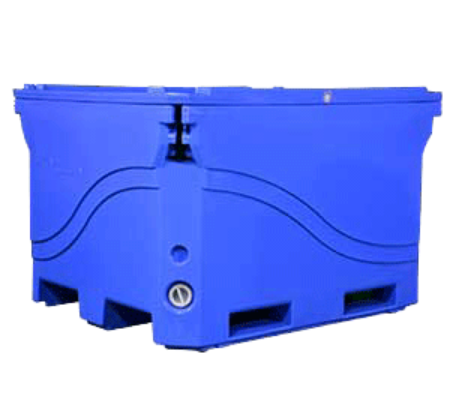 Insulated Plastic Pallet Boxes
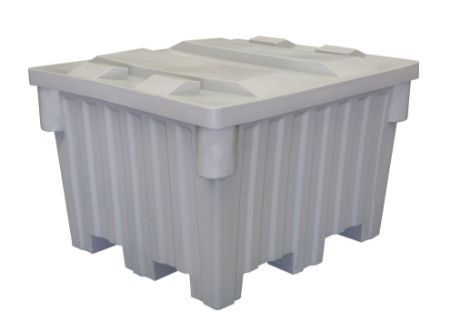 Tapered-wall Pallet Boxes
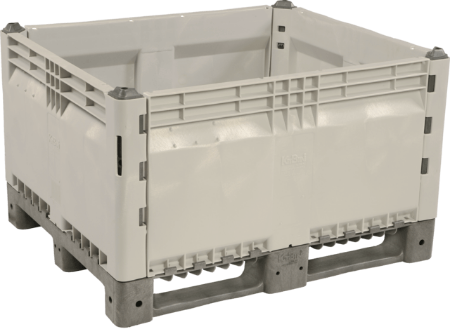 Removable walls Pallet Boxes
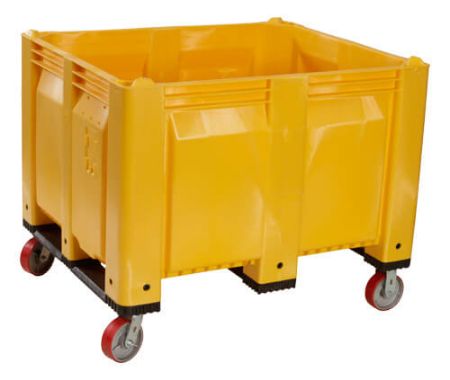 Pallet Boxes on Casters
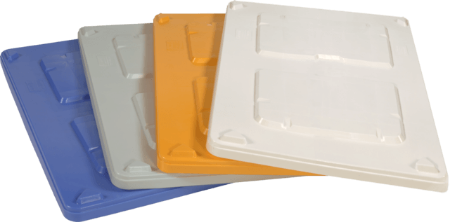 Lids - Pallet Boxes
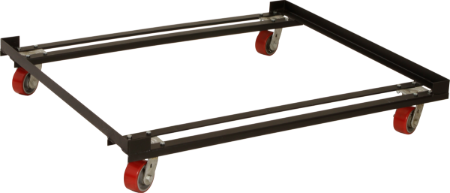 Pallet Boxes Bin Cart
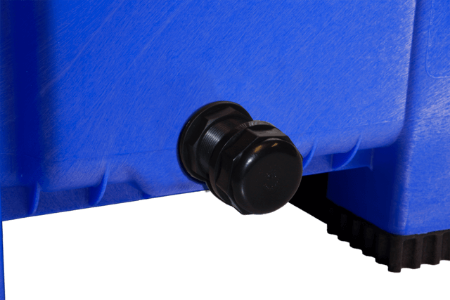 Drain Option for Pallet Boxes
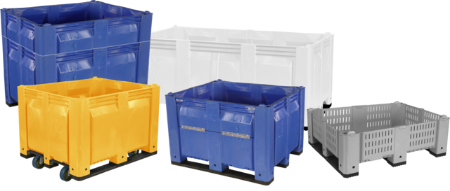 Custom Plastic Pallet Boxes
Utility and service carts
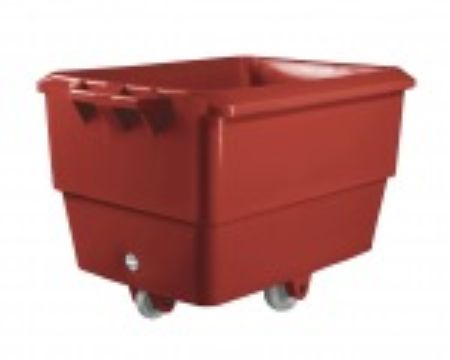 Food Grade Buggies - FDA Carts
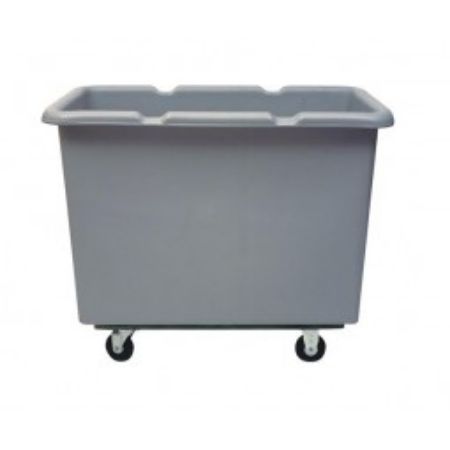 Industrial Poly-Box Trucks
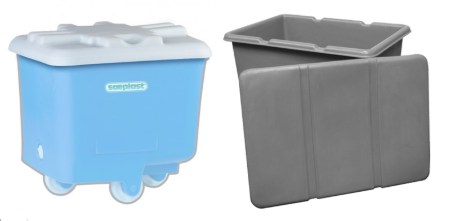 Carts Options and Accessories
Secondary containment basins
STOCK / LEAD TIMES
DISPLAYED IN REAL TIME
GET AN ONLINE QUOTE
ONLINE PURCHASE ONLY
SHIPPING COSTS
CALCULATED ONLINE
SAME-DAY PICKUP/ SHIPPING
ORDER BEFORE 11 A.M.


Plastic containment basins: collect a leak before it spreads
A containment basin is placed beneath a tank or container to temporarily collect liquid in the event of a leak. It provides secondary containment: it does not prevent the main tank from leaking, but helps limit the spread.
Choose this solution when your installation requires separate containment that is accessible for inspection and compatible with the liquid. The basins offered are made of high-density polyethylene in one piece, without a drain. They are designed for temporary containment, not to remain filled like a storage tank.
To identify your project requirements, see our tank solutions for industrial, agricultural and food applications.
Choose according to the container and installation
The choice depends on more than the basin’s stated capacity. We also check the inside dimensions, the space occupied by the container and access to equipment.
A basin that is wide enough at the top does not guarantee that the tank or its support fits at the bottom. Sloping walls reduce the available space at the base. Compare the usable dimensions with those of the entire assembly, rather than relying only on outside dimensions.
| Installation configuration | Need | Point to check |
|---|---|---|
| Tank placed in a basin | Collect a leak around the container | Inside dimensions and available containment volume |
| Tank on a stand in a basin | Maintain access to the outlet and valve | Support points, total load and accessory clearance |
| Several containers in one basin | Create a shared containment area | Compatibility between liquids, occupied space and total containment capacity |
| Basin installed outdoors | Collect a leak in an exposed environment | Rainwater accumulation and maintenance of available volume |
For totes: small leaks or full containment?
For 275 US gallon totes, choose the 333 US gallon containment pallet when you need to collect the entire contents. Its capacity provides more than 20% additional volume and exceeds the 110% threshold where that threshold applies to your installation.
The 66 US gallon spill pallet is intended to collect drips and small spills. It cannot contain the entire contents of a 275 US gallon tote. Load capacity and liquid compatibility must also be checked.
Check the actual available volume
The basin capacity and the containment volume available after installation are not necessarily identical. The tank, its support or other components may occupy part of the volume.
Before ordering, specify:
- The number of containers and their capacity.
- The dimensions of the entire assembly, including supports.
- The liquid to be contained and operating conditions.
- The containment requirements specific to your installation.
We help you select the basin using this information. Requirements applicable to your site must be validated with the person responsible for your installation.
Chemical compatibility and operating limits
A plastic basin is not automatically suitable for every chemical. We check the liquid, its concentration, temperature and specific gravity before recommending the material.
Our chemical resistance chart (French) and specific gravity guide (French) provide reference information. Chemical resistance and the ability to support the liquid’s weight are separate criteria.
The basins in this range are intended for above-ground use and temporary containment. For permanent storage, choose a closed-top vertical tank or a closed-top rectangular tank suited to the liquid and available space.
Plan for space, placement and maintenance
A separate basin generally occupies more floor space than a double-wall tank. In the event of a spill, the valve on the tank inside the basin may become submerged, making intervention more difficult.
The basin walls may prevent the tank from being placed directly using forklift forks. In that case, plan suitable lifting equipment to lower the empty tank into the basin from above without damaging it.
The basin must rest on a firm, level surface that is smooth enough to avoid pressure points beneath its base. See our inspection, installation and use guidance (French).
Allow access to detect a leak, remove the liquid and clean the basin. Water or residue already present reduces the free volume available for containment.
Frequently asked questions
Can liquid be stored permanently in the basin?
No. These basins temporarily contain leaks. For continuous storage, choose a tank designed for that purpose.
Is a basin with the same capacity as the tank sufficient?
Not necessarily. We must check the actual available volume after installation and your site’s containment requirements.
Does the basin have a drain?
No. Plan liquid recovery and cleaning without creating an outlet that would compromise containment.
Validate your containment basin with Agrico
Specify the liquid, containers to be installed, their dimensions and access constraints. Our technical support service helps you select a basin suited to your project.
Contact us to validate your installation Inventory in REAL TIME !
 Pickup and Shipping the SAME DAY ! (Order placed before 11 a.m.)

Monday - Thursday
Friday
Saturday
Sunday
8 am to 12 pm / 1 pm to 4:30 pm
8 am to 12 pm / 1 pm to 3:45 pm
Closed
Closed




Monday - Thursday
8:00 a.m. to 12:00 p.m.
1:00 p.m. to 4:30 p.m
Friday
8:00 a.m. to 12:00 p.m.
1:00 p.m. to 3:45 p.m.
Saturday
Closed
Sunday
Closed