

Selling only
in Canada
Plastic Storage Tanks
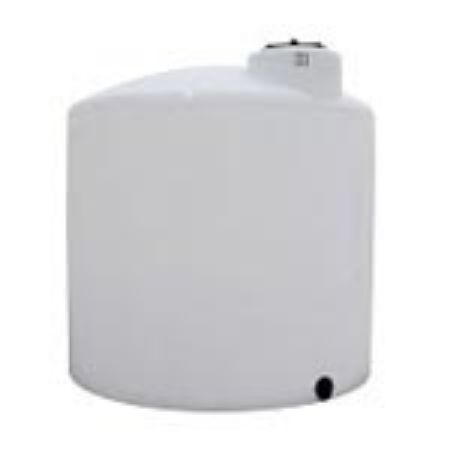 Vertical Closed Top Storage Tanks
 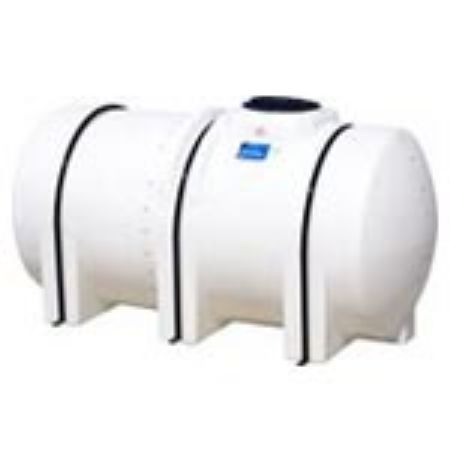 Free Standing Horizontal Tanks
  Rectangular Utility Tanks
 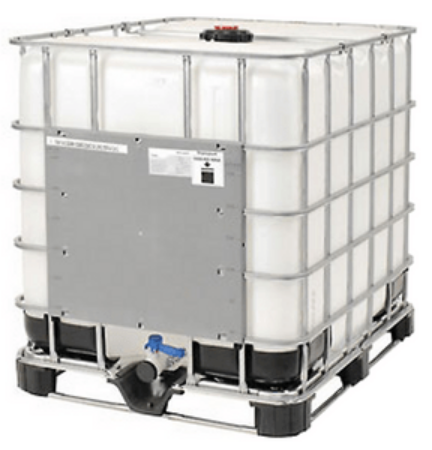 1000 Litre IBC Tanks (Cage Tote)
  Pick up Tanks
  Double Wall Tanks
  Vertical Open Top Storage Tanks
  Plastic Water Stock Tank
 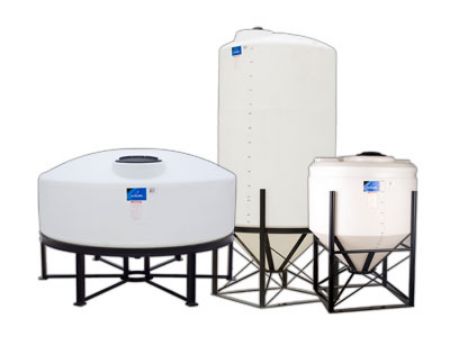 Cone Bottom Tanks - Closed Top Plastic Tanks
 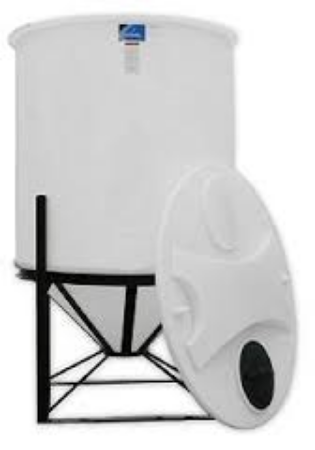 Cone Bottom Tanks - Open Top Plastic Tanks
 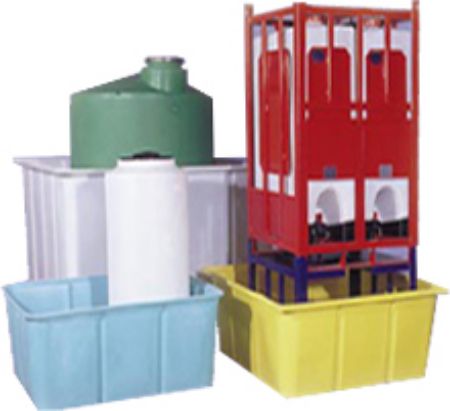 Secondary containment basins
 Tank Fittings and Accessories
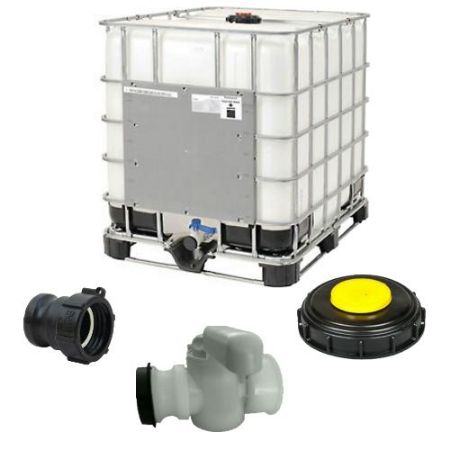 Cage Tank Parts (IBC Tote)
 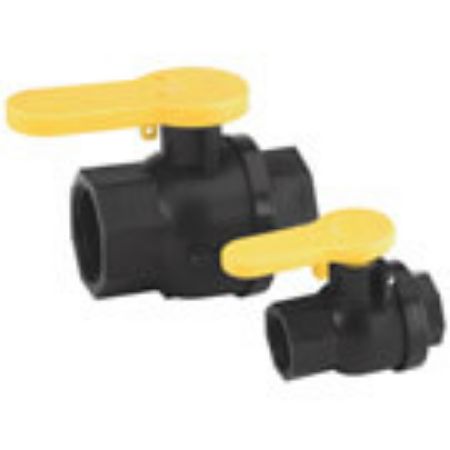 Polypropylene and PVC Ball Valves
 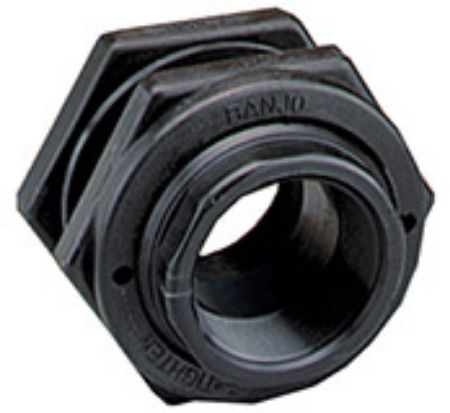 Polypropylene and PVC Tank Fittings
 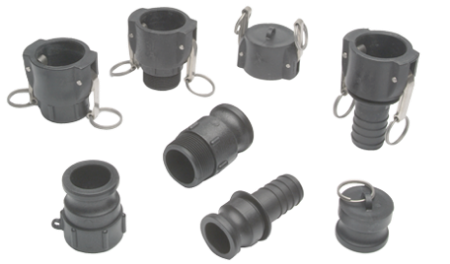 Camlock Fittings
 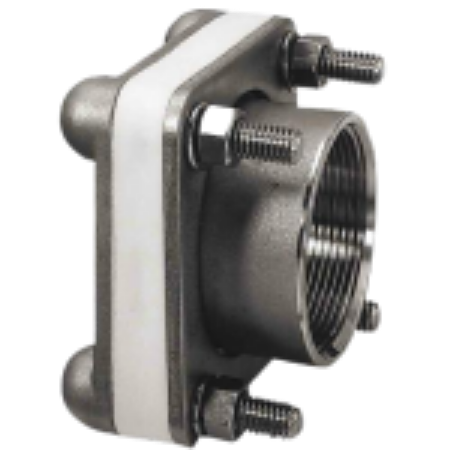 Stainless Steel Bolted Fitting
 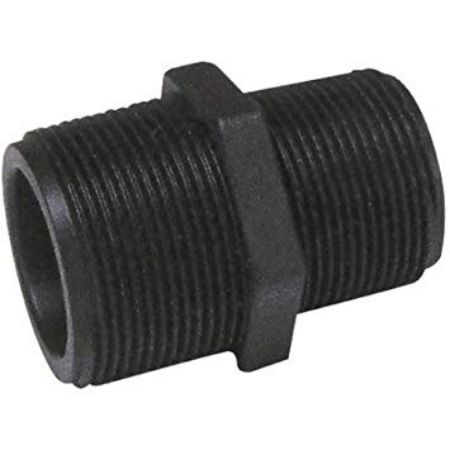 Polypropylene Threaded Reducer Nipples
 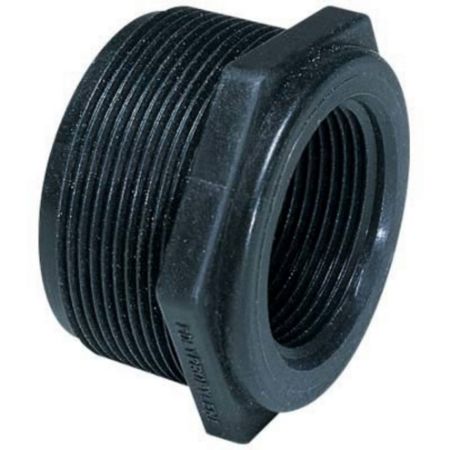 Polypropylene Threaded Reducer Bushings
 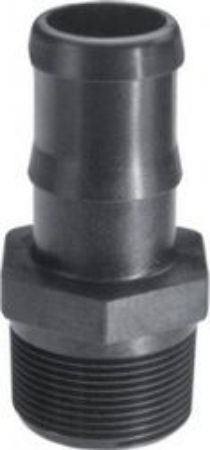 Hose Barb Fitting Adapter
 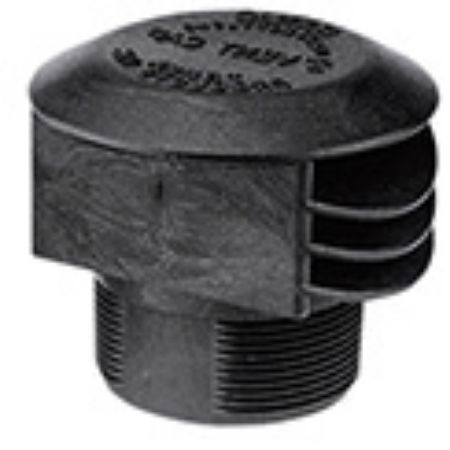 Vent Caps
 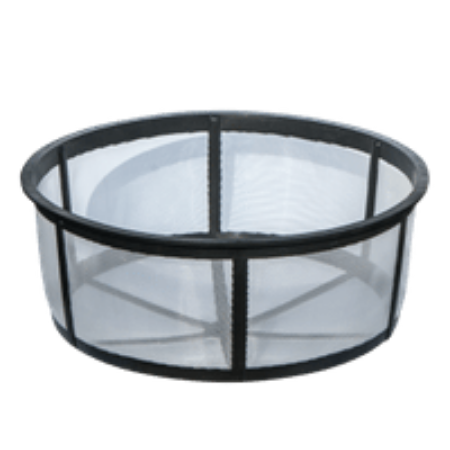 Filter Strainer Baskets
 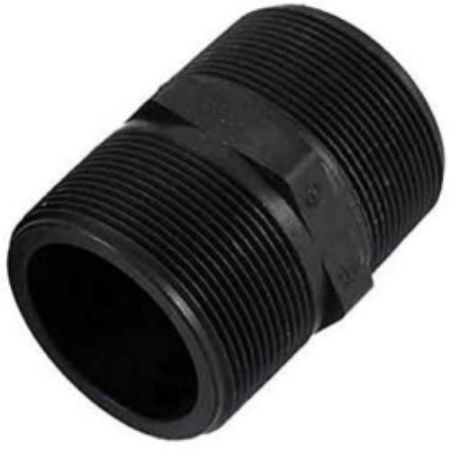 Threaded Pipe Nipples
 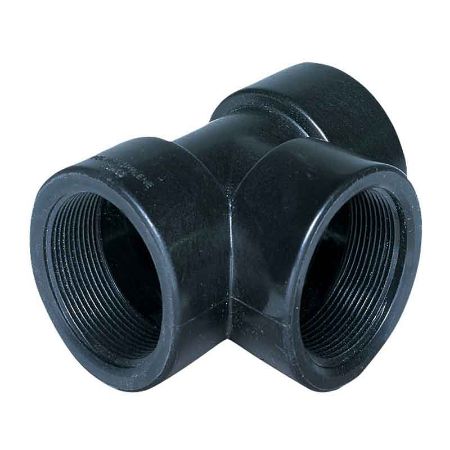 Polypropylene Tee Fitting, NPT Female Thread
 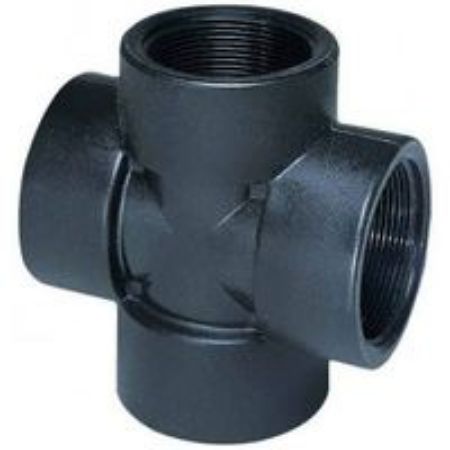 Polypropylene Cross Fitting, NPT Female Thread
 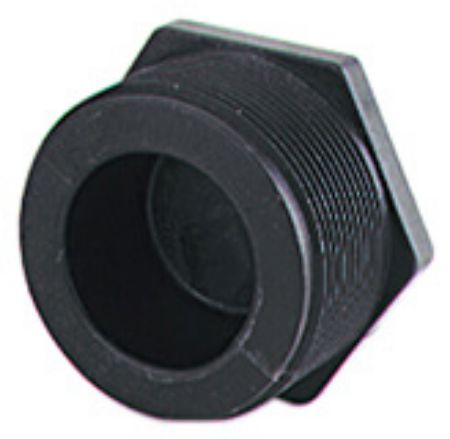 Drain Plugs
 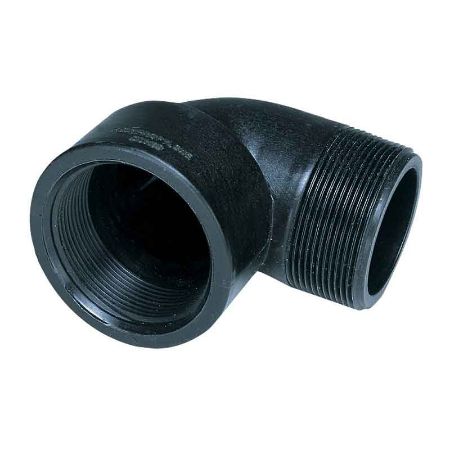 Elbow fittings
 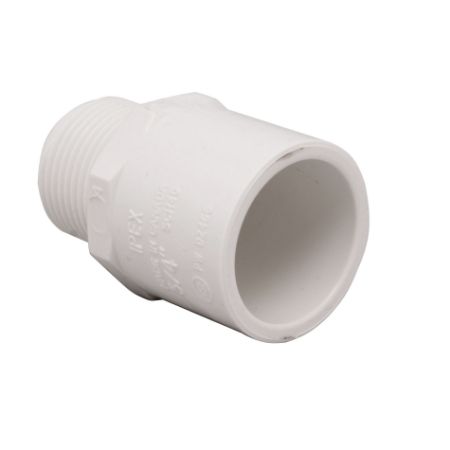 PVC Adapter, NPT Male Thread to Socket End
 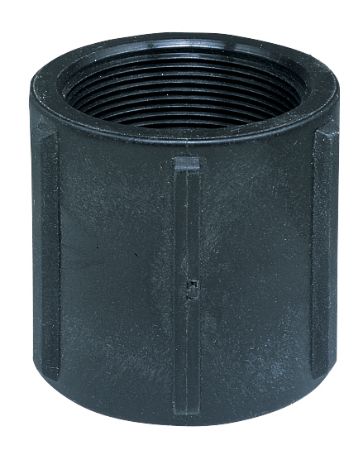 Polypropylene Threaded Pipe Couplings
 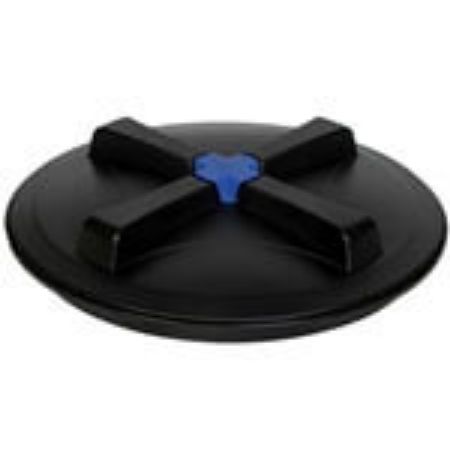 Closed Top Tank Lids
 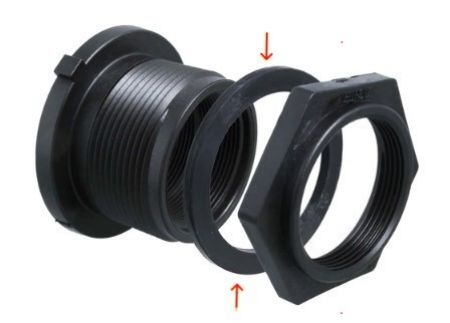 Replacement Gasket for Bulkhead Fitting
 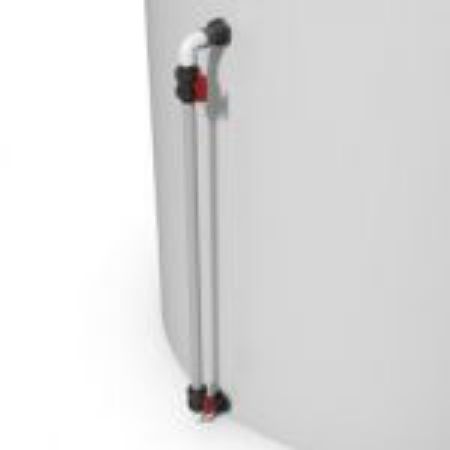 Level Indicator
  Miscellaneous accessories
 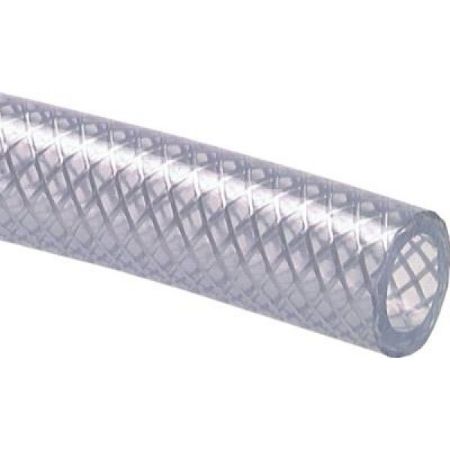 Potable Water Hoses
 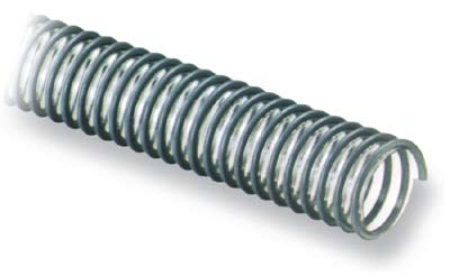 Liquid Suction and Discharge Hoses
 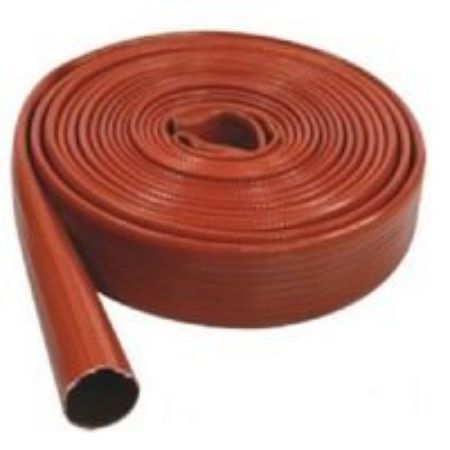 Liquid Discharge Hoses
  Assembled Liquid Discharge Hoses
  Fire Hose
 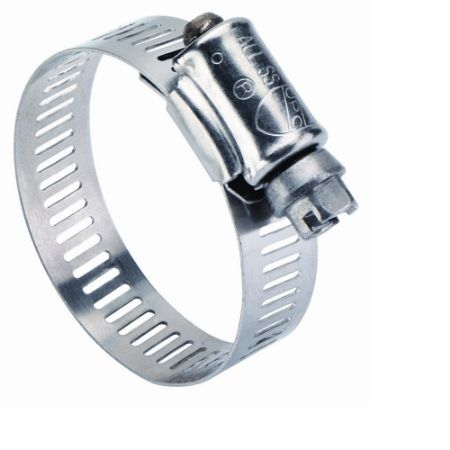 Hose Clamps
 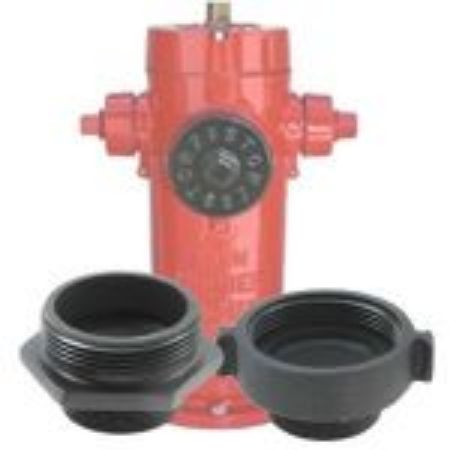 Fire Hydrant Adapters for Quebec
 Solid-walled and solid-bottom plastic food containers
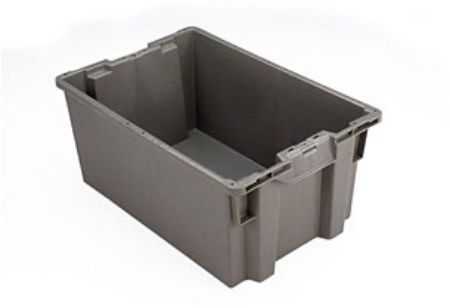 Food Grade Containers, Solid Walls and Bottom
 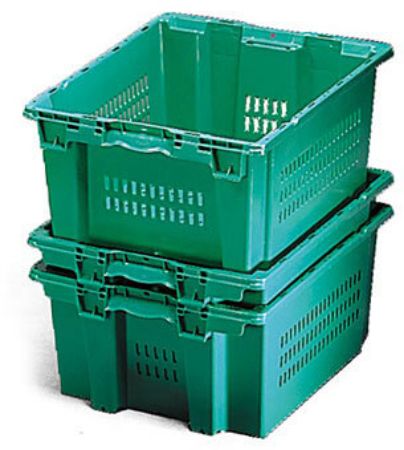 Food Grade Containers. Vented Walls and Bottom
 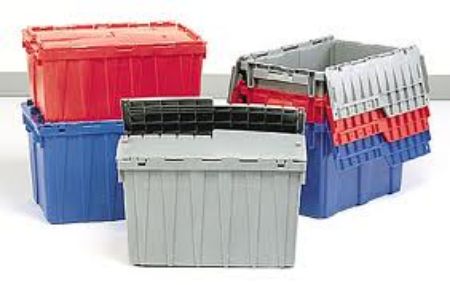 Attached Lids Plastic Containers
 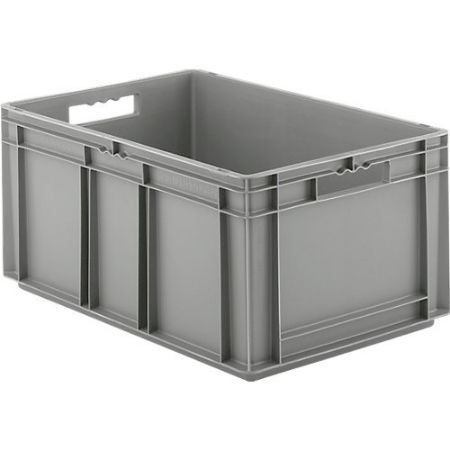 Industrial Plastic Containers, Solid Walls and Botton
 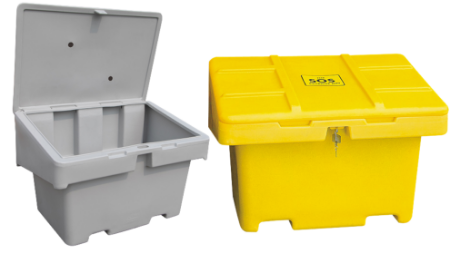 Sand and Salt Plastic Storage Bins
 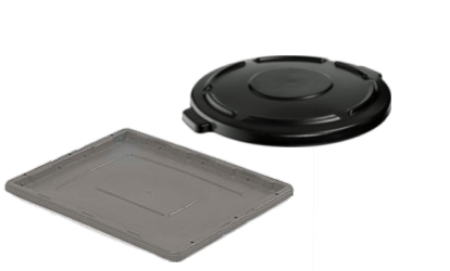 Containers - Lids and Covers
 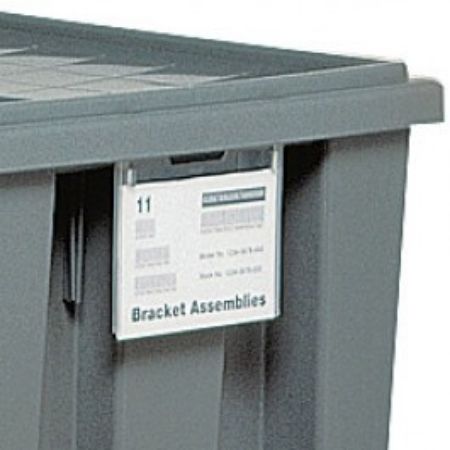 Containers - ID and Hot Stamp
 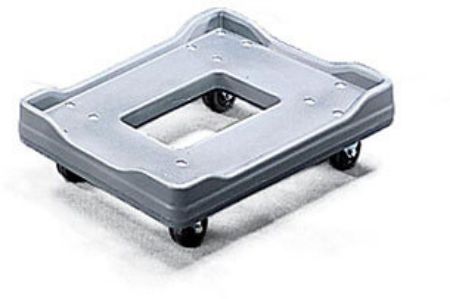 Containers - Dollies
 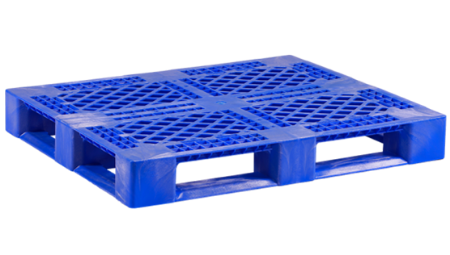 FDA Food Grade Plastic Pallets
 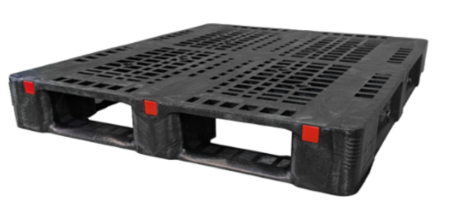 Industrial Plastic Pallets for Warehouse and Racking
 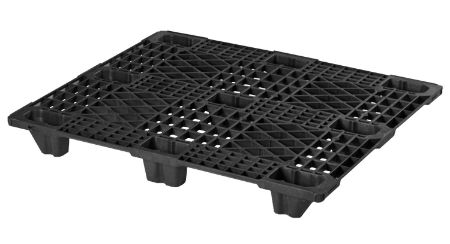 Export Plastic Pallet
 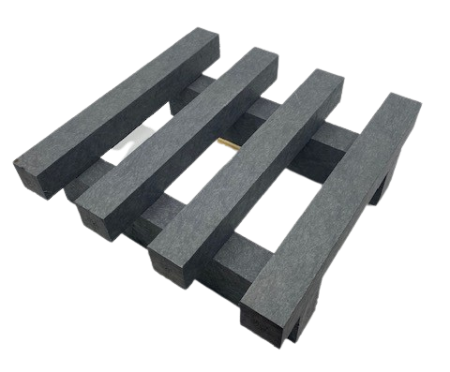 Display Plastic Pallets
 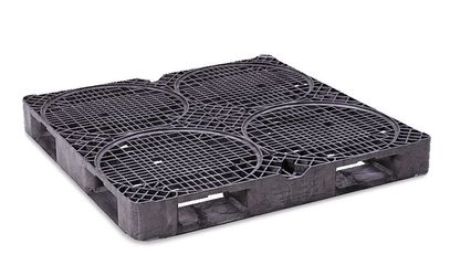 Drum Plastic Pallets
 Plastic pallet boxes
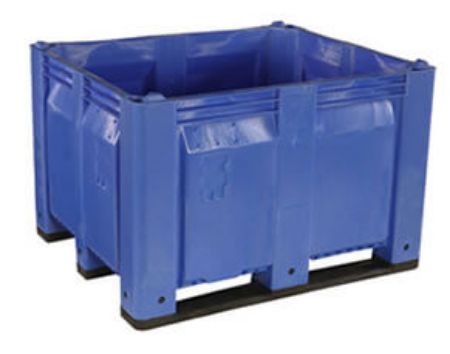 Plastic Pallet Boxes, Solid walls and Bottom
 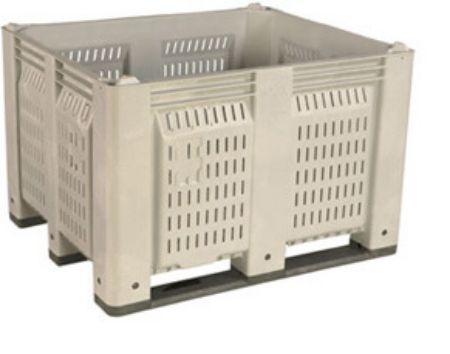 Plastic Pallet Boxes, Vented walls and Bottom
 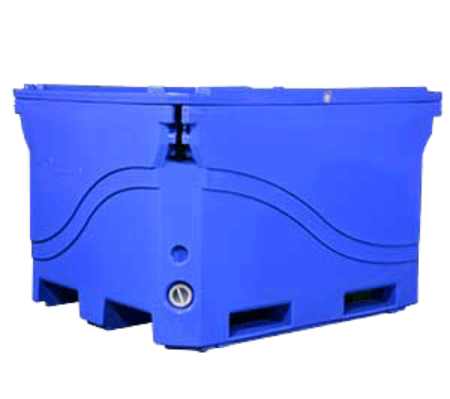 Insulated Plastic Pallet Boxes
 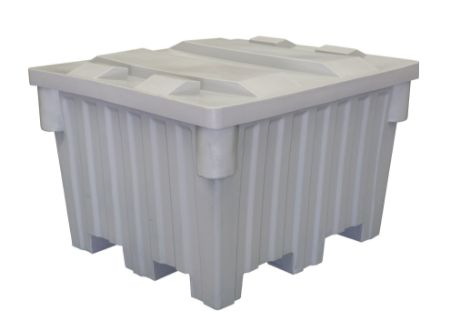 Tapered-wall Pallet Boxes
 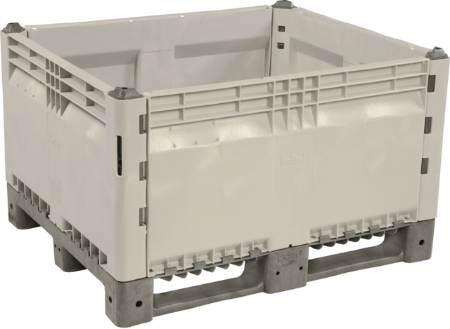 Removable walls Pallet Boxes
 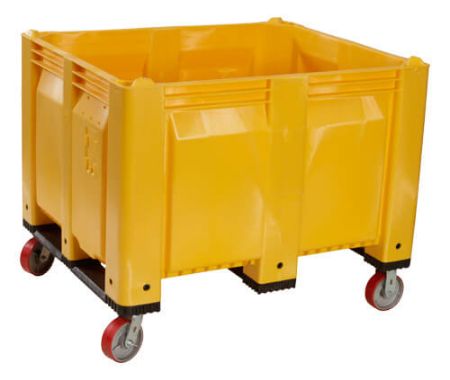 Pallet Boxes on Casters
 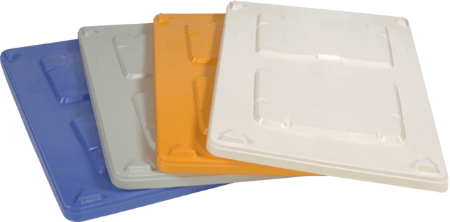 Lids - Pallet Boxes
 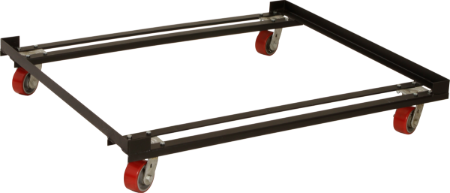 Pallet Boxes Bin Cart
 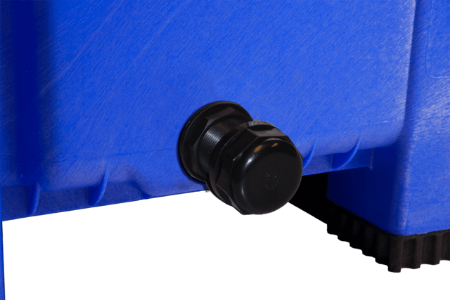 Drain Option for Pallet Boxes
 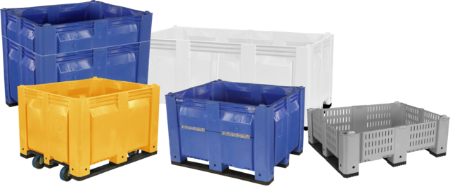 Custom Plastic Pallet Boxes
 Utility and service carts
 Food Grade Buggies - FDA Carts
 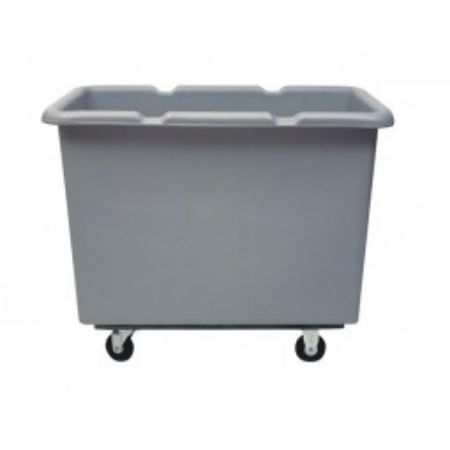 Industrial Poly-Box Trucks
 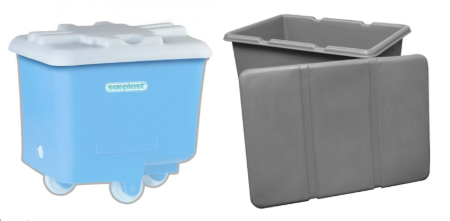 Carts Options and Accessories
 Vertical Closed Top Storage Tanks
STOCK / LEAD TIMES
DISPLAYED IN REAL TIME
GET AN ONLINE QUOTE
ONLINE PURCHASE ONLY
SHIPPING COSTS
CALCULATED ONLINE
SAME-DAY PICKUP/ SHIPPING
ORDER BEFORE 11 A.M.
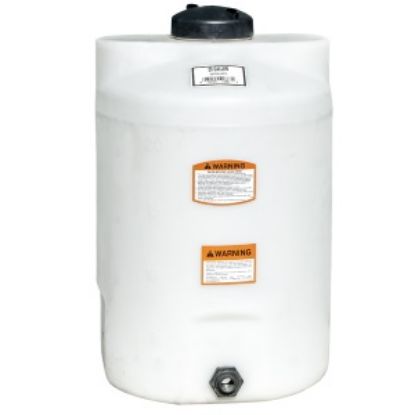
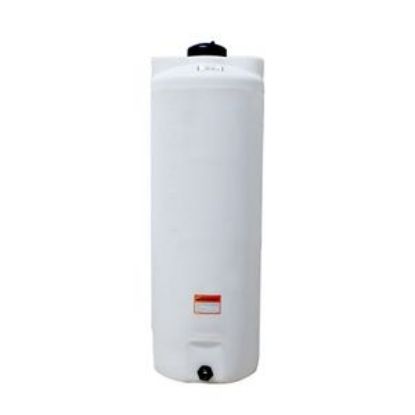
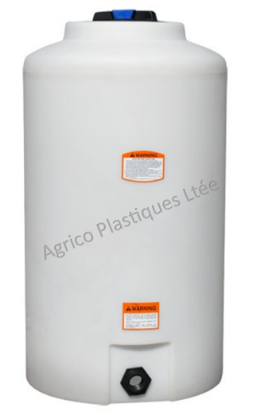
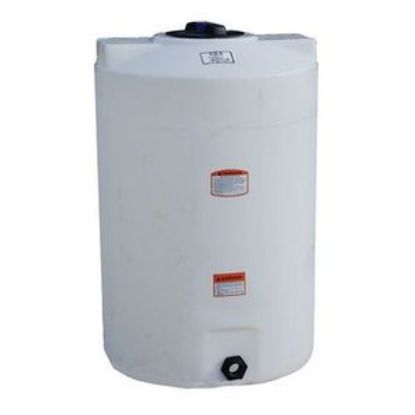
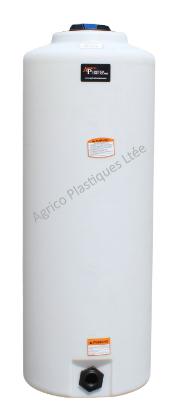
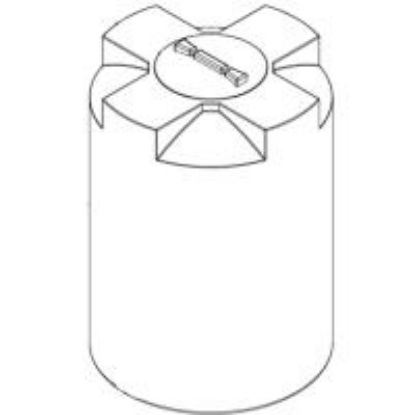
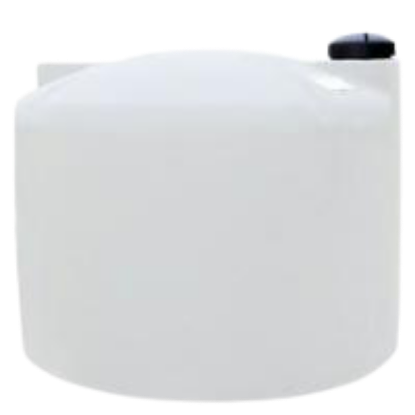
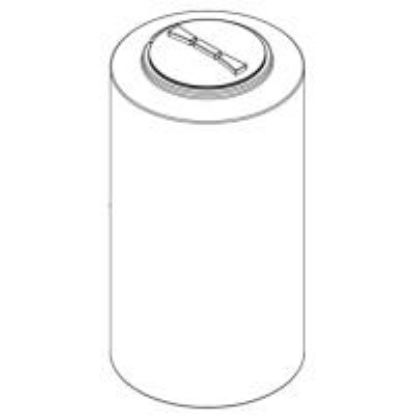
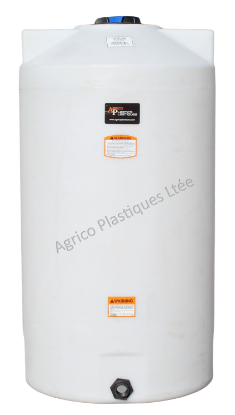
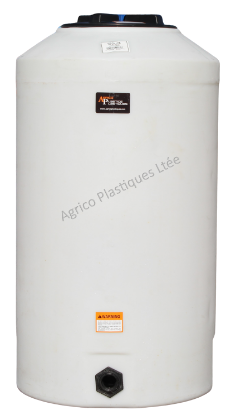
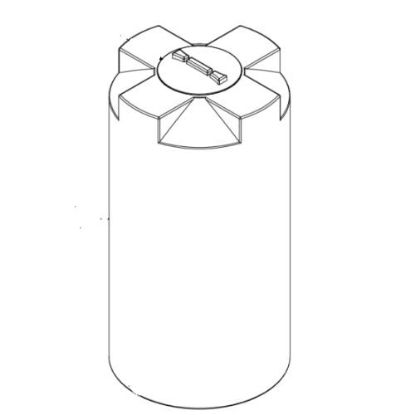
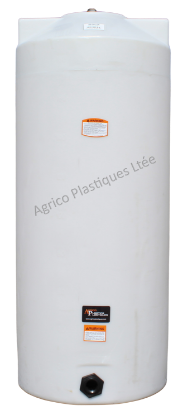
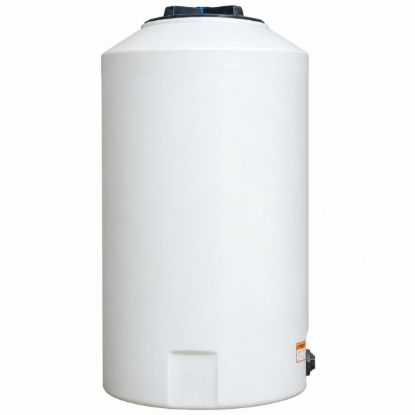
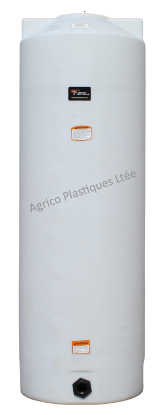
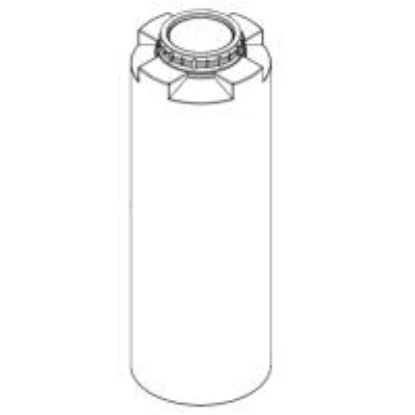
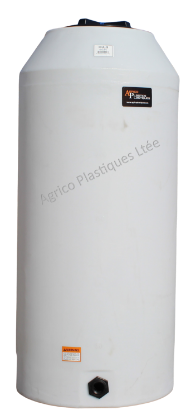
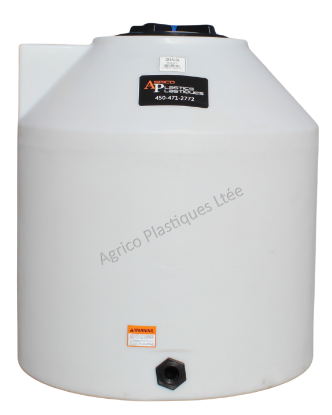
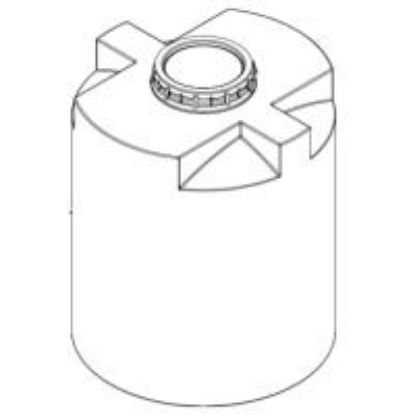
Closed-top vertical plastic tanks: choose according to the liquid and installation
A closed-top vertical tank is used to store liquid in a stationary, above-ground installation. Its flat bottom requires a base that properly supports the entire tank. Its shape makes use of available height while limiting the floor space required. It can serve as a water reserve, a buffer tank or storage for a compatible liquid in an agricultural, food-processing or industrial setting.
Capacity is a starting point. Before choosing from the tanks shown here, we also check the liquid, its specific gravity and temperature, the dimensions of the installation site, and how the tank will be filled, emptied and maintained.
VFN or VFA: what should you compare?
| Series | Application to consider | Equipment and accessories | What to confirm for the model |
|---|---|---|---|
| VFN | Many compatible commercial and agricultural applications | Most models include a vented lid, an outlet and molded graduations in US gallons. | Specific gravity rating, dimensions and equipment actually included |
| VFA | Storage of compatible chemicals or projects requiring a particular configuration | Supplied without a vent, outlet or graduations. These features must be requested according to the liquid to be stored and the project. | Specific gravity rating, liquid compatibility and accessories to order |
Most closed-top vertical tanks are offered with a specific gravity rating of 1.5 or 1.9. A 2.2 rating is also available by special order for the VFA series. Availability and configuration must be confirmed for the model you need.
Specific gravity does not tell the whole story
We are sometimes asked for a “stronger” tank without being told what it will contain. A specific gravity rating of 1.5, 1.9 or 2.2 is one selection criterion, but it does not establish chemical compatibility. For a fertilizer, treatment solution or other chemical, we need to know the exact liquid, its concentration and temperature. Gaskets, bulkhead fittings and valves must also be suitable for that liquid.
For water intended for human consumption or a food product, we confirm the requirements applicable to the model and the components in contact with the liquid. A material that meets FDA requirements does not, by itself, validate the entire installation. Potable water hoses must also be selected for their intended use.
What to plan before ordering
Access, base and maintenance
A tank can have the right capacity yet be impossible to install in the planned location. We check the route to the site, available height, space around the tank and access to its lid. The base must support the tank bottom according to the model’s requirements. Our page on tank delivery, installation and use outlines precautions to consider.
A closed-top vertical tank is intended for stationary, above-ground storage. If the liquid must be transported, compare horizontal tanks designed for transport or caged IBC totes.
Filling, venting and draining
One costly mistake we see in the field is choosing the tank before determining where the pump and piping will connect. Check which connections and outlets are present on the model, then plan those required for the project. This is especially important for VFA tanks, whose vent, outlet and graduations must be requested according to the liquid being stored and the planned installation. The lid, vent, drainage and access needed for inspection are all part of this review. Agrico can assist you in selecting the tank and its accessories before ordering.
If more complete gravity drainage is essential, consider closed-top cone-bottom tanks. If access from above is insufficient, compare open-top vertical tanks. For a project requiring secondary containment, double-wall tanks warrant a separate evaluation.
Frequently asked questions
Can a closed-top vertical tank be moved while full?
No. The models in this category are intended for stationary storage. Storage capacity does not mean a tank is approved for transport.
Are all models suitable for potable water?
No. The selected model and all components in contact with the water must meet the requirements of the intended use, particularly when the water is intended for human consumption.
Does a specific gravity rating of 1.9 or 2.2 guarantee chemical compatibility?
No. The tank’s specific gravity rating and its chemical compatibility are separate checks. The liquid’s concentration and temperature, as well as the materials of accessories in contact with it, must also be considered.
Tell us about your project
Tell us what liquid you will store, its specific gravity and temperature, the required capacity, available dimensions and desired connections. We can compare relevant models without limiting the decision to the listed capacity.
Explore our tank applications, including uses in agriculture and maple syrup production, and consult our tank information guide. To discuss your installation, request a consultation.
Contact us Inventory in REAL TIME !
  Pickup and Shipping the SAME DAY ! (Order placed before 11 a.m.)

Monday - Thursday
Friday
Saturday
Sunday
8 am to 12 pm / 1 pm to 4:30 pm
8 am to 12 pm / 1 pm to 3:45 pm
Closed
Closed




Monday - Thursday
8:00 a.m. to 12:00 p.m.
1:00 p.m. to 4:30 p.m
Friday
8:00 a.m. to 12:00 p.m.
1:00 p.m. to 3:45 p.m.
Saturday
Closed
Sunday
Closed