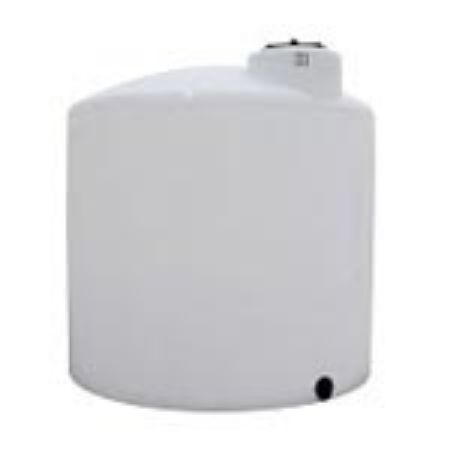
 Vertical Closed Top Storage Tanks
 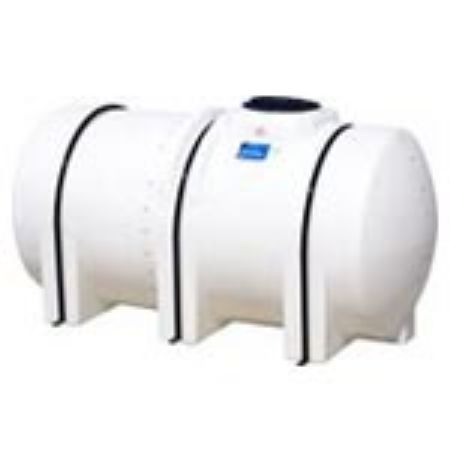 Free Standing Horizontal Tanks
 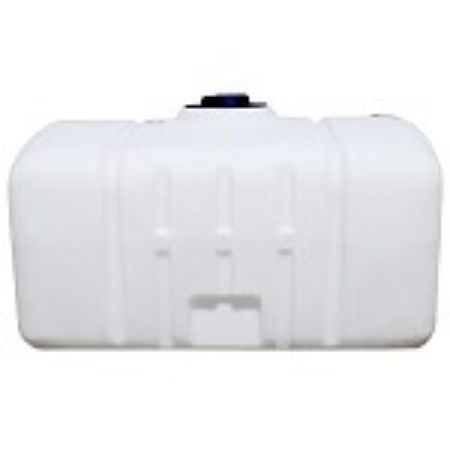 Rectangular Utility Tanks
 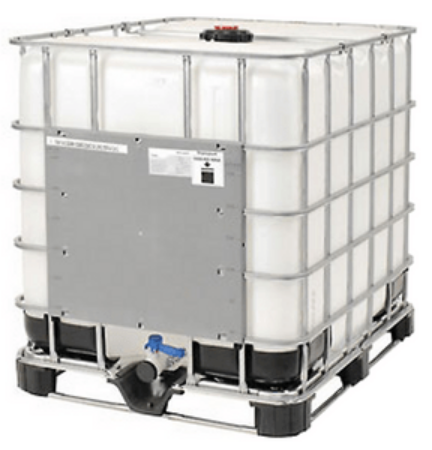 1000 Litre IBC Tanks (Cage Tote)
 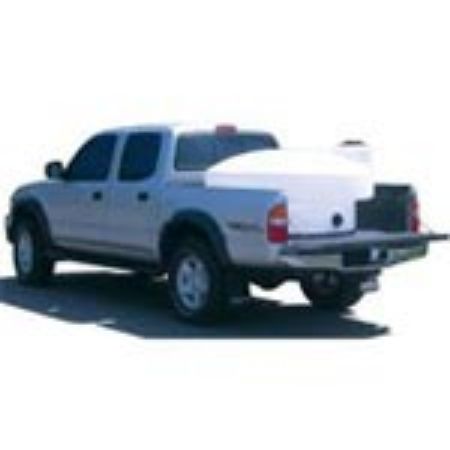 Pick up Tanks
 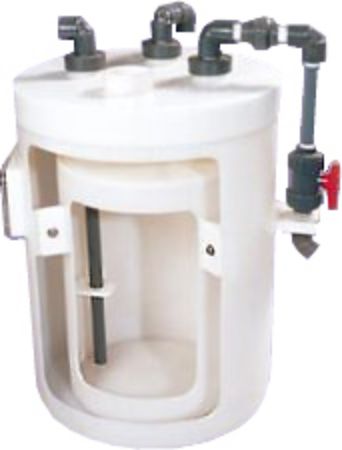 Double Wall Tanks
 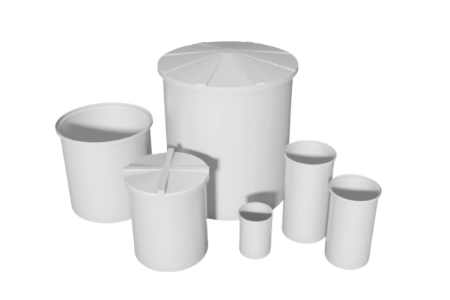 Vertical Open Top Storage Tanks
 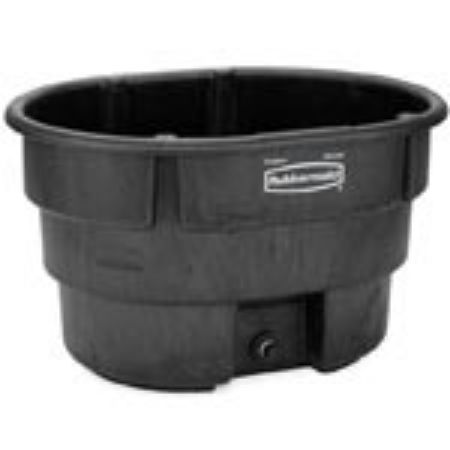 Plastic Water Stock Tank
 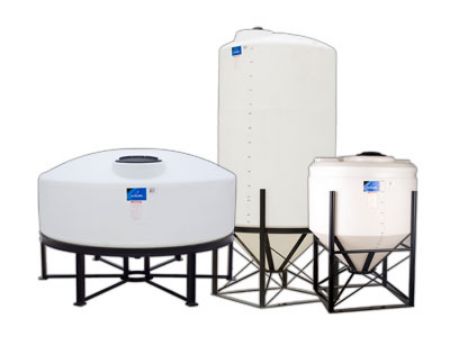 Cone Bottom Tanks - Closed Top Plastic Tanks
 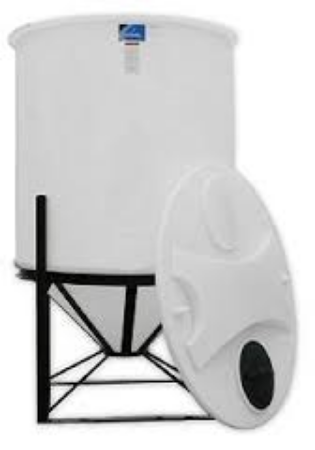 Cone Bottom Tanks - Open Top Plastic Tanks
 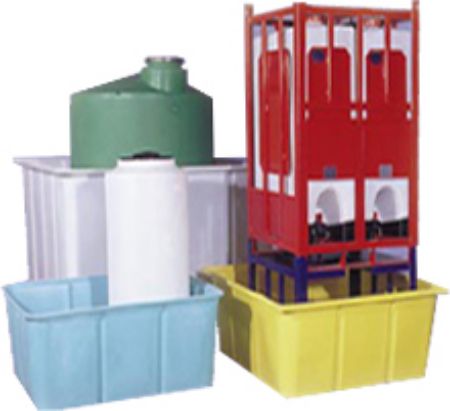 Secondary containment basins
 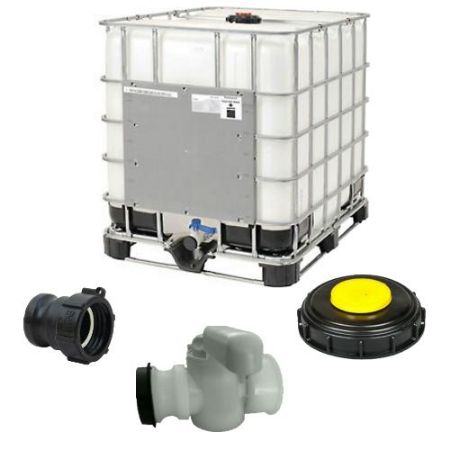 Cage Tank Parts (IBC Tote)
 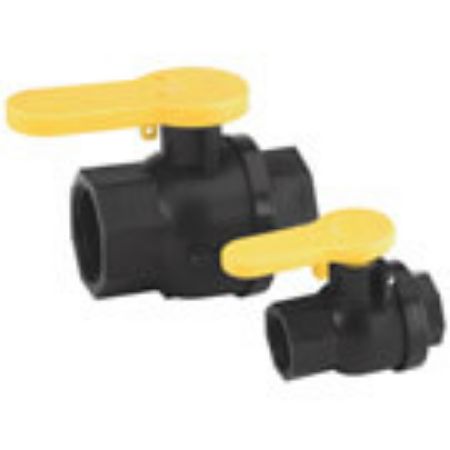 Polypropylene and PVC Ball Valves
 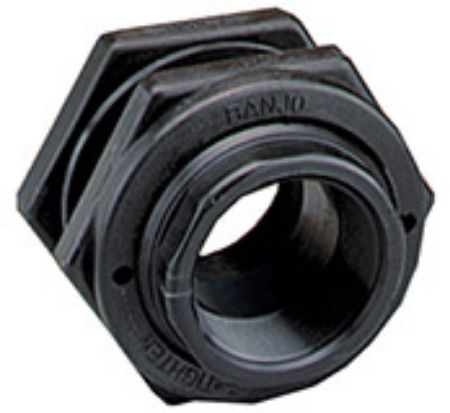 Polypropylene and PVC Tank Fittings
 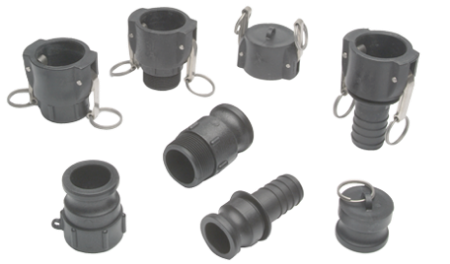 Camlock Fittings
 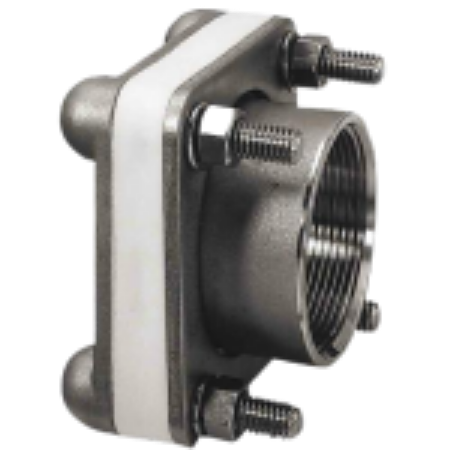 Stainless Steel Bolted Fitting
 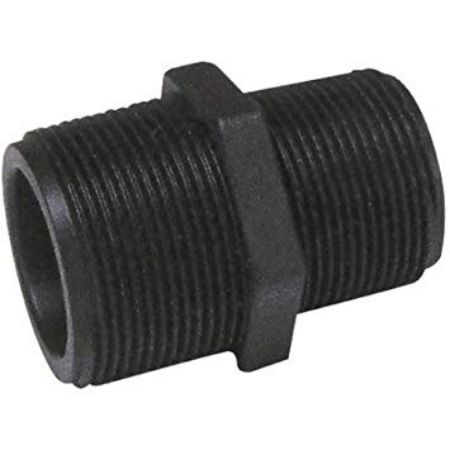 Polypropylene Threaded Reducer Nipples
 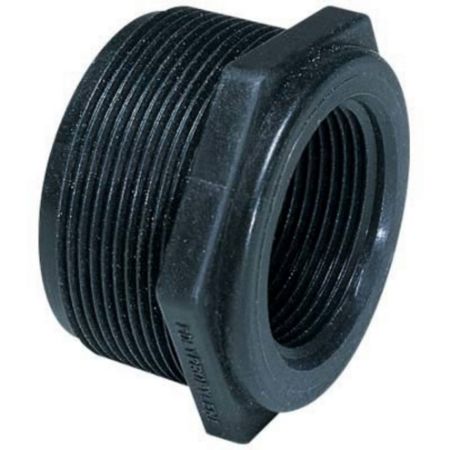 Polypropylene Threaded Reducer Bushings
 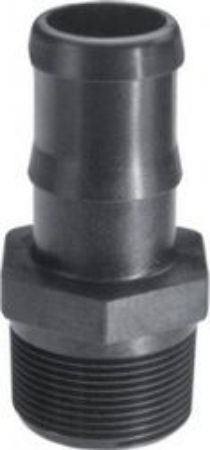 Hose Barb Fitting Adapter
 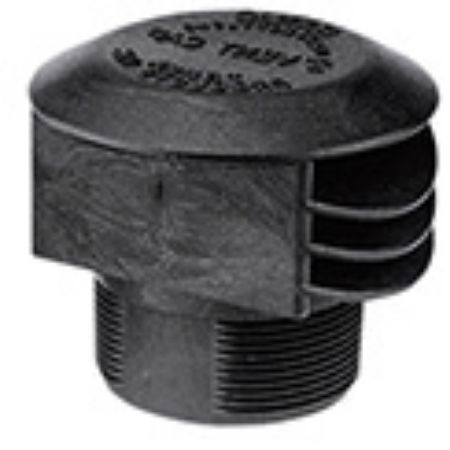 Vent Caps
 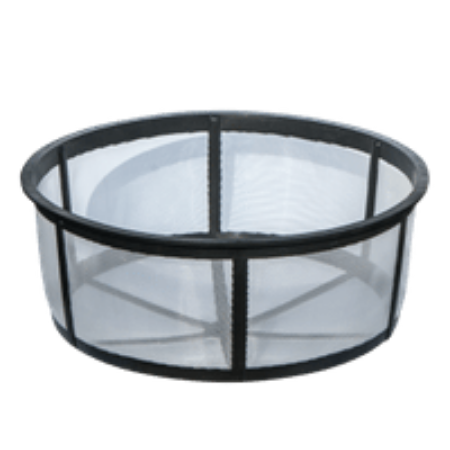 Filter Strainer Baskets
 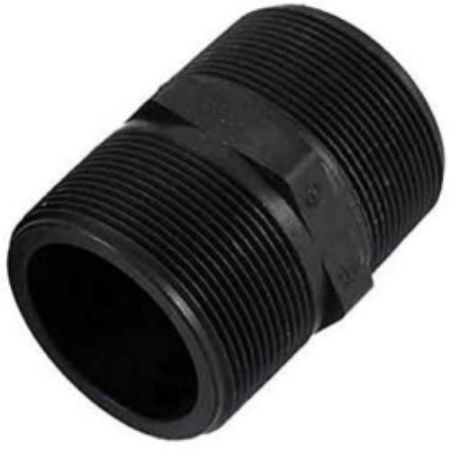 Threaded Pipe Nipples
 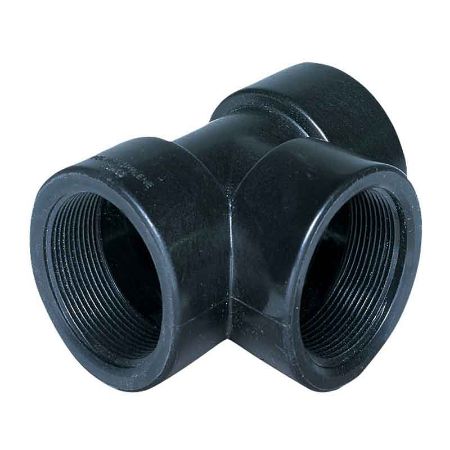 Polypropylene Tee Fitting, NPT Female Thread
 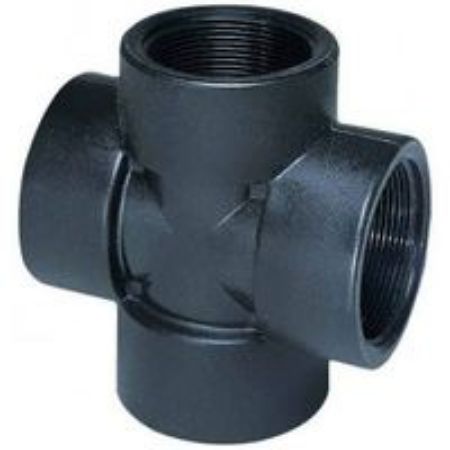 Polypropylene Cross Fitting, NPT Female Thread
 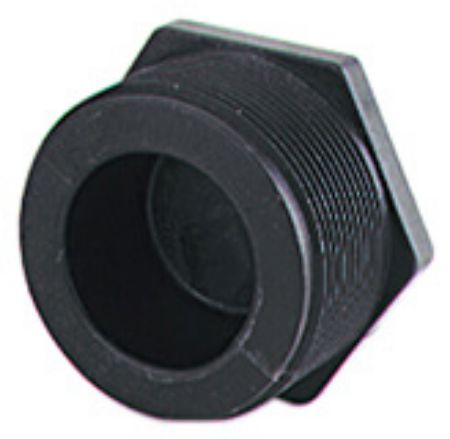 Drain Plugs
 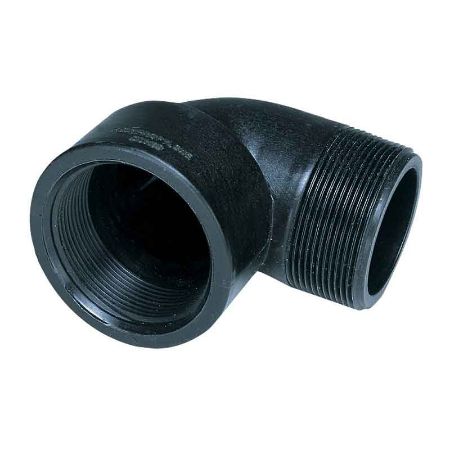 Elbow fittings
 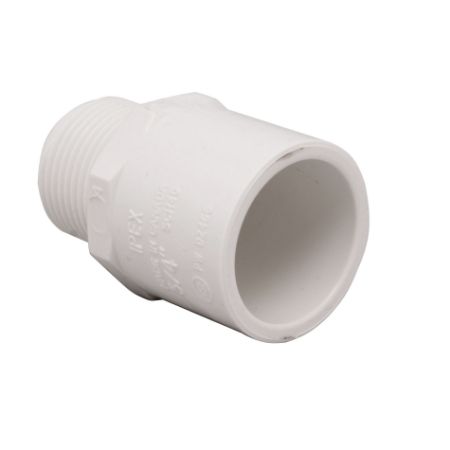 PVC Adapter, NPT Male Thread to Socket End
 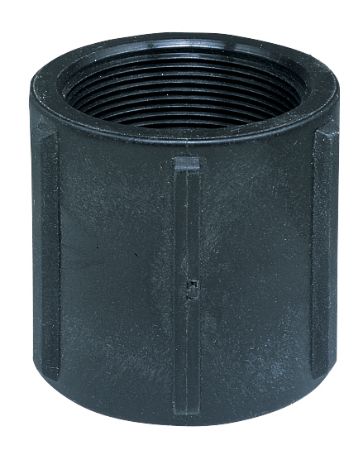 Polypropylene Threaded Pipe Couplings
 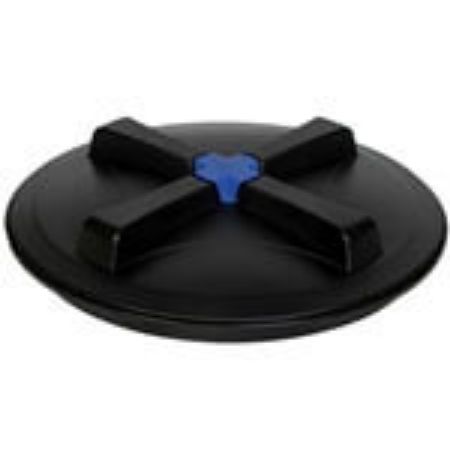 Closed Top Tank Lids
 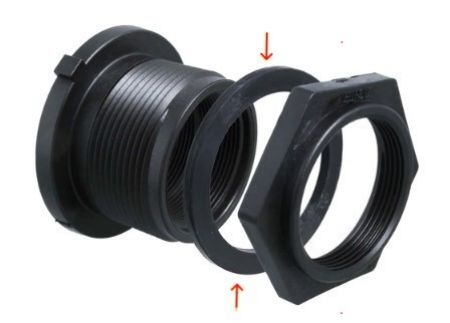 Replacement Gasket for Bulkhead Fitting
 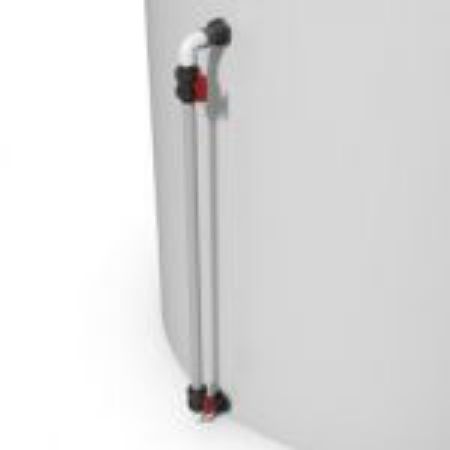 Level Indicator
  Miscellaneous accessories
  Potable Water Hoses
 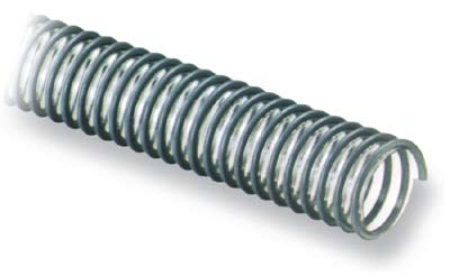 Liquid Suction and Discharge Hoses
 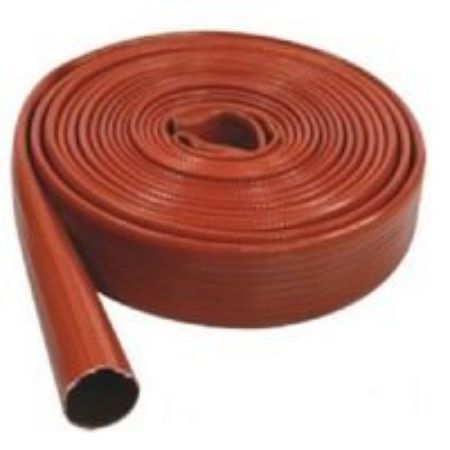 Liquid Discharge Hoses
  Assembled Liquid Discharge Hoses
  Fire Hose
 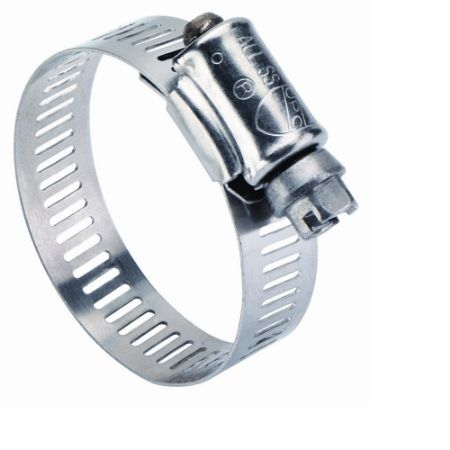 Hose Clamps
 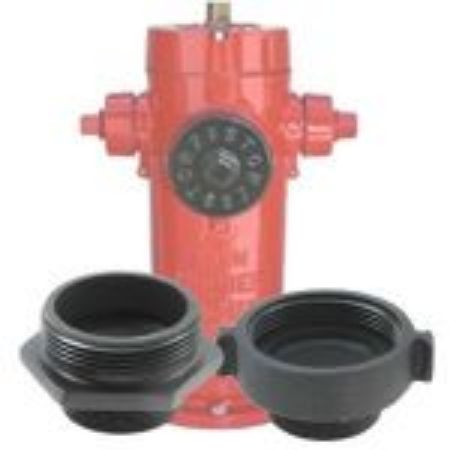 Fire Hydrant Adapters for Quebec
 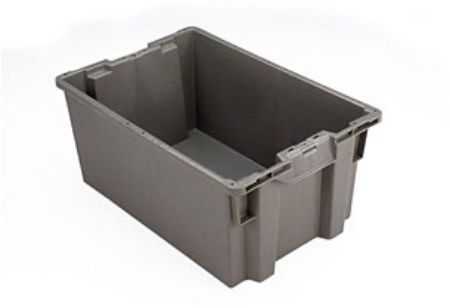 Food Grade Containers, Solid Walls and Bottom
 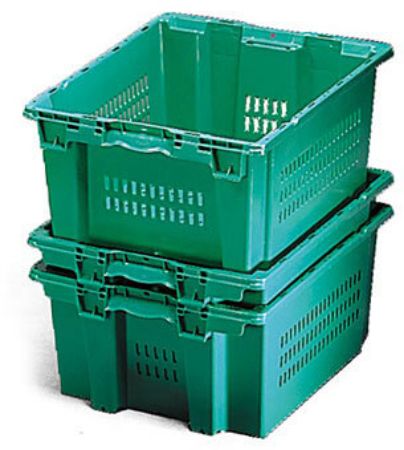 Food Grade Containers. Vented Walls and Bottom
 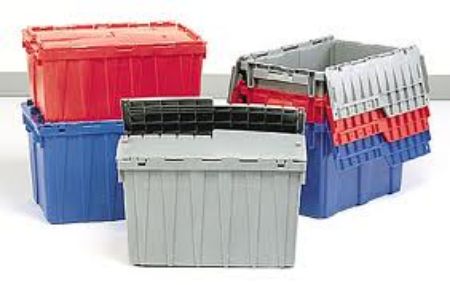 Attached Lids Plastic Containers
 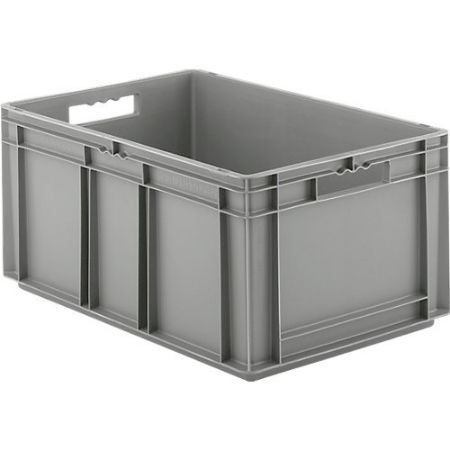 Industrial Plastic Containers, Solid Walls and Botton
 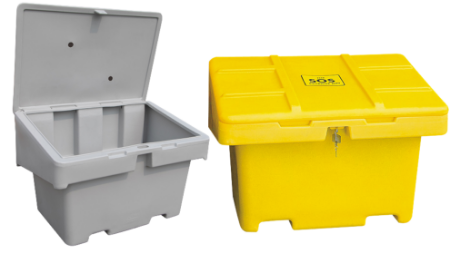 Sand and Salt Plastic Storage Bins
 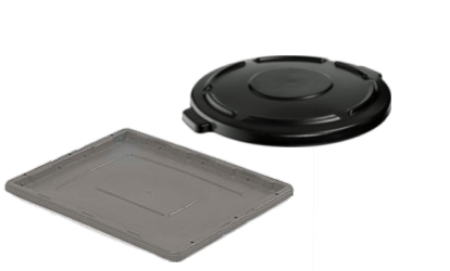 Containers - Lids and Covers
 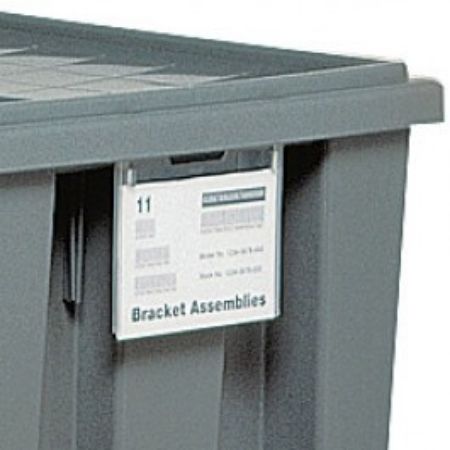 Containers - ID and Hot Stamp
 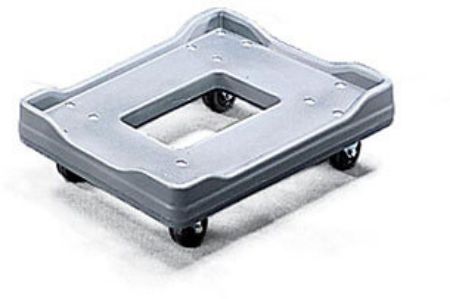 Containers - Dollies
 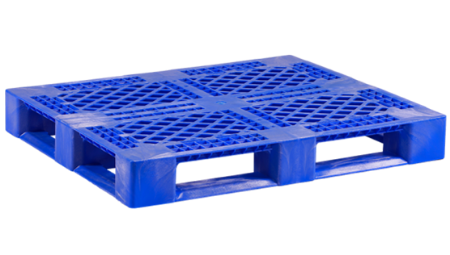 FDA Food Grade Plastic Pallets
 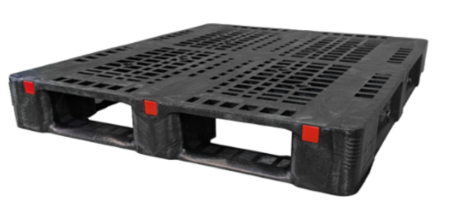 Industrial Plastic Pallets for Warehouse and Racking
 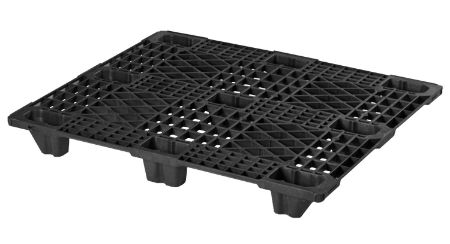 Export Plastic Pallet
 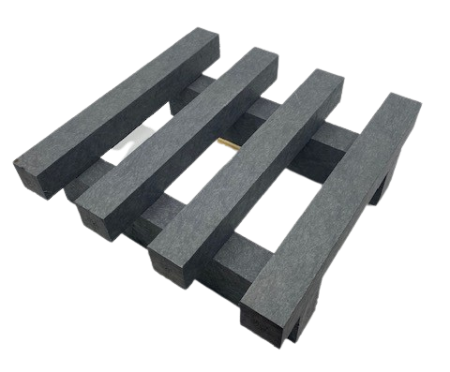 Display Plastic Pallets
 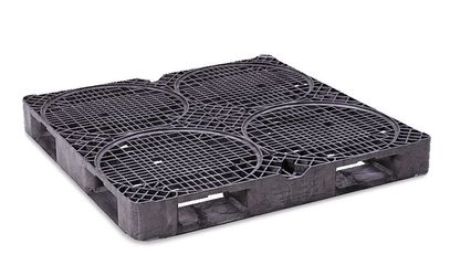 Drum Plastic Pallets
 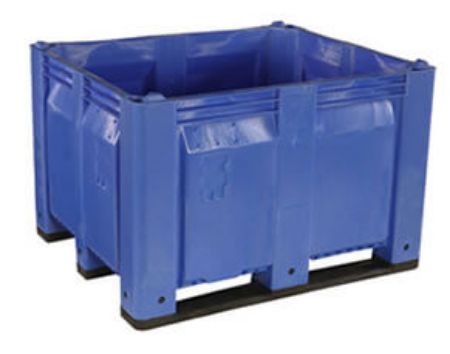 Plastic Pallet Boxes, Solid walls and Bottom
 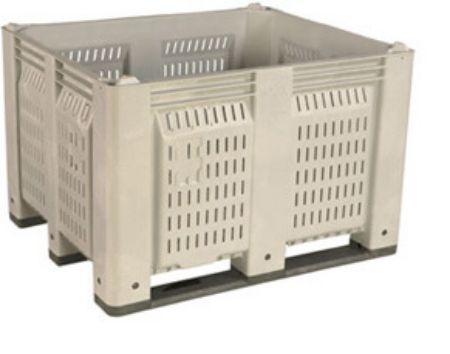 Plastic Pallet Boxes, Vented walls and Bottom
 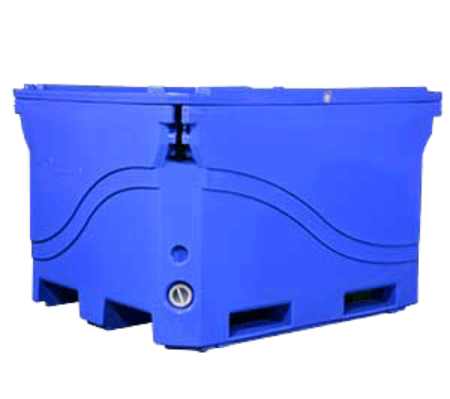 Insulated Plastic Pallet Boxes
 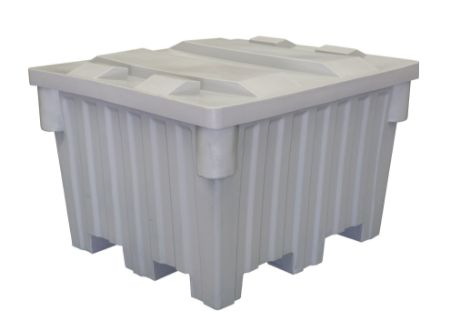 Tapered-wall Pallet Boxes
 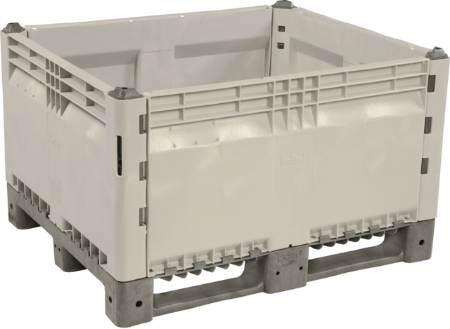 Removable walls Pallet Boxes
 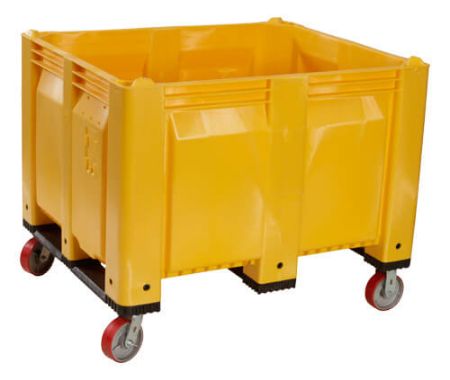 Pallet Boxes on Casters
 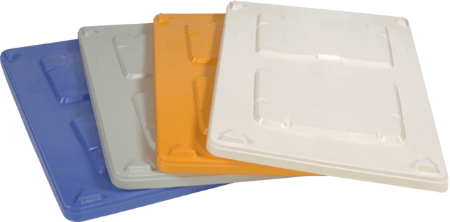 Lids - Pallet Boxes
 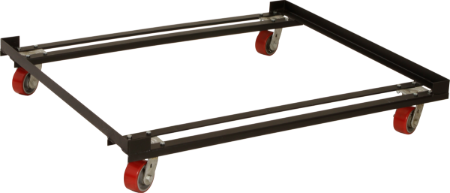 Pallet Boxes Bin Cart
 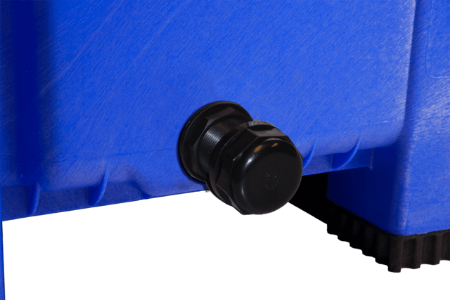 Drain Option for Pallet Boxes
 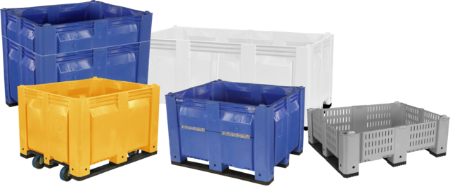 Custom Plastic Pallet Boxes
 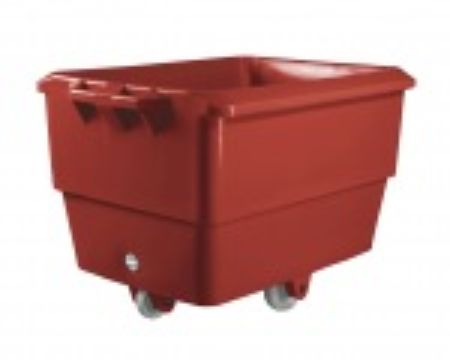 Food Grade Buggies - FDA Carts
 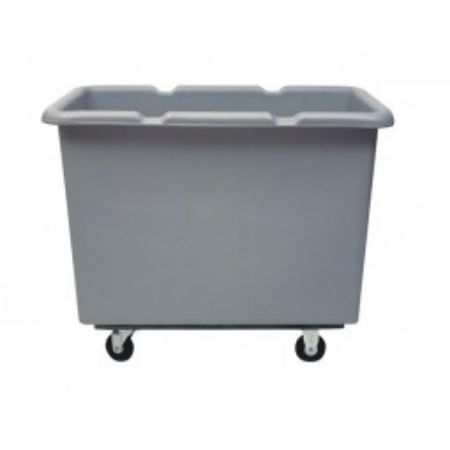 Industrial Poly-Box Trucks
 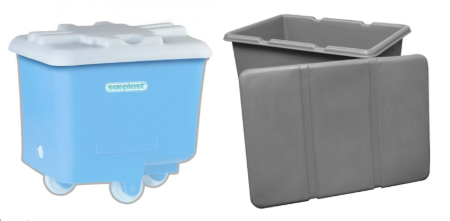 Carts Options and Accessories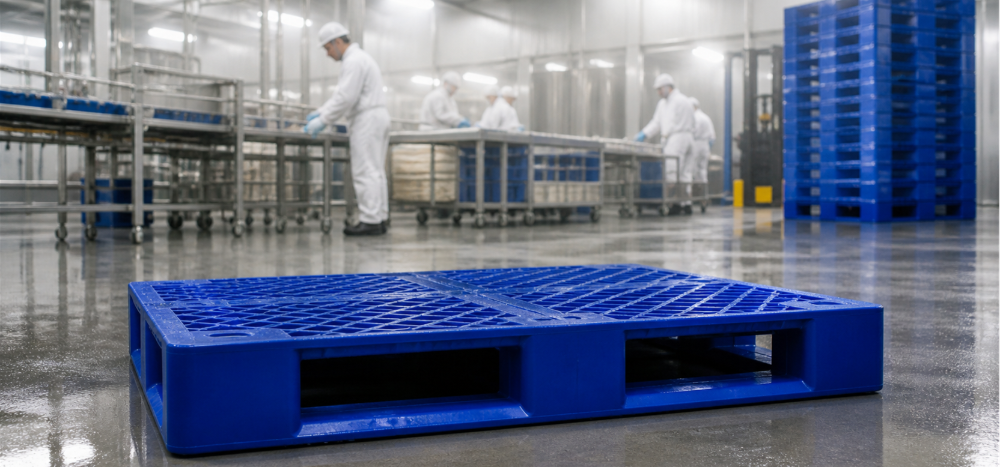
Is your Quebec food processing plant losing time and money because of its plastic pallets? Learn how to choose the right model without slowing down your operations.
It's 5:45 a.m. in a food processing plant in Saint-Hyacinthe. Employees are arriving one by one, coffee in hand. On the dock, the first truck is backing up to the loading ramp. The beep of the forklift already echoes through the building. At receiving, everyone wants to move fast. Nobody wants to trigger a ripple effect through the schedule. They unload, store, feed production. In theory, it's simple. In practice, that's often where the first friction begins.
A forklift operator steps forward to move a stack of empty plastic pallets ; all different models. He slides in his forks, lifts slightly… and the stack wobbles. The pallets don't all sit the same way. He lowers, repositions, lifts again. It works eventually. A few minutes later, he picks up a product pallet to put away in the rack. It looks almost aligned with the beams, but not quite. He adjusts the angle, sets it down, moves on to the next one, then repeats. Nothing dramatic. Nothing that stops production. Everything gets done. But the day has barely started, and already time has been lost on details nobody really notices anymore.
That's usually how the real problem settles in. Not with a major accident or a spectacular line stoppage, but through an accumulation of small deviations that people eventually tolerate: a pallet repositioned, a stack watched, a model avoided, another kept around "for now." These small deviations slow down operations everywhere, without ever becoming visible enough to be treated as a priority. That's exactly why they can go on for a long time inside a plant.
This guide is designed to help you recognize the critical points that are genuinely slowing down your operations, better understand what distinguishes one pallet from another, and make a choice that's more consistent with your real-world conditions on the floor.
What is a food-grade plastic pallet?
A food-grade plastic pallet isn't simply a "cleaner" version of a standard pallet. It must be manufactured from resins that comply with food safety standards (such as FDA), in order to limit contamination migration risks and ensure sanitary integrity. It fits within a framework of hygiene control, consistency, and reduction of deviations and risks in food environments.
In a plant, it quickly becomes a reference point. Something you don't want to monitor constantly, but that you can count on : for stability, washability, and compliance alike. It's this ability to remain predictable under variable conditions that truly sets it apart from other pallet types.
How to choose a food-grade plastic pallet for a Québec food plant
The right choice depends directly on the real environment where the pallet will actually be used: load type (heavy, unstable, bulk), usage (rack or floor), exposure (cold room or freezer), washing method and frequency, humidity level, and compatibility with equipment (pallet jack, forklift, conveyor).
To choose the right pallet, one that will pass audits but also pass the real-world test on the floor, you need to analyze its actual use inside the plant, not just its spec sheet, price, or dimensions. A well-matched pallet reduces adjustments, improves stability, and simplifies floor operations, while cutting down on errors and the mental load on your teams.
TABLE OF CONTENTS
- Why your pallets are already slowing down your plant without you noticing
- The 5 most common mistakes with plastic pallets in food processing
- Base, surface and material: what really changes in real conditions
- Plastic pallets and HACCP, FDA, BRC, SQF standards: what you really need to understand
- Rack, freezer, washing: where wrong pallets cost the most
- Wood vs. plastic pallets: what it really changes in your operations
- CHEP pallets: when it works… and when it no longer works in food plants
- Export pallets: what really changes between wood and plastic
- How to standardize a plastic pallet fleet without creating new problems
- What to check before buying an industrial food-grade pallet
- Final checklist: how to verify if a plastic pallet is truly suited to your reality
- Why choose Agrico Plastiques for your food-grade pallets
- Before / after: what a better pallet logic really changes in a food plant
- FAQ : plastic pallets in food plants in Québec
Why Your Pallets Are Already Slowing Down Your Plant Without You Noticing
A pallet curves slightly on the forks. Later, during another move, a stack of bins shifts a bit. Luckily the stretch wrap holds. Elsewhere, a stack of wooden pallets leans and drops a few splinters on the floor, which someone kicks aside as they walk by. On the surface, the plant is well equipped. It has wooden pallets, plastic pallets, procedures, habits. But in real life, every small adjustment eats up a few seconds, adds a little tension, then integrates into the daily rhythm as if it were normal.
The most common irritants look like this
- A stack of pallets that leans because the models are different.
- A pallet that catches slightly on a conveyor.
- A pallet base that forces you to readjust the forklift forks.
- A pallet repositioned in the rack to make sure it sits properly.
- A pallet that takes too long to dry before it can be reused.
- A model that gets avoided without anyone really thinking about it, it just doesn't feel right.
- A pallet that only works with a certain pallet jack.
Taken individually, these details seem trivial. But in a real plant, nothing happens one at a time. These small deviations repeat, shift from zone to zone, shift from team to team, slip into the next shift's habits, and end up weighing on the work without anyone ever really stopping to talk about it. People adjust, work around the problem… then end up working around it instead of fixing it. That's how an irritant becomes a habit, and a habit becomes the new normal.
The subtle signs that a pallet is already slowing down material handling
In a plant, people don't talk about pallets the way a spec sheet does. Teams say things like certain pallets don't work as well, a model doesn't feel as trustworthy, another stays wet too long after washing, or with some pallets you have to be more careful. When that kind of comment starts coming up, it's never insignificant. It means there's already a gap between the pallet and the reality of the work and the employees are absorbing that gap, often without saying it clearly.
The signs that should raise a flag
- Certain models get avoided or swapped out when there's a choice.
- People hesitate more before putting a load up in the rack.
- The pallet doesn't always get fully loaded because it doesn't feel solid.
- Pallets that already complicate the work stay in circulation.
- Time gets spent sorting, searching, or working around things instead of moving forward naturally.
The trap is that these signals don't always reach decision-makers. They live in gestures, in reflexes, in small remarks made by employees. That's exactly why unaddressed signals cost so much: they translate directly into lost time, unnecessary handling, repeated hesitation, and constant pressure on the teams.
Why do these irritants end up becoming normal?
In a company in the Bécancour region, several pallet models were circulating at the same time without any clear logic. Some went to the freezer, others didn't. Two models worked well in the rack, another much less so. Instead of naturally picking the right pallet for the right zone, teams often worked with whatever was left.
It wasn't a visible catastrophe, it was more insidious than that. Day after day, employees had to carry, without naming it, the stress of picking the right pallet, avoiding the one that felt less trustworthy, hesitating before racking a load, then readjusting to make everything hold. After repeating those small gestures enough times, the irritant didn't stay small for long. It became a background tension in the day, one more mental load in the daily routine.
That's often where you see the real difference between a pallet that was simply purchased and brought into the plant… and a pallet that was genuinely chosen for the way the plant actually works. The right pallet doesn't just support a load. It removes questions. It reassures the teams, integrates better into the environment, and becomes predictable. And on a plant floor, predictability is worth a lot.
What a poorly matched pallet almost always ends up creating
- More adjustments, more uncertainty.
- More unnecessary handling.
- More fatigue at the end of the shift.
- Less flow from zone to zone.
- More tension on the floor.
In other words, a pallet is never just a support. In a food plant, it's part of the system. And when that piece of the system is poorly chosen, poorly standardized, or poorly matched to the environment, it slows down everything else without necessarily drawing attention to itself.
The 5 Most Common Mistakes with Plastic Pallets in Food Processing
When you look at a pallet quickly, everything can seem fine. The right size. A solid appearance. A spec sheet that looks reassuring. Yet that's often where bad choices begin. Not because people are careless, but because a pallet looks much simpler to choose than it really is. On the floor, the consequences of a poor choice surface later, often in small pieces, in the material handling, in the rack, in the wash, in the freezer, or in the way teams end up working around the problem.
1. Choosing a pallet based on price before looking at actual use
This is probably the most common mistake. You look at the unit price first. You compare two models that look similar, see a few dollars difference, and tell yourself the cheaper one will probably do the job. The problem is that the purchase price is almost never the real cost of the pallet on the floor.
What often ends up appearing: less stable stacks, pallets set aside more often, bases less suited to the type of handling, bowing under load, repeated equipment readjustments, and a loss of flow that settles in without making noise. The initial savings get eaten up elsewhere ; in the seconds lost on every pick, in the extra handling, in the hesitations that take hold, in the fatigue felt at shift end.
2. Thinking all plastic pallets are equal
This is another very common mistake, especially when multiple models look pretty much the same. Same format. Same general colour. Same rugged appearance. But on the ground, two pallets that look alike can create two completely different realities. What changes everything isn't always obvious at first glance: the type of plastic, cold-weather behaviour, actual rigidity, base design, rack capacity, fork compatibility, ease of washing, and quality department acceptance.
3. Forgetting the full environment: rack, cold, washing, humidity, and logistics
A pallet never lives only in a catalogue. It lives in a plant. It moves from zone to zone, takes hits, changes temperature, gets washed, ends up in a rack sometimes, on the floor other times, in a cold room, in a wet loading dock. Many purchasing decisions are still made as if the pallet will operate in a stable, clean, predictable environment. That's rarely the case.
Before choosing, you always need to ask: Where will the pallet actually circulate? What will it go through in a normal week? Which work zone is the most demanding? Who internally will need to be comfortable with this choice? Which usage conditions are most likely to expose its limitations? Answering these questions prevents bad surprises and stabilizes operations from the start.
4. Underestimating the risks of a poorly suited rack pallet in food processing
The rack remains a critical point, and yet it's still too often dismissed. As long as there's no accident, many plants tolerate models that aren't really designed for that application. But a plastic pallet that's poorly supported, poorly suited to the racking, or too slippery on steel isn't a technical detail. It's a risk zone, and above all, an immediate source of lost confidence on the floor.
When a pallet is poorly suited to the rack, you often end up seeing: hesitation before setting down a load, more frequent angle or position corrections, certain models avoided at height, limited manoeuvres, and a loss of speed and confidence. A pallet that "seems to hold"… is not a strategy. It's a risk.
5. Letting a mismatched pallet fleet take hold in the plant
This is often the most insidious mistake, because it doesn't come from a single bad decision. It settles in gradually, almost silently. You buy one model for a specific need, then another for an emergency. You recover a lot. You keep some older pallets that might still come in handy. And before you know it, you have a jungle of models that sometimes look similar but don't behave the same way at all. Teams then have to carry stress that shouldn't belong to them: picking the right pallet, avoiding the one that doesn't work as well, doubting before racking a load, adjusting once again to make things work.
Not sure whether your pallets are truly suited to your rack, freezer, wash logic, or warehouse?
- 450-471-2772
- Fill out the form
We'll help you identify what's actually slowing down your operations.
Base, Surface and Material: What Really Changes in Real Conditions
When talking about what technically distinguishes one pallet from another, three elements usually come up: the base, the surface, and the material. These three points can seem abstract on paper. On the floor, they have very concrete consequences.
The type of base: what it changes for forks, stability, and the rack
The base is what touches the ground, what receives the forks, and what, in the rack, rests on the beams. It's the element most often poorly evaluated before purchase and yet one of the most determining factors in a pallet's real life.
9-leg bases
9-leg pallets are often an entry point. Lighter and often less expensive, they can circulate in various contexts and work well for floor storage with light to medium loads. But in the rack, a plywood board or mesh decking is absolutely required to support them. In situations where support must be truly solid, they show their limits more quickly. The support is less uniform, which can create instability under load or inspire less confidence at height or on forks.
3-runner bases
3-runner pallets generally offer better support and stability than 9-leg models. Their range of use goes from light to intensive, depending on their design. They integrate well in various general material handling contexts and give a more reassuring feel when frequently handled by pallet jack, since fork entry is completely clear, but access is only from two sides, which limits handling options.
Perimeter and cruciform bases
These base formats are often better suited to medium to intensive use. Depending on the context, they can offer better rack behaviour, improved load distribution, or greater compatibility with certain types of equipment.
- Perimeter bases are distinguished by four feet located on the perimeter and one central leg. The advantage is great rigidity and load capacity and they can easily be used with both a pallet jack and a forklift. The open space around the central leg provides 4-way entry to simplify handling.
- Cruciform bases have the same four perimeter feet but are equipped with two additional feet positioned in a cross pattern at the centre, giving these pallets incomparable solidity compared to other designs. These are often the pallets referenced as "rack-rated," as they carry heavy loads and offer excellent support on rack beams.
On the floor of a food plant, a pallet's base determines everything: the fluidity of handling, the teams' confidence under a heavy load, and the absence of unexpected stoppages on conveyors or in the rack.
Pallet surface: solid or open depending on the application
A solid surface provides continuous support. It's more commonly used in food plants for bulk loads, light boxes, bottles, or products that tend to deform under their own weight. It's often the best hygienic choice for easy visual inspection and improved quality compliance.
An open surface changes the equation as soon as you enter an environment where pallets are washed frequently, moved quickly, or exposed to moisture. On food plant floors, they provide better post-wash drainage, faster drying, tolerance to humidity, a less slippery surface, and a lighter pallet overall.
Retention lips and anti-slip features are details that tend to get underestimated. Yet depending on the load type, they can make a real difference, especially for slippery boxes or moving loads in food processing, where they secure the load without complicating things.
HDPE, polypropylene and recycled ACM materials: which material fits which reality
The material of a food-grade pallet is often poorly understood. On the floor, not all plastics hold up the same way.
- HDPE dominates in dry, wet, or cold food plants because it tolerates these different plant realities very well. HDPE pallets handle repeated handling, washing, impacts, and temperature variations without flinching. They offer a generally more reassuring performance and this material is more forgiving of daily impacts.
- Polypropylene excels in rigidity in controlled environments but tolerates cold or violent impacts less well. It goes into the manufacture of pallets designed for heavy rack loads with intensive use, great rigidity and tolerance even when the floor surface or support isn't perfect.
- Virgin materials and recycled ACM blends: In food plants, first-fusion virgin resin with a food-grade colorant is compliant with FDA standards. In industrial settings, recycled resin can also offer excellent performance, but is never considered compliant with food-grade standards. ACM : a blend of mixed plastics, is primarily used to mould export pallets for single use, as it doesn't offer sufficient strength for general daily plant use.
A base directly influences stability, forks, and the rack. A surface influences washing, drying, and behaviour in humid environments. A material influences tolerance to cold, impacts, and daily wear and tear. A pallet is chosen according to its real plant life, not just its spec sheet.
Plastic Pallets and HACCP, FDA, BRC, SQF Standards: What You Really Need to Understand in a Québec Food Plant
In the Québec and Canadian food world, decisions aren't made based on operational performance alone. They must also meet strict requirements around food safety, traceability, and compliance. That's where HACCP, FDA, BRC, and SQF standards take on their full importance. And that's also where a well-chosen pallet becomes a compliance asset or an audit headache.
HACCP: what it means for pallets
HACCP doesn't certify a pallet. It's not a product you "buy compliant." It's a hazard analysis method. Concretely, every element on the floor must be evaluated for its contamination potential. A wooden pallet, even a treated one, remains a porous material. It can retain moisture, organic residue, bacteria, and mould. In certain zones, that's not acceptable, not because the pallet is "non-compliant," but because it increases risk and complicates demonstrating risk control during an audit.
Conversely, a well-designed industrial food-grade plastic pallet is non-porous, washable, and dries quickly. It's also easier to inspect and remains consistent over time. That's why it's often better received in sensitive zones. At Agrico Plastiques, we regularly speak with quality managers looking to align their pallet fleet with their HACCP requirements and in those cases, plastic almost always simplifies the process.
BRC and SQF: what auditors look at
BRC (British Retail Consortium) and SQF (Safe Quality Food) standards are increasingly required in the Canadian food industry, particularly by major distributors and retailers. In practice, these standards look at all equipment and materials that come into direct or indirect contact with food products. A poorly chosen pallet that's difficult to wash, or whose visual condition is hard to maintain, can become a failure point during a BRC or SQF audit.
What auditors actually observe: the general condition of pallets in circulation, the ease of cleaning surfaces, the absence of water-retention or organic-residue zones, and the consistency between the pallets used and the product-handling zones. A pallet manufactured in HDPE or PP with an open surface, washable and easy to visually inspect, directly meets these expectations.
FDA: authorized materials in food contact
The FDA doesn't directly certify products, it governs authorized materials in food contact. Pallets must therefore be manufactured from FDA-compliant resins, such as virgin high-density polyethylene (HDPE) or virgin polypropylene (PP), to prevent migration of harmful substances. On the floor, the issue is concrete: a food-grade plastic pallet doesn't make a plant compliant. What counts is that it's used in the right place, in the right way, and maintained correctly.
Rack, Freezer, Washing: Where Wrong Pallets Cost the Most
Choosing a pallet is never a general decision. It has to be validated in the most demanding zones of the plant. These environments , rack, freezer, and wash, quickly expose the limits of a poorly matched model. Viewed from the outside, a pallet can seem fine. In a given zone, it may even do the job for a while. But as soon as it changes environment, its limits start to show.
Plastic pallets for food plant racking: what you can't improvise
This is one of the most critical points in a food plant and also one where mistakes cost the most, because the margin for error is very small. A pallet that seems to hold isn't necessarily suited to racking. If the base isn't designed to support properly, if the load is poorly distributed, or if the rigidity isn't there, you're working on false confidence.
HDPE plastic pallets for food plant freezers: what cold amplifies in the field
A plastic pallet for freezer use is put to the test from the first uses in a food plant. In the freezer, limits quickly become visible: brittleness of a less tolerant material, more slippery surfaces, base that can deform under load, loss of confidence when racking, and a narrower margin for error than elsewhere.
HDPE remains the most reliable material for intensive freezer applications in Québec, due to its ability to maintain strength and stability even at very low temperatures. This is what allows predictable behaviour in operations, both in handling and in racking, where other materials begin to show their limits.
Plastic pallets for frequent washing (HACCP): why design influences hygiene and drying
A pallet intended for frequent washing in a HACCP environment must be chosen as much for its cleaning behaviour as for its handling performance. A pallet poorly suited to a frequently washed environment can lead to: slower drying, more waiting before returning to circulation, a less clean appearance in sensitive zones, more doubt about wash quality, and a less controlled cleanliness perception, which doesn't go over well in a HACCP, BRC, or SQF audit.
Pallets for warehousing and internal logistics: where fluidity is won or lost
When you move out of the processing room and toward the warehouse, the pallet continues to directly influence the quality of movement. Signs that a pallet is already complicating internal logistics: forklift operators adjust more than they should, certain pallets are avoided in certain areas, the pallet jack works with one model but less well with another, pallet stacks are less stable, and during double-stacking, the top pallet damages the merchandise below.
Racking, cold, washing, and warehousing don't forgive average choices. The more demanding the environment, the more the technical detail matters.
Wood Pallets vs. Plastic Pallets: What It Really Changes in Your Operations
The classic question: wood pallet or plastic pallet, which to choose in a food plant in Québec? The choice often starts with price. Yet in a food environment, the real difference isn't on the invoice… it's in operations. Wood is a living material. It absorbs moisture, retains liquids, degrades with use, and evolves with its environment.
In this context, it changes a lot of things: moisture accumulates more easily, surfaces become harder to clean, splinters or cracks can appear, appearance quickly becomes less uniform, and drying takes longer after washing. By contrast, plastic is inert. It doesn't absorb water, doesn't retain contaminants the same way, and maintains a much more consistent behaviour over time.
On the floor, that translates into an easier-to-wash surface, faster drying, better consistency from one model to the next, less variability in material handling, and a more stable cleanliness perception. The difference also shows in operational fluidity. A wooden pallet varies from one lot to the next, more or less straight, more or less stable, more or less worn. Teams have to adjust without always saying so. Plastic stays stable. And that stability removes daily decisions: less hesitation, less sorting, less adjusting, more confidence in the rack, more flow throughout the process.
Wood can work. But it demands more tolerance. Plastic demands less adaptation. And in a food plant, that difference always ends up being felt and always ends up showing up during audits.
CHEP Pallets: When It Works… and When It No Longer Works in Food Plants
When talking about pallets in food, logistics, or distribution, it's nearly impossible not to mention CHEP pallets. They're well known, widely accepted in many networks, and their rental model appeals to many companies because it simplifies part of the fleet management. But if you want to talk about CHEP pallets with credibility, you have to start by being fair.
Why are CHEP pallets so prevalent in food and logistics networks?
CHEP pallets respond well to a large-scale circulation logic. Many appreciate: a widely recognized standard, good acceptance in many networks, simpler management in certain flows, and a practical model when you don't want to manage the entire fleet internally. But just because they work in certain logistics flows doesn't mean they're suited to a food plant.
CHEP pallets: advantages and limits in food plants
In some contexts, a CHEP pallet can work very well. But where the reflection gets more serious is when this pallet enters the real life of a food plant. That's often where it becomes far less convincing in the face of moisture, sensitive zones, splashes, frequent washing, cold rooms, freezers, tighter quality requirements, and a need for consistency on the floor.
The central point is the material. The most well-known CHEP pallet remains a wooden pallet. And as soon as you return to the real reality of a food plant, wood's limitations reappear quickly: more visible moisture, more retained dirt, visible repairs, worn zones, fibres or splinters depending on the pallet's condition.
Conversely, a pallet chosen for the plant's own reality can be designed around much more concrete criteria: the rack, the freezer, frequent washing, heavy loads, empty returns, colour coding, sensitive zones, and internal quality requirements. A CHEP pallet can work in certain flows, but it doesn't automatically solve the realities of a food plant. A clear flow analysis, well-defined needs, and a consistent pallet choice bring far more stability to all operations.
Food Export Pallets: What Really Changes Between Wood and Plastic
In food export projects, many companies instinctively reach for wooden pallets. It's often seen as the "standard" solution, accepted everywhere, easy to find, and less costly upfront. But in reality, the export context highlights very concrete differences between wood and plastic. The critical point is moisture. Wood absorbs water, that's a physical property. Even an ISPM 15-compliant treated pallet continues to absorb and release moisture depending on its environment.
Concretely: a wooden pallet can gain several kilograms during transit, the total weight of the container becomes less predictable, additional fees may appear, and the risk of weight overruns increases. But the real issue in food isn't just weight. It's moisture, particularly in containers at export. What's often called "container rain" is condensation that falls directly onto the merchandise. And that moisture comes largely from the pallets themselves.
Inside the container, or once the merchandise is unloaded, you can find: softened cardboard, mould on packaging, cross-contamination risks, compromised product presentation upon arrival, and in some cases, outright rejection of the merchandise. Conversely, a plastic pallet stays stable: no weight gain, no moisture absorption, a more predictable container environment, less product risk. That's why many companies that export regularly end up migrating to plastic.
Note: an export pallet is not the same as a pallet designed for internal operations. Export pallets are often lighter, transport-optimized, often nestable, and designed for a short cycle. As soon as they're reused internally, their limits appear quickly: less rigidity, less stack stability, little or no rack adaptation, and reduced tolerance to intensive handling.
How to Standardize a Plastic Pallet Fleet Without Creating New Irritants
When a plant starts to feel that something is catching in its operations, the reflex is often to look at the most visible cases. But very often, the real problem doesn't come from a single bad pallet. It comes from the mix. Good standardization should remove unnecessary daily decisions.
When the pallet mix becomes a jungle on the floor
A mismatched fleet doesn't build itself all at once. It settles in quietly. On the floor, this jungle almost always produces the same symptoms: more sorting than necessary, guessing which pallet goes in which zone, avoiding certain models without clearly saying so, keeping pallets "for now," and using whatever's at hand instead of what's actually needed.
Standardizing a pallet fleet: one model or a few well-distributed ones
Standardizing doesn't mean uniformizing everything around a single model. Nor does it mean accumulating models without clear logic. Standardizing intelligently means ensuring that teams no longer have to guess, work around, sort, or be wary in order to succeed at a task that should already be simple. Good standardization must ensure teams quickly know which pallet goes where, behaviours are predictable from one model to the next, critical zones have pallets consistent with their constraints, and the fleet is easier to manage, replace, and evolve.
Warning signs that a pallet fleet is starting to hurt operations
- Teams avoid certain models when they have a choice.
- Stacks don't all behave the same way.
- Some pallets remain in circulation despite doubts.
- Forks frequently need to be repositioned or angle corrected.
- The rack inspires less confidence depending on the model used.
- Time is spent searching for the right pallet.
- Washing, drying, or return to circulation isn't consistent from one model to the next.
What better standardization changes for teams, racks, and audits
When a plant succeeds in bringing order back to its fleet, movements become more direct, stacks are more predictable, the rack inspires more confidence, the environment appears more coherent, teams ask fewer questions, mental load decreases, and audits focus more on real priorities.
Feel like your pallet fleet has become too mixed, too tolerated, or simply more of a burden than it should be?
- 450-471-2772
- Fill out the form
We'll help you identify what's actually worth standardizing.
What to Check Before Buying an Industrial Food-Grade Pallet
Once you understand that irritants rarely come from a single detail, the temptation is to immediately search for the right pallet. Yet before even talking about models, you need to talk about reading the terrain. Before choosing a model, evaluate your working environment in its entirety, the full pallet flow: from receiving, to washing, to use, to storage or delivery.
You're no longer looking for the best pallet in general. Instead, you're looking to understand which priority actually dominates in the plant:
- If the priority is the rack, support, rigidity, and confidence at height come first.
- If the priority is the freezer, HDPE material and real cold-weather behaviour become central.
- If the priority is frequent washing (HACCP, BRC, SQF), drainage, drying, and ease of cleaning become critical.
- If the priority is empty returns, nestability and space efficiency take on greater value.
- If the priority is intensive handling, stability, consistency, and tolerance to daily variations must be prioritized.
- If the priority is fleet uniformity (HACCP or internal audit), the pallet must be considered within a systems logic.
What to validate with other departments (quality, production, warehouse, purchasing)
This is often where a good choice is secured… or where it goes sideways. What's worth validating before deciding: compatibility with internal quality requirements, expected behaviour in production, ease of handling for the warehouse, consistency with the budget without looking only at purchase price, replacement logic, and standardization within the existing fleet.
Choosing a material handling pallet isn't about checking off a spec sheet. It's about matching the real constraints of operations with characteristics that will have a direct impact on the work of your teams and the overall performance of the business.
Final Checklist: How to Verify if a Plastic Pallet Is Truly Suited to Your Reality
Before buying, validate whether the pallet genuinely addresses the real constraints of the terrain. A checklist helps avoid the costliest mistakes, often invisible at the moment of the decision.
First questions to ask yourself
- For which application (storage, processing, shipping, export)?
- What dimensions are required?
- What maximum load must it support?
- Should the surface be solid or open?
- What type of base is required (rack, double-stacking, floor)?
- Is the base compatible with the actual handling equipment (pallet jack, forklift, conveyor)?
- What quantity is needed based on flow and rotation?
- Will it be used in humidity, cold, or freezer conditions?
- Will it be washed frequently?
- Is it an existing model or a new model to integrate into the fleet?
Other critical points to confirm before buying
- Is it truly rack-rated (if applicable)?
- Does the surface facilitate washing, drainage, and the desired stability?
- Will it circulate between multiple zones with different constraints?
- Is the material suited to cold, moisture, and repeated handling?
- Is the rigidity sufficient for the actual load, not just the theoretical one?
- Does the model integrate into the logic of the existing fleet?
- Will it be accepted by quality, production, and the warehouse?
- Does it reduce grey areas in a HACCP audit or create new ones?
- Is the goal to standardize a fleet or simply replace a model?
Why Choose Agrico Plastiques for Your Food-Grade Pallets
Choosing a pallet for your operations isn't just choosing a format or a load capacity. What really matters is knowing whether it will hold up under your real conditions: rack, freezer, washing, logistics, and production pace. At Agrico Plastiques, we never look at a pallet as an isolated product. We look at it as a piece of the system.
Because in operations: a poorly chosen base slows down material handling, the wrong material becomes a problem in cold conditions, and a mixed fleet complicates life for the teams. And that's not something you see in a catalogue. You see it in a plant.
That's why we concretely help you:
- Identify the real irritants in your operations (handling, rack, washing, stability).
- Understand why certain models are avoided by your teams.
- Validate compatibility with your real environment (cold, moisture, washing, equipment).
- Compare models that look identical… but don't perform the same way at all.
- Avoid mistakes from choosing based solely on price or spec sheets.
- Standardize your fleet without creating new irritants.
- Align your choices with your HACCP, BRC, SQF, and CFIA requirements.
Our strength is the field. We know the real constraints of food processing plants in Québec and Canada, and above all, the gap between what works in theory… and what actually works. In the end, we don't sell you a pallet. We help you choose a model that removes adjustments, reduces irritants, stabilizes your operations, and supports your teams every day.
Have doubts about your current pallets or want to validate a choice before committing?
- 450-471-2772
- Fill out the form
We'll identify in a few minutes what's already costing you time on the floor.
Before / After: What a Better Pallet Logic Really Changes in a Food Plant
In many plants, the decision to revisit a pallet fleet doesn't happen because people love big projects. It happens because at some point, you feel like something is catching everywhere at once.
Before: when teams work with whatever's left
In a frozen food plant in the Montérégie region, pallets came from all over. There was still a lot of wood, a few plastic models bought over the years, and no real common logic between zones. On the floor, that translated into: searching for the right model for the right zone, avoiding certain pallets when the load was heavier, hesitating more before racking, tolerating stacks that were less stable than they should have been, and keeping imperfect pallets in circulation because they could still be used.
After: when the fleet becomes more coherent and operations more fluid
Then, at some point, the plant took a step back. Not to revolutionize everything. Just to look at things as they actually were. The effects weren't felt through a big announcement. They showed up in the gestures: less hesitation on picks, less time lost searching for or avoiding a model, better consistency from zone to zone, more confidence in the rack, an environment that felt more coherent, and teams asking fewer unnecessary questions.
What you notice when pallets finally stop being a topic
When a better pallet logic takes hold, something very revealing often happens: the subject disappears from daily conversations. Movements become more direct, teams compensate less, operations feel better controlled, tension drops in sensitive zones, more consistency returns to the flow, and the irritants that were thought to be normal start to disappear.
FAQ : Plastic Pallets in Food Plants in Québec
How do you choose a food-grade plastic pallet in Québec for a food plant?
You need to start by looking at the floor reality: rack or floor, frequent washing, moisture, freezer, load type, fleet logic, and quality requirements (HACCP, BRC, CFIA, SQF). A pallet is chosen based on its actual use, not just its appearance or price.
Which industrial food-grade pallet to choose for food processing racks: HDPE or PP?
A pallet designed for racking must offer consistent support, good rigidity, and genuine confidence at height. HDPE is generally the most suitable material for this application. A pallet that "seems to hold" isn't necessarily designed for racking.
Does a food-grade plastic pallet automatically work in the freezer?
No. A food-grade pallet can be compliant without being ideal for intensive cold use. You need to look at the material (HDPE is generally more reliable than polypropylene in the freezer), rigidity, stability under load, and real-world freezer behaviour.
CHEP wooden pallet or plastic pallet: which to choose in a food plant?
It depends on context. A CHEP pallet can work in certain logistics flows, but it doesn't automatically solve the washing, moisture, racking, freezer, or internal consistency realities of a food plant. Wood keeps its limitations in environments subject to HACCP, BRC, or CFIA standards.
How do you know if a pallet fleet is already slowing down operations?
When teams avoid certain models, when stacks don't all behave the same way, when forks frequently need repositioning, or when the rack inspires less confidence depending on the pallet used, the fleet is already costing you in flow and mental load.
Are plastic pallets compliant with HACCP standards in Canada?
HACCP is not a product certification, it's a hazard analysis method. A pallet made from HDPE, non-porous, washable, and easily inspectable, facilitates the HACCP approach and better meets CFIA sanitation expectations than wood. But compliance always depends on the right model, used in the right zone, with the right cleaning frequency.
Why choose Agrico Plastiques for your food-grade plastic pallets?
Agrico Plastiques is a Québec-based supplier specializing in material handling equipment for food processing plants in Québec and Canada. We don't just sell pallets, we help you make the right choice for your real conditions: rack, freezer, washing, fleet standardization, and food safety standard compliance. Call us at 450-471-2772.
When the pallet stops being an irritant, the whole plant breathes easier
A pallet can seem trivial… until it starts slowing down everything else. And since this impact often stays discreet at first, poor choices end up being tolerated longer than they should. You get used to the small adjustments, the hesitations, the models you avoid, the less stable stacks, the pallets kept around just in case, the details you work around without even thinking about it. Then one day you take a step back and you realize none of that was part of normal work. It had simply become normal through repetition.
A good pallet doesn't solve everything. But it removes a quantity of irritants that most plants no longer even see: unnecessary questions, micro-adjustments, some of the doubt, tension in zones that are already demanding. What a well-chosen pallet often ends up changing: operations become more fluid, teams compensate less, the rack inspires more confidence, washing feels more consistent, the fleet becomes more predictable, and audits stop flagging avoidable details.
At the end of the day, the right pallet choice makes no noise. It simply removes a series of small frictions that, added together, were already weighing heavily on operations. That's exactly why a pallet should never be chosen like a simple catalogue item. It must be considered as a piece of the system. And when that piece becomes consistent with real-world usage conditions, the entire plant gains in fluidity.
Ready to make a pallet choice that actually works on your floor, rack, freezer, wash, and all?
- 450-471-2772
- Fill out the form
Our team will help you choose a compliant, durable pallet suited to your real operating conditions.