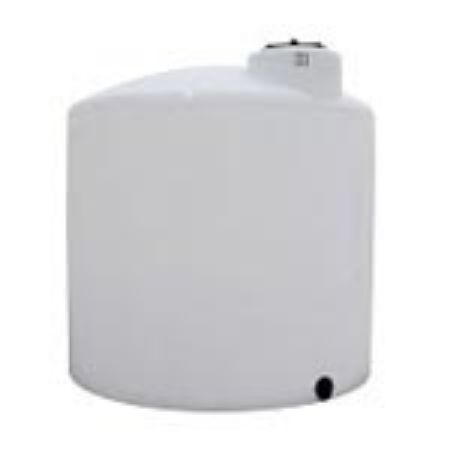
 Vertical Closed Top Storage Tanks
 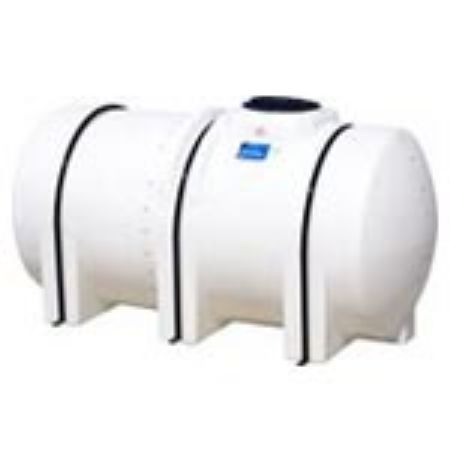 Free Standing Horizontal Tanks
 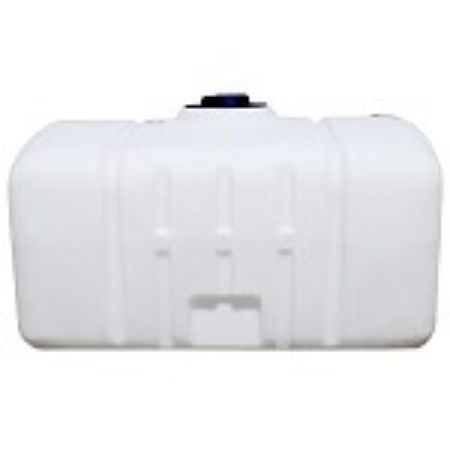 Rectangular Utility Tanks
 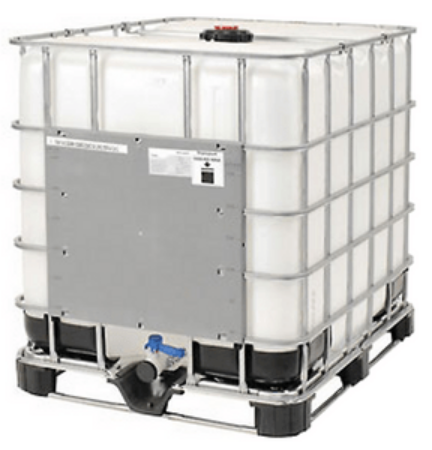 1000 Litre IBC Tanks (Cage Tote)
  Pick up Tanks
 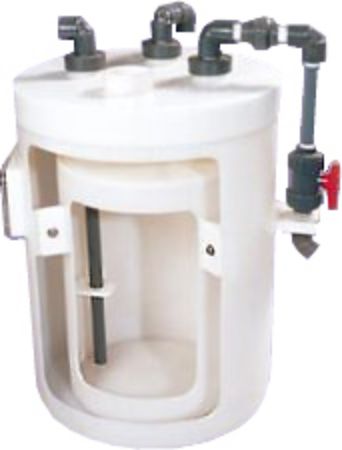 Double Wall Tanks
 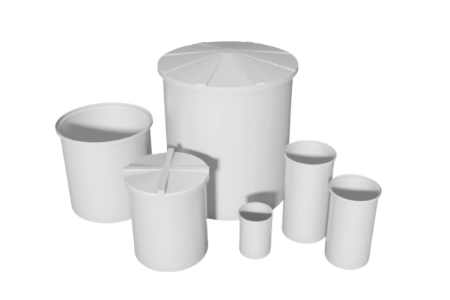 Vertical Open Top Storage Tanks
 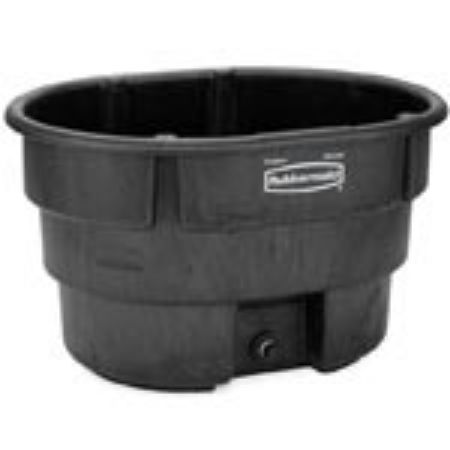 Plastic Water Stock Tank
 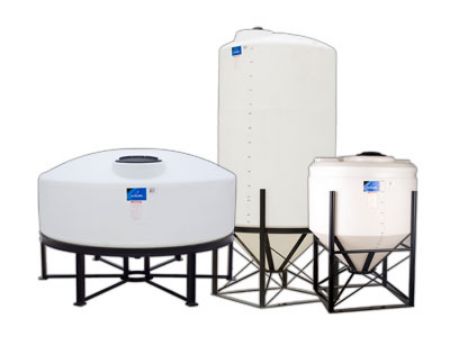 Cone Bottom Tanks - Closed Top Plastic Tanks
 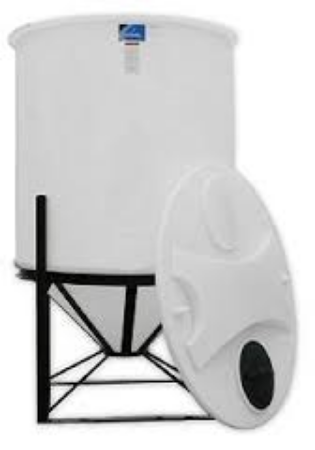 Cone Bottom Tanks - Open Top Plastic Tanks
 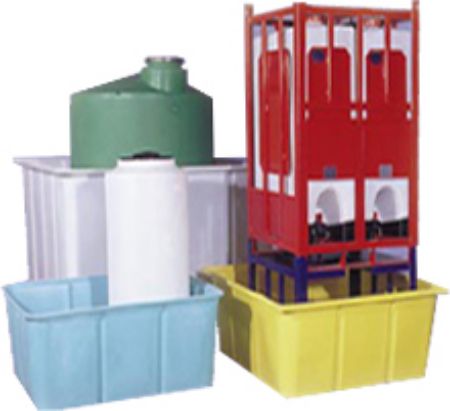 Secondary containment basins
 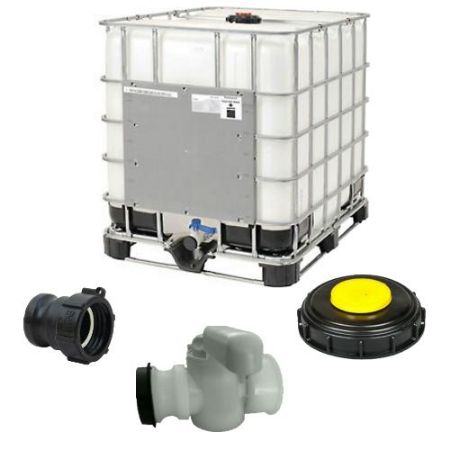 Cage Tank Parts (IBC Tote)
 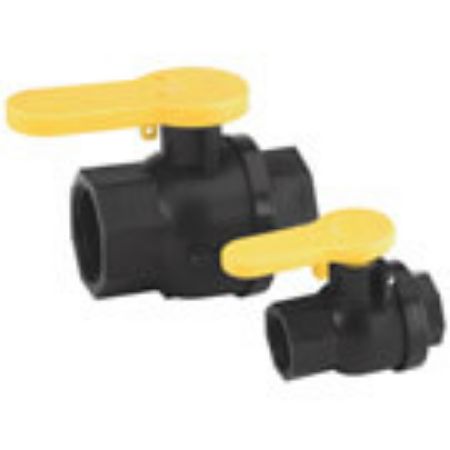 Polypropylene and PVC Ball Valves
 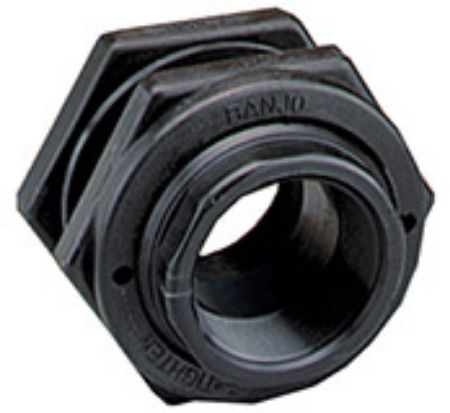 Polypropylene and PVC Tank Fittings
 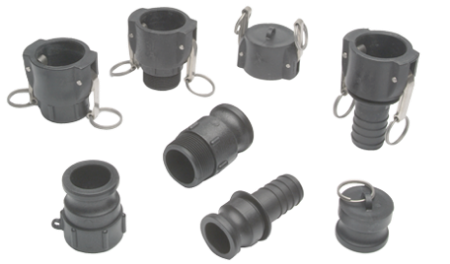 Camlock Fittings
 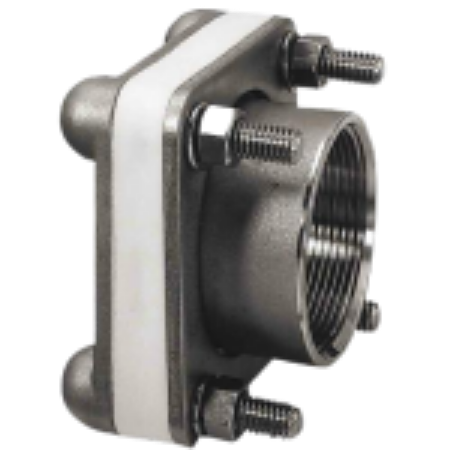 Stainless Steel Bolted Fitting
 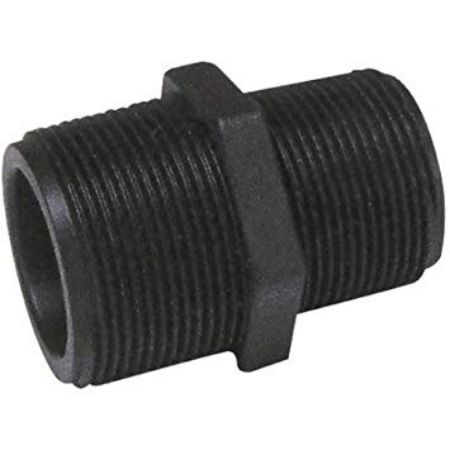 Polypropylene Threaded Reducer Nipples
 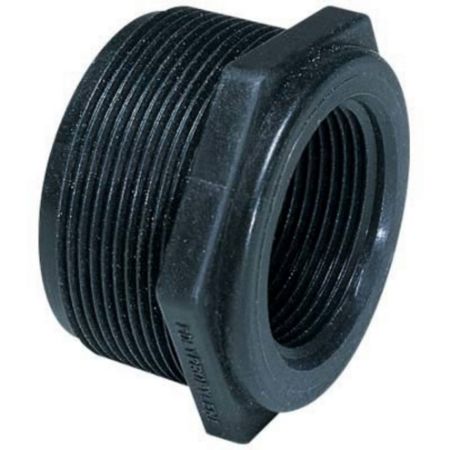 Polypropylene Threaded Reducer Bushings
 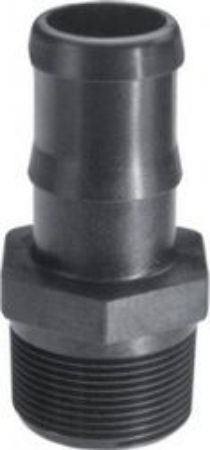 Hose Barb Fitting Adapter
 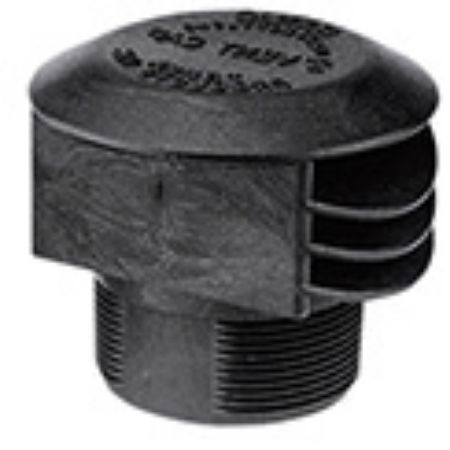 Vent Caps
 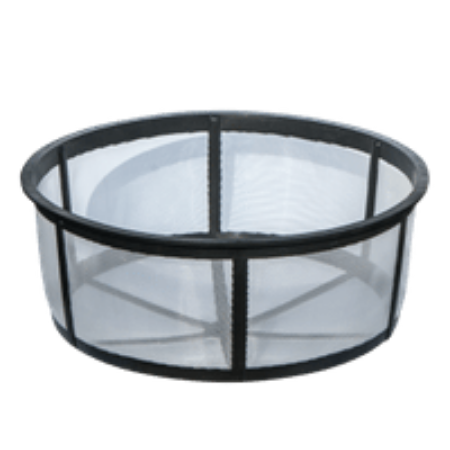 Filter Strainer Baskets
 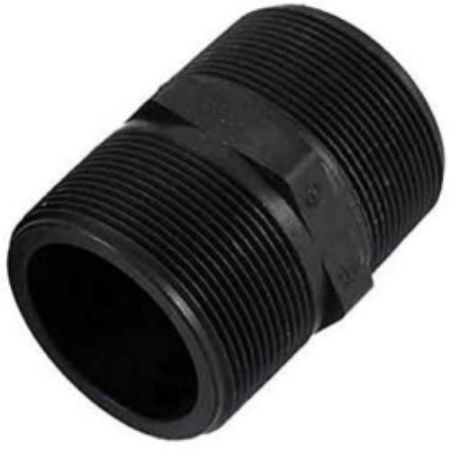 Threaded Pipe Nipples
 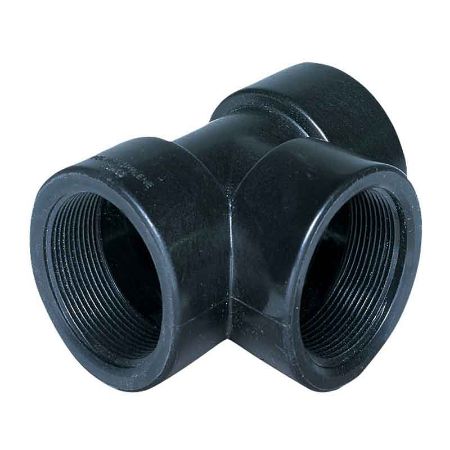 Polypropylene Tee Fitting, NPT Female Thread
 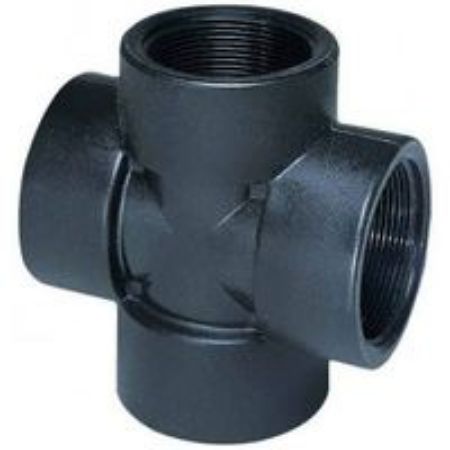 Polypropylene Cross Fitting, NPT Female Thread
 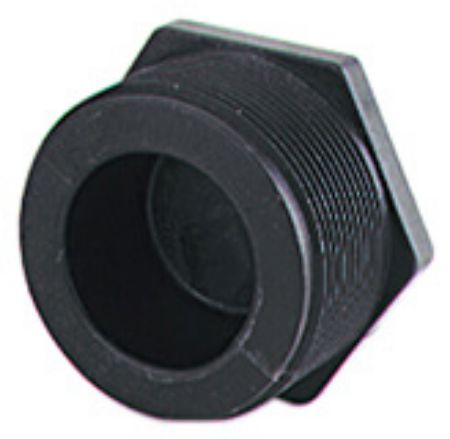 Drain Plugs
 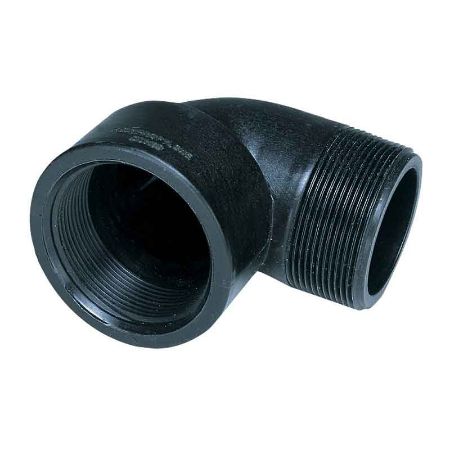 Elbow fittings
 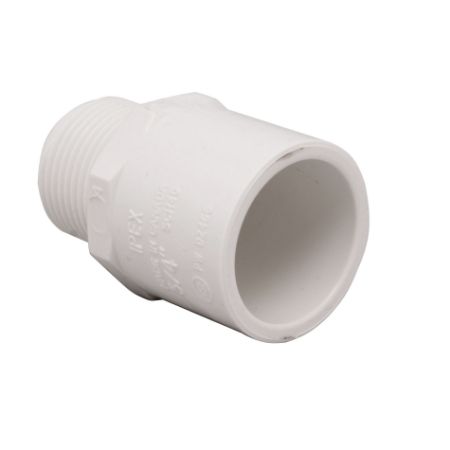 PVC Adapter, NPT Male Thread to Socket End
 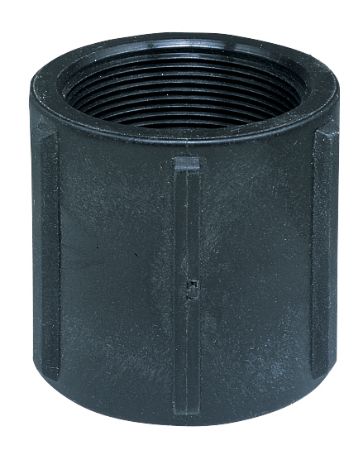 Polypropylene Threaded Pipe Couplings
  Closed Top Tank Lids
 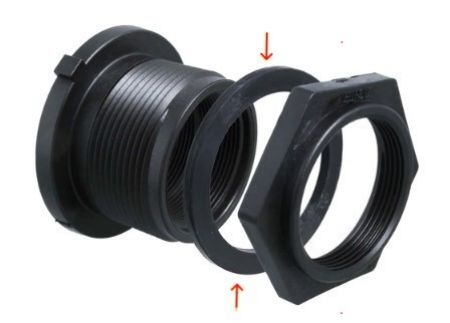 Replacement Gasket for Bulkhead Fitting
  Level Indicator
  Miscellaneous accessories
 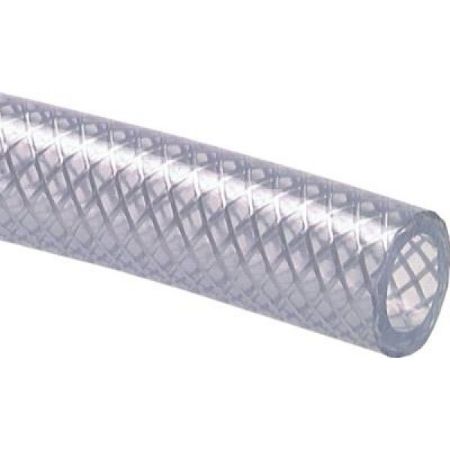 Potable Water Hoses
 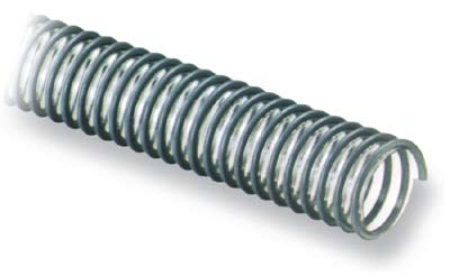 Liquid Suction and Discharge Hoses
 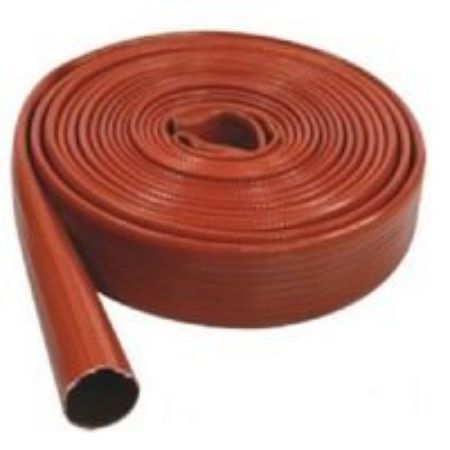 Liquid Discharge Hoses
  Assembled Liquid Discharge Hoses
  Fire Hose
 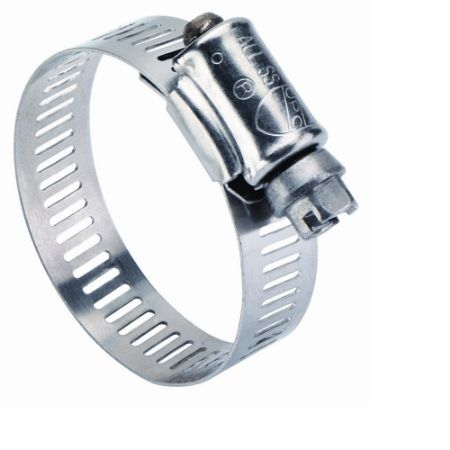 Hose Clamps
 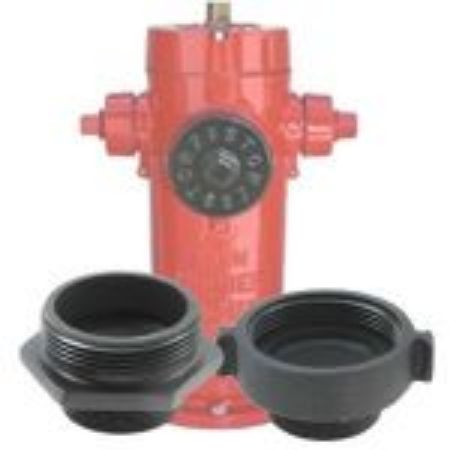 Fire Hydrant Adapters for Quebec
 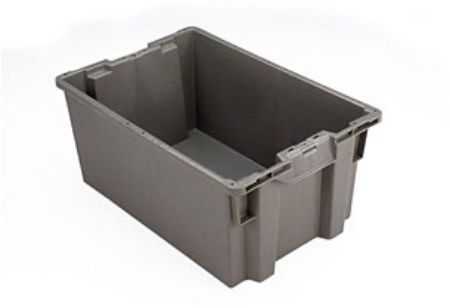 Food Grade Containers, Solid Walls and Bottom
 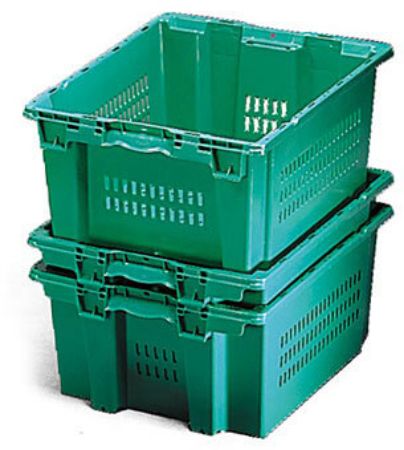 Food Grade Containers. Vented Walls and Bottom
 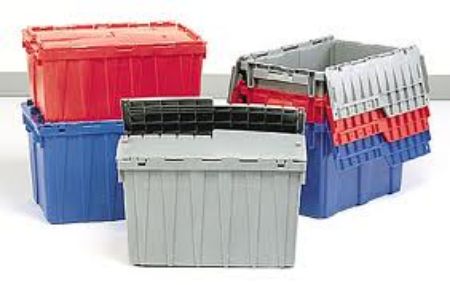 Attached Lids Plastic Containers
 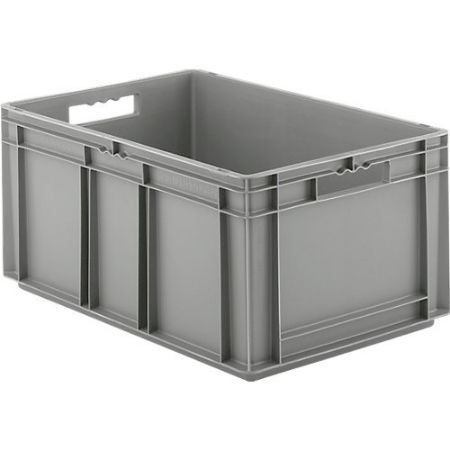 Industrial Plastic Containers, Solid Walls and Botton
 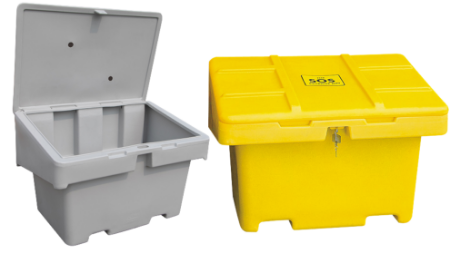 Sand and Salt Plastic Storage Bins
 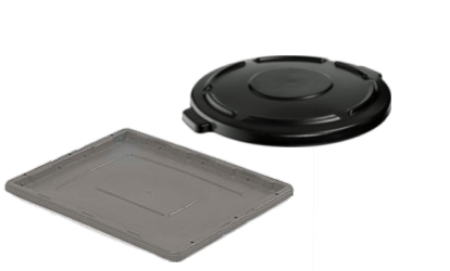 Containers - Lids and Covers
 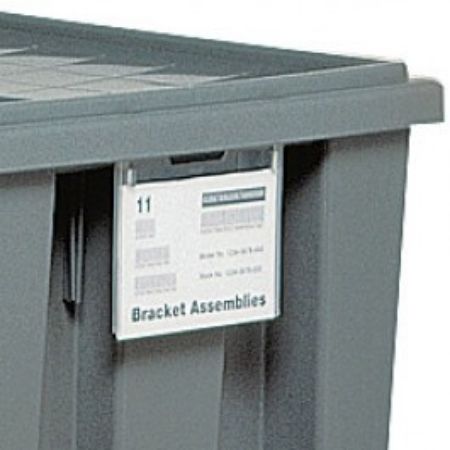 Containers - ID and Hot Stamp
 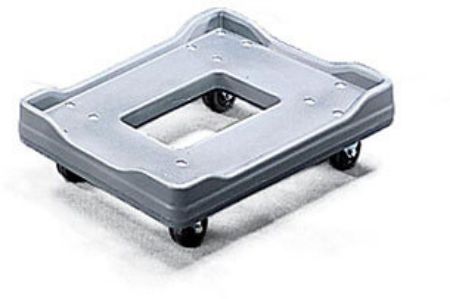 Containers - Dollies
 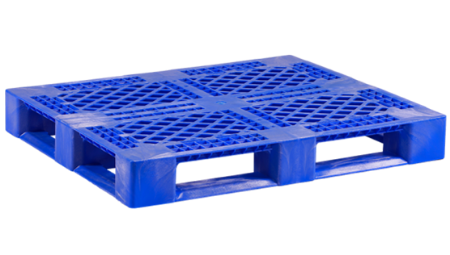 FDA Food Grade Plastic Pallets
 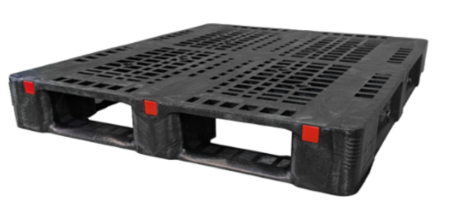 Industrial Plastic Pallets for Warehouse and Racking
 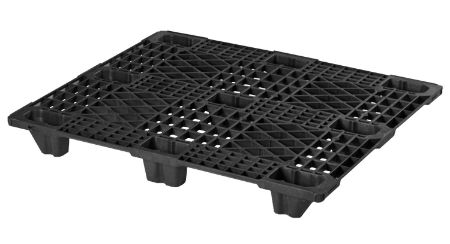 Export Plastic Pallet
 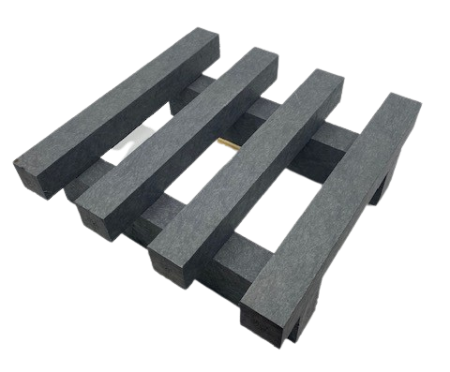 Display Plastic Pallets
 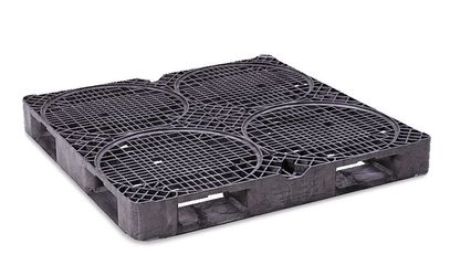 Drum Plastic Pallets
 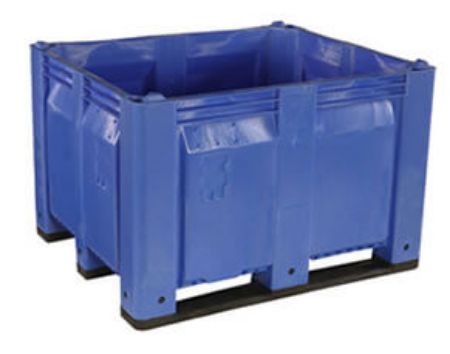 Plastic Pallet Boxes, Solid walls and Bottom
 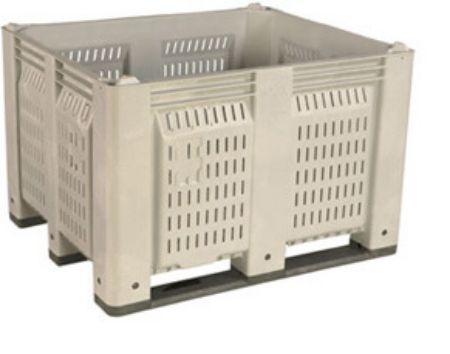 Plastic Pallet Boxes, Vented walls and Bottom
 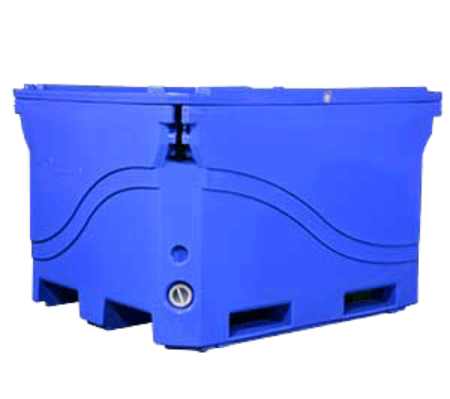 Insulated Plastic Pallet Boxes
 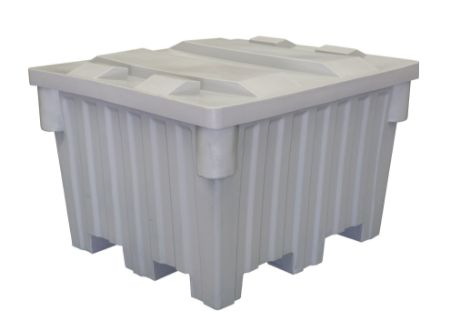 Tapered-wall Pallet Boxes
 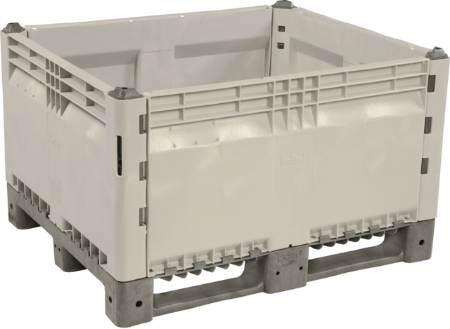 Removable walls Pallet Boxes
 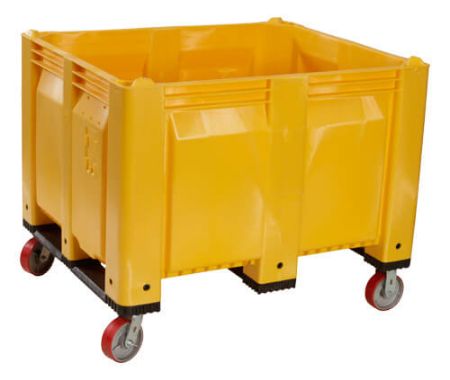 Pallet Boxes on Casters
 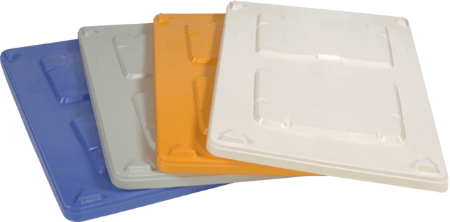 Lids - Pallet Boxes
 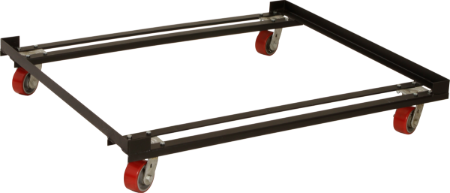 Pallet Boxes Bin Cart
 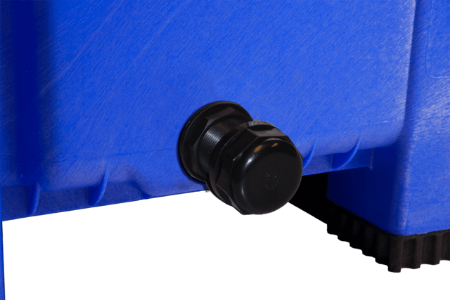 Drain Option for Pallet Boxes
 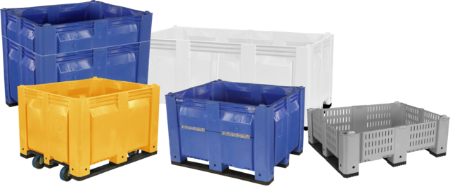 Custom Plastic Pallet Boxes
 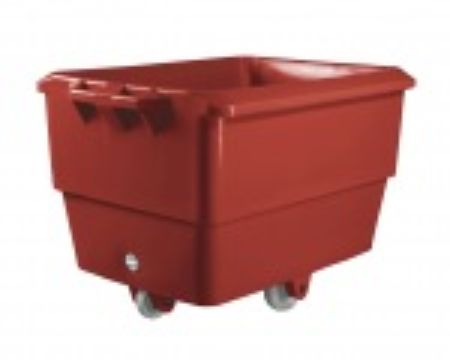 Food Grade Buggies - FDA Carts
 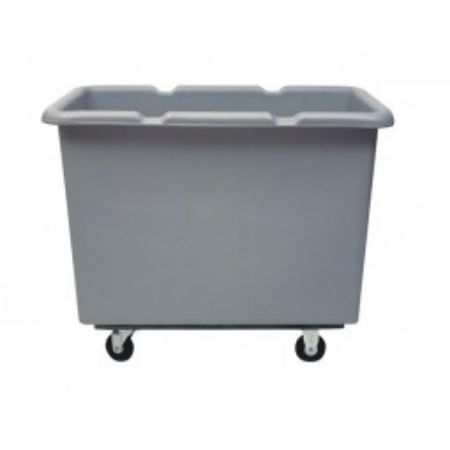 Industrial Poly-Box Trucks
 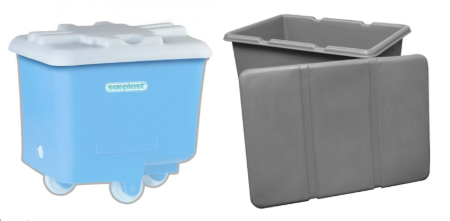 Carts Options and Accessories
Specific gravity, chemical compatibility, NSF, FDA and ASTM standards: the most common mistakes when selecting a tank
It's 2 p.m. on an industrial job site in Lévis. The truck just pulled away after delivering a 2,500-gallon tank. Everything looks perfect: the tank is brand new, the price was right, lead time was solid and installation is going exactly as planned. The project manager is satisfied and nobody has any reason to think a problem is already taking shape. Three weeks later, an operator notices a slight bulge on one side of the tank. Nothing dramatic at first glance. Everyone assumes it will settle and stabilize on its own. A few days later, a hairline crack appears near the base.
That's usually when the phone rings. And that's also when the costs start adding up.
After investigation, the stored product turns out to be a concentrated acid cleaner with a specific gravity of 1.6. The tank that was installed, however, was rated for liquids with a maximum specific gravity of 1.5. On paper, the difference seems minor. In the field, it's sometimes enough to turn a brand-new tank into a maintenance problem within weeks.
What makes this kind of situation so frustrating is that it's almost always preventable. The right information was available. The right tank existed. The right question could have been asked. It's usually not a matter of negligence or bad intentions. Most of the time, nobody thought to check a technical detail listed on the product's safety data sheet or the tank's spec sheet.
And this is far from an isolated case.
Every year, we see tanks selected purely based on capacity, price or lead time. Yet choosing a tank also depends on the nature of the stored liquid, its specific gravity, its concentration, its temperature, the installation environment, applicable regulatory requirements and actual operating conditions.
A tank that looks perfect on a spec sheet can become a source of problems if it isn't matched to its application. Conversely, a well-chosen tank can stay in service for decades without causing a single issue.
The purpose of this guide is to help you understand the criteria that genuinely drive tank selection, so you can avoid costly mistakes, compliance failures and unwelcome surprises after installation. Whether you work in food processing, agriculture, the municipal sector, construction or industrial manufacturing, you'll find the essential information here to choose a tank that fits your real-world needs.
TABLE OF CONTENTS
- Industrial, food-grade or potable water tank: key differences, certifications and standards (NSF/ANSI 61, FDA, ASTM and Building Code)
- Specific gravity and chemical compatibility: two technical factors that can mean the difference between a tank that lasts 20 years… and one that fails prematurely
- 6 questions to ask before buying a plastic tank
- Which tank type is right for your application and industry?
- Fittings, valves, vents and accessories: the details that often get overlooked
- Outdoor tanks in Quebec: sun, frost, snow and other real-world factors to consider
- Why trust Agrico Plastiques for your tank projects
- Checklist: everything to verify before you buy
- FAQ: answers to the most common questions about plastic tanks
Industrial, food-grade or potable water tank: key differences, certifications and standards (NSF/ANSI 61, FDA, ASTM and Building Code)
"I need a 1,000-gallon tank."
That statement alone tells you absolutely nothing about which tank to choose. It's a bit like calling a dealership and saying: "I need a four-wheeled vehicle."
The real question isn't capacity.
The real question is: what are you going to use this tank for?
In the field, we regularly see customers asking for the exact same tank when their needs have absolutely nothing in common.
- One wants to store potable water to supply a building.
- Another wants to store liquid fertilizer.
- Another needs to hold a corrosive chemical.
- Another wants to store a food ingredient for processing.
Yet they all tend to ask for the same thing: "I'm looking for a 1,000-gallon tank." That's where mistakes begin.
Because a tank isn't selected based on volume alone. It's selected based on what it needs to contain, the environment it will be installed in, the standards it must meet and the conditions it will have to handle for years to come.
Two tanks can look identical : same appearance, same color, same dimensions, even from the same manufacturer. Yet one may be compliant for potable water, another for a food-grade application and a third for an industrial chemical.
Before talking about capacity, fittings or even which type of tank to choose, you first need to understand what actually sets an industrial, food-grade and potable water tank apart. This distinction directly affects the materials used, required certifications, compatible accessories, regulatory requirements and the tank's expected service life.
Understanding these distinctions not only helps you choose the right tank, but also prevents you from paying for features you don't need or discovering too late that an important requirement was overlooked.
Let's now look at the key characteristics that distinguish an industrial tank from a food-grade or potable water tank.
The same material for most applications: HDPE
The vast majority of tanks on the market are manufactured from natural white virgin HDPE (high-density polyethylene). This FDA-compliant resin is UV-stabilized and rated for continuous use from -18°F to 120°F (-28°C to 49°C), making it suitable for most industrial, agricultural, food-grade and municipal applications in Quebec.
Industrial tanks: engineered to fit the process
In industrial settings, a tank often plays an integral role in a production, treatment or distribution process.
Unlike many food-grade or potable water tanks, industrial tanks are frequently supplied without pre-installed accessories. Drains, vents, fill fittings, valves and other components are typically selected individually to meet the chemical compatibility requirements of the stored product.
This approach allows each component to be matched to the actual application rather than relying on standard accessories that may not be compatible.
ASTM D1998: the standard for vertical tanks designed to hold chemicals
ASTM (American Society for Testing and Materials) standards govern the technical specifications for polyethylene tanks.
ASTM D1998 defines the requirements for rotationally molded polyethylene vertical tanks larger than 500 US gallons (1,900 liters) intended for atmospheric-pressure chemical storage.
For double-wall tanks, relevant ASTM standards also define criteria for structural integrity, wall thickness and secondary containment.
On many industrial, municipal or environmental projects, compliance with these standards is a specification requirement.
Building Code and seismic compliance
On certain municipal, institutional or industrial projects, requirements may also include structural calculations, seismic anchorage or specific provisions under the Quebec Construction Code.
When tanks are anchored to a floor or integrated into a building structure, seismic requirements depend on factors such as seismic zone, tank capacity and the nature of its contents.
Failure to meet these requirements can result in a permit denial, a failed inspection or a project non-conformance.
Agrico Plastiques tanks can be adapted to meet specific seismic requirements in accordance with the project engineer's drawings.
Industrial tanks commonly feature welded flanges, pumps, mixers, recirculation systems, level probes, instrumentation and specific anchorage requirements.
On most industrial projects, chemical compatibility remains the most critical factor in the selection process. Fitting selection : flanges, gaskets, valves and accessories compatible with the stored product, follows closely behind.
XLPE (Crosslinked Polyethylene)
XLPE tanks are often preferred when operating temperatures exceed the continuous use range recommended for HDPE, since they are rated for continuous use up to 140°F (60°C).
XLPE is also recognized for its superior resistance to stress cracking and better chemical resistance in certain demanding applications.
On the downside, it cannot be welded, which limits repair options. Its cost is higher than HDPE, but it is often the safest choice for products with a high potential for chemical stress cracking.
PP (Polypropylene)
Some applications involve chemical compatibility constraints that make HDPE unsuitable. In those cases, polypropylene (PP) tanks are the right answer.
These tanks are generally custom-fabricated by specialized manufacturers based on project specifications.
For the vast majority of applications, however, HDPE remains the preferred material due to its availability, durability and proven performance in Quebec's climate.
Food-grade tanks: engineered to protect the product
In the food and beverage industry, the goal isn't just to store a liquid. It's also about protecting product quality, simplifying sanitation and minimizing contamination risks.
The vast majority of food-grade tanks are manufactured from resins that meet FDA (Food and Drug Administration) requirements for direct food contact.
FDA: food-contact compliant resin
FDA compliance means the resin used to manufacture the tank is approved for contact with food products. It confirms that the material will not migrate harmful substances into the stored product under normal operating conditions.
This compliance is typically required for storing food ingredients, beverages, syrups, edible oils, food colorings or fermentation products.
Virgin HDPE resin is naturally white but can also be colored using pigments approved for food contact.
It is important to understand, however, that FDA compliance primarily covers the resin used to manufacture the tank. It does not automatically certify the complete tank assembly or the accessories installed on it.
HACCP and food safety inspections: beyond the tank itself
In many food and beverage facilities, HACCP requirements and regulatory food safety inspections also influence tank selection.
Inspectors and auditors typically look at:
- Ease of cleaning and sanitation
- Smooth, non-porous interior surfaces
- The ability to fully drain the tank
- Accessibility for inspection and maintenance
- Compatibility with the cleaning and sanitizing agents used
- Operational traceability where required
A well-chosen tank simplifies inspections, reduces contamination risks and streamlines internal procedures.
Potable water tanks: engineered to protect water quality
When a tank is intended to hold water for human consumption, the requirements become more stringent.
NSF/ANSI 61: the potable water standard
This is probably one of the most common misconceptions in the tank industry: an FDA-compliant tank is not automatically approved for potable water.
NSF/ANSI 61 is the North American standard for equipment in contact with drinking water. It confirms that the tank has been tested according to recognized protocols to verify that it will not contaminate water during normal use.
This certification is frequently required for:
- Municipalities and potable water distribution systems
- Water treatment and filtration plants
- Water storage and distribution systems
- Institutional, commercial and residential buildings
- Food and beverage applications using water intended for human consumption
Certification must always be verified on the spec sheet for the specific model selected.
On many municipal or institutional projects, additional requirements may also apply regarding seismic anchorage, structural design, the Quebec Construction Code and compliance documentation required by the project's engineers.
Reach out to our team. We can quickly confirm the applicable requirements for your project.
- 450-471-2772
- Fill out the form
Get a recommendation tailored to your application.
Specific gravity and chemical compatibility: the two most critical factors in tank selection
Of all the information we ask our customers to provide, specific gravity is probably the most important and yet one of the least well understood.
What exactly is specific gravity?
Specific gravity compares the weight of a liquid to that of water. By definition, water has a specific gravity of 1.0. A liquid with a specific gravity of 1.5 is 50% heavier than water at the same volume. At 1.8, it's 80% heavier. And the heavier the liquid, the greater the pressure it exerts on the tank walls.
Why does this matter so much?
Because a tank isn't just designed to hold a volume. It's engineered to withstand a specific load for years on end.
When a liquid exerts a load greater than what the tank was designed for, the walls are subjected to excess pressure. At first, nothing looks wrong. But over time, deformation can appear, followed by premature material fatigue and, eventually, structural failure. That's why specific gravity should never be estimated or guessed.
Common specific gravity ratings available on the market
Polyethylene tanks generally fall into five main categories:
- Specific gravity 1.0: designed exclusively for water. These tanks are typically green or black and should not be used for liquids heavier than water.
- Specific gravity 1.5: the most widely available standard on the market. These tanks are generally natural white and suitable for the majority of agricultural, food-grade and industrial applications.
- Specific gravity 1.7: less common, this rating addresses applications where 1.5 is borderline but a full 1.9 tank isn't required. They are typically natural white.
- Specific gravity 1.9: commonly used for heavier liquids and more demanding chemical applications. Depending on the manufacturer, these tanks are generally available in natural white or light blue.
A specific gravity 1.9 tank is typically recommended when welded flanges, mixer supports or other equipment will be mounted directly on the tank. Its thicker, more rigid wall provides better mechanical support and a more stable surface for welding. The result is strong, durable and fully suited to industrial applications requiring the addition of specialized accessories or equipment.
- Specific gravity 2.2: available from only a few manufacturers and generally made to order for specialized applications involving very heavy liquids. These are typically natural white.
Don't make the mistake of relying on specific gravity alone
Specific gravity is a critical factor in tank selection, but it doesn't tell the whole story.
Sodium hypochlorite (industrial bleach) is a perfect example. Its specific gravity typically falls between 1.07 and 1.20. At first glance, a standard 1.5 SG tank looks more than adequate. Yet many manufacturers actually recommend a 1.9 SG tank or higher.
Why?
Because sodium hypochlorite is a powerful oxidizing agent. Even though it's not particularly heavy, its chemical aggressiveness creates additional long-term stress on the tank material.
That's why two checks must always be performed before selecting a tank:
- The product's specific gravity, to confirm the tank is rated for the actual load the liquid will exert.
- Chemical compatibility between the product, the tank and all contact accessories : including gaskets, drains, valves and fittings.
A product may fall well within the tank's specific gravity rating while still being chemically incompatible with HDPE or certain accessories. Conversely, a chemically compatible product may require a higher SG rating due to its weight.
If you're unsure, simply send the product's safety data sheet to your Agrico Plastiques representative. We can quickly confirm the required specific gravity and verify chemical compatibility across all components.
These checks typically take just a few minutes. Skipping them can cost thousands of dollars in equipment replacement, product loss or unplanned downtime.
6 questions to ask before buying a plastic tank
Choosing a tank isn't just a matter of picking a capacity and placing an order. In the field, most problems occur because an important question wasn't asked upfront.
The right tank is the one that matches your product, your environment, your installation constraints, your regulatory obligations and your operational reality.
Here are the key questions we recommend our customers work through before making an investment.
1. What exactly are you storing?
This is probably the most important question of all, since it determines whether a plastic (HDPE) tank is appropriate for your application and directly drives the selection of the tank, its accessories and its configuration.
To properly evaluate your project, you need to know:
- The exact product name
- Its concentration
- Its specific gravity
- Its operating temperature
This information allows you to validate chemical compatibility between the product, the tank and its accessories, as well as confirm the required specific gravity rating.
You also need to think about how the product will be used. Some processes require agitation, heating, recirculation, measurement instrumentation or the future addition of equipment directly on the tank. These needs must be planned from the start.
It's not uncommon for a customer to select a tank and then realize they also need to:
- Install a mixer
- Add a level probe
- Install a pump or recirculation system
- Add measurement instruments
- Mount or suspend equipment on the tank
Some of these installations require reinforcements or specific configurations that must be built in at the design stage.
What risk are you trying to avoid?
- Chemical incompatibility between the tank and its accessories
- Premature deformation of the tank
- Leaks caused by an incompatible fitting, gasket or valve
- Significantly reduced service life
- Regulatory non-compliance
- Costly modifications after installation
What do you need to verify?
- The exact product name, concentration and specific gravity to confirm that both chemical compatibility and tank SG rating are appropriate for the liquid being stored
- The maximum temperature the product will reach between delivery and end use, to verify that the selected materials can handle real operating conditions
- Whether the tank will always hold the same product or will need to be emptied and cleaned between different products or batches, in which case an open-top or cone-bottom tank may be preferable
- Whether the product tends to settle, separate, crystallize or leave deposits, a cone bottom can then simplify full drainage and reduce residue buildup
- Whether the product needs to be agitated, mixed or heated during use, so that the necessary access points and equipment can be planned accordingly
Answering these questions upfront makes it much easier to identify the right tank type and avoid costly changes once the project is underway.
2. What is the tank actually going to be used for?
Not all tanks are built for the same job. Some are designed for long-term storage, while others are intended for transport, mixing, settling, fermentation or complete product drain-down.
In the field, we regularly see customers ask for a storage tank when their application actually calls for a mix tank, a cone-bottom vessel or a transport tank. The result: less efficient operations, more complicated cleanouts and sometimes premature equipment replacement.
What risk are you trying to avoid?
- Buying a tank that doesn't match its actual use
- Unnecessarily complicating day-to-day operations
- Running into cleaning or drainage difficulties
- Reducing process efficiency
- Having to modify or replace equipment after installation
What do you need to verify?
- Is this a stationary or transport application?
- Does the liquid need to be agitated, mixed, heated or recirculated?
- Is complete drainage required?
- Does the product need to settle or separate naturally?
- Will the tank need to be moved regularly?
- Is the installation permanent or temporary?
- Will equipment or accessories need to be added later?
Answering these questions often quickly points you toward the right tank type: vertical, horizontal, cone-bottom, open-top, transport or a custom configuration.
3. How much tank capacity will you actually need?
One of the most common mistakes is choosing a tank based solely on current consumption. But it's rarely normal operating days that create problems: it's peak demand periods, supplier delays, unexpected disruptions or operational growth.
A properly sized tank should meet your current needs while accounting for what's ahead.
What risk are you trying to avoid?
- Running out of supply at a critical moment
- Multiplying deliveries unnecessarily
- Increasing operating costs
- Limiting future operational growth
- Having to replace a tank that's become too small within a few years
What do you need to verify?
- Your average and peak-period consumption
- Delivery frequency and potential lead times from your supplier
- Anticipated growth in your operations over the next few years
- The minimum safety stock you want to maintain
- Space constraints that could limit tank capacity
On most projects, building in a safety margin of roughly 15 to 20% above normal requirements results in a more flexible and more durable installation.
If available space limits the capacity you're targeting, it's often possible to connect multiple tanks together to achieve the total volume needed while working within the building or site constraints.
4. What tank dimensions can you actually install?
A tank may be perfectly sized for your storage needs on paper but impossible to deliver, maneuver or install once it reaches the site.
In the field, we regularly see projects where the capacity is right but the tank simply won't fit through the available access points, can't be moved to its final location or doesn't leave enough room for daily maintenance and operations.
Why does this question matter?
Because capacity is only part of the equation. The tank also needs to be transportable to its location, properly installed and remain accessible throughout its service life.
What risk are you trying to avoid?
- Buying a tank that won't fit through the available access points
- Blocking future maintenance or service access
- Restricting access to fittings, valves or equipment
- Exceeding the load capacity of the floor, slab or foundation
- Discovering too late that installation is impossible without costly modifications
What do you need to verify?
- Maximum diameter and height you can accommodate
- Width of doors, openings and access passages
- Corridors, stairwells or material handling paths to navigate
- Available clearance height under the ceiling
- Clearance needed to open the lid or install equipment
- Space required for fittings, plumbing and accessories
- Space needed for inspection, maintenance and future repairs
- Load-bearing capacity of the floor, ground or concrete slab
Fortunately, limited space doesn't necessarily mean reducing your target capacity. In many situations, two or more smaller tanks can be manifolded together to achieve the total volume required while respecting access and installation constraints.
Before giving up on a capacity or a project, take the time to talk with a specialist. There are often multiple configurations that can get you to the result you need.
5. What environment will the tank be operating in?
The environment where a tank is installed directly affects its service life, its safety and sometimes even the model to select.
A tank installed outdoors in Quebec needs to withstand sun, frost, snow, wind and wide temperature swings. Indoors, it's ventilation, available space and risks from surrounding equipment that need to be considered.
Why does this question matter?
Because a tank that's perfectly suited to one environment can be a poor choice in another. Installation conditions directly affect the safety, performance and durability of the equipment.
What risk are you trying to avoid?
- Premature deterioration of the tank.
- Damage caused by frost, impact or weather conditions.
- A non-compliant installation that's difficult to maintain.
- Damage caused by a leak or spill.
- Additional costs resulting from poor site preparation.
What do you need to verify?
- Whether the tank will be installed indoors or outdoors.
- Whether the stored liquid poses a particular risk in the event of a spill and whether secondary containment is required.
- Whether the space is adequately ventilated when the product emits vapors, odors or gases.
- Whether the tank may be exposed to forklifts, vehicles or other equipment that could cause an impact, in which case barriers, bollards or protection for exposed valves, fittings and piping may be necessary.
- Whether the tank is rated for outdoor use and manufactured with UV-stabilized resin.
- Whether the liquid is at risk of freezing. Depending on the application, insulation, heating systems, heat tracing, a shelter or a winter drainage procedure may be required.
- Whether the site is exposed to wind, snow or other specific weather conditions. Some projects may require anchorage or restraint systems that comply with applicable regulatory requirements, including seismic zone requirements.
- Whether the installation base is level, solid, stable and capable of supporting the full weight of the tank when filled.
- Whether adequate clearance is provided around the tank for visual inspection, connections, maintenance and future service.
On many projects, the tank itself is perfectly adequate. It's the foundation, the surrounding environment, the lack of impact protection or insufficient anchorage that become the source of problems a few years down the road. Proper site preparation upfront can prevent costs, operational downtime and modifications that could have been anticipated from the start.
6. Are there standards or regulations to comply with?
One of the most costly mistakes is discovering after purchase that a standard, certification or regulatory requirement applies to your project.
In the field, we regularly see projects where the selected tank fully meets the operational need but doesn't satisfy the requirements of the owner, municipality, inspector, insurer or relevant industry body.
Why does this question matter?
Because certain applications are governed by standards, certifications or regulatory requirements that must be addressed before the tank is even purchased.
What risk are you trying to avoid?
- A failed inspection or approval.
- A denied permit or authorization.
- Regulatory non-compliance.
- Being required to modify the installation after the fact.
- Having to replace the entire tank despite it being brand new.
What do you need to verify?
- Whether NSF/ANSI 61 certification is required for potable water.
- Whether HACCP, FDA or other food safety standards apply to your process.
- Whether double-wall construction or secondary containment is required.
- Whether your municipality, client, insurer or regulatory body has specific requirements.
- Whether seismic requirements or certified anchorage are required for the project.
- Whether compliance documents, certifications or technical data sheets will need to be provided at inspection or commissioning.
A simple validation at the start of a project can often prevent thousands of dollars in modifications, delays or replacements once installation has begun. When in doubt, it's always better to confirm applicable requirements before ordering the tank rather than after it's in place.
You've worked through all 6 questions but want to validate your selection before placing an order?
- 450-471-2772
- Fill out the form
A few minutes is all it takes to avoid a compliance, compatibility or sizing mistake.
Which tank type is right for your application and industry?
Once you've defined the product, volume, dimensions and installation environment, one important question remains: which tank configuration actually fits your project?
When multiple models are available, it's natural to hesitate:
- When should you choose one model over another?
- What are its real advantages?
- In which situations might you regret your choice a few months or years down the road?
Even if several tanks can perform the same basic function, they're not all designed to handle the same constraints. A tank that's perfectly suited for storage can be a poor choice for transport, mixing, settling or frequent cleanouts.
Here are the main plastic tank families and the applications they're generally designed for.
Closed-top vertical tank
If your goal is simply to store a liquid safely and efficiently, this is generally the first model to consider.
It's the most widely used tank type in agriculture, food processing, municipalities, institutions, industry and for residential applications involving water, fertilizers, chemicals, food ingredients or potable water storage.
Its cylindrical shape delivers excellent structural performance while maximizing storage volume on a minimal footprint. Its versatility, ease of installation and the wide range of available capacities make it the go-to model for fixed storage applications.
However, when the process requires frequent cleanouts, regular internal access or complete drainage between batches, other configurations may be more appropriate.
Open-top vertical tank
The open-top tank is designed for applications that require direct access to the contents. The open top simplifies mixing, agitation, inspection, cleaning and manual addition of ingredients.
It is commonly found in food and beverage processing, agriculture, certain industrial applications and in workshops and retail settings where contents need to be handled regularly.
It's particularly well-suited when multiple ingredients need to be added frequently or when the tank must be completely emptied and cleaned between different uses.
On large-diameter models, removing the lid entirely can become cumbersome. In those cases, a hinged or integrated cover can significantly simplify operations.
When protection against contamination, weather or evaporation is a priority, a closed-top tank generally remains the better choice.
Horizontal cylindrical or elliptical tank
Horizontal tanks are primarily used for liquid transport or when available height is limited.
They are commonly found in agriculture, municipalities, construction sites, service companies and certain mobile industrial applications.
Their design lowers the center of gravity and improves stability during transport.
Elliptical models require steel cradles to maintain their structural integrity. On many cylindrical models, cradles also become mandatory above a certain capacity; often around 725 US gallons, to meet manufacturer requirements and ensure safe transport.
This requirement generally increases overall project cost.
For permanent liquid storage, a vertical tank typically offers a better capacity-to-footprint ratio and is often the more economical option. Even when installed permanently, horizontal tanks that require cradles must retain those supports to preserve their structural integrity.
Rectangular tank
Rectangular tanks are primarily used where space is tight or the tank is intended for transport. Their shape maximizes the use of available space in vehicles, trailers, ATVs, pickup trucks and other confined areas.
Very popular in agriculture, forestry, municipalities, contractors and among homeowners, they work well wherever every inch of space counts.
Some models include steel banding to better handle transport stresses. For volumes under approximately 300 US gallons, they often serve as an excellent alternative to cylindrical tanks. Their flat bottom also simplifies cleaning.
Note that some low-profile models with a flip-lid design are less tolerant of splashing and repeated movement during transport and are generally better suited to stationary applications.
Pickup truck tank
This tank type is specifically designed to be installed in the bed of a pickup truck. Its shape makes the most of the available space while resting on the bed rails for stability during transport.
It's commonly used by farmers, maple producers, contractors, landscapers, pest control operators, forestry companies and cabin or remote property owners.
It's widely used to transport water, maple sap, fertilizers, pesticides or other liquids for agricultural, forestry or maintenance operations.
Before making your choice, consider the tank's future use. Unlike many other models, a pickup truck tank is designed to be used in a truck bed and becomes generally impractical once removed from the vehicle.
Cone-bottom tank
If your product is viscous, settles, crystallizes, leaves deposits or if you need to recover virtually all of the liquid, a cone-bottom tank is often the best choice.
Its conical bottom naturally directs liquids and residues toward the bottom drain, enabling complete drainage, reducing product loss and simplifying cleaning.
It is commonly used in food processing, the chemical industry, water treatment, certain municipal applications and processes requiring frequent cleanouts or maximum product recovery.
It is also an excellent option when the tank must be completely emptied between production batches.
That said, many customers choose a cone bottom when it isn't truly necessary. When complete drainage isn't a process requirement, a standard vertical tank often meets the need perfectly well at a much lower cost, since it doesn't require a specialized support stand.
Double-wall tank
Double-wall tanks are designed for applications where environmental protection and secondary containment are the top priorities. A second outer shell surrounds the primary tank to contain the product in the event of an inner wall leak or failure.
They are primarily used in the chemical industry, municipalities, institutions, treatment plants and facilities handling products with a higher environmental risk profile.
Their main advantage is built-in secondary containment. Unlike a single-wall tank requiring a separate containment berm, the double-wall design provides a compact solution that's especially valuable where space is limited.
This design does come with certain constraints. Connections are typically installed at the top to preserve the integrity of the double wall. A pump is therefore usually required to extract the liquid. In addition, the liquid level is generally not visible and typically requires a gauge or purpose-built measuring system.
Double-wall construction is generally mandatory or strongly recommended when:
- The product poses a significant environmental risk
- The site is located near a waterway, well or water intake zone
- No compliant containment berm is planned
- Regulatory, institutional, industrial or insurance requirements mandate it
- A spill could contaminate soil, groundwater or surrounding infrastructure
- The potential cost of a release far exceeds the additional investment required
One important note: double-wall construction does not protect the tank against an incompatible product. It acts solely as a secondary containment system. Chemical compatibility, specific gravity, operating temperature and the materials used for fittings, gaskets and accessories must always be validated during tank selection.
IBC tanks (Intermediate Bulk Containers / Totes)
IBC tanks, also known as totes or 275/330-gallon containers, are designed for applications that require frequent handling, regular transport or rapid product turnover. Mounted on a pallet and protected by a metal cage, they move easily by forklift or pallet jack.
They are found across virtually every industry: agriculture, food processing, industrial manufacturing, municipalities, construction, facility maintenance and chemical distribution. They are also popular among homeowners for cabins, hunting camps, water reserves, rainwater harvesting and residential projects.
At Agrico Plastiques, we carry models with new or used cages. In both cases, the inner container is new.
Used IBCs are frequently available at low cost on Marketplace, Kijiji and other resale platforms. Caution is warranted, however. It is often impossible to know with certainty what was previously stored in them, and thoroughly cleaning an IBC is far more difficult than it might seem, particularly when it has held chemicals, oils or other residue-leaving substances.
For this reason, we generally advise against used IBCs for potable water, maple syrup production, food and beverage processing or any application where product quality matters.
While they are often economical to purchase, IBCs are generally not the best choice for large-volume permanent storage. In many projects, their capacity becomes insufficient fairly quickly and a larger tank eventually becomes necessary.
The valve is another consideration. Factory-installed valves on IBCs are typically lighter-duty than those used on permanent industrial tanks and may eventually need to be replaced.
Before ordering a replacement valve, it's important to identify the tank brand and model, as thread sizes and connection types vary by manufacturer.
At Agrico Plastiques, we primarily carry Mauser IBCs, which are equipped with a male Camlock fitting. We also stock the adapters needed to connect most valve configurations found on the market.
Open basins for water storage
Oval open basins are primarily used in agriculture, for livestock watering, landscaping, water features and certain water storage applications.
Their simplicity, durability and low cost explain their popularity. Unlike traditional rotationally molded tanks, they are injection-molded from structural foam HDPE, which allows them to remain filled with water outdoors through the winter without sustaining freeze damage.
They are generally not suited to applications requiring complete liquid containment or protection against contamination.
Custom tanks
When no standard model meets the project's constraints, a custom solution may be worth considering.
In most cases, Agrico Plastiques customizes existing tanks by adding welded flanges, specialty fittings, supports, reinforcements or other accessories to adapt the tank to the application.
When full custom fabrication is required, it is typically carried out by manufacturers specializing in welded polypropylene or polyethylene. Agrico Plastiques does not fabricate custom tanks.
Before ruling out a standard solution or committing to full custom fabrication, consulting a specialist is often worthwhile. A simple modification to an existing model frequently achieves the desired result at a significantly lower cost.
Comparison table: vertical, horizontal, cone-bottom, which format for which use?
| Format | Primary application | Advantages | Limitations |
|---|---|---|---|
| Closed-top vertical | Potable water, chemicals, agriculture, food processing, industrial | Small footprint, wide capacity range, cost-effective, easy to install | Requires overhead clearance, access primarily through the top |
| Open-top vertical | Mixing, agitation, frequent cleaning, solution preparation | Full access to contents, easy to clean, simplified ingredient addition | Limited content protection, large lid can be heavy to handle |
| Horizontal cylindrical | Transport, low-clearance installations, mobile setups | Low center of gravity, good stability, easier to transport | Higher cost due to steel cradles often required, more difficult to inspect |
| Horizontal elliptical | Road transport, mobile equipment, trucks | Very low profile, excellent transport stability | Cradles mandatory, higher cost, poorly suited for permanent storage |
| Rectangular | Vehicles, trailers, tight spaces, transport | Maximizes available space, compact form factor | Lower structural performance than cylindrical tanks |
| Pickup truck tank | Agriculture, forestry, municipalities, contractors, cabins | Designed specifically for truck beds, safe transport | Limited use once removed from the vehicle |
| Cone-bottom | Food processing, fermentation, settling, water treatment, industrial processes | Complete drainage, maximum product recovery, simplified cleaning | Requires a support stand, higher cost |
| Double-wall | Chemicals, regulated applications, environmental protection | Integrated secondary containment, space-saving, enhanced safety | Higher cost, pump often required, liquid level difficult to see |
| IBC / Tote / Cage tank | High turnover, material handling, transport, distribution | Highly mobile, standardized format, easy to move | Limited volume, less suited for permanent storage, lighter-duty valves |
| Open basin | Agriculture, livestock watering, landscaping, temporary water storage | Low cost, simplicity, highly durable | Liquid exposed to contamination and weather |
| Custom / Fabricated | Specific space or process constraints | Precisely matched to the project, custom fittings and accessories | Longer lead time, higher cost |
This table is intended as a quick reference, not a buying guide. Every application deserves a review of real-world constraints before committing to a format.
Still deciding between tank models?
- 450-471-2772
- Fill out the form
We'll help you identify the tank type best suited to your product, your environment and your application.
Fittings, valves, vents and accessories: the details that often get overlooked
In the field, many problems don't originate from the tank itself, but from an accessory that wasn't planned for at the time of purchase.
The tank arrives, gets installed in position… and then someone realizes a valve is missing, or a fitting, a vent, a level gauge or an opening to connect a piece of equipment. The result: additional modifications, delays and costs that could often have been avoided.
Before ordering a tank, take a few minutes to answer the following questions.
How will you fill the tank?
Many customers plan to simply open the lid to fill the tank. In some cases, that's perfectly acceptable.
However, when filling is done regularly by tanker truck, pump or piping network, it's usually better to plan for a properly positioned fill fitting from the start.
A single well-placed fitting can make filling operations significantly faster, safer and more efficient.
How will you empty the tank?
This is probably the most frequently overlooked accessory.
Many tanks are delivered with a drain included, but it isn't always the right size, in the right location or matched to the required flow rate.
Before choosing your tank, verify:
- The required outlet diameter
- The required flow rate
- The preferred connection type
- The ideal drain location
- Whether a valve needs to be added
One important detail: a female threaded fitting is not a valve. If no valve is installed, liquid will flow the moment the plug is removed.
Is the vent adequate for your application?
The vent allows air to enter or exit the tank during fill and drain operations.
Some tanks have a vent built into the lid. Others have none at all. Certain projects even require a lid without a vent.
When filling or draining is performed using a high-flow pump, an additional vent may be necessary to prevent pressure buildup or a vacuum effect that could damage the tank.
It's a simple detail, but one that's frequently overlooked during project design.
Do you need to monitor the liquid level at a glance?
Most HDPE tanks are translucent, allowing you to see the approximate liquid level through the wall. Many models also feature a molded graduation directly on the tank, while others require an adhesive graduated strip.
Depending on the application, it's also possible to add a level gauge, an electronic probe, a telemetry system or other monitoring equipment.
What matters most is thinking about this upfront so that the necessary fittings or openings for installing that equipment can be planned accordingly.
Will you need to add equipment now or in the future?
This is often where many projects become more complicated than expected.
Pumps, mixers, level probes, telemetry systems, recirculation lines, measurement instruments and other equipment should all be considered at the time of tank selection.
Depending on the project, you may need to plan for:
- Additional fittings or vents
- Welded flanges
- A lid without a vent
Some modifications are straightforward when planned before the tank is manufactured or prepared. They often become significantly more complex and costly once the tank is already installed.
A well-chosen tank shouldn't just be compatible with your product. It should also arrive ready to be connected, put to use and grow with your process for many years to come.
Outdoor tanks: the challenges of Quebec's climate
When a tank is installed outdoors, it needs to withstand years of sun, rain, snow, frost and the significant temperature swings that are part of everyday life in Quebec.
That's why the vast majority of tanks manufactured in North America for outdoor use are produced from UV-stabilized resins to slow premature weathering of the plastic.
Contrary to what many people believe, cold temperatures themselves are generally not the tank's main enemy. The HDPE used to manufacture most tanks handles normal Quebec winter temperatures very well. The real risk comes from the stored liquid. When a liquid freezes, it typically expands and can exert significant pressure on the tank walls, fittings and valves.
Before installing a tank outdoors, it's important to verify:
- That the tank is rated for outdoor use and has adequate UV protection
- That the stored liquid can withstand the expected minimum temperatures
- Whether insulation, a heating system, heat tracing, a shelter or a winter drainage procedure is required
- Whether continuous liquid circulation needs to be maintained to prevent freezing
In the field, damage caused by a freezing liquid expanding inside the tank is far more common than damage caused by cold temperatures alone.
Can a plastic tank be buried to prevent freezing?
In most cases, no.
The tanks covered in this guide are designed for above-ground installation. They cannot be buried directly in the ground, as soil pressure risks deforming or damaging the tank walls.
In some projects, it is possible to install a tank inside a concrete structure designed to retain soil loads. This approach must be evaluated on a case-by-case basis.
There are tanks specifically engineered for underground installation. However, Agrico Plastiques does not carry them, as the models offered by our manufacturers are not rated for the soil conditions typically encountered in Quebec.
Why trust Agrico Plastiques for your tank projects
Over 45 years of experience since 1980, thousands of projects completed across Quebec and one of the largest selections of plastic tanks available on the Quebec market.
Agrico Plastiques supports businesses, municipalities, agricultural producers, food processors, contractors and industrial operations across Quebec in selecting the right tanks and storage equipment.
Because a selection mistake can lead to compliance issues, additional costs, product loss, environmental damage or operational downtime.
Our strength isn't only in the quality of the products we distribute; it's in our understanding of real-world field conditions. We help our customers make the right choices from the start.
Specifically, we help you:
- Identify the right tank type for your application
- Validate chemical compatibility and specific gravity requirements
- Confirm applicable certifications and regulatory requirements
- Select compatible fittings, valves, vents and accessories
- Address installation, space and environmental constraints
- Plan ahead for instrumentation, pumping or equipment needs
- Avoid costly mistakes before you buy
Our transactional website also provides access to hundreds of products, technical data sheets, dimensional drawings, compliance documents, online pricing and quote requests, making project planning easier.
Our goal is to recommend a solution that will genuinely perform in your environment and continue to meet your needs for many years to come.
If you have any doubt about choosing a tank, a fitting or an accessory, our team can help you validate your project before you buy.
Checklist: everything to verify before buying a plastic tank
- Product name, concentration, specific gravity and temperature confirmed
- Chemical compatibility between the liquid, the tank and the accessories verified
- Required volume calculated with an appropriate safety margin
- Tank type selected (vertical, horizontal, cone-bottom, double-wall, IBC, etc.)
- Dimensions compatible with available space
- Installation surface level, stable and structurally adequate
- Indoor or outdoor use confirmed
- Freeze risk, heating requirements and insulation needs assessed
- Applicable certifications confirmed (FDA, NSF/ANSI 61, ASTM, HACCP)
- Seismic or regulatory requirements verified where applicable
Have a project and want to validate your selection?
- 450-471-2772
- Fill out the form
Contact us for a free project evaluation.
FAQ: Most common questions about plastic tanks
How do I know which tank is right for my application?
The choice depends primarily on the stored product, its specific gravity, its operating temperature, the required volume, the installation environment and applicable regulatory requirements.
What's the difference between an industrial, food-grade and potable water tank?
Even though many models look similar, they don't necessarily meet the same standards, certifications and compliance requirements. The choice depends primarily on the tank's actual intended use.
What's the difference between an HDPE and an XLPE tank?
HDPE is the standard material for the vast majority of applications. XLPE is typically used for more aggressive chemicals or demanding applications requiring superior chemical resistance.
Does my tank need to be NSF/ANSI 61 certified for potable water?
Yes. For any application involving water intended for human consumption, NSF/ANSI 61 certification must be verified on the specific model selected.
What's the difference between FDA and NSF/ANSI 61?
FDA relates to resin compliance for food contact. NSF/ANSI 61 confirms that the tank is approved for storing potable water intended for human consumption.
What is specific gravity and why does it matter?
Specific gravity represents the weight of a liquid relative to water. The heavier the liquid, the greater the pressure it exerts on the tank walls. It's one of the most critical criteria to validate before purchasing a tank.
Can a plastic tank be installed outdoors in Quebec?
Yes. Tanks rated for outdoor use are manufactured with UV-stabilized resins and perform very well in Quebec's climate. The primary risk typically comes from the liquid freezing inside the tank.
When is a double-wall tank required?
Double-wall construction is often required when secondary containment is mandated or when the stored product poses a higher environmental risk.
Can a plastic tank be buried underground?
No, not the models covered in this guide. Above-ground tanks are not designed to withstand the pressure exerted by surrounding soil.
Can an IBC tote be used for permanent storage?
It's possible, but it's generally not the ideal solution for a long-term fixed installation. IBCs are primarily designed for transport and frequent material handling.
What accessories should I plan for when purchasing a tank?
The most frequently overlooked are valves, fill fittings, vents, level gauges, probes, telemetry systems and openings required for future equipment.
What warranty is provided on tanks?
Tanks are generally covered by a manufacturer's warranty. Terms may vary depending on the model and application.
The right tank is one you forget about.
A plastic tank may seem simple, but selection mistakes are often discovered weeks or months after installation.
When properly chosen, a tank does its job without leaks, without deformation, without compliance issues and without disrupting your operations.
At Agrico Plastiques, our goal isn't to sell the most popular tank, it's to recommend the one that genuinely fits your application, your environment and your regulatory obligations.
Still have questions or want to review your project with a specialist?
- 450-471-2772
- Fill out the form
Our team can help you choose a tank that's compliant, built to last and matched to your application.