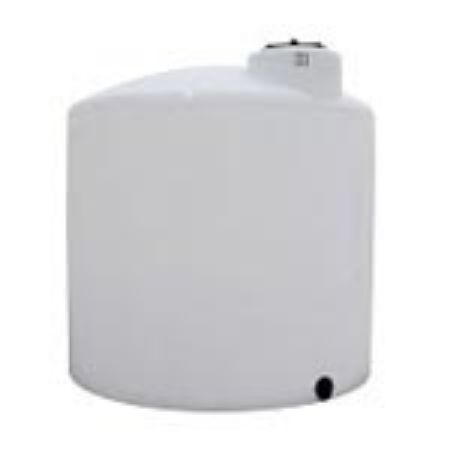
 Vertical Closed Top Storage Tanks
 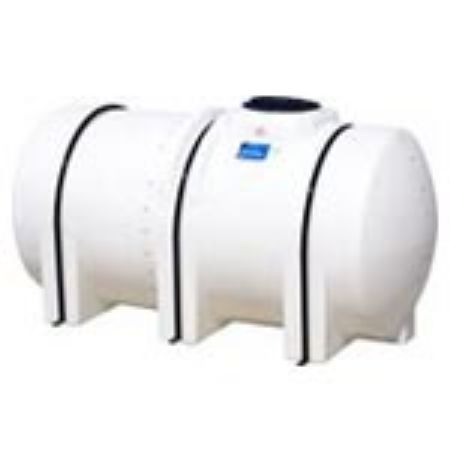 Free Standing Horizontal Tanks
 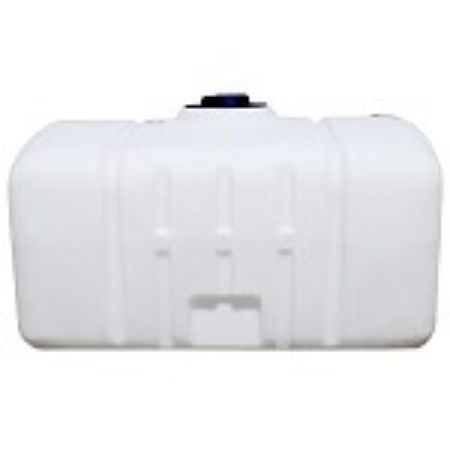 Rectangular Utility Tanks
 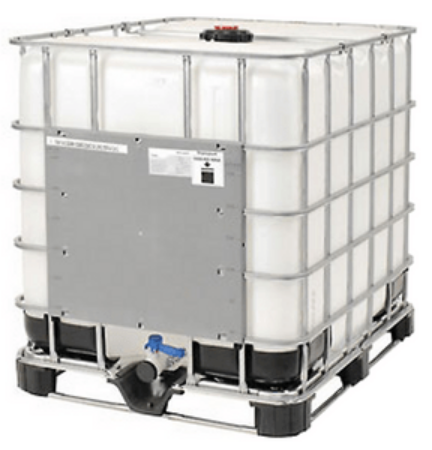 1000 Litre IBC Tanks (Cage Tote)
  Pick up Tanks
  Double Wall Tanks
  Vertical Open Top Storage Tanks
  Plastic Water Stock Tank
 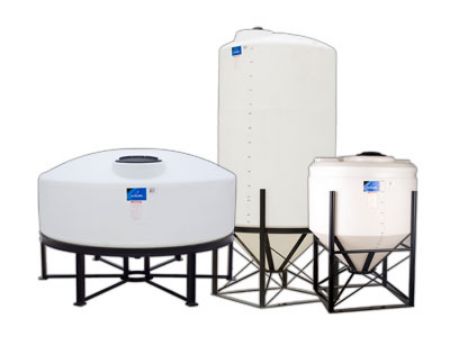 Cone Bottom Tanks - Closed Top Plastic Tanks
 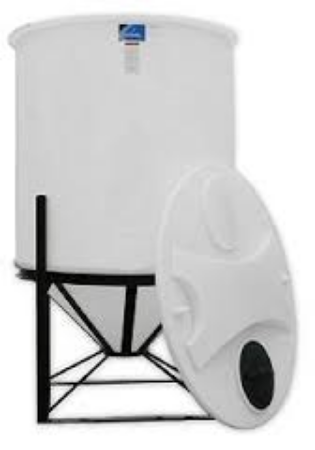 Cone Bottom Tanks - Open Top Plastic Tanks
 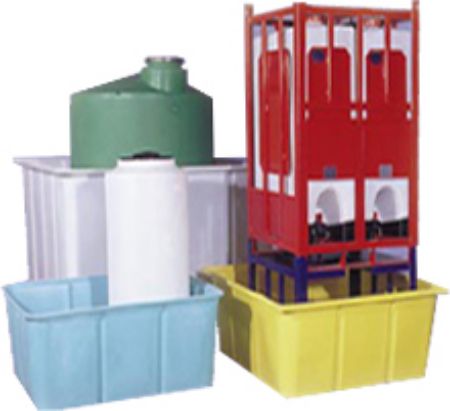 Secondary containment basins
 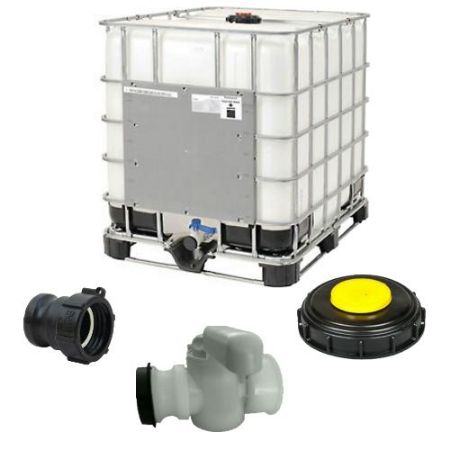 Cage Tank Parts (IBC Tote)
 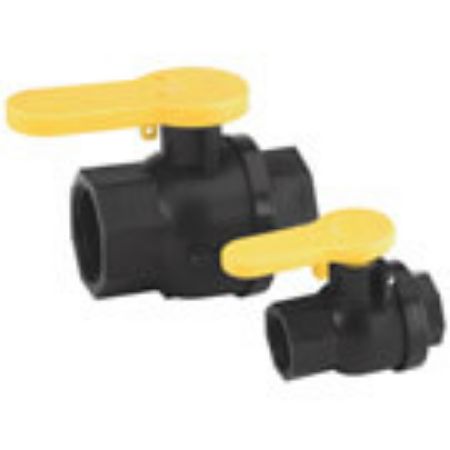 Polypropylene and PVC Ball Valves
 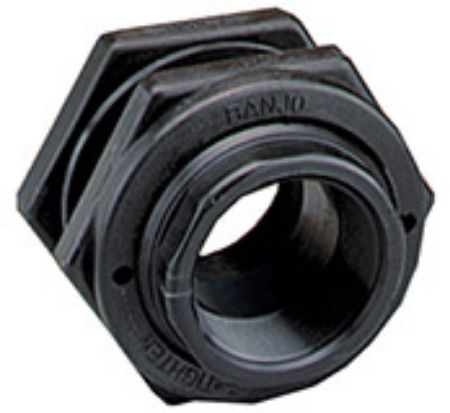 Polypropylene and PVC Tank Fittings
 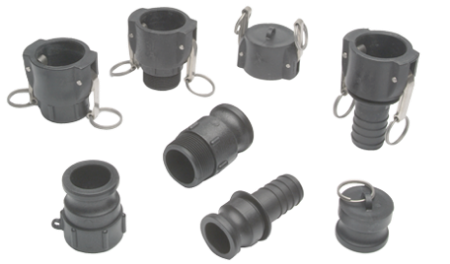 Camlock Fittings
 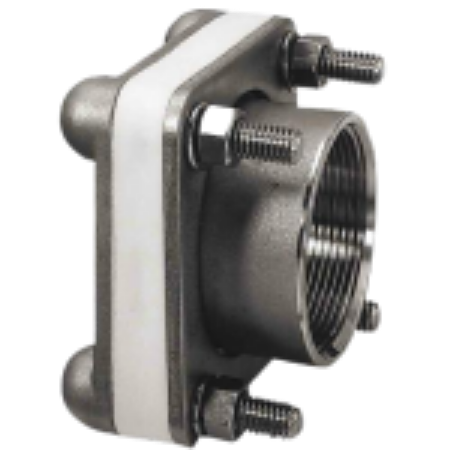 Stainless Steel Bolted Fitting
 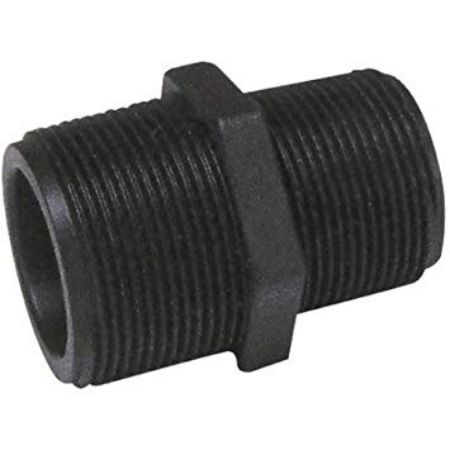 Polypropylene Threaded Reducer Nipples
 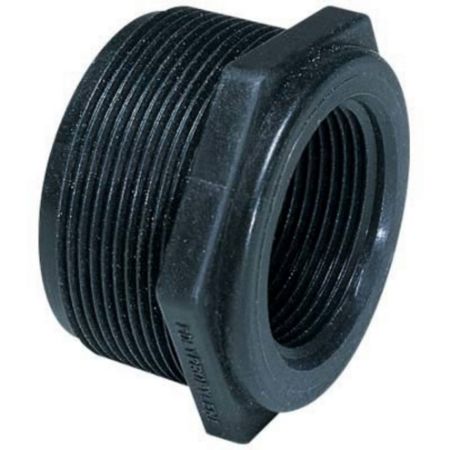 Polypropylene Threaded Reducer Bushings
 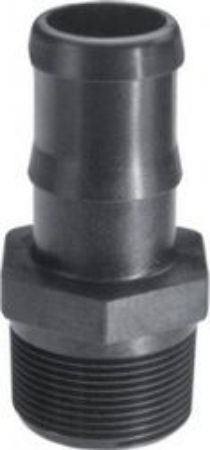 Hose Barb Fitting Adapter
 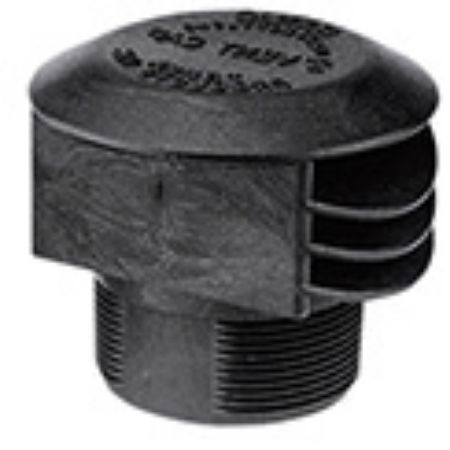 Vent Caps
 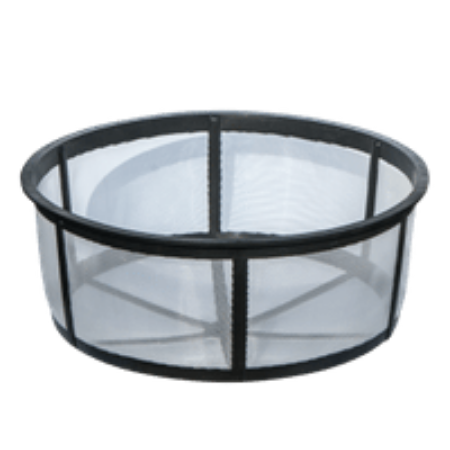 Filter Strainer Baskets
 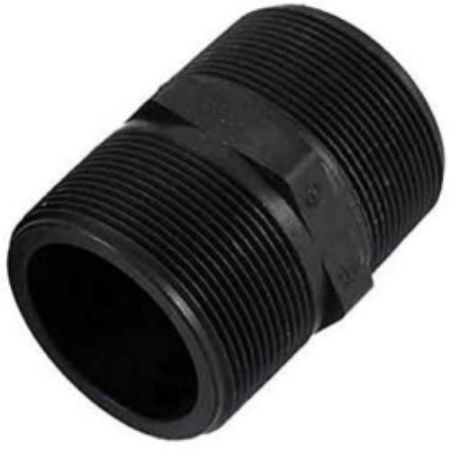 Threaded Pipe Nipples
 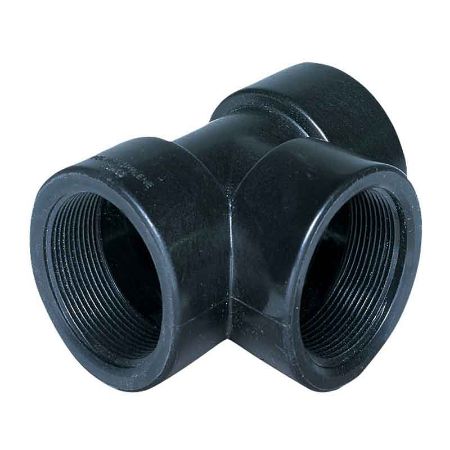 Polypropylene Tee Fitting, NPT Female Thread
 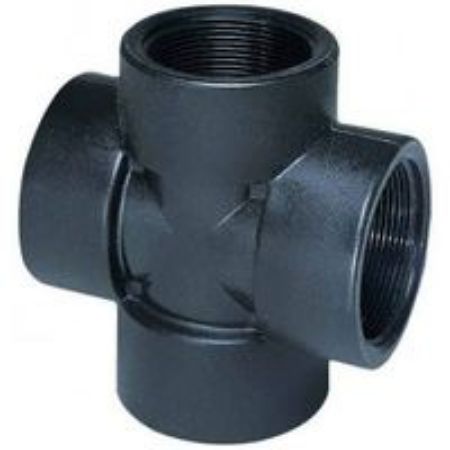 Polypropylene Cross Fitting, NPT Female Thread
 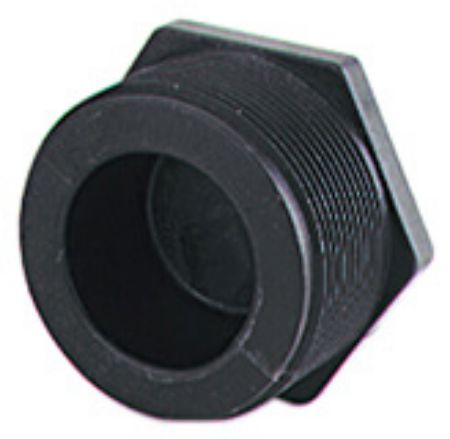 Drain Plugs
 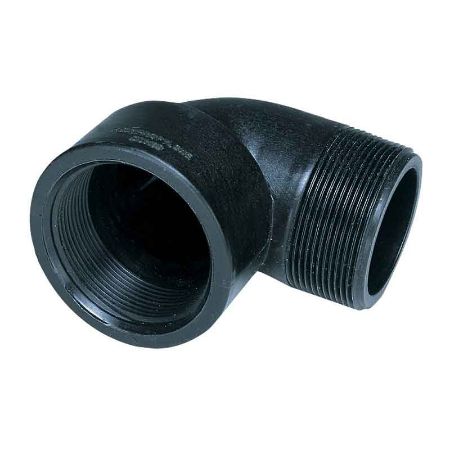 Elbow fittings
 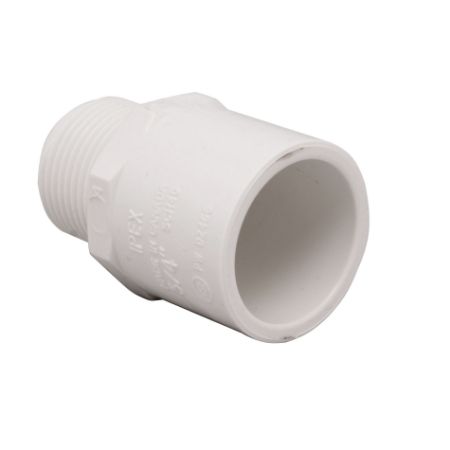 PVC Adapter, NPT Male Thread to Socket End
 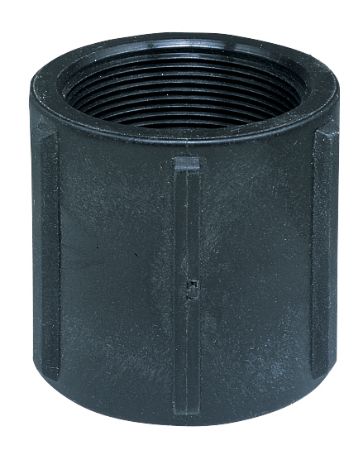 Polypropylene Threaded Pipe Couplings
  Closed Top Tank Lids
 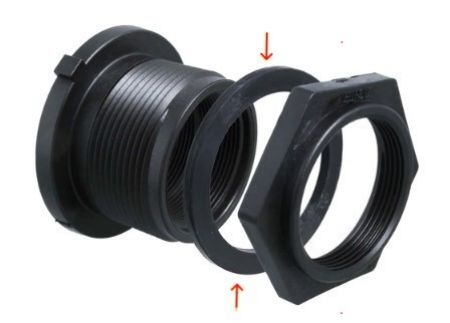 Replacement Gasket for Bulkhead Fitting
  Level Indicator
  Miscellaneous accessories
 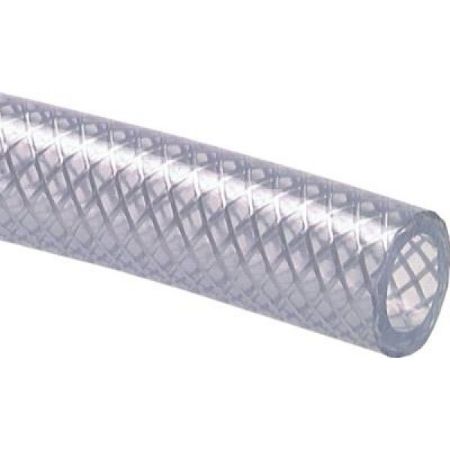 Potable Water Hoses
 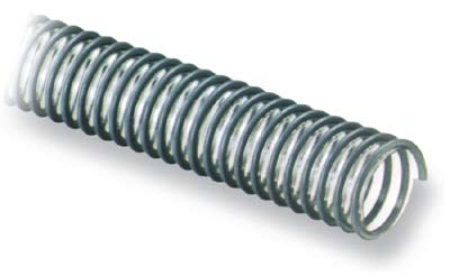 Liquid Suction and Discharge Hoses
 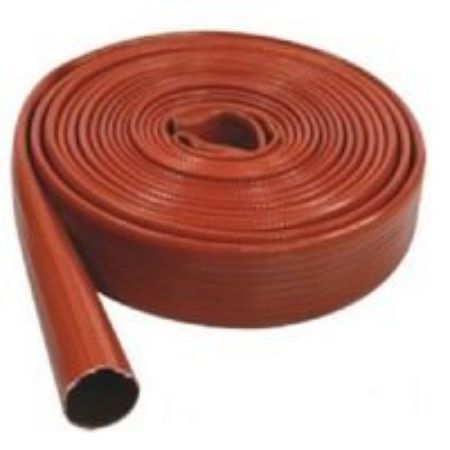 Liquid Discharge Hoses
  Assembled Liquid Discharge Hoses
  Fire Hose
 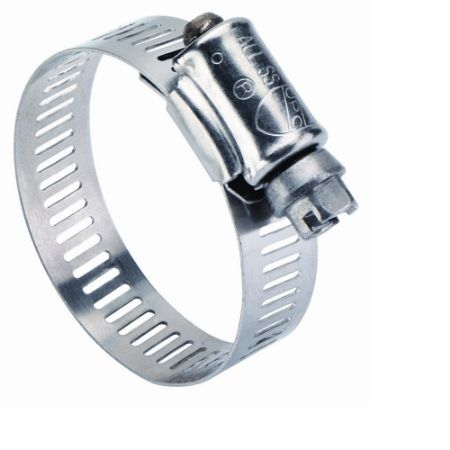 Hose Clamps
  Fire Hydrant Adapters for Quebec
 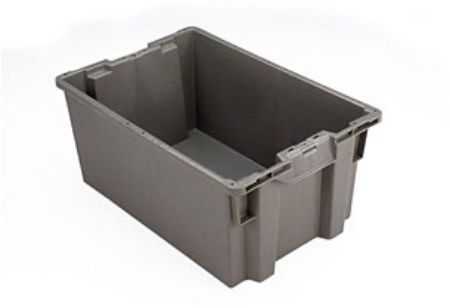 Food Grade Containers, Solid Walls and Bottom
 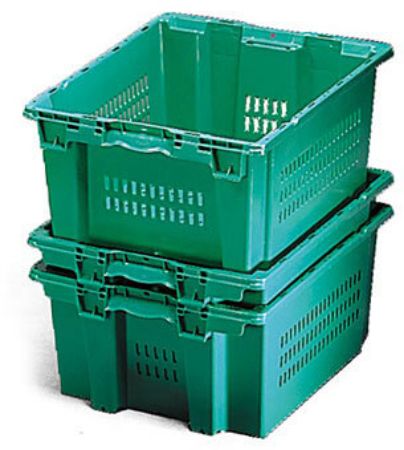 Food Grade Containers. Vented Walls and Bottom
 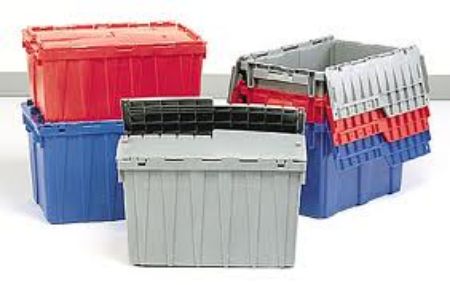 Attached Lids Plastic Containers
 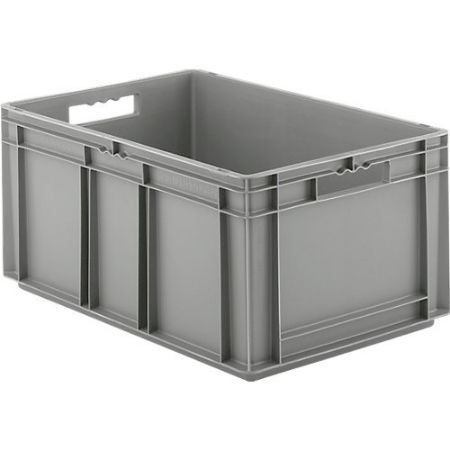 Industrial Plastic Containers, Solid Walls and Botton
 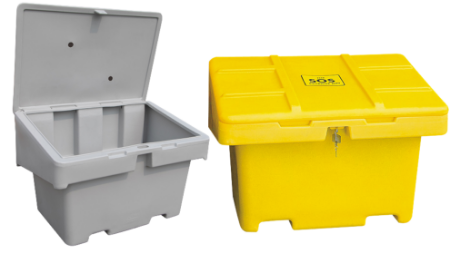 Sand and Salt Plastic Storage Bins
 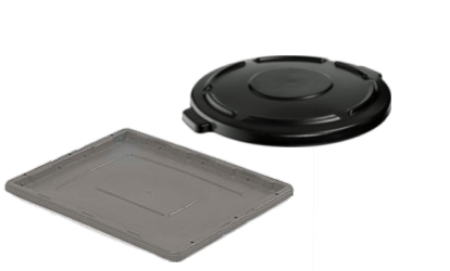 Containers - Lids and Covers
 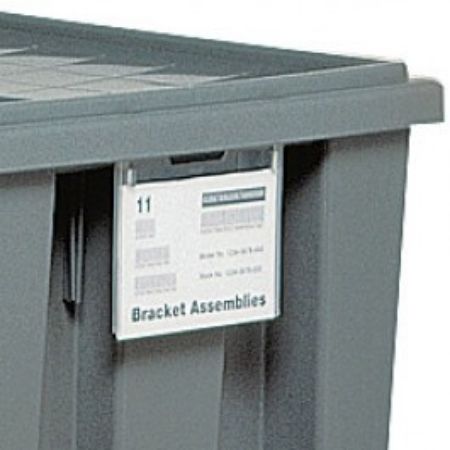 Containers - ID and Hot Stamp
 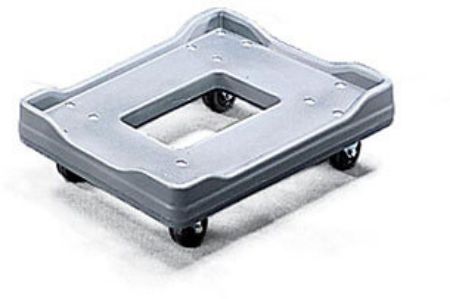 Containers - Dollies
 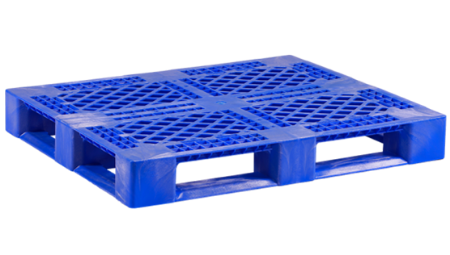 FDA Food Grade Plastic Pallets
 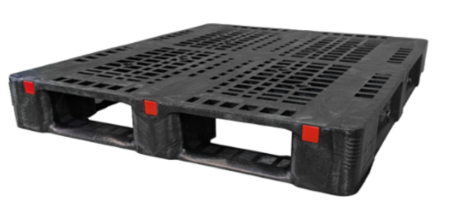 Industrial Plastic Pallets for Warehouse and Racking
 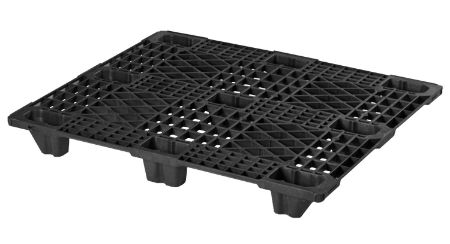 Export Plastic Pallet
 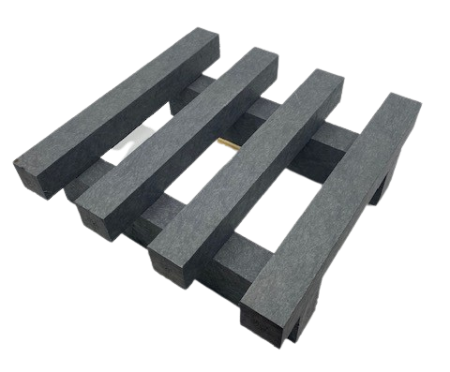 Display Plastic Pallets
 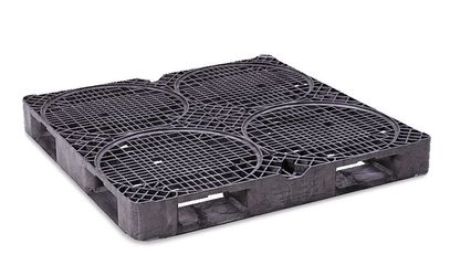 Drum Plastic Pallets
 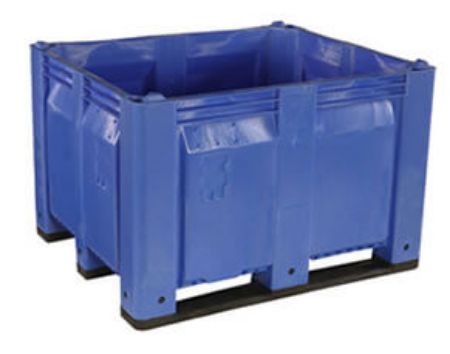 Plastic Pallet Boxes, Solid walls and Bottom
 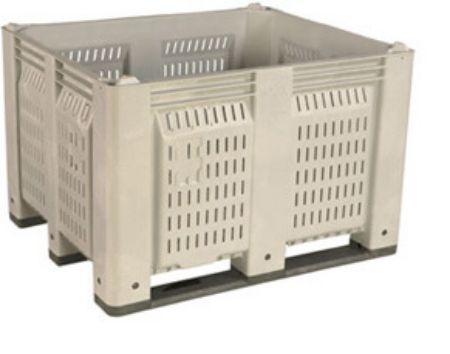 Plastic Pallet Boxes, Vented walls and Bottom
 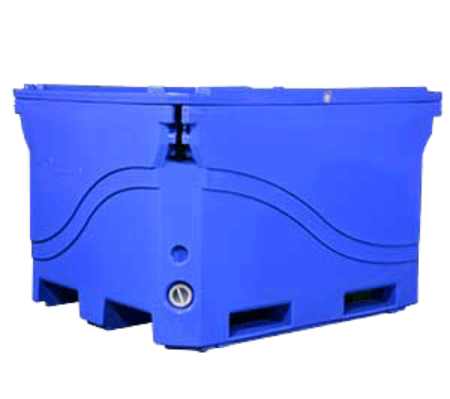 Insulated Plastic Pallet Boxes
 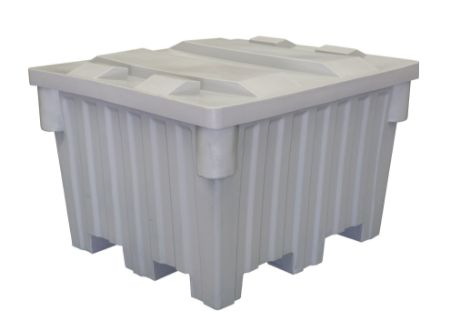 Tapered-wall Pallet Boxes
 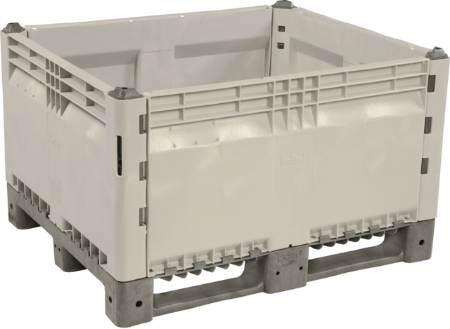 Removable walls Pallet Boxes
 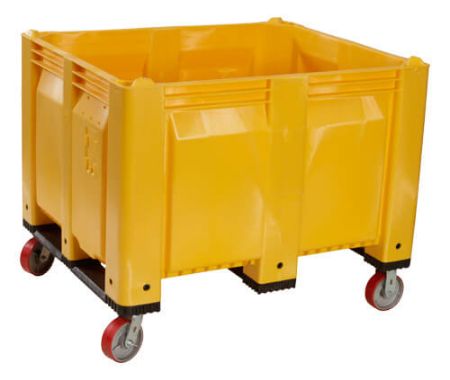 Pallet Boxes on Casters
 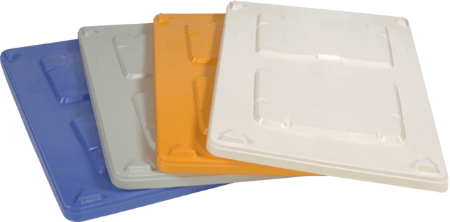 Lids - Pallet Boxes
 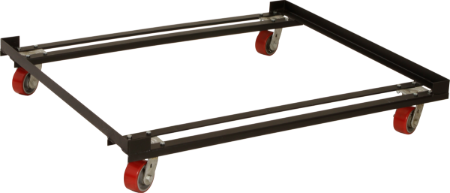 Pallet Boxes Bin Cart
 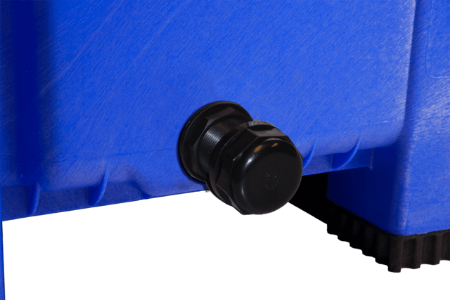 Drain Option for Pallet Boxes
 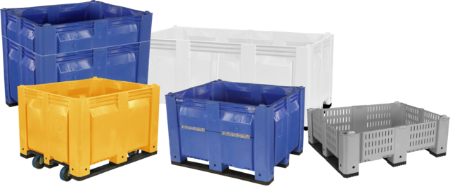 Custom Plastic Pallet Boxes
 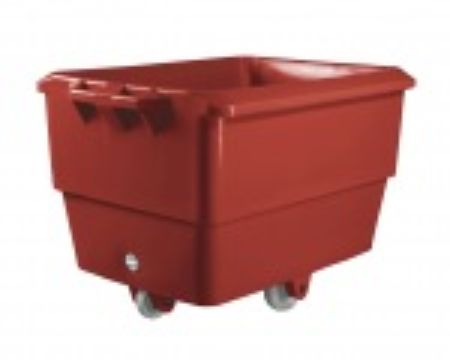 Food Grade Buggies - FDA Carts
 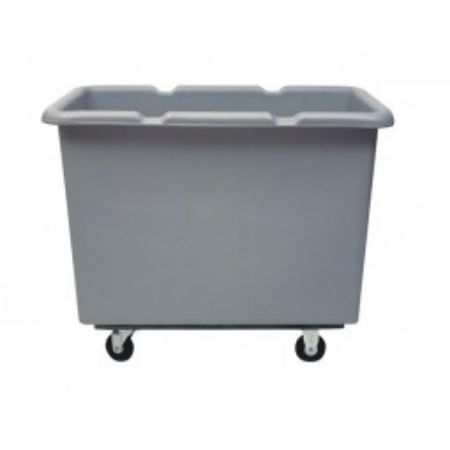 Industrial Poly-Box Trucks
 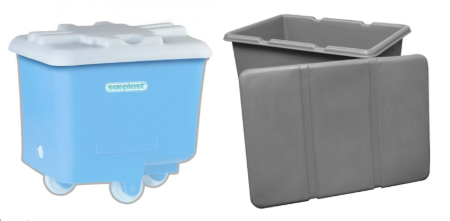 Carts Options and Accessories
What changes when you have the right plastic container models in your food processing or industrial facility.
It's 2:00 PM in a packaged powder products plant in Montreal. The shift change is done. The teams are back in their rhythm. Products come off the line and are placed into plastic totes before final packaging and shipping. The containers are stacked on pallets: four per row, seven layers high, 28 totes per pallet. The pallets are then moved to the warehouse.
Some products ship quickly. Others wait up to three weeks before being picked to complete an order. The totes then re-enter the production cycle. The system works. Everyone knows the routine.
Yet when you take a step back and look with fresh eyes, certain details stand out. The containers are slightly too large for the products they hold: one to two inches of unused space remain. On the pallets, a few extra inches are also lost around the totes. Individually, nothing alarming. But multiplied across hundreds of containers and dozens of pallets, that wasted space ends up occupying a significant footprint in a plant where every square foot is already in demand.
Aisles narrow. Storage zones fill up faster. Forklift operators make more trips. And yet no one really questions the situation, because orders ship on time and operations keep running.
That's often exactly where the best improvement opportunities are hiding.
In many food and industrial plants, plastic totes were chosen to meet a specific need at a specific point in time. Today, volumes have changed, products have evolved, and storage constraints have multiplied. Yet the containers often haven't changed at all.
This guide will help you understand which criteria truly influence the choice of a plastic bin, how to avoid costly mistakes, and how to choose a tote system that will keep working when volumes increase, teams change, and the next audit arrives.
TABLE OF CONTENTS
- The everyday frustrations everyone knows but no one questions
- What the wrong totes actually cost, but no one calculates
- Why most plants end up in this situation
- The 7 essential questions before buying industrial or food-grade plastic totes
- Understanding the standards to pass your audits: HACCP, FDA, CFIA, BRC, and SQF
- What plants experience when totes stop being an issue
- When a system that worked yesterday starts slowing you down today
- Quick checklist: review before any tote purchase
- Why choose Agrico Plastiques for your food-grade and industrial totes
- FAQ: the most common questions about food-grade and industrial plastic totes
The everyday frustrations everyone knows but no one questions
A tote never lives in just one place
That's the first thing people forget when making a purchase. A tote isn't bought for a single step. It moves through production, washing, the cooler or freezer, the shipping area, sometimes an external customer, and then comes back, or doesn't. At each of those stages, there are different constraints: a temperature to maintain, a load to support, a format that has to fit through the washer or stack properly in the truck.
A tote that performs well in production but causes problems at the wash station isn't the right tote for that plant. A tote that handles the load well but whose dimensions don't fit the cold room racks creates a daily constraint that no one actually chose. A tote is flow equipment, not just a container.
The signals teams carry without naming them
In plants where the tote fleet isn't optimized, certain habits quietly take hold. Not complaints. Not incidents. Workarounds.
- The operator who consistently avoids a certain model because they know the corners hold water.
- The one who stacks lower "just to be safe" because they've seen a model tip over.
- The one who goes back in with a hand brush after the wash cycle because the vented walls never come out truly clean.
- The one who grabs whatever tote is available rather than the right one because they can no longer tell them apart.
- The tote that jams on the conveyor if it isn't perfectly aligned, creating a risk of stalling the production line.
- The corner that cracked when someone set the tote down too hard in the freezer, it gets replaced, blamed on the cold, and everyone moves on.
These behaviors never make it into a report, but they say something important about the mismatch between equipment and operation. They are the silent symptoms of a structural problem.
When a workaround becomes a habit, it becomes invisible
The first time, someone compensates because there's no time to find a real solution. The second time, they repeat the same move because it worked. By the third, it's part of their rhythm. After six months, no one remembers that things were ever any different.
No one is to blame for this. It's a normal evolution in any plant where operations move fast. But it's also the exact moment when the cost of these frustrations becomes harder to see, because it gets absorbed into the daily routine of the floor teams.
No one is irritated enough to open an improvement project, but everyone is irritated enough to lose a few minutes every day.
What the wrong totes actually cost, but no one calculates
The purchase cost of a tote is easy to calculate. The cost of living with the wrong tote for 5 or 10 years is much harder to quantify. Here are the costs that never appear on any invoice.
Wash time
Take a plant running a few hundred or a few thousand containers in rotation. If 15% of those containers require 30 seconds to a minute of inspection and manual re-washing after the automatic wash cycl, because the angles trap residue, because the material is porous, because some come out slightly warpe, you're looking at two hours of manual labor per shift spent compensating for poorly suited equipment.
Multiply that by shifts, by weeks, by years. The invoice doesn't exist anywhere in the system, but the money is going out. Two minutes here, three minutes there. Individually, never worth raising. Collectively, a completely different story.
Wasted space
One inch of unused space in a tote doesn't seem serious. But when that space repeats across hundreds of totes and dozens of pallets, it ends up consuming several hundred, or even several thousand, cubic feet that could be put to better use.
When space starts running short, the consequences show up quickly:
- Narrower aisles.
- Pallets moved more often.
- Temporary zones that become permanent.
- Expansion projects being considered when part of the solution is sometimes already inside the building.
Extra handling
An undersized tote sometimes means multiplying containers to store the same volume of product. The result: more totes to move, wash, stack, and unstack. It's not just lost time, it's also more traffic inside the plant, more forklift trips, more risk of collision, and more congestion in areas that are already under pressure.
Breakage that becomes normal
In some plants, cracked corners, split totes, and fractured walls are almost part of the scenery. The bin gets replaced, an order is placed, and the same thing happens a few months later. Yet when breakage consistently occurs under the same conditions, in the freezer, during stacking, from repeated impact, it's worth asking whether the problem is the employees or simply the wrong tote being used in the wrong place.
Cooling or freshness losses
The choice between a solid-wall container and a vented one should never be left to chance. In certain applications, a solid-wall container unnecessarily slows the circulation of cold air around the product. Cooling times increase. Freezing times increase. In some cases, the quality or freshness of the product can even be affected.
Managing empty totes
Some operations still use straight-wall totes that take up exactly the same space empty as they do full. When you're dealing with a few dozen totes, the impact is limited. When you're managing several hundred, the space needed just for empty containers quickly becomes its own storage challenge.
Colors and identification
The wrong color was often purchased for a good reason: the right model wasn't available, the lead time was too long, or production couldn't wait. A few months later, no one quite remembers why that exception still exists, but teams now have to keep track of which totes go where, which ones are reserved for certain products, and which ones to avoid.
To identify the containers, someone sticks on a label, ties a zip tie, adds label holders or clips. Then they replace the labels that fall off in the washer. These are small tasks, small costs, but they come back around again and again. A permanent hot-stamp marking with a number sequence, a description, or even a logo can be done once and eliminate that recurring management burden entirely.
Managing lids
A separate lid seems insignificant until you're managing several hundred totes and lids. Lids arrive separate from the totes, have to be assembled, palletized, then removed at unloading, washed, and put back into circulation. Lids go missing. Others get mixed up. Some get damaged.
In many operations, a simple tote with attached lids eliminates a large part of that daily management. No time spent searching, as many lids as totes on the pallet without even counting, genuine ease of use.
The invisible pressure on teams
A mismatched tote fleet generates a mental load that no performance report captures but that every person on the floor carries. When six different models are in circulation, operators have to maintain a constant mental map: which model goes to which zone, which one is certified for food contact, which one fits in the washer, which one to avoid in the freezer because it becomes brittle at -4°F.
The audit that catches you where you least expect it
A CFIA, BRC, or SQF inspector doesn't just come to review your procedures. They observe. They look at surfaces, equipment, visual traceability systems. A deeply scratched bin whose micro-cracks trap organic residue immediately raises questions about the integrity of the contact surface. An inconsistent color-coding system creates documentary ambiguity around allergen management.
These observations make it into the reports. Sometimes for the second time. Sometimes the third. And what was an observation becomes a non-conformance, then a corrective requirement with a deadline.
Do any of these situations sound familiar? We can take a look together, no commitment required.
- 450-471-2772
- Fill out the form
A quick conversation can often reveal concrete opportunities for improvement.
Why most plants end up in this situatio, and why no one is to blame
Operational urgency always wins over planning
In busy operations, planning time is scarce. When totes run short on a Wednesday morning because an order doubled in two weeks, you buy what's available. When the line can't wait, you take what's in stock. That's rational. It's the right call in the moment. But it's also where the mixed fleet starts to form, one emergency at a time, without anyone deciding it.
One manager buys a batch to quickly replace broken bins. Another tops up inventory a few months later. A third order goes through during a stock shortage. At first glance, all those bins looked practically identical. The result, after five years of operation, is an inventory no one would have designed on purpose:
- No one is entirely sure the compliance documentation is still current across the entire fleet.
- Five formats that look similar but don't nest together and don't stack safely.
- Some batches in PP (polypropylene) and others in HDPE that tolerate different temperature ranges.
- Some totes with grooves in different locations that complicate washing.
- Totes all listed as 24 in × 16 in, but with different internal dimensions depending on the manufacturer.
That diversity didn't come from negligence. It came from day-to-day reality.
Buying on discount
Discount purchasing has its own logic: the right price at the right time, the available batch, the urgent need resolved. But a series of individually sound decisions doesn't necessarily produce a good system in the plant. A containers fleet needs to be thought of as a complete system: how many are in production, how many are being washed, how many are in the warehouse, how many are circulating outside the plant.
When that thinking isn't done upfront, you often end up with a fleet that works reasonably well everywhere but is truly optimized nowhere. And when the time comes to order new totes, the same question comes back: which model should we actually standardize on for the next several years?
The 7 essential questions before buying industrial or food-grade plastic totes
There is no universal tote. What works in a poultry processing plant doesn't necessarily work in a mechanical assembly shop or a hydroponic greenhouse. The questions below are not generic recommendations. These are the questions you need to be able to answer before placing an order, because each answer directly shapes the choice of the right model.
1. The actual use: food-grade, industrial, or both?
Everything starts here. A food-grade tote and an industrial tote can look virtually identical. Yet they are not designed to meet the same requirements.
A food-grade tote is manufactured using resins and colorants that comply with food contact requirements. Its traceability, documentation, and certifications are often just as important as its dimensions or capacity. An industrial container, on the other hand, is designed for manufacturing, storage, or handling environments where food contact is not required. Industrial does not mean low quality, on the contrary, true industrial bins are built for heavy-duty use and must withstand high loads, repeated handling, and impact.
Before looking at price, dimensions, or material, mentally trace the path of the tote through your plant:
- Where does it start its day and what does it actually hold?
- Does it move from production to packaging, from the wash station to the cold room, from the warehouse to shipping?
- Does it travel through several departments or stay in the same zone throughout?
- Is it exposed to hot water in the washer, cold in the freezer, or chemical cleaning agents?
Operating temperatures are part of this usage question. A container that moves between a production area at 65°F, a hot-water wash at 185°F in an industrial washer, then a cooler at 36°F or a freezer at -18°F must be rated for that complete cycle, not just one of those stages.
2. The volume to hold based on the batch, recipe, or part count
Tote size should be chosen based on what it actually needs to hold in a real operation, not based on a rough estimate for convenience. In a food processing plant, it's the production batch or recipe that dictates the volume. In a distribution center, it's the number of parts to move from one station to another.
An undersized tote means more handling, more trips, more wash time, and more totes to manage every day. Nestable totes also have angled walls that reduce their base dimensions: when placed side by side on a pallet, those angles create empty gaps between totes, a loss that compounds across every layer and every pallet.
With an oversized tote, it's easy to exceed the safe single-person handling weight. The right approach: define the typical contents of a complete cycle, calculate the resulting weight using the heaviest product, then validate that weight against the tote's load capacity and the planned stacking conditions.
3. Dimensions: interior AND exterior
This is the criterion that generates the most costly mistakes, because buyers often look only at exterior dimensions to confirm compatibility with equipment and forget to check interior dimensions.
Interior dimensions must be validated against the exterior dimensions of the parts or items going inside. A product that fits too tightly risks damage during stacking. A product that floats in too much space shifts, tips, and gets mixed up.
Exterior dimensions must be validated against every piece of equipment along the tote's path: the pallet, the cold room shelf, the conveyor, the industrial washer. A millimeter too wide on the conveyor creates constant friction. A tote that's too tall adds inches to every layer and can make a fifth row too high for the racking system. These validations should be done on drawings where possible, before the order, and in discussion with every department involved.
4. Stackable, nestable, or both?
This distinction has a real impact on space management that is often underestimated at the time of purchase, because people think about the full tote first and rarely about the empty one.
A stackable-only container has straight walls. The interior volume is maximized, stacking is stabl, but a stack of 100 empty bins takes up the same space as a stack of 100 full ones. A nestable-only container has angled walls that allow empty totes to slide inside one another, dramatically reducing the footprint when empty, but it usually requires a lid to stack when full.
Stack-and-nest totes combine both advantages: in one orientation they nest when empty; rotated 180 degrees, they stack securely when full. This is often the best compromise for large fleets, provided compatible models are maintained, only containers of the same model or the same height can nest together, as wall angles vary with height.
5. Material based on actual operating conditions
Material selection is not an aesthetic decision. It's a technical decision that depends on required food-grade standards, operating temperatures, cleaning chemicals, supported loads, and cycle frequency.
FDA-compliant food-grade resin ensures the resin does not migrate into the food and that it can be cleaned and sanitized without surface degradation. The colorants used also meet food-grade requirements, making it easier to visually identify zones and manage allergens within HACCP plans.
HDPE is the benchmark material for demanding food environments. It withstands cold down to -18°F and heat up to 120°F continuously. It handles repeated impacts even at low temperatures and is compatible with the vast majority of industrial cleaning products.
PP is more rigid than HDPE and performs very well in temperature-controlled food environments. Its main limitation: it can become brittle at very low temperatures or from repeated impacts in a freezer. In plants where totes regularly transition to -0°F or below, that potential brittleness must be validated before selecting the model.
Polycarbonate offers full transparency, allowing the contents to be seen without opening the tote. It is used in certain food applications, laboratories, and pharmaceutical environments. Its cost is significantly higher than HDPE or PP.
Chemical compatibility is not a permanent guarantee. Certain concentrated disinfectants, solvents, or enzymatic formulations can degrade plastic over time. If you change your cleaning protocol or disinfectant product, validate compatibility with your tote material.
6. The lid: separated, attached or none
The lid decision is often made after the fact, once the problem is visible. That's a mistake. The type of lid has a direct impact on day-to-day fleet management.
Serarated lid
A separate lid creates two distinct items that must be managed throughout the entire life cycle of the container: washing, storage, handling, transportation and return logistics. In high-volume operations, these additional handling steps can quickly become significant.
During return transport, it is common to consolidate empty containers on one pallet and stack the lids separately on another pallet to maximize trailer utilization and reduce transportation costs. While efficient from a space perspective, this creates an additional pallet to handle, track, move and store.
The same reality is often found inside food processing plants and manufacturing facilities. To save floor space, containers and lids are frequently stored separately when not in use. As a result, operators must retrieve, match and reassemble them before use. In fleets containing multiple container sizes, there is also a risk of mixing lids and containers, leading to delays, operational inefficiencies and occasional replacement costs.
None of these issues are major on their own, but together they can create a surprising amount of friction in day-to-day operations. For this reason, lid management should be considered as part of the overall production, storage and transportation workflow rather than as a simple accessory decision.
Attached lid
The attached double-lid model completely eliminates most lid management issues. Because the lids remain permanently attached to the container, there are no separate covers to store, track, lose or replace. This simplifies daily operations, reduces handling time and helps maintain a cleaner, more organized work environment. Washing and sanitizing are also easier since the lids always stay with the container.
These containers are widely used in distribution centers, warehouses, retail supply chains, moving companies and storage operations, which is why they are often referred to as distribution containers or distribution totes. Their integrated lid design helps protect products from dust, dirt and contaminants during transport and storage while allowing quick and convenient access to the contents when needed.
One of their main advantages is the ability to securely stack loaded containers while protecting the products inside. However, there are important considerations to evaluate before selecting this design. Unlike many rigid stack-and-nest containers, the upper container rests directly on the closed lids of the container below rather than on a reinforced top rim. Depending on the weight of the product and the stacking height, the lids may flex under load. For this reason, it is important to evaluate the actual storage and transportation conditions before choosing this type of container.
Another detail that is often overlooked is the footprint of the container when the lids are open. Once opened, the lids extend beyond the original dimensions of the container, increasing the overall width of the stack. In facilities with narrow aisles, limited storage space or tightly packed transport loads, this additional width should be considered when planning operations.
When properly matched to the application, attached-lid containers provide an excellent combination of product protection, operational efficiency, simplified container management and improved handling throughout the supply chain.
No lid
No lid at all can also be the best choice when the contents are in constant use, access needs to be immediate, or airborne contamination is controlled by other means. That decision should be made deliberately, not by default.
7. How will you identify, move, and manage your totes day to day?
These options are often seen as add-ons that can be decided later. In practice, deferring them after the purchase creates two problems: either they're no longer available for the chosen model, or they're not integrated into the operating plan and never actually adopted on the floor.
Dollies allow a single employee to quickly move a stack of totes from one area to another, particularly useful when doorways are narrow, aisles are tight, or short-distance movement is frequent. Important: most dollies are designed specifically for certain tote models. Even when two totes show the same exterior dimensions, their base dimensions are almost always different from one manufacturer to another. Confirm compatibility upfront if dollies are part of your operation.
Label holders enable batch identification, shift-to-shift traceability, and documentary compliance without relying on tape or markers that disappear in the washer. In a plant subject to BRC or SQF standards, that traceability is not optional.
Permanent marking by laser engraving, hot stamping, or integrated molding identifies the tote fleet indelibly. For totes that leave the facility for customers or subcontractors, identification secures traceability, facilitates returns, and makes it impossible to confuse your totes with those of another company. In fleets of several hundred totes, this identification simplifies inventory, reduces losses, and prevents unnecessary replacement of lost or misassigned totes.
You've answered the 7 questions but want to confirm your selection before ordering?
- 450-471-2772
- Fill out the form
Our team can validate compatibility, standards, and dimensions before your order is placed.
Understanding the standards to pass your audits: HACCP, FDA, CFIA, BRC, and SQF
The food-grade vs. industrial distinction isn't always visible to the naked eye
This may be one of the most underestimated aspects of managing a tote fleet. Two totes can have the exact same dimensions, the same color, and virtually the same appearance. Yet one may be manufactured using virgin resin that complies with FDA food contact requirements, while the other does not. The difference isn't visible to the naked eye. It's found in the materials used, the certifications, the technical data sheets, and the manufacturer's documentation.
And even when a tote meets FDA requirements, that doesn't automatically mean it's right for your application. A quality department may reject an otherwise compliant model because its design complicates cleaning, retains water, or presents a contamination risk for the product being processed. Compliance matters, but so does design.
What an inspector looks at first in the container area
The inspector goes straight to the surfaces that raise questions. They touch. They look at the angles, the low corners, the contact zones. They look for micro-cracks in older binss, organic residue embedded in the grooves left by abrasive cleaning. A tote that looks perfectly clean from a distance can tell a very different story when examined up close.
That's also why many quality managers replace certain totes well before the end of their mechanical service life. The container may still be structurally sound enough to carry the product, but it no longer provides the same level of confidence during a food safety audit.
Allergens and color coding: what BRC, SQF and HACCP actually expect
The BRC and SQF standards are explicit about allergen management: a documented segregation system, consistently applied, and communicated to the teams. Totes sit at the center of that system. When they move between lines handling products with and without allergens, their color is the first visual control mechanism the inspector looks for.
A color-coding system that isn't documented in the HACCP plan isn't a color-coding system. It's an informal practice. It may be followed to the letter for years, but it won't hold up in an audit, through employee turnover, or under a non-conformance notice. The system has to be written, approved, posted, and demonstrable at audit time.
A common trap: totes purchased at different times sometimes have slightly different shades of the same color. A red from 2019 and a red from 2023 aren't always visually identical. If the shade difference is significant, it can create confusion on the floor and raise questions during the audit. Progressive fleet standardization eliminates this problem at the source.
Shift-to-shift traceability: the gap audits find most often
Lot traceability doesn't stop at the software system. It includes the ability to demonstrate physically, on the floor, that the contents of a tote are tied to the right production lot, the right date, the right shift. A bin with no identification, no clearly defined assigned zone, or no re-writable insert breaks that chain at the most fundamental level.
This is a recurring point in CFIA inspection reports for Quebec food processing plants. If nothing is there or if the information was lost in the wash, the question that follows is direct: how can you demonstrate that this content belongs to this lot? A self-adhesive label that washes off is not a sufficient answer.
Sound traceability must survive shift changes, movement through the plant, wash cycles, and time. If the information disappears before the product does, the traceability system is already compromised.
Do your current containers meet these criteria? We can review that together before your next audit.
- 450-471-2772
- Fill out the form
Better to validate before the audit than to correct after a non-conformance.
What plants experience when totes stop being an issue
The real sign that a tote fleet is working
The sign that totes are well chosen isn't obvious at first glance. It's not a metric on a dashboard. It's the absence of problems, exceptions, and daily frustrations. It's the silence.
In plants where the fleet is well designed, no one talks about totes. Operators don't think about their containers. They think about their work. Supervisors don't spend their day managing exceptions or incompatibilities between different models. No sticky note on the freezer door reminding people not to use the green totes in that zone. New employees don't have to learn unwritten rules. Operations move forward naturally.
What it changes for teams, washing, and audits
Washing follows its normal cadence. Totes go into the washer, come out clean, drain properly, and return to production without extra intervention. There's no manual cleaning phase to pick up what the washer couldn't finish.
The quality department is no longer watching certain models more closely than others. The color-coding system is visible, consistent, and documented. During a BRC, SQF, or CFIA audit, containers are not a zone of questioning. The inspector notes them, sees the consistency, and moves on.
In the highest-performing plants, containers become practically invisible. That's not a clich, it's the most reliable sign that they were correctly selected. The smoothness of a well-managed tote fleet isn't spectacular. It's silent. And that's exactly what you want.
When a system that worked yesterday starts slowing you down today
When growth outpaces the system
There comes a point in growing plants where the system isn't signaling anything wrong, but it's no longer signaling anything right either. The totes are compliant. The system still functions. Orders are going out. Yet something has shifted. Pallets waiting to ship take up more space than before. Buffer zones overflow more often. Teams move more containers to push the same volume of product through.
It's not that the containers have gotten worse. It's that the company has outgrown the production level the system was designed for. A 30-liter tote that was perfectly suited when you were shipping 800 units a day becomes a logistical bottleneck when you're shipping 3,000. The natural response is often to buy more totes to absorb the growth. For a while, that works. Then space fills up, trips increase, and complexity returns.
When the solution is no longer a better container, but a change in strategy
When a plant is handling very large volumes, the individual handling of hundreds of bins can become the real productivity limiter, even with the best bins on the market. It's no longer a question of container quality. It's a question of scale.
That's often when a bulk container enters the conversation: working in bulk in a single large-format container, with fewer individual handling steps, fewer totes to wash and store, faster loading, and better storage density. For companies questioning that transition point, we've prepared a complete guide on plastic bulk containers: When and why to move to bulk containers .
Quick checklist: review before any tote purchase
This isn't a bureaucratic control list. It's the synthesis of every decision this guide has helped you think through. If you can answer yes to each of these questions before placing an order, you've done the work that will save you from the frustrations described at the start of this guide.
- Is the intended use clearly defined: food-grade FDA, industrial, or both?
- Have actual operating temperatures (hot wash, cooler, freezer) been factored into the material selection?
- Does the container volume match the actual batch, recipe, or number of parts to be moved?
- Has the actual content weight been validated against the tote's load capacity and planned stacking conditions?
- Have the interior dimensions been validated to hold the product without unnecessary wasted space and without forcing?
- Have the exterior dimensions been validated against the rack, conveyor, shelf, and washer?
- Has empty container behavior (nesting, stacking) been assessed against available space?
- Is the material compatible with the cleaning and sanitizing products used in the plant?
- Have quality department requirements and HACCP, BRC, SQF, or CFIA audit requirements been confirmed before the final selection?
- Was the lid decision (attached, separate, none) made at the same time as the tote selection?
- Has a color-coding system consistent with the HACCP plan been defined before the order?
- Have necessary accessories (dollies, label holders, permanent marking) been planned from the start?
- Have the quality, production, and wash teams validated the selection?
- Is a transition plan in place to progressively replace problematic models?
Want to review your project with an advisor before ordering?
- 450-471-2772
- Fill out the form
We're here to help you make the right choice from the very first purchase.
Why choose Agrico Plastiques for your food-grade and industrial totes
Agrico Plastiques is a Quebec-based company that has been working with food processing plants, distribution centers, industrial shops, and agricultural operations for decades. When you call, you speak with someone who has seen bins crack in the freezer, pallets run out of room in a warehouse, and audits surface questions that could have been avoided at the time of purchase. Someone who understands the constraints of an industrial washer, the requirements of a CFIA inspection, and the realities of a production floor.
The Agrico Plastiques transactional website gives you real-time access to: unit and volume pricing, live inventory with availability timelines, downloadable technical drawings, and online fitting customization. Our team is available by phone, email, or chat to assist you with your projects, questions, and after-sales needs.
Concretely, we help you:
- Identify the right container type based on your use case, your sector, and your real-world constraints.
- Confirm food-grade compliance and available documentation before the order.
- Verify dimensional compatibility with your existing equipment.
- Define a color-coding system consistent with your HACCP plan.
- Plan for accessories (dollies, label holders, permanent marking) from day one.
- Progressively standardize a mixed or unoptimized fleet.
- Anticipate future volumes and identify the right moment to move to a larger format.
If your project involves a progressive fleet replacement, standardization after a period of unplanned diversity, or a transition to a system better suited to your current volumes, we can help you map out the steps in the right order. The goal isn't to find a tote. The goal is to find a system that will keep working when volumes increase, teams change, and the next audit arrives.
FAQ: the most common questions about food-grade and industrial plastic totes
What is the difference between a food-grade plastic tote and an industrial tote?
The main difference lies in the intended use, the materials used, and the available documentation. A food-grade container is manufactured with resins and colorants that comply with food contact requirements, supported by technical data sheets and manufacturer certifications. An industrial tote is designed for handling, storage, or manufacturing without a food contact requirement. Two containers can look identical, share the same color and exterior dimensions, yet not be interchangeable in a food processing plant.
How can I tell if a plastic tote is truly compliant for food contact?
Compliance cannot be confirmed by looking at the tote. It is validated through manufacturer documentation: the resin used, the colorants, technical data sheets, declarations of conformity, and usage limits. A tote can look clean and well-designed without being acceptable for food contact. Conversely, a tote that is compliant on paper can still be rejected by a quality department if its design retains water or complicates cleaning.
Which material should I choose for a food-grade tote: HDPE, PP, or polycarbonate?
HDPE is often the preferred choice in demanding food environments because it handles impact, cold, and repeated use well. It suits operations where bins move between production, washing, coolers, and freezers. PP is more rigid and interesting for certain storage applications, but must be validated if the tote will be exposed to intense cold. Polycarbonate is most useful when transparency is important. Material must be chosen based on temperature, chemicals used, load, and real floor constraints, never on price alone.
Can plastic containers go in the freezer or industrial washer?
Yes, some can, but not all. It depends on the material, wall thickness, actual temperature, duration of exposure, and cleaning products used. HDPE is often preferred for intensive freezing applications, with certain models rated down to -18°F. The complete cycle must be validated: production, washing, draining, cooling, freezing, handling, and return to circulation.
How much weight can a plastic tote support, and how many can be stacked?
You need to distinguish between the tote's own capacity, the safe single-person handling weight, and the stacking capacity when bins are piled on top of each other. The bottom tote must support the weight of all the totes above it with their contents. Before purchasing, validate the actual content weight, the number of planned stacking levels, the type of support between containers, and the manufacturer's recommendations.
Stackable, nestable, or stack-and-nest: what's the difference?
A straight-wall stackable container maintains its full interior volume and stacks with stabilit, but takes up the same space empty as it does full. A nestable tote with angled walls reduces empty footprint significantly but usually requires a lid for stacking when full. A stack-and-nest container combines both advantages: in one orientation it nests empty, rotated 180 degrees it stacks ful, often the best compromise for large fleets.
How do I choose the right interior and exterior dimensions for a plastic tote?
Interior dimensions are used to confirm whether the product fits properly inside the tot, avoiding a bin too small that forces the contents, and one too large that creates wasted space. Exterior dimensions are used to confirm compatibility with the environment: pallets, racks, conveyors, washers, shelves, doors, dollies. The right choice isn't made based on liters alone. It's made using the tote's actual dimensions across its entire path.
Solid walls or vented walls in a food processing plant: how do I choose?
Solid walls are often preferable when hygiene, washing, and visual inspection are the priority. Vented walls can be useful when ventilation, drainage, or air circulation around the product is important. The choice must account for the product, contamination risk, washing protocol, and the plant's quality requirements.
Should I choose a tote with a lid, without a lid, or with attached lids?
A separate lid protects the contents but adds a piece to manage and wash. An attached lid eliminates that issue since it always travels with the tot, but verify stacking behavior and empty footprint. No lid can be the best choice when the contents are in constant use and protection is handled by the environment. The lid decision should be made based on actual workflow, not just because it seems safer.
How do I know if my current totes can pass a HACCP, CFIA, BRC, or SQF audit?
Four elements need to be checked: material compliance, the physical condition of the container, traceability, and the bin's integration into your quality procedures. A food-grade tote must be backed by clear documentation. Its surface must remain smooth, inspectable, and cleanable. Cracked, deeply scratched, warped, or hard-to-clean totes can become problematic, even if they're still mechanically usable.
When should a plastic container in a food processing plant be replaced?
A tote must be replaced when it can no longer be cleaned, inspected, or used safely. Signs to watch for: cracks, damaged corners, rough surfaces, deep grooves, areas that retain water, deformation, and changes in color or odor. A bin may still be structurally sound enough to carry a product, but no longer acceptable in a food zone if its surface has become too marked to be clearly demonstrated as compliant during an audit.
Whether you're looking to standardize an existing fleet, qualify totes for a new line, or prepare for an upcoming audit, we can help you clarify the right parameters before making a decision.
- 450-471-2772
- Fill out the form
Our team is ready to help.