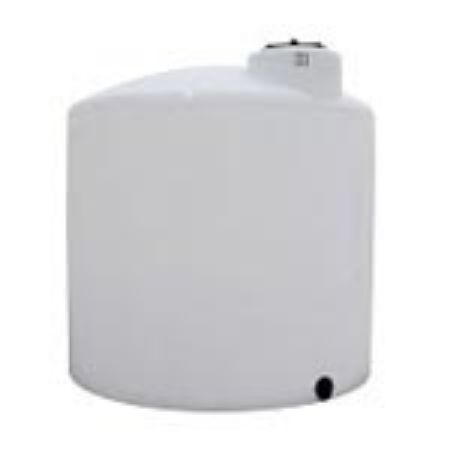
 Vertical Closed Top Storage Tanks
 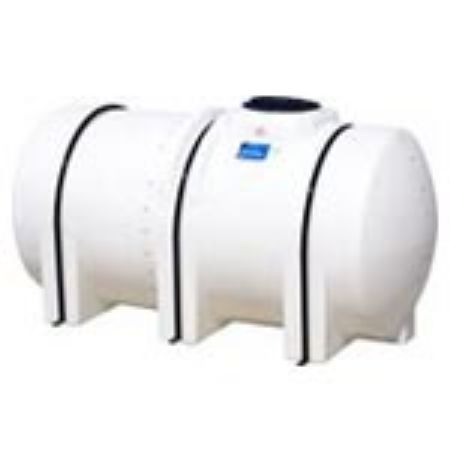 Free Standing Horizontal Tanks
 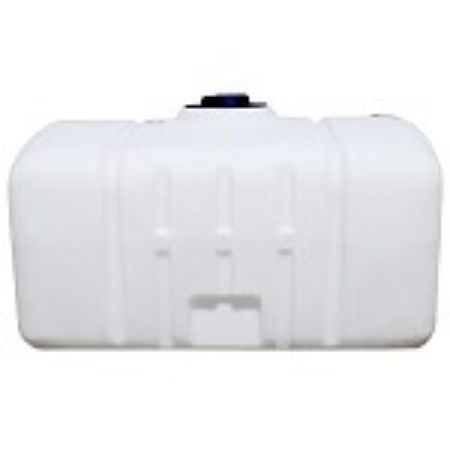 Rectangular Utility Tanks
 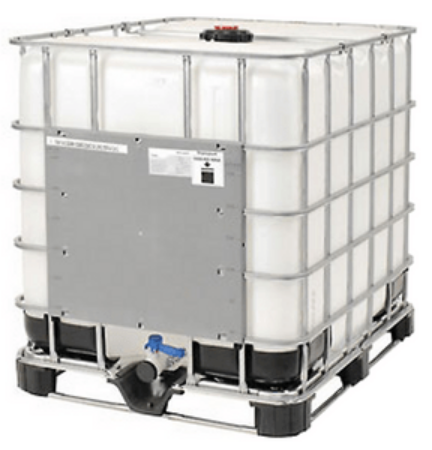 1000 Litre IBC Tanks (Cage Tote)
 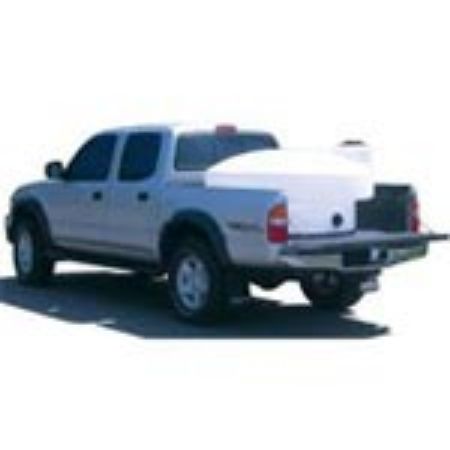 Pick up Tanks
 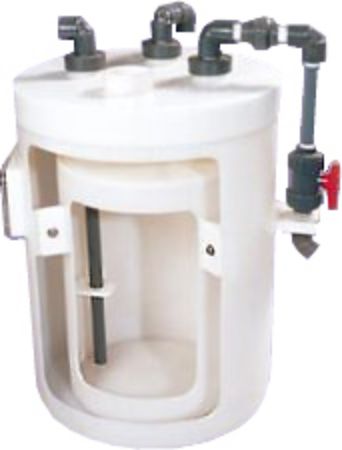 Double Wall Tanks
 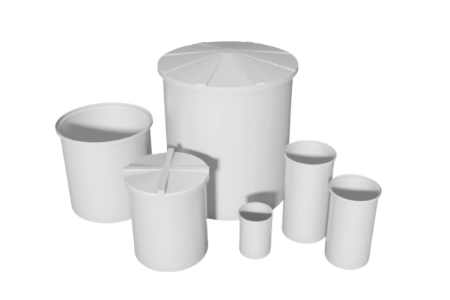 Vertical Open Top Storage Tanks
 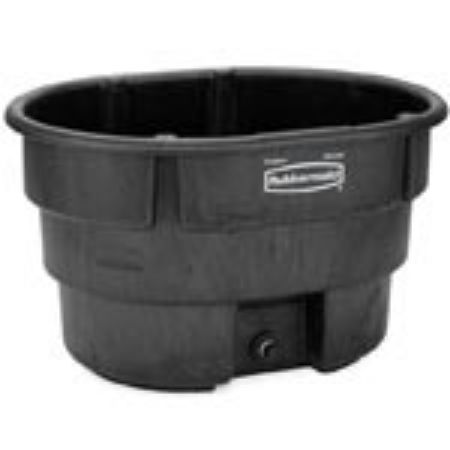 Plastic Water Stock Tank
 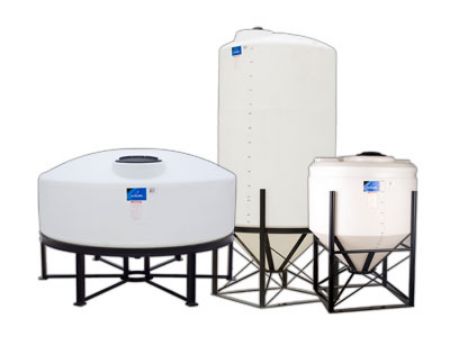 Cone Bottom Tanks - Closed Top Plastic Tanks
 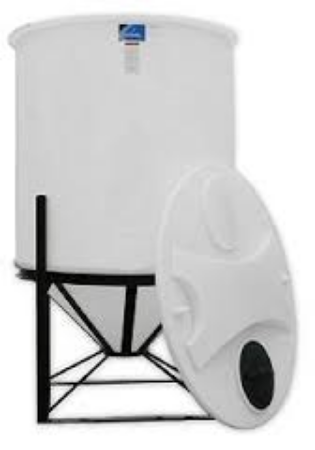 Cone Bottom Tanks - Open Top Plastic Tanks
 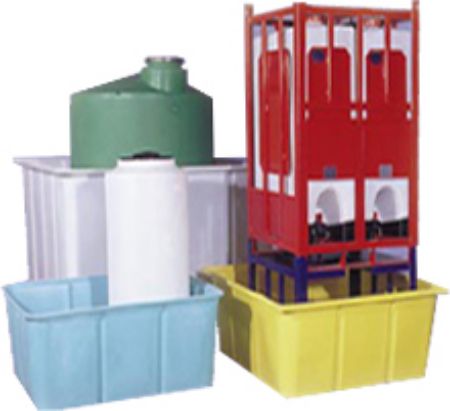 Secondary containment basins
 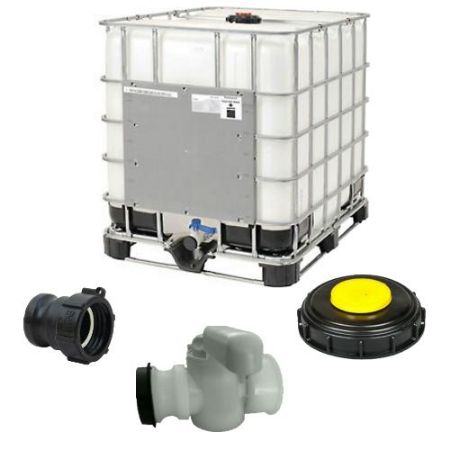 Cage Tank Parts (IBC Tote)
 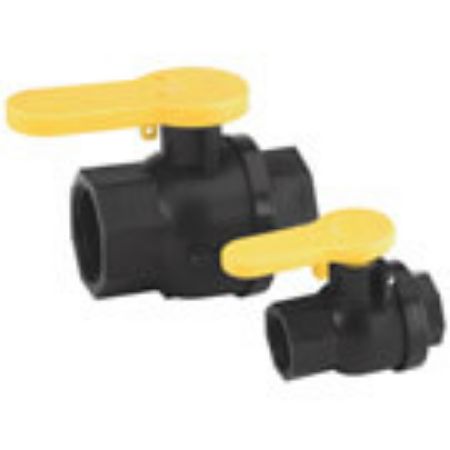 Polypropylene and PVC Ball Valves
 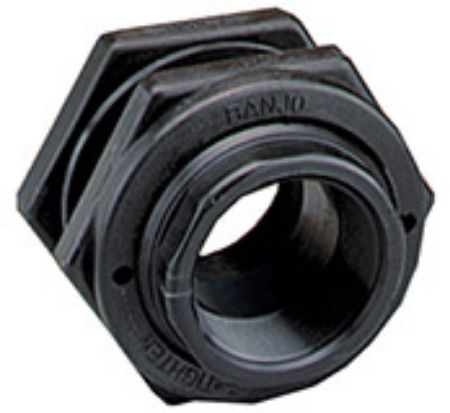 Polypropylene and PVC Tank Fittings
 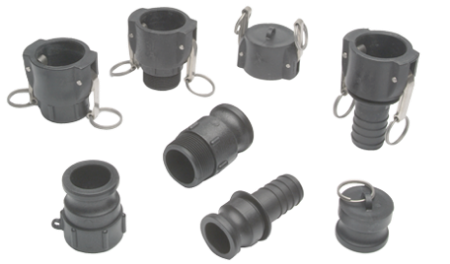 Camlock Fittings
 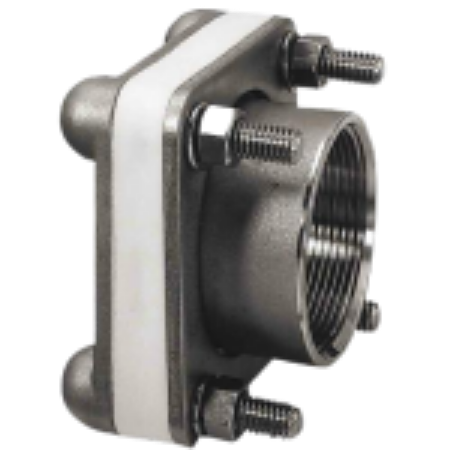 Stainless Steel Bolted Fitting
 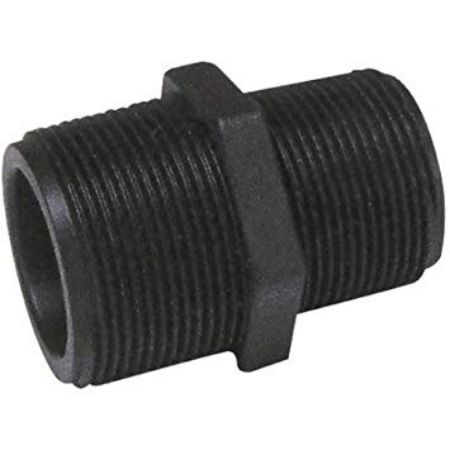 Polypropylene Threaded Reducer Nipples
 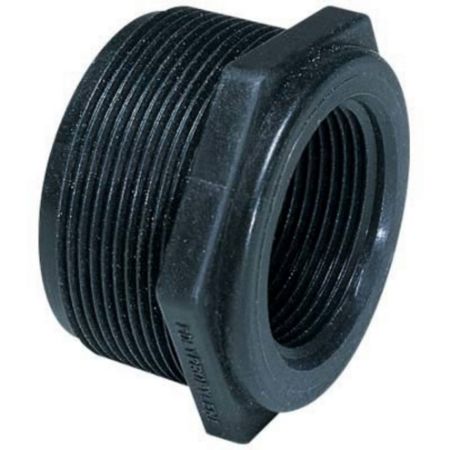 Polypropylene Threaded Reducer Bushings
 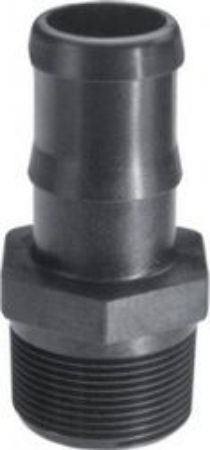 Hose Barb Fitting Adapter
 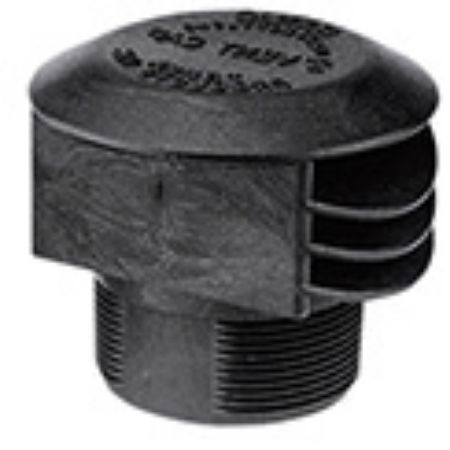 Vent Caps
 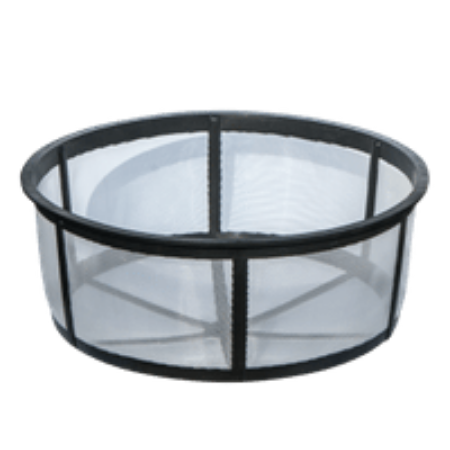 Filter Strainer Baskets
 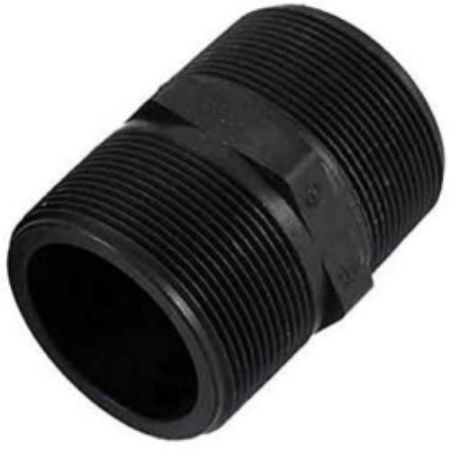 Threaded Pipe Nipples
 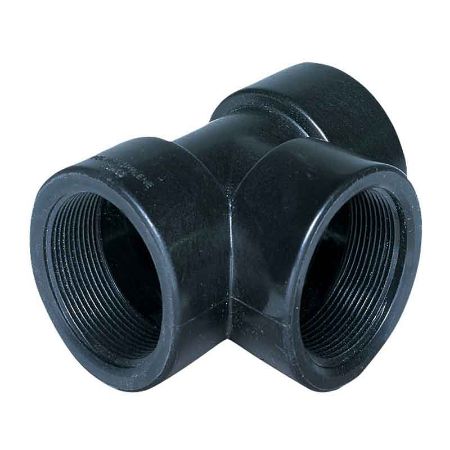 Polypropylene Tee Fitting, NPT Female Thread
 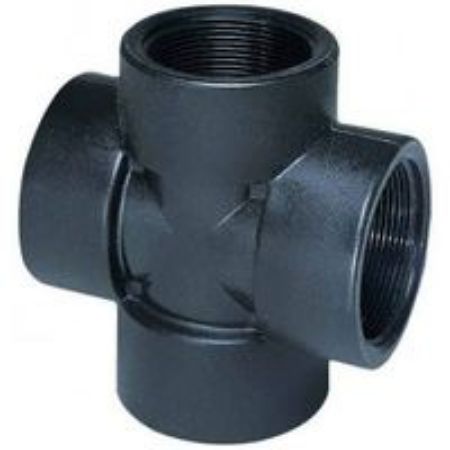 Polypropylene Cross Fitting, NPT Female Thread
 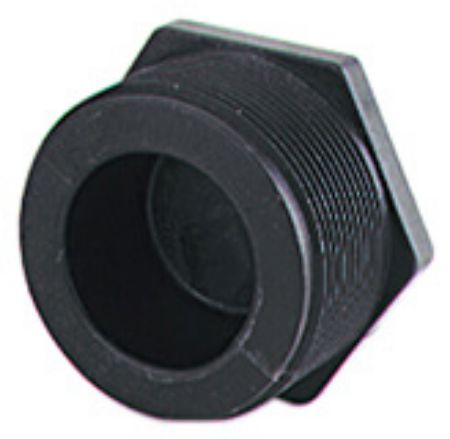 Drain Plugs
 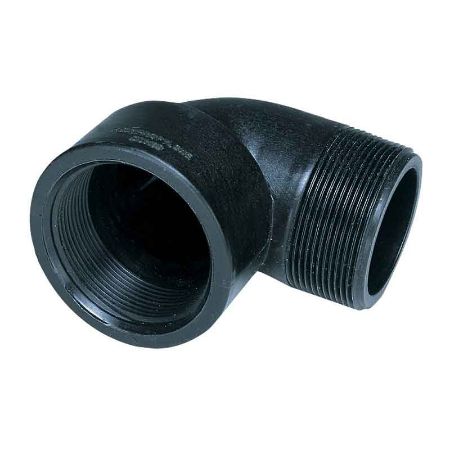 Elbow fittings
 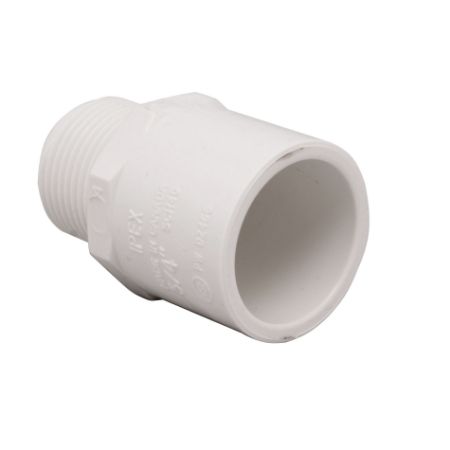 PVC Adapter, NPT Male Thread to Socket End
 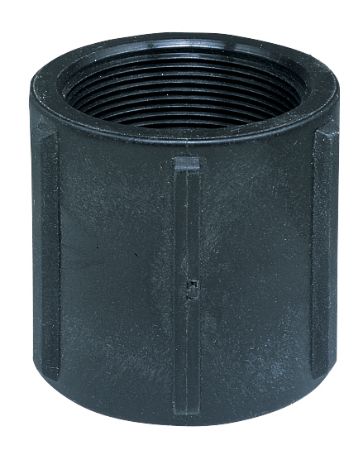 Polypropylene Threaded Pipe Couplings
  Closed Top Tank Lids
 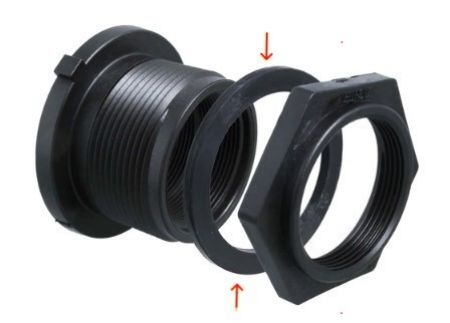 Replacement Gasket for Bulkhead Fitting
 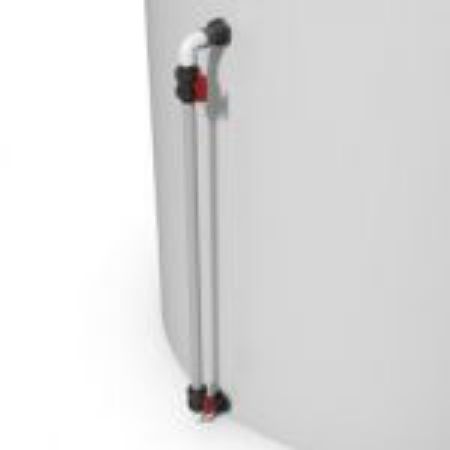 Level Indicator
  Miscellaneous accessories
 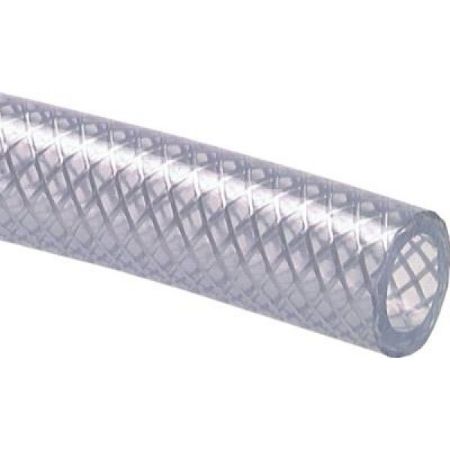 Potable Water Hoses
 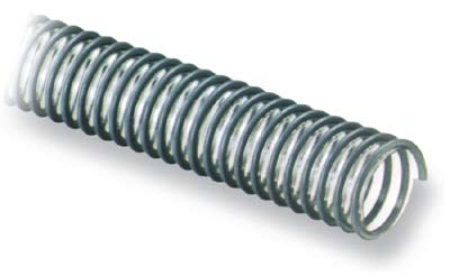 Liquid Suction and Discharge Hoses
 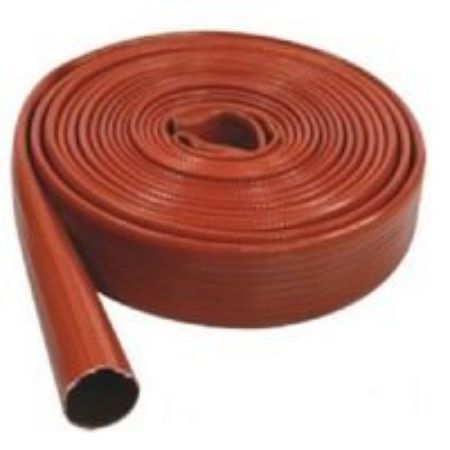 Liquid Discharge Hoses
  Assembled Liquid Discharge Hoses
  Fire Hose
 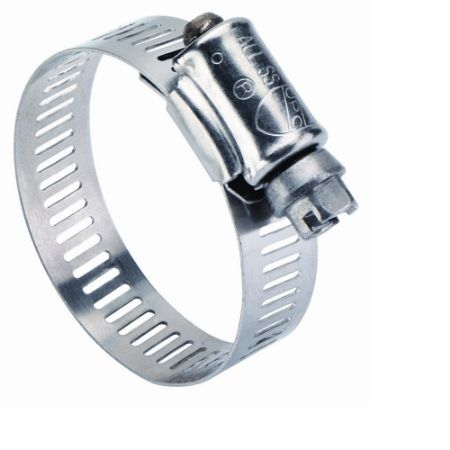 Hose Clamps
  Fire Hydrant Adapters for Quebec
 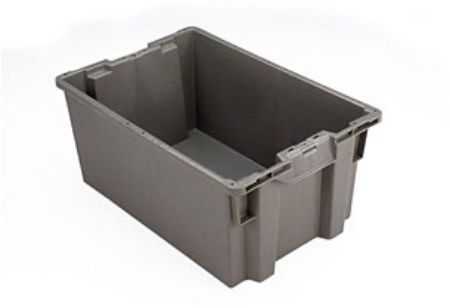 Food Grade Containers, Solid Walls and Bottom
 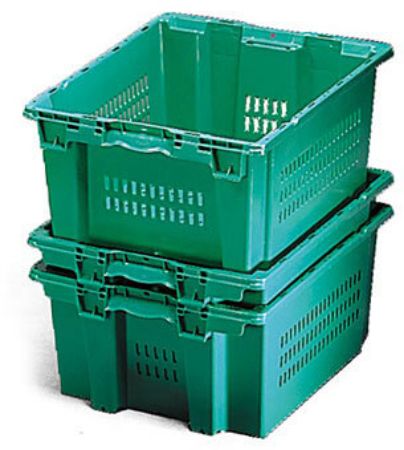 Food Grade Containers. Vented Walls and Bottom
 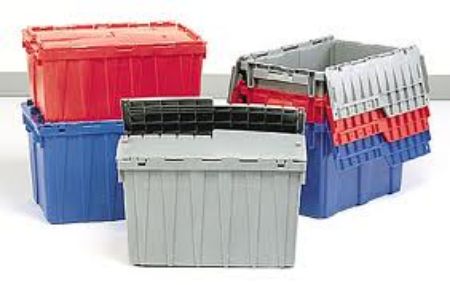 Attached Lids Plastic Containers
 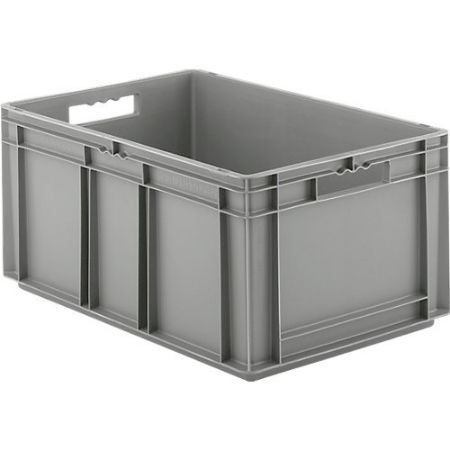 Industrial Plastic Containers, Solid Walls and Botton
 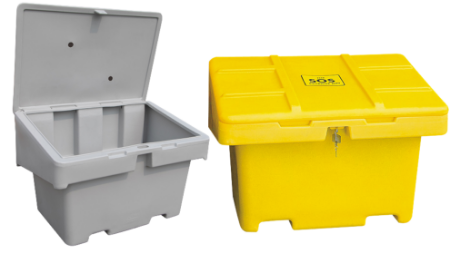 Sand and Salt Plastic Storage Bins
 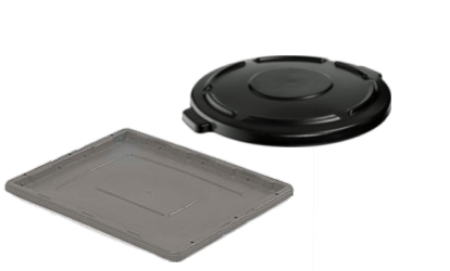 Containers - Lids and Covers
 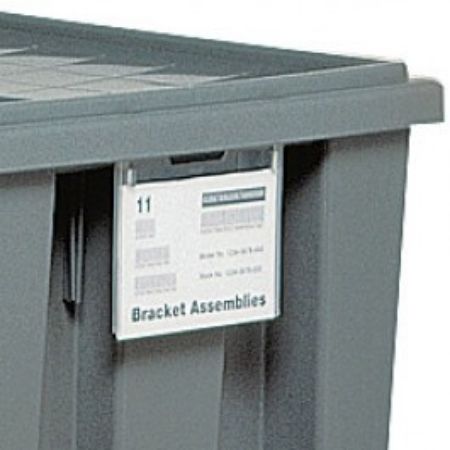 Containers - ID and Hot Stamp
 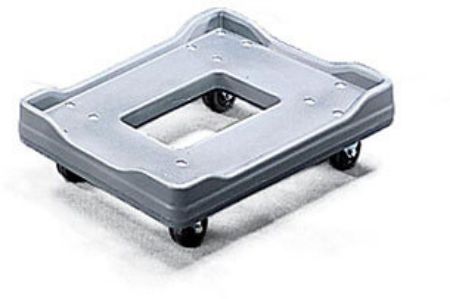 Containers - Dollies
 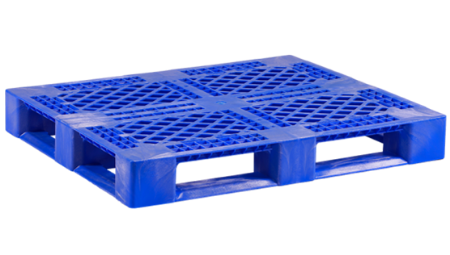 FDA Food Grade Plastic Pallets
 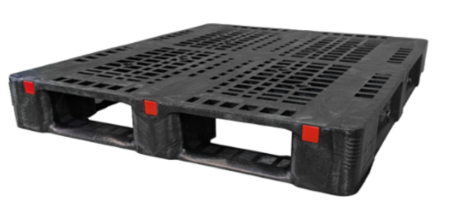 Industrial Plastic Pallets for Warehouse and Racking
 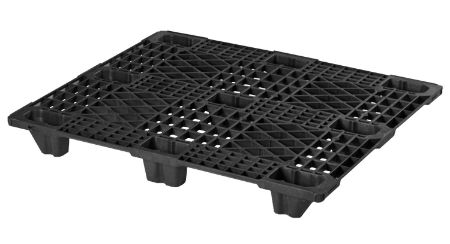 Export Plastic Pallet
 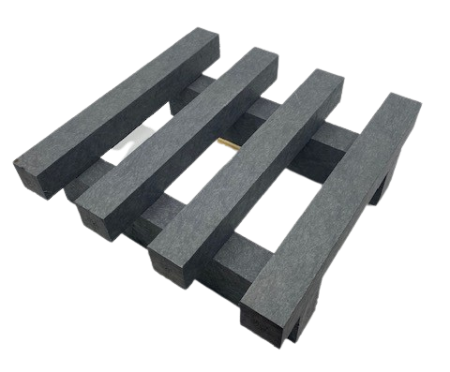 Display Plastic Pallets
 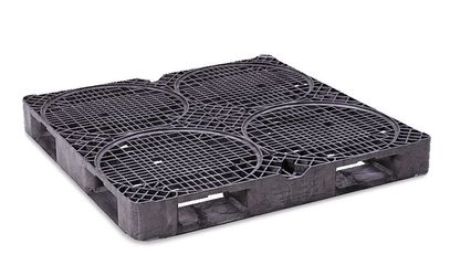 Drum Plastic Pallets
 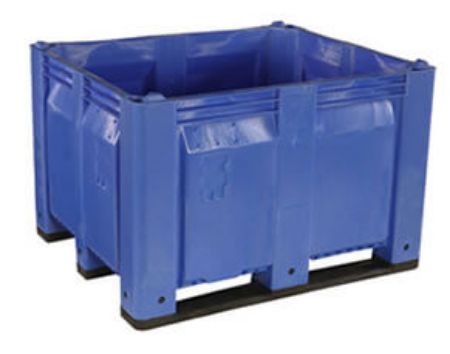 Plastic Pallet Boxes, Solid walls and Bottom
 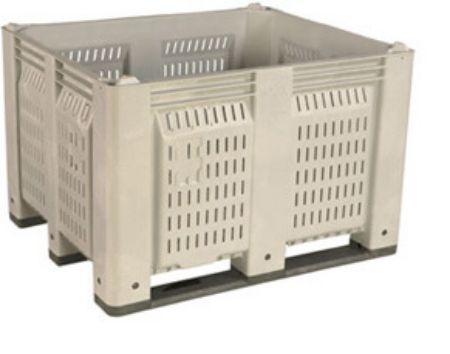 Plastic Pallet Boxes, Vented walls and Bottom
 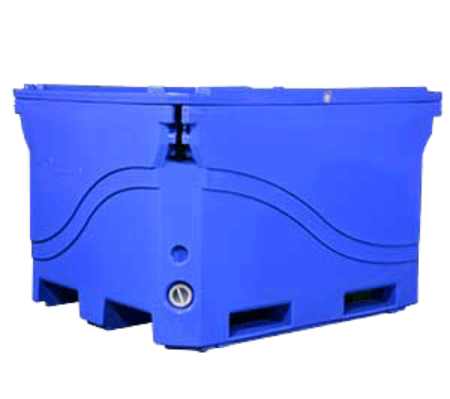 Insulated Plastic Pallet Boxes
 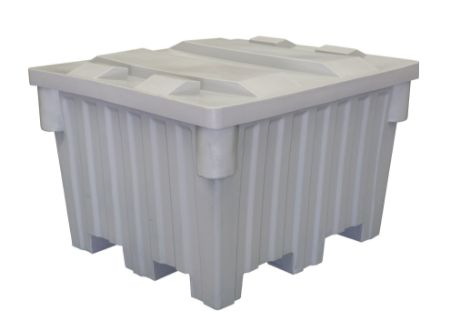 Tapered-wall Pallet Boxes
 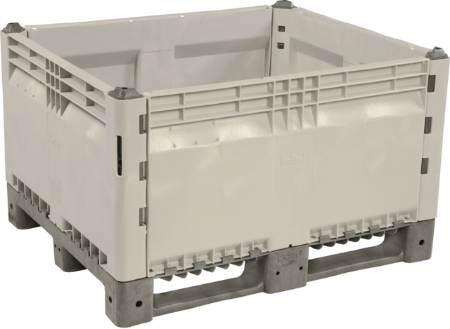 Removable walls Pallet Boxes
 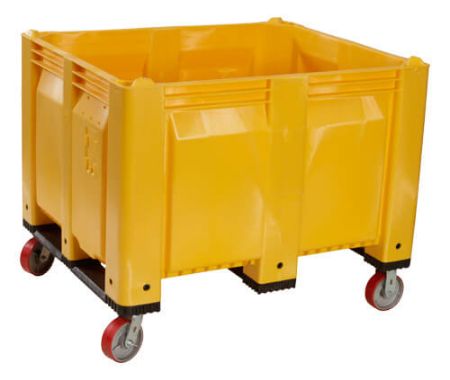 Pallet Boxes on Casters
 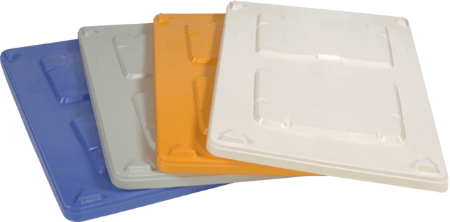 Lids - Pallet Boxes
 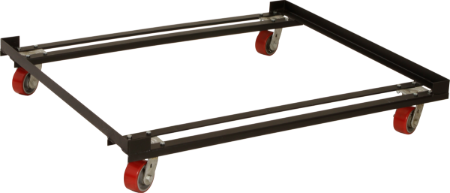 Pallet Boxes Bin Cart
 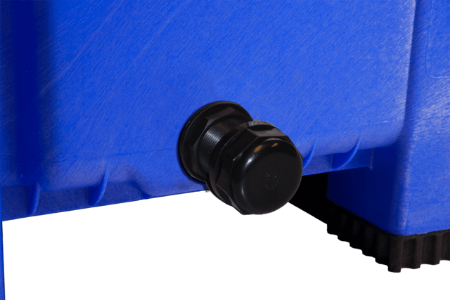 Drain Option for Pallet Boxes
 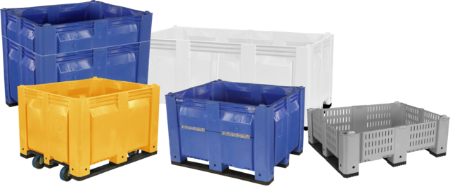 Custom Plastic Pallet Boxes
 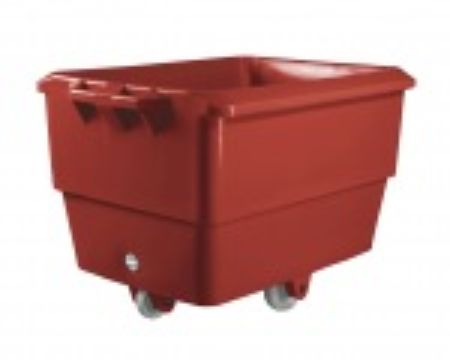 Food Grade Buggies - FDA Carts
 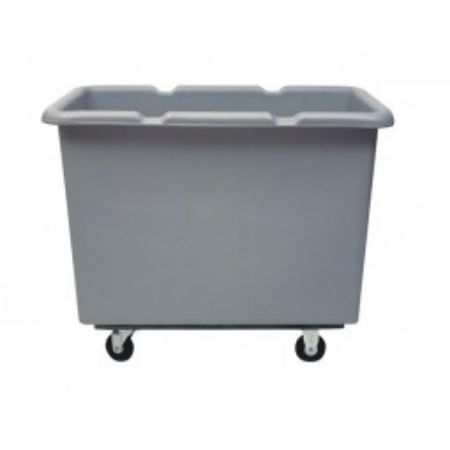 Industrial Poly-Box Trucks
 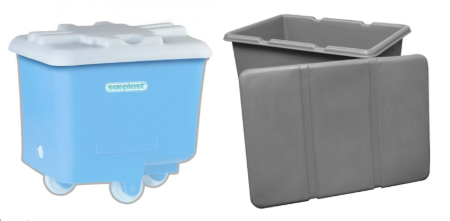 Carts Options and Accessories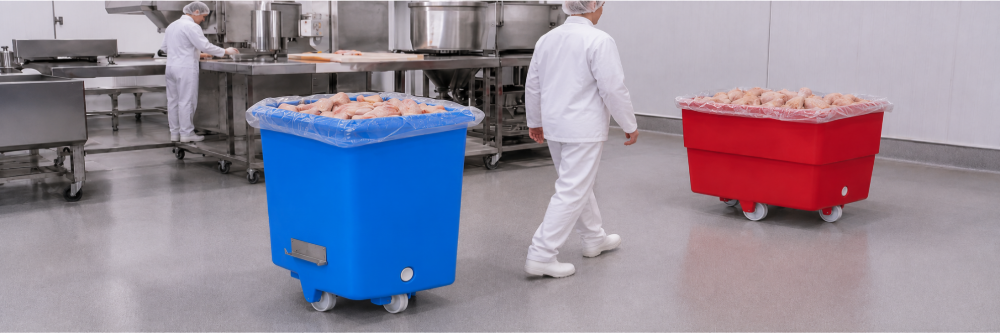
WHAT YOUR CARTS REVEAL ABOUT YOUR PLANT'S TRUE PRODUCTIVITY
The industrial food cart sitting in the corner of the plant, the one everyone has used without giving it much thought for years, often says more about your operation than any production report. Color-coding exists on paper: one cart for meat, another for liquids, another reserved for waste. But in the middle of a production rush, when the right cart is still at the wash station or tied up elsewhere, someone grabs whichever one is clean and available, regardless of color. It's only supposed to last one shift. Except this kind of exception tends to repeat itself, until it becomes a habit nobody questions anymore.
Yet this cart is never a secondary accessory. Its capacity, its wheels, the design of its walls, and its emptying method all directly affect how many times a product gets handled, how long a crew spends washing it, and how much residue stays trapped where no one notices until the next audit.
What makes this topic difficult is that there's never a single right answer. A cart that's perfect for fresh meat can become a problem with a dense liquid. A rugged stainless-steel model may be exactly right in one area and a poor fit in the next. Food-grade plastic solves certain pain points, but it isn't a universal solution either. Everything depends on the product, the environment, the frequency of use, and the real sanitation requirements involved.
That's exactly what this guide sets out to examine: not a surface-level comparison between two materials, but a full look at what internal transport truly demands in a Quebec food processing plant.
TABLE OF CONTENTS
- The Real Problem Isn't the Cart, It's the Production Flow
- What Is a Food-Grade Bin Cart?
- Why Internal Transport Is Critical in a Food Plant
- Real-World Uses in a Food Processing Plant
- Food-Grade Plastic or Stainless Steel: Which Should You Choose?
- Food Safety: FDA Compliance, HACCP, and Inspector Requirements
- Productivity: Where a Bin Cart Saves Time
- Ergonomics and Health & Safety
- How to Choose the Right Food-Grade Bin Cart
- Industrial Applications Outside Food Processing
- Common Mistakes to Avoid
- Why Choose Agrico Plastiques
- FAQ
The Real Problem Isn't the Cart, It's the Production Flow
Production is moving along in a food processing plant, but an employee is stuck in front of a swinging door with a cart full of wet material. One caster pulls to the left. He has to back up, reposition the cart, and take another run at the doorway. Behind him, another employee arrives carrying two bins by hand. A few feet away, an empty cart is still waiting to be washed because residue is stuck around the welds and under the lip.
The line hasn't stopped. No warning light is flashing. Yet the flow has just lost a few minutes, three employees have altered their path, and a clean container has been set down temporarily in a spot it wasn't meant for. This kind of scene repeats itself at raw material receiving, prep, mixing, cutting, cooling, packaging, and washing. Taken individually, each hiccup looks trivial. Added up over a shift, they become a production problem.
The industrial food cart is often treated as a simple container on wheels. Its volume and price get compared, and a model that seems sturdy enough gets picked.
That logic misses the essential point: the cart is part of the flow. It determines how many times material gets transferred, how much effort is needed to move it, where it sits waiting, how it's protected, and how long it takes to get the equipment back into circulation.
- A cart that's too heavy empty stays heavy on every trip.
- A size that's too small multiplies the number of trips.
- A size that's too large becomes hard to control once full.
So what capacity should you choose for a food-grade bin cart?
The right capacity rarely depends on the maximum volume printed on the spec sheet. It mostly depends on the product being transported, its actual weight once the cart is full, the route through the plant, and employees' ability to move the load safely.
To choose the right capacity, you need to confirm:
- The volume actually moved on each cycle.
- The weight of the contents once full.
- The density of the product, especially for liquids or semi-liquid products.
- The width of doors, aisles, coolers, and wash areas.
- The emptying method: drain, tipping, scooping, pumping, or manual transfer.
- The maneuverability of the cart when full, not just empty.
A larger cart can certainly reduce the number of trips, but it can also become too heavy, hard to maneuver, and slower to wash. On the flip side, a cart that's too small increases trips, transfers, and washings all at once, which isn't ideal if the goal is boosting productivity. The right size is the one that moves enough material to improve flow, without creating a load that's difficult to move, empty, or clean.
On the subject of cleaning, a design that traps water prolongs washing and drying. Poorly chosen wheels turn a simple move into a repetitive strain. Equipment doesn't need to break down to cost you money. It just needs to force small compensations on your crews every day.
So the right question isn't: which cart is the best?
It's: which equipment lets you move this material, in this environment, at this frequency, with the fewest transfers, risks, and wasted effort?
In many internal transport operations, a food-grade plastic bin cart can make more sense than a stainless-steel one. It's generally lighter, doesn't rust, cleans easily when well designed, moves without powered equipment, and can handle solid, liquid, or semi-liquid products depending on its configuration. That doesn't mean it replaces stainless steel everywhere. It means it deserves to be evaluated against the actual job that needs doing.
This guide looks at that job as a whole. The goal isn't to champion one material, but to reduce unnecessary trips, washing headaches, cross-contamination risks, and the true cost of internal transport.
What Is a Food-Grade Bin Cart?
A food-grade bin cart is a deep container mounted on casters, designed to move material through a plant, production kitchen, slaughterhouse, fish plant, bakery, or any other environment where hygiene and material handling matter. It's used to move raw materials as well as in-process ingredients, finished products, by-products, or waste. Depending on the model and accessories, it can hold solid, wet, liquid, or semi-liquid foods.
Can a bin cart be used for food waste?
Yes, a bin cart can be used for certain types of food waste, provided it's clearly dedicated to that purpose and suited to the material being moved. In a food plant, waste can include liquids, greasy residue, bones, heavy pieces, soiled packaging, or organic matter that requires frequent washing.
The key point is flow separation. A cart meant for waste should never accidentally end up back in a circuit used for raw materials, clean product, or ready-to-eat product. That calls for clear identification, a dedicated color where relevant, a defined route, a separate parking area, and a matching wash procedure.
Being food-grade doesn't automatically mean a cart is suited to every type of waste. Usage, load, washing, drainage, wheels, and durability all need to be confirmed before it's added to the flow.
Here's how a bin cart differs from related equipment:
- A food-grade bin is first and foremost a container. It can be carried by hand, stacked, or set on a compatible cart, depending on its size.
- A pallet box is built to be handled by forklift or pallet jack. It's better suited to larger volumes, stacking, and mechanized movement.
- A platform truck carries boxes, bins, or parts set on a flat surface. It doesn't directly hold bulk material or liquid.
- A stainless-steel cart can take many forms, from a welded tub to a specialized handling cart. Its suitability depends on temperature, process, product contact, and internal requirements.
- A non-food industrial cart can be rugged and mobile without its resin, surfaces, or design ever having been documented for food contact.
This last distinction matters a great deal.
The look of a white, gray, or blue plastic proves nothing about its suitability for food contact. Manufacturer documentation, intended use, and operating conditions all need to be checked. It's also important to separate the compliance of a resin or material from the overall compliance of an operation. A cart made from an appropriate material can still be misused, poorly washed, damaged, or moved into the wrong zone.
Agrico Plastiques offers bin carts designed for food-grade applications and industrial models for other environments. Some food-grade spec sheets reference CFIA and FDA requirements; the exact scope of these references should be confirmed in the model's documentation and against the intended use. As one example only, a spec sheet from the food-grade line features a 122-gallon model, rated for a maximum load of 1,000 lb, with smooth walls, a 2-inch drain, and nylon casters. This data doesn't automatically apply to other models. It does show the type of information worth requiring before choosing: usable volume, allowable load, wall design, emptying system, and wheel type.
Why Internal Transport Is Critical in a Food Plant
Too Much Handling Creates More Chances for Error
Every time food or an ingredient is transferred from one container to another, the product has to be handled, equipment has to be positioned, splashing or dust has to be controlled, and an extra surface has to be cleaned. This transfer may be necessary to the process. When it's only caused by a cart that's too small, incompatible with the next step, or impossible to empty properly, it adds an operation without adding value.
Too Many Transfers Increase Losses
A wet product that clings to the walls, a sauce that stays below drain level, or a powder that builds up in a corner represents a loss every cycle. Even if the amount seems small, it repeats. That residue then has to be removed during washing, which uses up time, water, and sanitizing agents.
Poor Equipment Slows the Line Without Causing an Official Stop
The slowdown hides in the waiting: an employee looks for a clean cart, a second one comes back because the first was too small, a supervisor temporarily approves a model from another zone, and washing then has to handle two units instead of one. None of these events is necessarily logged as a production stoppage. Yet they still reduce the shift's actual capacity.
Equipment That's Hard to Wash Becomes a Quality Risk
In Canada, requirements applicable to a food establishment place significant emphasis on the design, accessibility, cleaning, sanitation, maintenance, and inspection of equipment. Surfaces that may come into contact with food must, in particular, be capable of being kept in an appropriate condition. In practice, quality teams look for surfaces that are smooth, non-absorbent, intact, and free of cracks, pitting, or flaking that could trap residue.
Poor-Quality Wheels Turn Handling Into a Constant Strain
The wheels carry the full load and translate every floor irregularity straight into an employee's arms and back. Insufficient diameter, a material too hard for the surface, or bearings exposed to water can make a cart noisy, hard to start moving, or unpredictable in turns. On a wet floor, a wheel that doesn't hold its track increases the risk of collision with a door, a wall, or a person.
Real-World Uses in a Food Processing Plant
The same cart shouldn't be assumed suitable for every material. Water content, temperature, density, leak risk, product sensitivity, and emptying method all shape the choice. The application also determines whether the cart should stay open, take a lid, be color-coded, or be reserved for one zone.
Transporting Meat, Poultry, and Fish
Meat, poultry, and fish create a demanding combination: heavy loads, moisture, juices, fat, frequent washing, and tight control over movement between zones. The container must handle the actual load without becoming impossible to push. Its surfaces must allow visual inspection and full cleaning, including the bottom and around the drain if there is one.
For raw product, clear cart identification and a defined route are essential. Color can help distinguish the raw zone from the cooked or ready-to-eat zone, but it doesn't replace a procedure. You need to define who can use the cart, where it can travel, how it's washed, and how its clean status is confirmed before it goes back into service.
Transporting Dry Goods
Flour, sugar, spices, grains, powders, and dry ingredients bring their own set of constraints. The main concern isn't always drainage. It can be limiting dust, avoiding moisture, protecting against allergens, or preventing a fine ingredient from building up in seams and under lips.
A lid can make sense for a move between two zones, especially if the route passes near activities that generate water, dust, or debris. Just confirm it's easy to handle, has a set spot when it's removed, and doesn't become a second hard-to-track, hard-to-wash object. A poorly managed lid can shift the risk rather than reduce it.
Transporting Food-Grade Liquids
Sauces, marinades, brines, syrups, blends, and semi-liquid products can be moved in a food-grade bin cart when the model, material, drain, and operating conditions are a good fit. First confirm the cart is designed to hold the liquid without leaking and that the maximum load won't be exceeded. A liter of product doesn't always weigh a kilogram. The density of the mix needs to be known when the load is approaching the cart's limit.
The drain can speed up emptying and simplify rinsing, provided its diameter, position, and valve match the product. A thick sauce, a marinade with particles, and a thin brine don't flow the same way. You also need to plan for valve access, protecting the fitting from impacts, and how to collect the product without creating splashing.
Transporting Fruits and Vegetables
At receiving, sorting, washing, and processing, fruits and vegetables often go from dry and dirty to wet and fragile. The cart needs to protect the product from crushing, allow draining or hold water depending on the stage, and then be washed before switching to another use.
Transporting By-Products and Rejects
In many plants, by-products and rejects don't follow the same path as ingredients or product ready for further processing. They may come off a line, be routed to a recovery area, wait before washing, or be moved to disposal. The cart used for this material needs to be easy to recognize, simple to clean, and sturdy enough for the type of reject being carried.
The goal isn't just to move waste. It's to prevent waste carts from unnecessarily crossing into clean zones, or a cart reserved for rejects from being reused elsewhere by mistake. Clear identification, a dedicated spot, and a logical route reduce this risk without complicating the crew's work.
Can a bin cart be used for food waste?
Yes, a bin cart can be used for food waste, provided it's clearly dedicated to that purpose and suited to the type of material being moved. Food waste can include liquids, heavy pieces, bones, greasy residue, soiled packaging, or organic matter that requires frequent washing.
The most important point is separation. A cart used for waste should never accidentally end up back in a circuit used for raw materials, clean product, or ready-to-eat product. Plan for durable identification, a dedicated color where possible, a clear route, a separate parking zone, and a matching wash procedure.
You should also check the cart's durability against the actual waste being handled. A model may suit soft or liquid residue but be less suited to sharp pieces, very heavy loads, or hot product. Being food-grade doesn't automatically mean a cart suits every type of waste. Usage, load, washing, drainage, and wheels all need to be confirmed before it's added to the flow.
Before replacing an entire fleet, map out one critical route from loading to return after washing.
- 450-471-2772
- Fill Out the Form
Have the size and configuration validated based on that real-world route.
Food-Grade Plastic or Stainless Steel: Which Should You Choose?
Comparing food-grade plastic and stainless steel without discussing the application almost always leads to an oversimplified conclusion. Both materials can be the right fit. The best choice depends on temperature, product characteristics, how often the cart moves, the wash protocol, the physical effort placed on employees, and the standards already in place in the plant.
When Stainless Steel Still Makes Sense
Stainless steel remains the logical choice when the process involves high temperatures incompatible with the plastic being considered, when the material being moved requires specific compatibility, or when the cart needs to integrate with equipment built around a precise metal geometry. It can also be required by an internal spec, a customer, a validated protocol, or an audit constraint specific to the facility.
In some plants, stainless-steel carts are standardized with washers, lifting systems, tippers, or maintenance procedures. Replacing them just to lighten the equipment could create new compatibility issues. You need to consider the whole system, including parts, repairs, and already-validated cleaning habits.
When Food-Grade Plastic Becomes the Better Option
A food-grade plastic bin cart deserves close attention when manual moves are frequent, empty weight affects the effort required, washing happens regularly, and corrosion is a recurring irritant. A one-piece molded body, with smooth surfaces and accessible corners, can simplify rinsing and inspection. Plastic doesn't rust, which is useful in wet areas, but added components like axles, wheel mounts, and fasteners also need to suit the environment.
For solids, wet ingredients, and many liquids, a well-configured bin cart can advantageously replace certain stainless-steel carts used only for internal transport. The gain rarely comes from a single feature. It comes from the whole package: reduced empty weight, easier handling, a body that doesn't corrode, simpler washing, an available drain, and quick zone identification.
That said, the limits need to be acknowledged. Plastic can be scratched by tools or abrasive materials. Its strength varies with resin, thickness, temperature, and design. Certain chemicals, essential oils, solvents, or concentrated cleaners may be incompatible. A temperature that's fine for a short move isn't necessarily fine for prolonged contact. Manufacturer documentation and actual conditions need to be confirmed before use.
Food-grade plastic doesn't replace stainless steel everywhere, then. But it can very effectively replace stainless steel in many internal transport tasks where stainless steel adds weight and complexity without offering a useful benefit to the process. The decision has to be made station by station, not material against material.
Food Safety: FDA Compliance, HACCP, and Inspector Requirements
A clean cart isn't just one that looks clean. It needs to be washable using a repeatable method, inspectable in critical areas, sanitized when required, and dried or returned to service without holding onto residue. Food safety depends on the material, but even more so on the design, the equipment's condition, and how it moves through the plant.
FDA and HACCP Compliance: What Inspectors Check
During an inspection or a HACCP audit, a bin cart is treated like any other piece of food-contact equipment: it must be documented, traceable, and consistent with how it's actually used on the floor. The FDA regulates resins and materials that may come into contact with food, including processing equipment and prep surfaces. This compliance primarily concerns the material: it confirms the resin won't migrate harmful substances into the food, but it doesn't automatically certify the whole cart or its accessories (wheels, seals, valve, drain, lid).
In a HACCP program, the cart becomes a point to document in the hazard analysis and control measures: ease of cleaning and sanitizing, absence of cracks or porous surfaces that could trap residue, ability to empty completely, accessibility for inspection, compatibility with the cleaning products used, and clear separation between raw, cooked, allergen, and waste circuits. A HACCP inspector or auditor isn't just confirming the cart is "food-grade plastic": they're checking the model's spec sheet, the equipment's actual condition, the associated wash procedure, and how the plant prevents cross-contamination between zones.
In Quebec, these requirements come on top of those from MAPAQ and, depending on the product, the CFIA. Certification or compliance always needs to be confirmed on the spec sheet of the exact model being used, not assumed from the color or look of the plastic.
Documentation of Material and Use
Beyond FDA compliance of the resin, you need to request documentation relevant to the complete model and confirm that intended contact matches actual use. In Canada, applicable regulatory requirements, the preventive control plan, customer requirements, and any standards used should also be considered. A logo on a spec sheet never replaces validation by the quality team.
Smooth, Intact, and Accessible Surfaces
Smooth walls reduce the spots where material can build up and make it easier to run a brush or a jet across. Look beyond the large visible surfaces. The underside of the lip, the seam at the bottom, the area around the drain, the wheel mounts, and zones shielded by hardware are often more telling than the center of the bin.
The cart's condition should be part of the inspection. A crack, a deep gouge, warping, or a surface that's become rough can trap residue and make sanitizing harder. The cart needs to be pulled, repaired, or replaced according to a defined rule. Without a retirement criterion, equipment often stays in circulation until it's obviously unusable.
A Wash Protocol Suited to the Model
The protocol should specify water temperature, pressure, detergent, sanitizer, concentration, contact time, and rinse method according to applicable requirements. All of these variables can affect the material and its components. Excessive pressure aimed at a seal or a bearing can damage a part even if the cart's body holds up very well.
The Drain, the Valve, and Areas Where Residue Collects
A drain speeds up emptying for many liquids and can make washing easier, but only if it's well positioned and accessible. Its diameter needs to suit the viscosity and any particles. The valve should be removable or inspectable per the procedure. The fitting needs to be protected from impacts during moves and while parked.
Wheels Are Part of the Area That Needs Cleaning
Wheels travel through clean, wet, cold, and sometimes soiled areas. They pick up fibers, packaging debris, organic matter, and floor residue. Their design needs to allow inspection and cleaning. The material of the wheel, hub, mount, and bearings needs to match the water, sanitizing products, and wash frequency involved. On some stainless-steel carts, the wheels, axles, or bearings may need periodic maintenance like re-greasing. On plastic bin carts, the body itself generally needs little upkeep, but wheels, mounts, valves, and accessories still need to be inspected based on use.
Color-Coding and Flow Separation
A color can reserve a cart for raw meat, cooked product, allergens, waste, or a specific zone. This visual control works well when it's simple and consistent. It should be reflected in procedures, training, signage, and the replacement plan. If a color is no longer available and a one-off purchase introduces a different model, the team needs to know how to handle the exception.
The Lid and Storage Between Cycles
A lid can protect the contents from splashing, dust, or accidental contact. Check whether it actually closes at the level of protection needed, whether it can withstand washing, and where it will be placed when removed. A lid set down on the floor and then put back on a clean cart creates an obvious gap.
Productivity: Where a Bin Cart Saves Time
The productivity gain isn't the number of liters printed on the spec sheet. It's the number of operations removed from the workflow. A bigger cart doesn't improve anything if it becomes too heavy to move, doesn't fit through a doorway, or slows down emptying. Conversely, a well-chosen size can eliminate several trips and avoid transfers.
Fewer Trips, Without Creating an Unmanageable Load
The first possible gain comes from consolidation. If three small containers are needed for the same step, one bin cart may allow a single trip instead. Still, you need to calculate the full weight and the effort needed to get it moving. The right volume is the one an employee can move and control on the actual route, not the largest volume offered.
Less Transferring and Manual Lifting
When the same cart can receive the material, move it, and empty it at the next step, an intermediate handling step disappears. This cuts down on bins to lift, surfaces to wash, and chances for spills. A drain can allow direct emptying for certain liquids, while a lifting or tipping system may be required for other products.
A Faster Return to the Circuit
The cart's cycle time includes washing and drying. Accessible walls, a functional drain, and a design that doesn't trap water can shorten the time before it's back in service. This can let you meet demand with fewer units, provided wash capacity keeps pace with production.
Less Searching and Improvising
Standardization cuts down on time wasted hunting for "the right cart." That doesn't mean forcing a single model everywhere. It means limiting variants to those that serve clearly different functions, then identifying them clearly. One model for liquids, one for dry material, and one for waste can be more effective than a collection of nearly identical sizes with no defined role.
When the system works, employees no longer need to negotiate equipment every shift. The clean cart is in the right place, it moves through the route, it empties as expected, and it comes back to washing without creating an exception. That's often the best indicator of success: the equipment stops being a topic of conversation.
Ergonomics and Health & Safety
A wheeled cart reduces manual carrying, but it doesn't eliminate ergonomic risk. Pushing, pulling, starting, stopping, and turning a load all require effort that varies with total weight, floor condition, slope, wheels, and posture. A high mechanical capacity doesn't mean one person should be moving that load alone.
Empty Weight and Loaded Weight
Empty weight repeats on every cycle, including when the cart comes back from washing. Reducing this weight can lower the effort involved, particularly on frequent routes. Full weight, though, remains the dominant factor. It should be based on the maximum quantity actually expected and the density of the contents.
Loading and Unloading Height
A lip that's too high can force employees to raise their arms or tip bins over the top of the container. A bin that's too deep can force significant bending to retrieve the last of the product. The ideal height depends on how the cart is filled and emptied. A filling machine, a table, a conveyor, and manual loading each call for different criteria.
Wheels, Thresholds, and Turns
Wheel diameter affects how easily the cart crosses joints, thresholds, and small debris. The material affects noise, rolling resistance, grip, and compatibility with cleaning products. Wheel configuration affects the path: four swivel casters offer great maneuverability but can require more control in a straight line; a mix of fixed and swivel casters can stabilize the path while needing more room to turn.
Wet Floors and Noise
A wet floor changes the employee's footing and sometimes the wheels' grip too. The risk comes as much from the person losing their footing as from the cart shifting. Routes should avoid unnecessary slopes, cluttered areas, and crossings with forklifts. When these constraints can't be eliminated, wheel choice and traffic rules become more important.
Noise is a useful indicator. A cart that bangs on every joint, or whose wheels vibrate, tires out employees and adds to ambient noise. Replacing just the caster doesn't always solve the problem if its diameter or material stays unsuited. You need to address the combination of wheel, load, and floor together.
How to Choose the Right Food-Grade Bin Cart
The choice should start with an application sheet, not a catalog. This sheet describes the product, volume, weight, route, washing, and space constraints. It then lets you compare models on identical data.
| Criteria | Question to Ask |
|---|---|
| Product Transported | Is it dry, wet, liquid, hot, abrasive, greasy, an allergen, or destined for waste? |
| Volume | How many liters are actually moved per cycle, and what overflow margin should be kept? |
| Load | What's the maximum weight of the contents, including actual density and the cart's own weight? |
| Washing | What temperature, pressure, chemicals, and wash frequency will be used? |
| Drain | Do you need to drain the product, the wash water, or both, and what diameter fits? |
| Wheels | What material, diameter, mount, brake, and resistance level suit the floor and the load? |
| Color | Is a visual separation needed for zones, products, allergens, or waste? |
| Lid | Does the content need protection from splashing, dust, or contact during the route? |
| Space | Does the cart fit through doors, aisles, elevators, coolers, and wash areas? |
| Integration | Does it need to work with a tipper, filler, table, scale, or other equipment? |
1. The Product Being Transported
This is the criterion that eliminates the wrong choices fastest. You need to know the exact nature of the material, its minimum and maximum temperature, its viscosity, its density, whether it's abrasive, and what else comes with it. For a food product, specify the type of contact, the duration, and the sanitation protocol. For waste, check for sharp pieces or cleaning products mixed in.
The costly trap is describing the application with too broad a word, like "meat," "liquid," or "ingredients." A thin brine, a hot sauce, and a marinade with chunks don't impose the same constraints. The more precise the description, the less the choice depends on guesswork.
2. The Actual Weight Once Full
The cart's load limit needs to exceed the actual expected load, factoring in conditions and applicable safety margins. You need to calculate the weight of the contents and add the cart's own weight. For liquids, density is essential. For solids, measure or estimate from reliable data, then confirm with a trial run.
The trap is choosing based on volume alone. Two carts of the same liter capacity can carry very different loads depending on the material. A model rated for 1,000 lb doesn't automatically authorize a manual move of 1,000 lb. Stability, floor conditions, wheels, and health and safety rules can impose a much lower operational limit.
3. The Complete Route
Measure the usable width of doorways, not just their nominal opening. Account for handles, wall guards, curtains, thresholds, and turning space. Check slopes, floor drains, joints, crossing points, and the parking location.
The trap is validating only the starting point. A cart can fit into the production room and then get stuck in front of the washer, the elevator, or the cooler. The route needs to include the return trip empty and handling after washing.
4. Wheels and Maneuverability
Wheel load capacity needs to match the total weight, with a margin for impacts and floor irregularities. The material needs to withstand water, cleaners, cold, and any contaminants present. Diameter should support smooth rolling without making the cart too tall. Brakes and fixed versus swivel configuration should be chosen based on slopes and turns.
The trap is treating wheels as a minor part that can be swapped out later. A poor configuration can make the cart unusable even if the bin itself is perfect. Changing the diameter can also change height, stability, and compatibility with other equipment.
5. Washing and Drainage
Ask how the cart will be rinsed, scrubbed, sanitized, drained, and dried. Check access to hidden surfaces and the durability of every component. If a drain is needed, specify the product, flow rate, particles, valve, and downstream connection.
The trap is adding a drain without studying how it will be cleaned. A complex or poorly positioned fitting can become the hardest spot to inspect. On the flip side, skipping the drain can force manual tipping of a heavy load or extend emptying time on every cycle.
6. Temperature and Compatibility
The temperature of the product, the room, washing, and storage all need to be known. A cart used in a cooler and then washed with hot water goes through swings. The resin, wheels, seals, and valve can each have different limits. Chemical compatibility needs to cover both the contents and the cleaning products.
The trap is asking only whether the cart "works in the cold" or "handles hot water." You need documented ranges and conditions for the specific model. Brief exposure isn't the same as continuous contact, and the body's resistance doesn't guarantee the same for the accessories.
7. Lid, Color, and Identification
These elements support flow control. The lid needs to offer the required level of protection and be manageable during washing. Color needs to follow a simple legend. Identification needs to withstand water and stay legible without creating a surface that's hard to clean.
The trap is multiplying options without a procedure. Too many colors, temporary labels, and interchangeable lids create ambiguity. Every distinction needs to map to a clear operational decision.
8. Integration With Equipment and Service Life
If the cart needs to be weighed, lifted, tipped, automatically filled, or placed under a table, its dimensions and contact points need to be confirmed. Written approval from the equipment manufacturer or supplier may be needed. Field modifications should be avoided when they affect structural or sanitary surfaces.
Cost should be assessed over the full service life: purchase, wheels, repairs, wash time, transport time, product loss, spare units, and replacement frequency. The cheapest model can remain economical if it meets the need. It becomes costly when it multiplies handling steps or regularly goes out of service.
To validate an application, prepare the exact product, full weight, route dimensions, wash protocol, and wheel type you're looking for.
- 450-471-2772, option 1
- Fill Out the Form
Compare models on this data rather than on price alone.
Industrial Applications Outside Food Processing
The bin cart concept extends well beyond food processing. In an industrial laundry facility, it can move dry, wet, or soiled linens, provided volume, wheels, and flow separation are properly matched. In a hospital setting, strict internal rules may govern materials, zones, and cleaning; a food-grade model isn't automatically a hospital-grade one.
In textiles and manufacturing, these carts are used to move parts, components, scraps, or bulk material. The main risk may be abrasion, sharp edges, point loads, or electrostatic discharge. A cart designed for wet food isn't necessarily suited to heavy metal parts.
In distribution centers, they can support sorting, returns, restocking, or moving packaging. In construction, they can carry light tools, materials, or debris, but uneven floors and impacts call for different wheels and structure than a plant with smooth flooring.
The value of looking beyond food processing is a reminder of a simple rule: the word "industrial" doesn't describe an application on its own. You still need to know the material, the load, the floor, the frequency, the washing, and the safety constraints. A food-grade model can offer easy-to-clean surfaces without being necessary for a non-food material. Conversely, an economical industrial model shouldn't be introduced into food contact without proper documentation.
Common Mistakes to Avoid
Buying Based on Price Alone
Purchase price is visible and easy to compare. Minutes lost during washing, extra trips, and replaced wheels aren't. The comparison needs to cover a full usage cycle and the expected service life. You shouldn't over-equip a simple task, but you also shouldn't cut corners on the one feature that eliminates a daily headache.
Choosing Too Small to Make Handling Easier
A small cart may seem easier to handle but ends up multiplying trips and containers to wash. The right compromise sits between production capacity and the load an employee can control. A trial with the actual material is more reliable than a visual estimate.
Choosing Too Large to Cut Down on Trips
The opposite reasoning creates other problems: excessive weight, overflow, hard turns, and painful retrieval at the bottom. The largest cart isn't the most productive one if its fill level then has to be limited or it requires two people.
Ignoring the Weight of the Contents
Liter capacity doesn't protect against overloading. Dense liquids, compacted ingredients, and wet materials can quickly reach the limit. The calculation needs to be documented and communicated to crews through a maximum fill level or a weighing method when necessary.
Neglecting the Wheels
A sturdy bin mounted on unsuitable wheels remains a bad cart. Diameter, material, capacity, bearings, brakes, noise, washing, and replacement parts all need consideration. Preventive inspection keeps employees from compensating for a degrading wheel over the long run.
Forgetting the Drain or Adding One Without Analysis
Without a drain, certain liquids require difficult tipping. With a poorly designed drain, particles block flow or residue builds up. The choice needs to start with the product and the emptying method. The drain's location also needs to be protected from impacts.
Buying a Model That's Hard to Wash
Large smooth walls catch the eye, but the details determine wash time. Inspect the edges, seams, underside, wheels, and drain. Ask how the cart will be positioned and dried. A wash trial often reveals more than a spec sheet.
Mixing Up Food Carts and Waste Carts
Mix-ups can happen when a cart is missing, a color is misread, or clean equipment is stored in the wrong spot. Separation needs to be physical, visual, and procedural. Exceptions need to be managed, not silently tolerated.
Assuming All Plastics Are Food-Grade
Color and appearance don't prove compliance. You need to check the model's documentation and the contact conditions. An industrial container doesn't become food-grade just because it's new or easy to wash.
Comparing Only Purchase Cost
The real cost includes handling time, washing, product loss, repairs, parts, spare units, and service life. A more expensive model at purchase isn't automatically more profitable. It needs to remove a real cost or risk to justify the difference.
Not Measuring the Actual Space
A few inches can prevent a turn, block a door, or make a wash area impractical. Measure the route with both permanent and temporary obstacles. Also check the storage space for clean and dirty carts.
Why Choose Agrico Plastiques
A supplier's real value isn't confirming the requested model too quickly. It's checking whether the request actually describes the need. A buyer might ask for "a 100-gallon cart" because that's the format already in use, when the real issue lies with the wheels, the height, or the drain. Revisiting the application sometimes allows you to keep the size and correct only the configuration. In other cases, it shows that a bin cart isn't the right piece of equipment at all.
Agrico Plastiques offers food-grade bin carts and industrial carts, along with complementary equipment like lids, drains, bins, pallet boxes, and pallets. This range makes it possible to compare several ways of moving material rather than forcing every application into a single type of container.
Selection should always start from the product, the load, the washing, the wheels, and the space available. When data is missing, the responsible answer is to gather it before confirming anything. For an operating temperature, chemical compatibility, or integration with equipment, validation with Agrico Plastiques may be required.
Agrico's transactional site allows, depending on the product and availability, access to detailed information, requesting a quote, or ordering online with shipping calculated. Some pages also indicate options for expedited shipping or pickup for orders received before a specified time. These conditions should be confirmed on the product page or at the time of order, since they vary by stock, customization, and delivery location.
The best outcome isn't replacing every stainless-steel cart with plastic. It's keeping stainless steel where it meets a real constraint, using food-grade plastic where it simplifies internal transport, and removing models that force crews to compensate. A good decision shows up in the flow: fewer transfers, less waiting, predictable washing, and moves employees can control.
FAQ
What Cart Should You Use to Transport Meat in a Food Plant?
A bin cart designed and documented for food-grade use can be suitable for transporting meat when its load capacity, surfaces, operating temperature, wheels, and wash protocol match the application. You need to account for juices, fat, sanitation frequency, separation between raw and cooked product, and the height needed to reach the bottom. Color-coding can support zone separation, but it needs to be built into a procedure. For hot, frozen, bone-in, or tipper-handled meat, specific validation is required.
Can a Plastic Bin Cart Replace a Stainless-Steel Cart?
Yes, in many internal transport tasks, but not automatically. Food-grade plastic can make more sense when empty weight, corrosion, frequent washing, manual handling, color-coding, or adding a drain are priorities. Stainless steel remains relevant for certain high temperatures, certain products, integrated equipment, or specific internal standards. The two options need to be compared on the same route, with the same contents, and the same wash protocol.
What's the Difference Between a Food-Grade Cart and an Industrial Cart?
A food-grade cart needs to be designed and documented for the intended food-contact conditions, with surfaces and a design compatible with the cleaning and inspection the application requires. An industrial cart may be intended for parts, textiles, waste, or other materials without food-contact documentation. Color or appearance isn't enough to tell them apart. You need to check the manufacturer's spec sheet, the resin, the operating limits, and the components.
Can You Transport Liquids in a Food-Grade Bin Cart?
Yes, if the model is designed to hold the liquid and its maximum load, compatibility, temperature, stability, and emptying method all fit. The liquid's density needs to be factored in, since the cart can hit its weight limit before it's actually full. You also need to keep an overflow margin, account for how the liquid moves during turns, and choose a drain suited to the viscosity and any particles.
How Do You Clean a Food-Grade Bin Cart?
Cleaning needs to follow the facility's program and the manufacturer's recommendations. That means removing residue, washing all accessible surfaces, paying attention to the drain, edges, underside, and wheels, rinsing and sanitizing as required, then checking condition and cleanliness before returning it to service. Temperature, pressure, chemicals, and their concentration need to be compatible with the cart. A generic procedure doesn't replace validating the model and the food-safety risk.
What Type of Wheel Should You Choose for a Wet Food Environment?
There's no universal wheel material. The choice depends on load, diameter, floor type, slopes, noise, wash frequency, chemicals, cold, and the corrosion resistance of mounts and bearings. Nylon can be durable and easy to wash on some smooth floors, but harder and noisier. A softer wheel can improve rolling while presenting other limits. A loaded trial on the actual route is recommended.
Are Bin Carts Suited to Coolers and Freezers?
Some models can be, provided the manufacturer confirms the operating temperatures for the body, wheels, seals, and accessories. You need to account for product temperature, exposure duration, cold impacts, and any transition to hotter washing afterward. Plastic and its components don't all react the same way. The label "food-grade" alone doesn't confirm freezer suitability; the specific type of plastic needs to be validated.
How Do You Prevent Cross-Contamination With Handling Carts?
You need to define carts or cart families by zone and function, use durable identification, separate clean and soiled routes when necessary, control washing, and plan storage for clean equipment. A simple color code can reinforce these rules. You also need to train every shift, manage damaged carts, and keep spare units on hand so a shortage doesn't push crews to borrow a model from an incompatible zone.
Are you still moving ingredients, meat, liquids, or waste in carts that are heavy, hard to wash, or poorly suited to the job?
- 450-471-2772, option 1
- See Food-Grade Bin Carts
- See Industrial Bin Carts
- Fill Out the Form
Let's compare the food-grade bin cart, the industrial cart, or any other equipment suited to your plant's reality.