

Selling only
in Canada
Plastic Storage Tanks
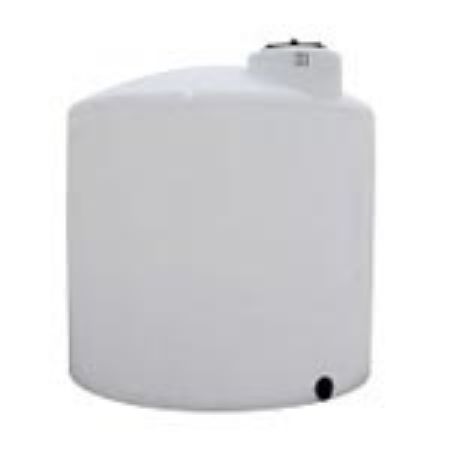 Vertical Closed Top Storage Tanks
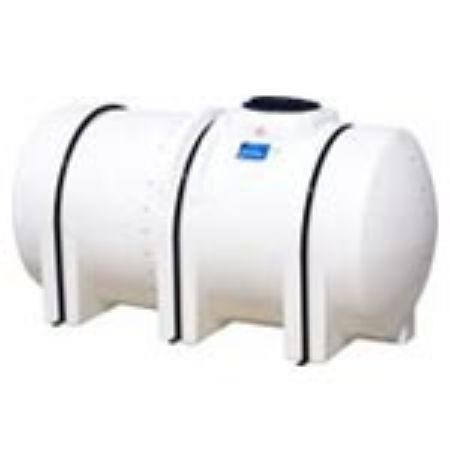 Free Standing Horizontal Tanks
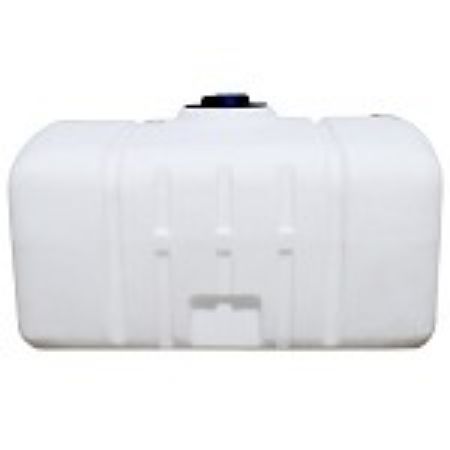 Rectangular Utility Tanks
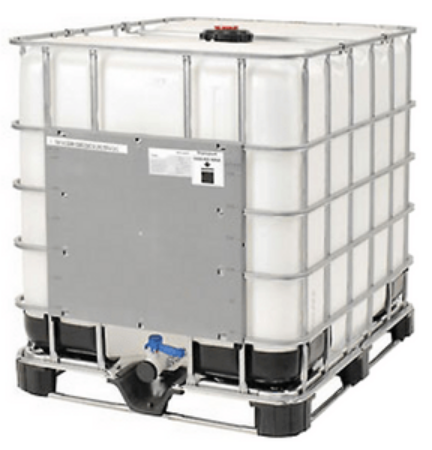 1000 Litre IBC Tanks (Cage Tote)
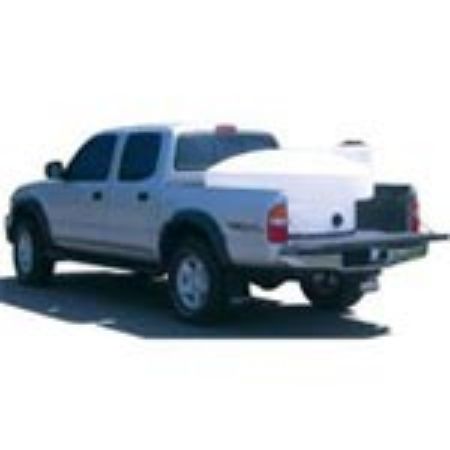 Pick up Tanks
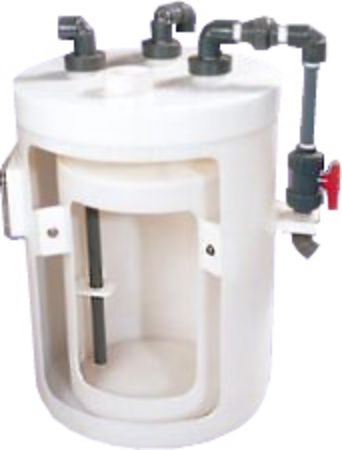 Double Wall Tanks
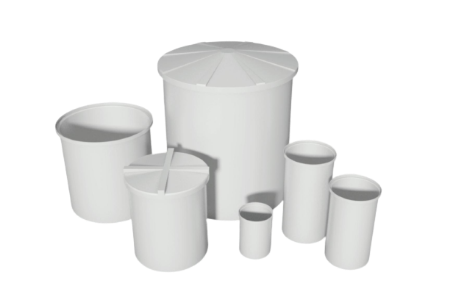 Vertical Open Top Storage Tanks
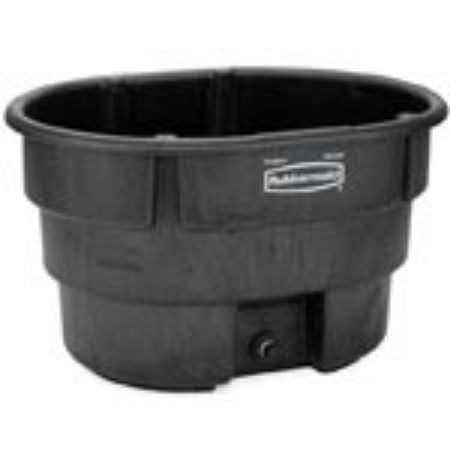 Plastic Water Stock Tank
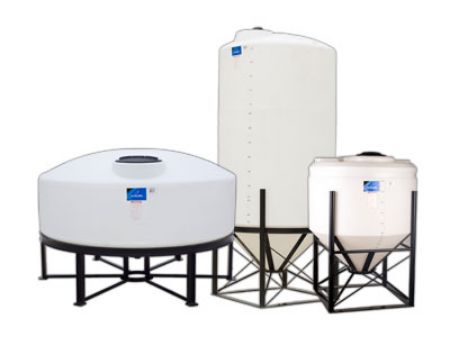 Cone Bottom Tanks - Closed Top Plastic Tanks
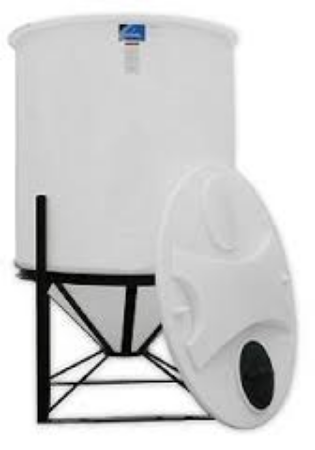 Cone Bottom Tanks - Open Top Plastic Tanks
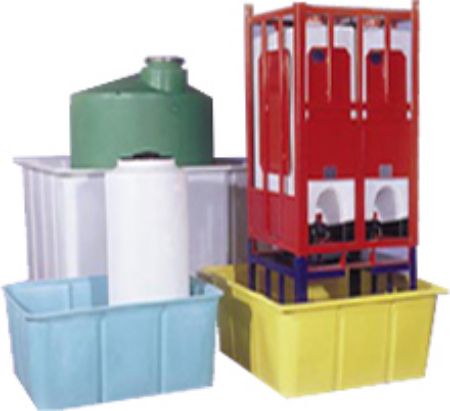 Secondary containment basins
Tank Fittings and Accessories
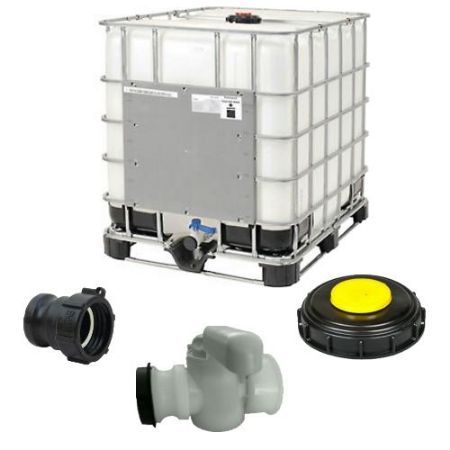 Cage Tank Parts (IBC Tote)
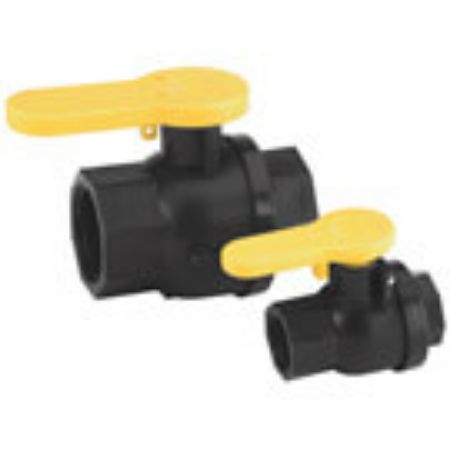 Polypropylene and PVC Ball Valves
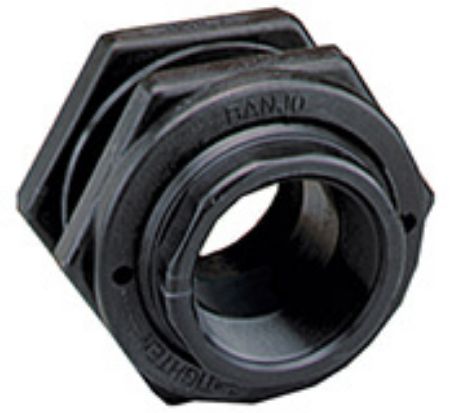 Polypropylene and PVC Tank Fittings
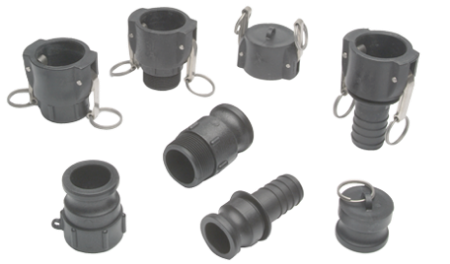 Camlock Fittings
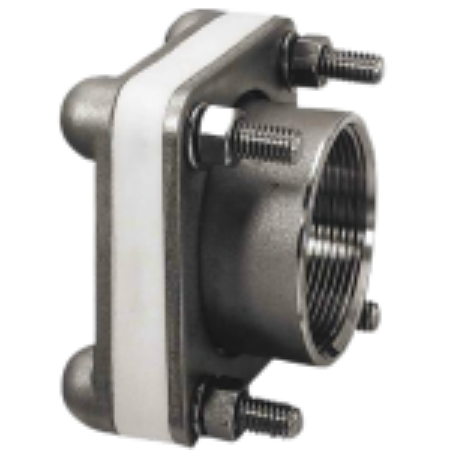 Stainless Steel Bolted Fitting
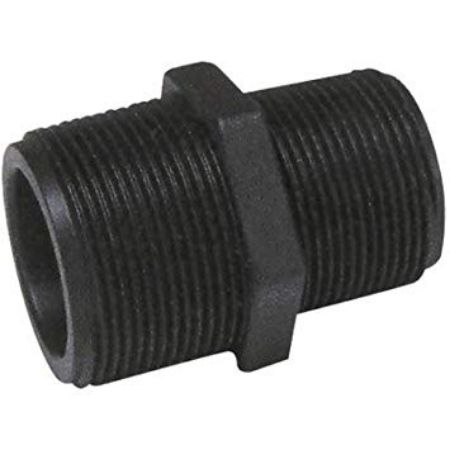 Polypropylene Threaded Reducer Nipples
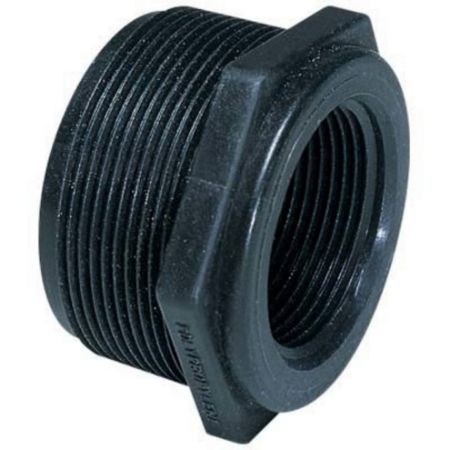 Polypropylene Threaded Reducer Bushings
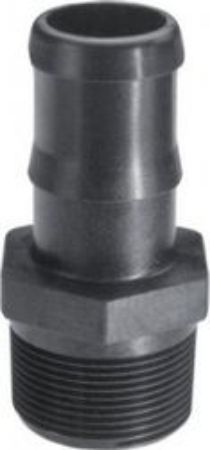 Hose Barb Fitting Adapter
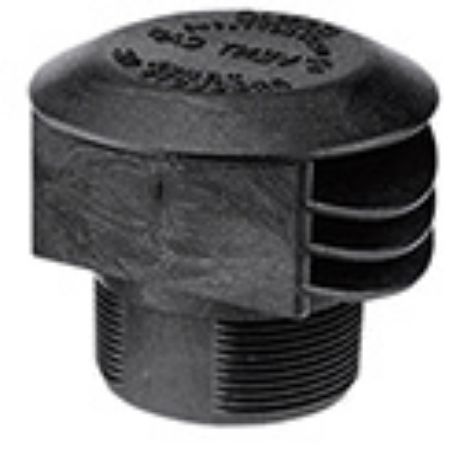 Vent Caps
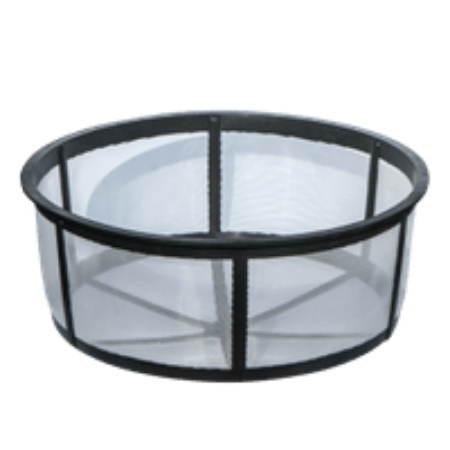 Filter Strainer Baskets
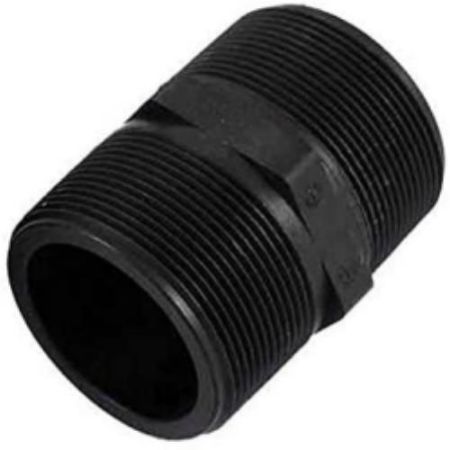 Threaded Pipe Nipples
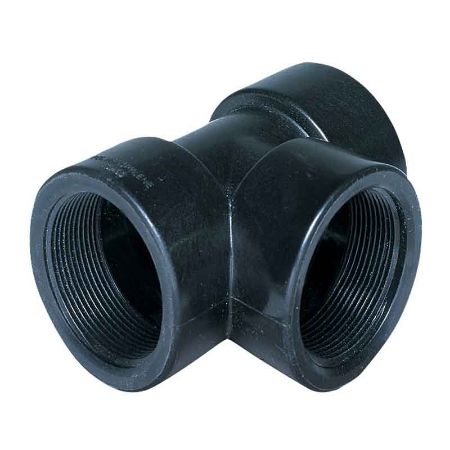 Polypropylene Tee Fitting, NPT Female Thread
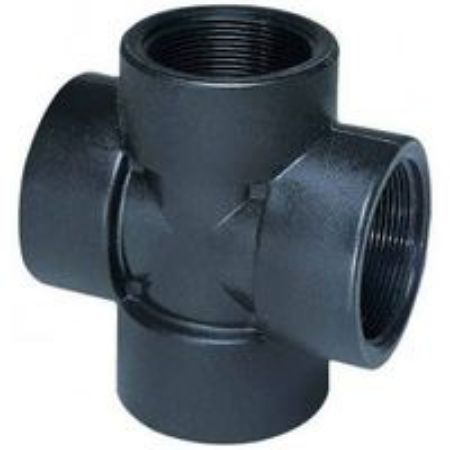 Polypropylene Cross Fitting, NPT Female Thread
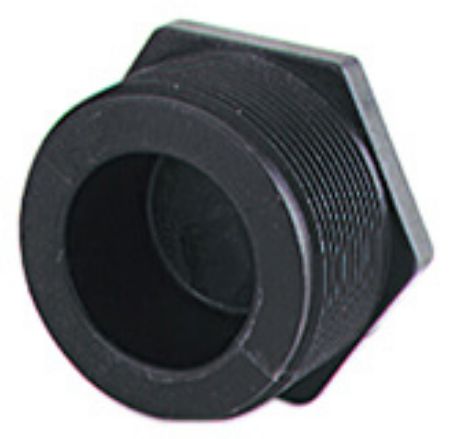 Drain Plugs
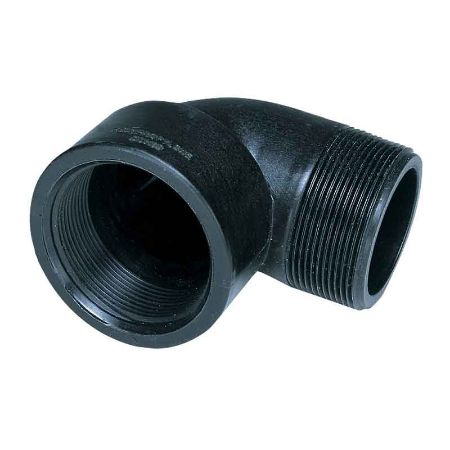 Elbow fittings
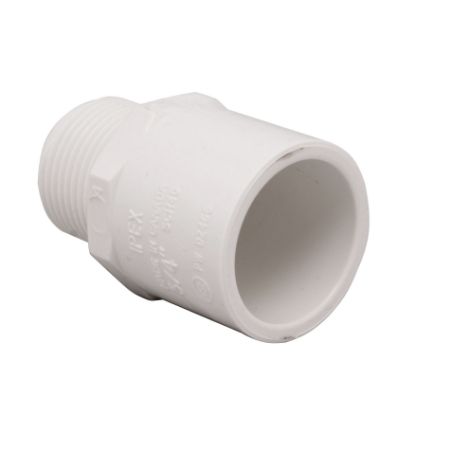 PVC Adapter, NPT Male Thread to Socket End
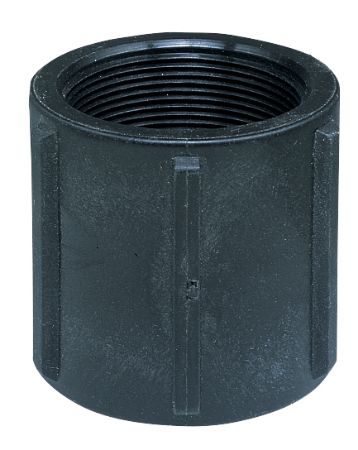 Polypropylene Threaded Pipe Couplings
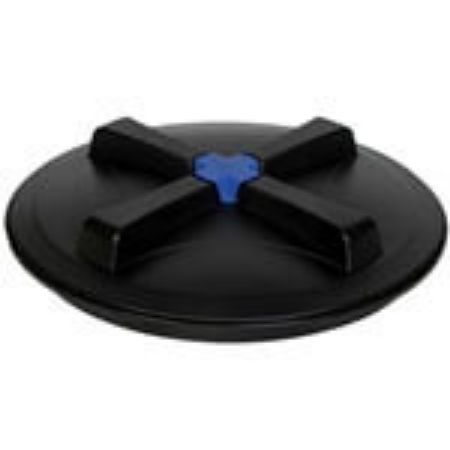 Closed Top Tank Lids
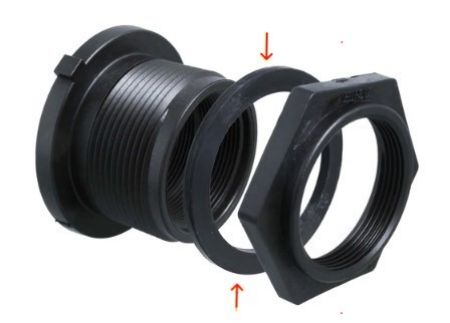 Replacement Gasket for Bulkhead Fitting
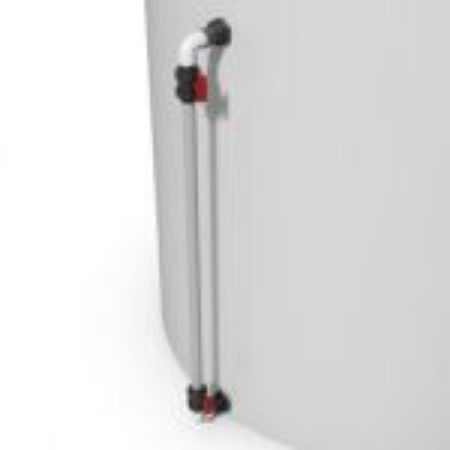 Level Indicator
 Miscellaneous accessories
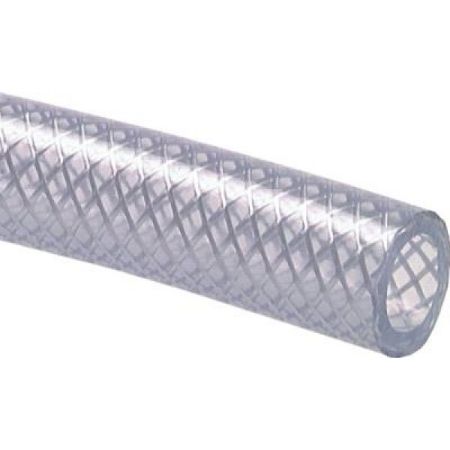 Potable Water Hoses
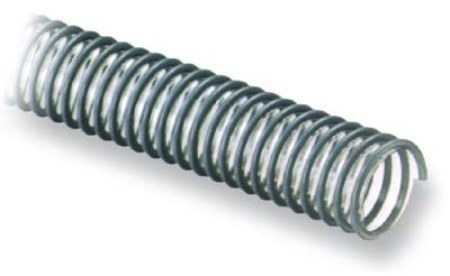 Liquid Suction and Discharge Hoses
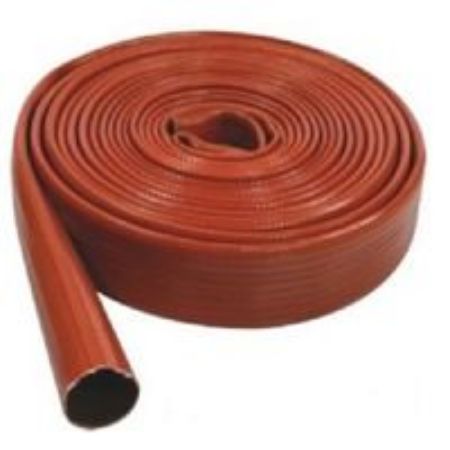 Liquid Discharge Hoses
 Assembled Liquid Discharge Hoses
 Fire Hose
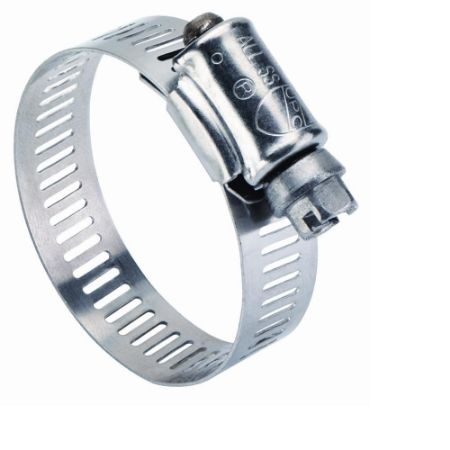 Hose Clamps
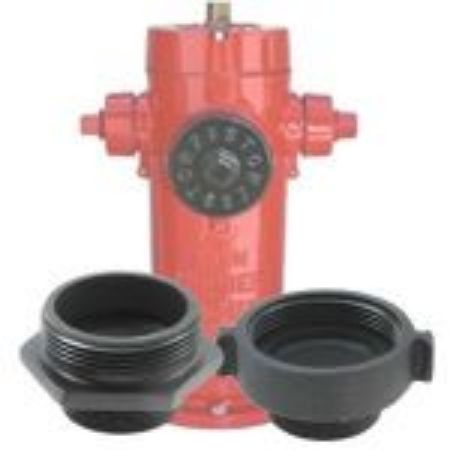 Fire Hydrant Adapters for Quebec
Solid-walled and solid-bottom plastic food containers
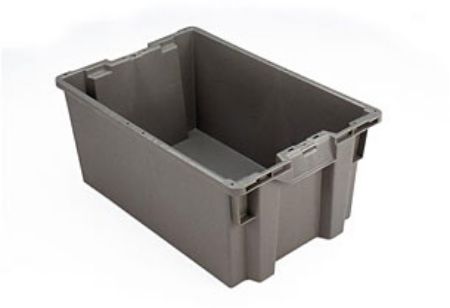 Food Grade Containers, Solid Walls and Bottom
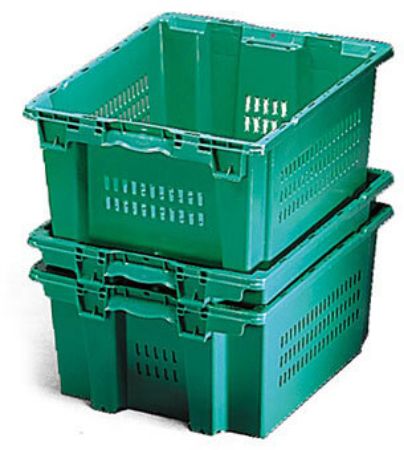 Food Grade Containers. Vented Walls and Bottom
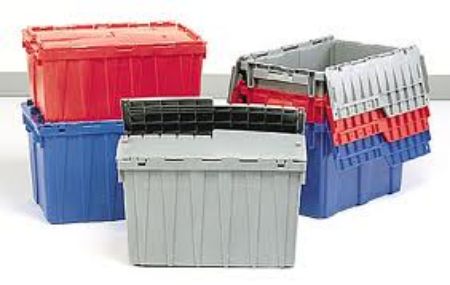 Attached Lids Plastic Containers
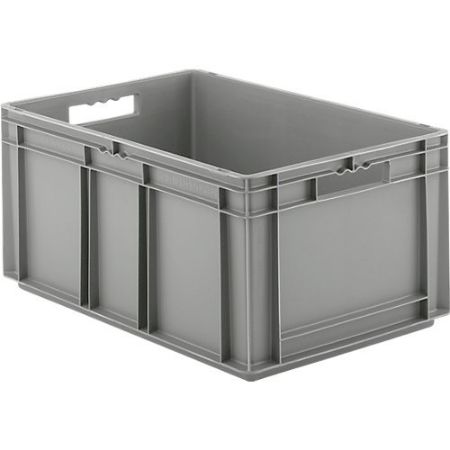 Industrial Plastic Containers, Solid Walls and Botton
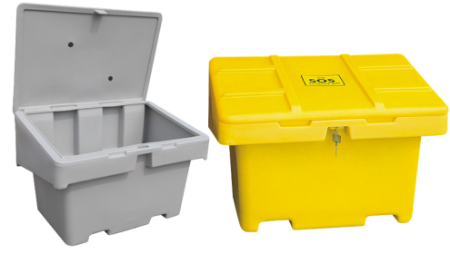 Sand and Salt Plastic Storage Bins
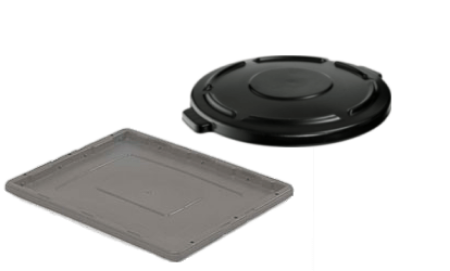 Containers - Lids and Covers
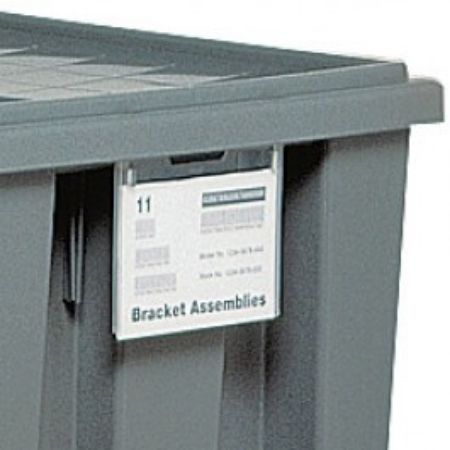 Containers - ID and Hot Stamp
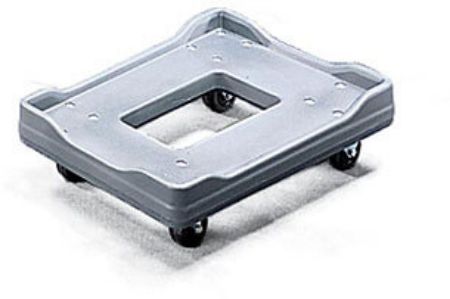 Containers - Dollies
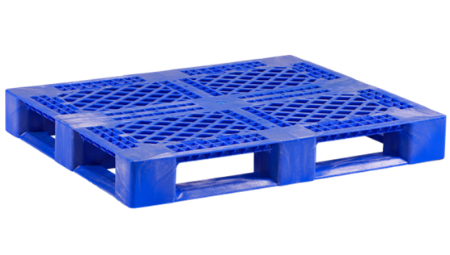 FDA Food Grade Plastic Pallets
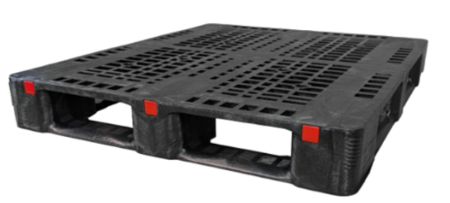 Industrial Plastic Pallets for Warehouse and Racking
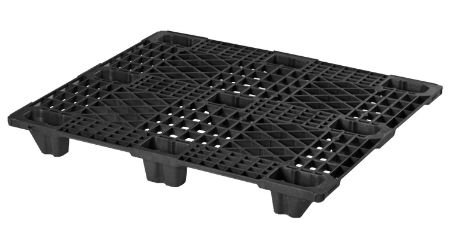 Export Plastic Pallet
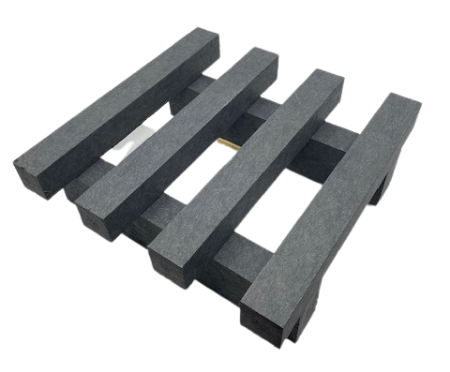 Display Plastic Pallets
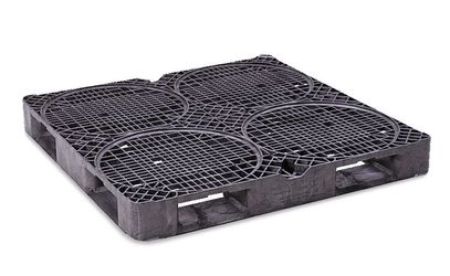 Drum Plastic Pallets
Plastic pallet boxes
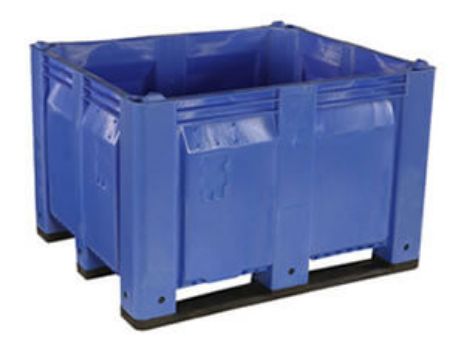 Plastic Pallet Boxes, Solid walls and Bottom
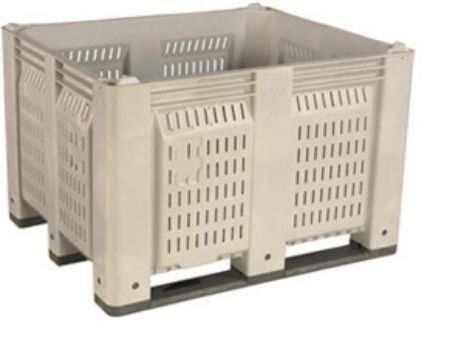 Plastic Pallet Boxes, Vented walls and Bottom
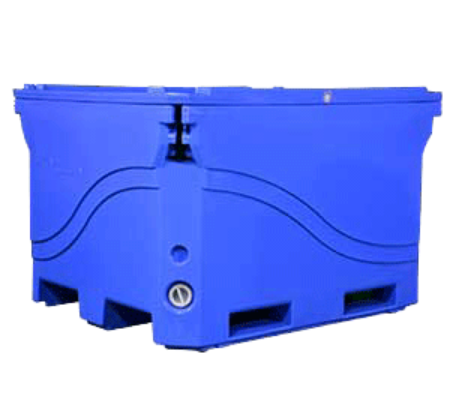 Insulated Plastic Pallet Boxes
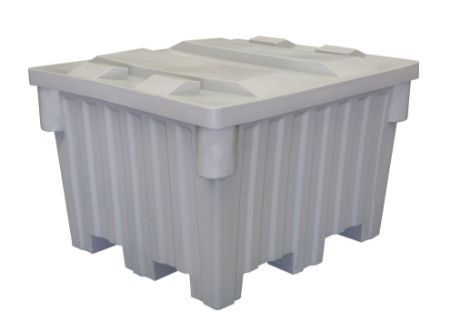 Tapered-wall Pallet Boxes
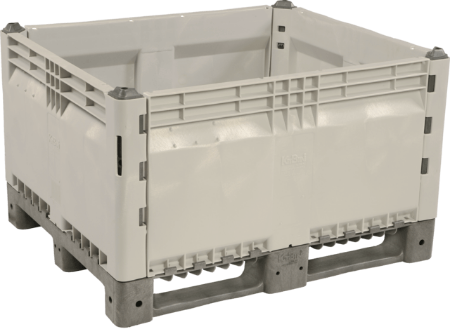 Removable walls Pallet Boxes
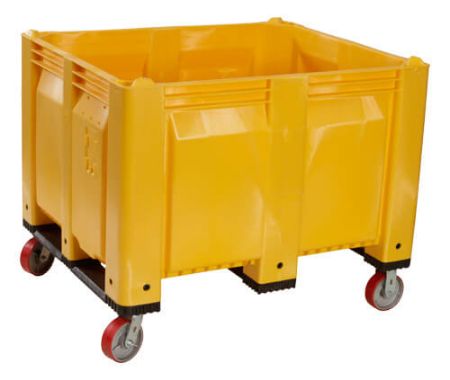 Pallet Boxes on Casters
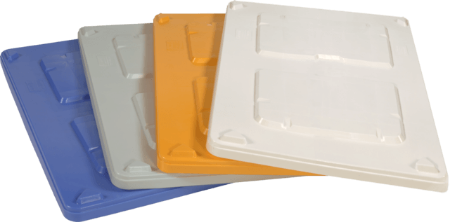 Lids - Pallet Boxes
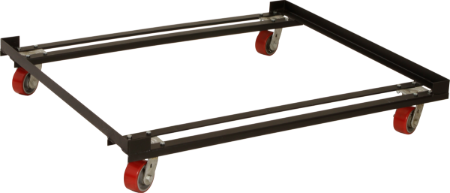 Pallet Boxes Bin Cart
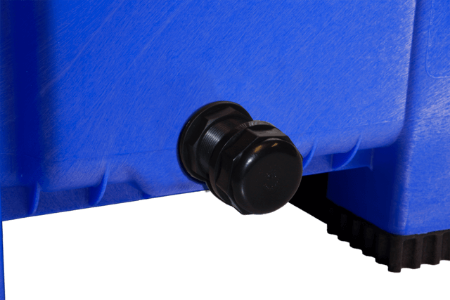 Drain Option for Pallet Boxes
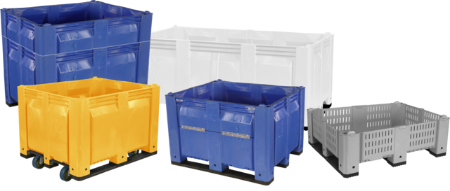 Custom Plastic Pallet Boxes
Utility and service carts
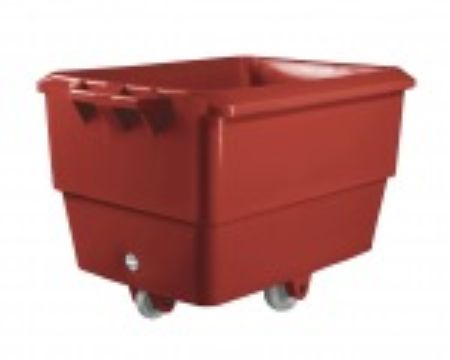 Food Grade Buggies - FDA Carts
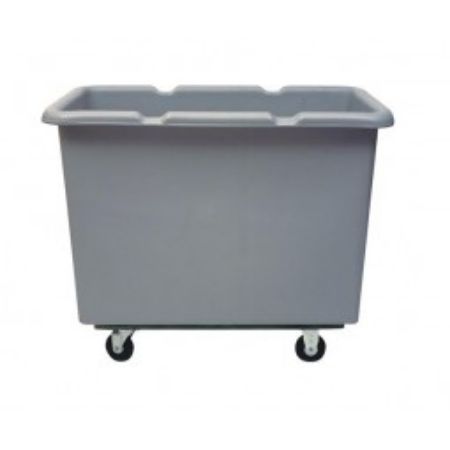 Industrial Poly-Box Trucks
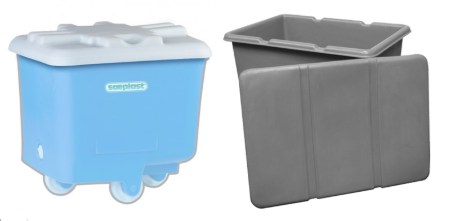 Carts Options and Accessories
FAQ - Plastic Tanks
Our tanks are covered by a one-year warranty from the date of purchase. If a manufacturing defect appears during this period, Agrico Plastics will provide a replacement tank or an equivalent model if the original has been discontinued. Agrico Plastics' liability is limited to the value of the tank and excludes installation costs and consequential damages.
All tanks have an embossed serial number approximately 1/2 inch high. The serial number is generally located near the tank lid, except on large vertical tanks. On vertical tanks with a capacity of 5,000 US gallons or more, the serial number is embossed approximately 48 to 52 inches from the bottom, aligned with the molded gallon indicator.
Most of our tanks are manufactured from high-density polyethylene (HDPE), a corrosion-resistant material suitable for many liquid storage applications. Certain cross-linked polyethylene (XLPE) models may also be available by special order. Material selection must be confirmed based on the stored liquid, its concentration, specific gravity and temperature.
Many of our tanks are manufactured using resins that meet applicable FDA requirements for food contact. However, FDA compliance of the material does not, by itself, certify the finished tank for potable water storage. For drinking water applications, check the certifications and operating conditions applicable to the specific tank model.
We offer two types of polyethylene tanks: standard-duty and heavy-duty models. Standard-duty tanks are designed for liquids with a specific gravity of up to 1.5 (12.5 lb per US gallon) at 21°C. Heavy-duty tanks are designed for liquids with a specific gravity of up to 1.9 (15.8 lb per US gallon) at 21°C. The allowable specific gravity must be verified for each tank model and its operating conditions.
Wall thickness varies depending on the tank model and the stresses it must withstand. On vertical tanks, the walls are generally thicker toward the bottom to resist the pressure exerted by the stored liquid. However, wall thickness alone does not determine tank quality. The resin, mold design, material distribution and rotational molding process also play important roles.
Most of our tanks are manufactured from high-density polyethylene (HDPE), which can be used at temperatures up to 49°C (120°F) continuously. Cross-linked polyethylene (XLPE), available by special order, can withstand temperatures up to 60°C (140°F). However, the maximum operating temperature must be confirmed based on the tank model and the liquid being stored.
The tank itself can withstand winter temperatures. If you plan to leave liquid inside, account for expansion caused by freezing. Fittings and valves are particularly vulnerable to damage when liquid freezes. Appropriate measures should therefore be taken to protect the installation.
Many fertilizers and chemicals can be stored in our above-ground tanks. We recommend confirming chemical compatibility with the liquid manufacturer and Agrico Plastics. To assess compatibility, it is important to know the exact chemical, its concentration, specific gravity and operating temperature. Chemical compatibility with the tank material alone does not guarantee that the tank is suitable for all storage conditions.
No. Our standard polyethylene tanks are not intended for petroleum product storage. Certain hydrocarbons may be incompatible with the material and compromise the tank's structural integrity.
There is no universal service life for a polyethylene tank. It depends on several factors, including the stored liquid, its concentration and temperature, sunlight exposure, climate conditions, and whether the tank is used for stationary storage or transportation. Regular inspections help identify signs of aging or deterioration.
Inspect the tank regularly for cracks, crazing, deformation and signs of plastic aging, especially on surfaces exposed to sunlight. Also check fittings and areas subject to mechanical stress. Do not strike the tank to test its strength, as this is not a reliable inspection method and could damage it. If you notice cracks, significant deformation or material deterioration, stop using the tank until its condition has been evaluated. A tank considered unsafe should not be reused for liquid storage.
Rigid piping is not recommended for direct connection to a tank. Use high-quality flexible hoses to accommodate tank expansion and contraction during filling and emptying without placing excessive stress on the tank walls. Proper support should also be provided for heavy valves and fittings. For potable water applications, all fittings, valves and hoses in contact with the water must also be approved or otherwise verified as suitable for that use.
When fittings are installed at the factory, a torque wrench with an appropriate adapter is used to achieve the recommended tightening torque. If a fitting needs to be retightened, follow the manufacturer's instructions. Overtightening can compress the gasket, deform the fitting and cause leaks.
No. Our standard tanks are designed to operate at atmospheric pressure and must not be pressurized. Proper venting must also be provided to prevent excessive pressure or vacuum during filling and emptying.
Only tanks specifically designed and approved for underground installation can be buried. An above-ground tank must not be buried because soil pressure could deform or collapse its walls. The selected tank must be suitable for the intended underground installation conditions.
For proper installation, the tank must rest on a firm, level, smooth and uniform surface. Its entire bottom must be supported. A concrete foundation designed to support the total weight of the filled tank is strongly recommended for models larger than 2,000 US gallons. Depending on the model and manufacturer's recommendations, other properly prepared surfaces may be suitable. The foundation must also account for ground movement caused by freezing and thawing.
For potable water storage, the tank should be cleaned and, when necessary, disinfected before being put into service. Use a cleaning method and disinfectant suitable for the tank material and intended application, then rinse according to the applicable instructions. Also ensure that all fittings and accessories are suitable for potable water.
Over time, exposure to ultraviolet (UV) radiation can contribute to plastic aging and increase the risk of cracking. Our tanks intended for outdoor use contain UV stabilizers that slow this process. Regular inspections are still recommended, particularly for tanks exposed to sunlight over several years.
A secondary containment basin is a protective system placed beneath a tank. It temporarily collects liquid in the event of a leak or spill, but it does not prevent the leak itself. It is not designed for long-term liquid storage. Explore our spill containment basins.
Depending on the applicable requirements, the required containment capacity may be 110% or 120% of the tank volume. For a single tank, multiply its capacity by 1.10 or 1.20, depending on the required percentage. When several tanks share one containment basin, the volume of the largest tank is often used as the starting point, but additional requirements may apply. Always confirm the containment requirements applicable to your facility, the stored liquids and your insurance provider.
The basin walls often prevent direct access with forklift forks. Plan for suitable lifting equipment to lower the empty tank over the basin walls. Depending on the configuration, the tank may also be installed on an appropriate support. The containment basin must rest on a firm, level and smooth surface capable of supporting the weight of the installation and the contained liquid.
Agrico Plastics offers seven secondary containment basin models ranging from 48 to 961 US gallons (182 to 3,600 litres). They are manufactured in Canada from a single piece of high-density polyethylene (HDPE), without a drain. Browse our plastic spill containment basins to find the appropriate model for your tank.
Call an expert
Did not find the information you were looking for?
Ask us your question directly!
Need assistance? Contact us at 450 471-2772
 Inventory in REAL TIME !
 Pickup and Shipping the SAME DAY ! (Order placed before 11 a.m.)
Monday - Thursday
Friday
Saturday
Sunday
8 am to 12 pm / 1 pm to 4:30 pm
8 am to 12 pm / 1 pm to 3:45 pm
Closed
Closed




Monday - Thursday
8:00 a.m. to 12:00 p.m.
1:00 p.m. to 4:30 p.m
Friday
8:00 a.m. to 12:00 p.m.
1:00 p.m. to 3:45 p.m.
Saturday
Closed
Sunday
Closed